
What Are the Benefits of Using Protective Packaging for PVC Pipes?
PVC pipes are widely used in various industries due to their durability and cost-effectiveness. However, despite their robustness, they are still susceptible to damage during shipping, handling, and storage. Protective packaging plays a crucial role in mitigating these risks and ensuring that PVC pipes reach their destination in optimal condition.
Protective packaging for PVC pipes offers numerous benefits, including preventing physical damage like scratches, dents, and breaks, safeguarding against environmental factors such as moisture and UV radiation, and ensuring the pipes maintain their structural integrity and functionality from manufacturing to installation. Investing in appropriate protective measures translates to reduced material waste, lower replacement costs, and enhanced customer satisfaction.
Choosing the right protective packaging for PVC pipes is not merely an added expense but a strategic investment. Let’s delve into the tangible benefits of safeguarding these essential components.
1. Preventing Physical Damage During Transportation
PVC pipes, while sturdy, are not impervious to physical harm. The journey from the manufacturing plant to the construction site or retail outlet is fraught with potential hazards. Without adequate protection, these pipes can suffer damage that compromises their integrity and usability.
Protective packaging is essential for preventing physical damage to PVC pipes during transportation. This includes safeguarding against impacts, abrasions, and pressure that can occur during loading, unloading, and transit. By using materials like end caps, wraps, and bundling films, businesses can significantly reduce damage rates and ensure pipes arrive in perfect condition.
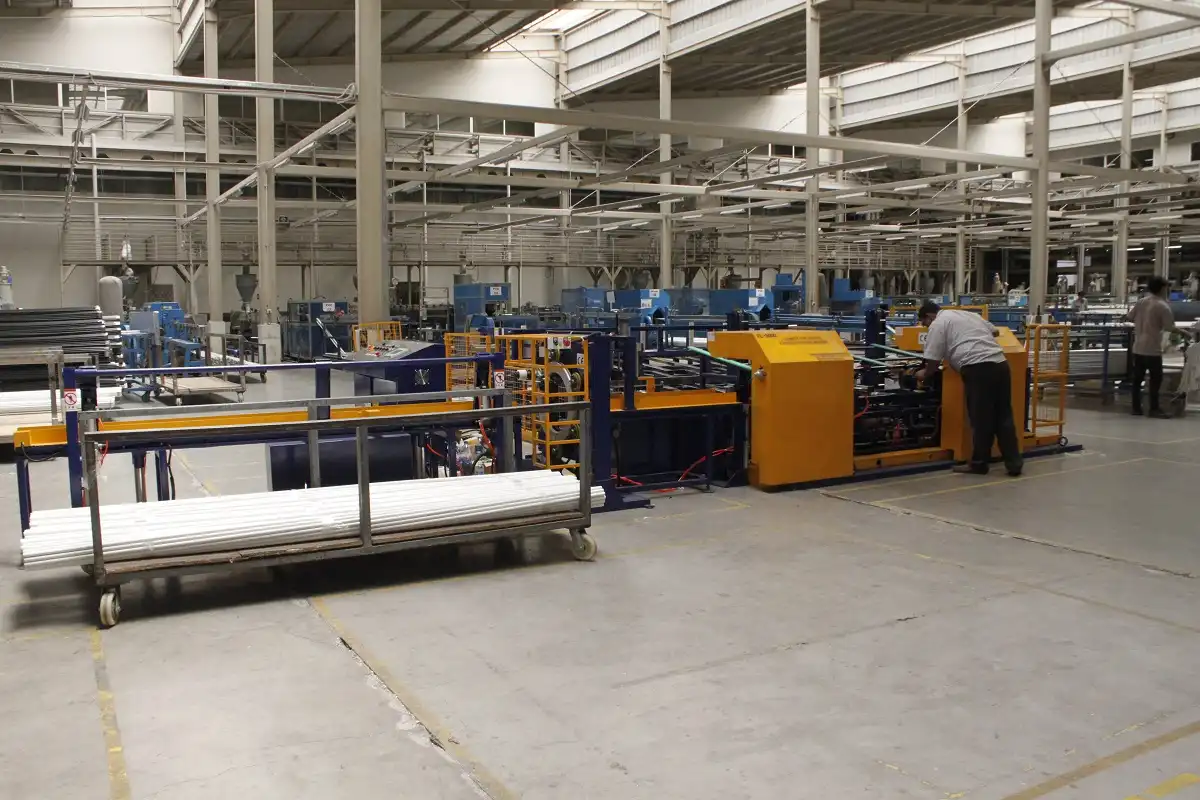
Minimizing Transit Damage: A Detailed Look at Protective Measures
Transit damage to PVC pipes can manifest in various forms, from minor surface scratches to critical structural breaks. Understanding the types of damage and the protective packaging solutions available is crucial for effective prevention.
| Type of Damage | Cause | Protective Packaging Solution | Benefit |
|---|---|---|---|
| Scratches & Abrasions | Rubbing against surfaces, other pipes | Pipe wrap, sleeves, bundling | Maintains surface finish, prevents minor defects from worsening |
| Dents & Crushing | Impacts, pressure from stacking | Corner boards, edge protectors, robust bundling, crating | Preserves pipe roundness and structural integrity |
| Cracks & Breaks | Severe impacts, improper handling | Heavy-duty wraps, cradles, specialized containers, end caps | Prevents complete failure, ensures pipe is usable upon arrival |
| End Damage | Impacts to pipe ends | End caps, plugs | Protects pipe ends from deformation and ingress of debris |
| Moisture Damage | Exposure to rain, humidity | Waterproof wraps, films, desiccants within packaging | Prevents water damage during storage and transit |
Effective protective packaging considers the entire journey of the PVC pipes. For instance, bundling pipes together not only makes handling easier but also provides a degree of self-protection. Adding corner boards and edge protectors to bundles further reinforces their resistance to crushing and impact. For individual pipes or smaller bundles, sleeves and wraps offer a layer of defense against scratches and abrasions.
Moreover, the choice of packaging material should be appropriate for the mode of transport and the anticipated conditions. For long sea voyages, for example, packaging needs to be particularly robust and moisture-resistant. By carefully assessing the risks and implementing suitable protective measures, companies can drastically reduce transit damage and associated costs. Investing in quality protective packaging is an investment in the integrity of the product and the satisfaction of the customer.
2. Protection Against Environmental Factors
Beyond physical impacts, PVC pipes are also vulnerable to environmental elements, particularly during outdoor storage or transportation. Prolonged exposure to sunlight, moisture, and extreme temperatures can degrade the material, leading to premature aging and reduced performance.
Protective packaging shields PVC pipes from harmful environmental factors such as UV radiation, moisture, and temperature fluctuations. UV-resistant films and wraps prevent sun damage, while waterproof materials protect against rain and humidity. This ensures the pipes maintain their properties and longevity, even when stored outdoors.
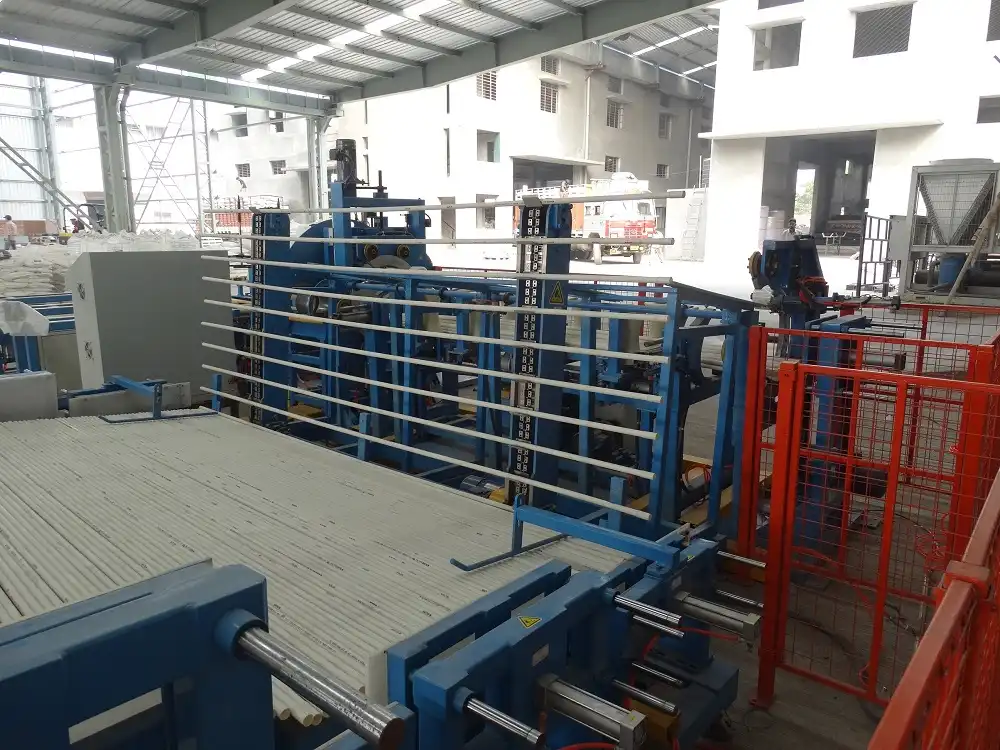
Environmental Degradation: Understanding the Threats and Solutions
PVC, while durable, can be affected by prolonged exposure to environmental stressors. Understanding these threats helps in selecting the right protective packaging to mitigate them.
| Environmental Threat | Impact on PVC Pipes | Protective Packaging Solution | Benefit |
|---|---|---|---|
| UV Radiation | Discoloration, embrittlement, surface cracking, reduced lifespan | UV-resistant films, wraps, covers, opaque packaging | Prevents UV degradation, maintains structural integrity and appearance |
| Moisture | Water absorption (minimal in PVC, but can affect joints), mold growth, corrosion of any metal components | Waterproof wraps, films, bags, desiccants, sealed packaging | Prevents water damage, maintains dimensional stability, inhibits mold |
| Temperature Extremes | Expansion/contraction, potential for cracking in extreme cold, deformation in extreme heat | Insulated wraps, temperature-controlled storage (packaging can help maintain temp to some degree) | Minimizes stress from temperature changes, prevents thermal damage |
| Dust & Dirt | Surface contamination, potential abrasion over time | Dustproof wraps, bags, covers | Keeps pipes clean, prevents surface abrasion during storage |
| Chemical Exposure | Degradation from certain chemicals (less of a concern for standard PVC but relevant in industrial settings) | Chemical-resistant wraps, specialized barrier films | Protects against chemical degradation in specific environments |
For outdoor storage, UV protection is paramount. UV radiation can cause PVC to become brittle and discolored over time, reducing its lifespan and performance. UV-resistant packaging films and wraps act as a barrier, preventing harmful rays from reaching the pipes. Similarly, waterproof packaging is essential to prevent water ingress, which can lead to issues, especially if pipes are stored in humid conditions or exposed to rain. While PVC itself is water-resistant, moisture can affect joints and any accompanying metal components.
Temperature fluctuations can also pose a threat. While PVC is generally stable, extreme temperature changes can cause expansion and contraction, potentially leading to stress and cracking over time, particularly in rigid PVC types. Insulated packaging can help moderate temperature changes to some extent. For environments with potential chemical exposure, specialized chemical-resistant packaging materials are available. By considering these environmental factors and choosing appropriate protective packaging, businesses can ensure their PVC pipes remain in prime condition, regardless of storage conditions.
3. Maintaining Product Integrity and Reducing Waste
Damage to PVC pipes not only results in direct material loss but also leads to increased waste disposal and potential project delays. Pipes damaged during transit or storage may become unusable, requiring replacement and adding to project costs and environmental impact.
Using protective packaging ensures that PVC pipes maintain their product integrity from the factory to the point of use. By preventing damage, businesses reduce the amount of material wasted due to damage, minimize replacement needs, and contribute to more sustainable practices by lowering disposal volumes and resource consumption.
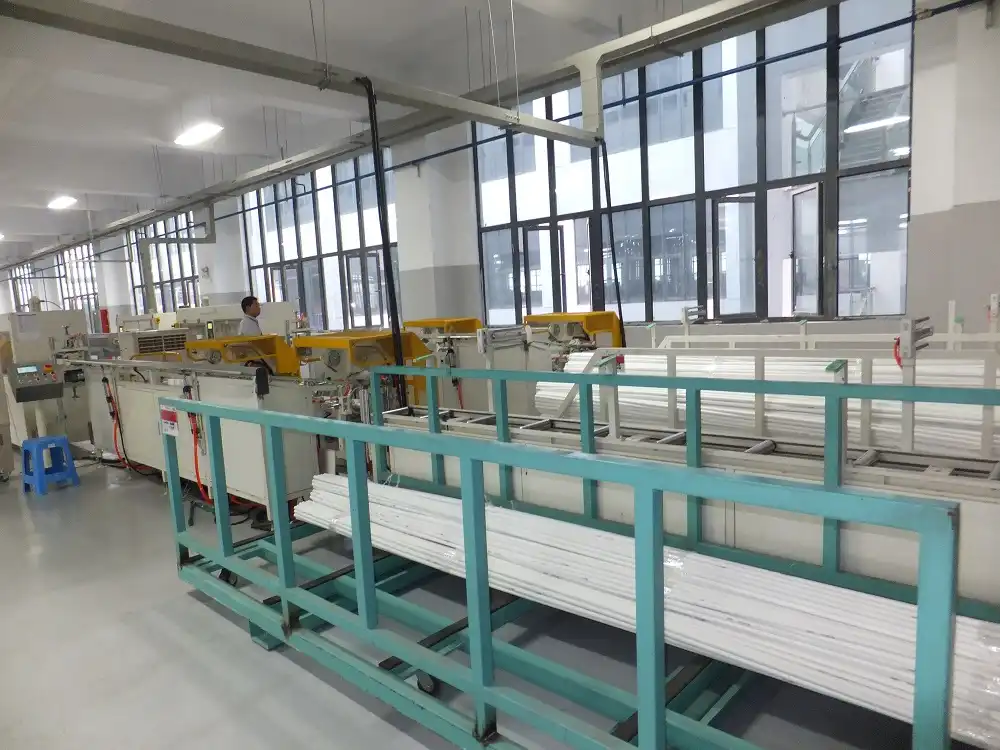
Economic and Environmental Benefits of Damage Reduction
The benefits of protective packaging extend beyond just preventing physical damage; they have significant economic and environmental implications. Reducing damage translates to direct cost savings and contributes to sustainability efforts.
| Benefit Category | Specific Economic Benefit | Environmental Impact Reduction |
|---|---|---|
| Reduced Material Waste | Lower replacement costs, less product write-off, efficient inventory management | Less raw material consumption, reduced manufacturing energy, lower carbon footprint |
| Lower Disposal Costs | Reduced waste disposal fees, less landfill space used | Decreased landfill waste, less pollution from waste transportation and decomposition |
| Minimized Rework & Delays | Avoidance of project delays due to damaged materials, reduced labor costs for replacements | Lower resource consumption from avoiding rework, reduced emissions from project delays |
| Enhanced Customer Satisfaction | Fewer returns and complaints, improved reputation, repeat business | Stronger brand image associated with quality and reliability |
| Optimized Resource Use | Efficient use of raw materials, reduced packaging material consumption (when optimized) | Conservation of natural resources, promotion of circular economy principles |
From an economic perspective, minimizing damage directly impacts the bottom line. Damaged pipes are essentially lost inventory. Protective packaging reduces the frequency of these losses, saving on material costs and the labor associated with handling replacements. Furthermore, fewer damaged goods mean lower disposal costs and less waste needing to be processed. Project delays due to damaged materials can also be costly, impacting timelines and potentially incurring penalties. Protective packaging helps keep projects on schedule by ensuring materials are readily usable.
Environmentally, reducing waste is crucial. Manufacturing PVC involves resource consumption and energy. Damaging pipes means these resources are wasted. By minimizing damage through protective packaging, we reduce the demand for new production, conserving raw materials and energy. Less waste also means reduced landfill burden and associated pollution. Companies that prioritize damage prevention through effective packaging demonstrate a commitment to sustainability, enhancing their brand image and appealing to environmentally conscious customers. In essence, protective packaging is a key component of responsible and efficient PVC pipe management.
4. Cost Savings and Long-Term Value
While protective packaging represents an upfront cost, the long-term savings and value it provides far outweigh the initial expenditure. By reducing damage, waste, and delays, businesses can achieve significant cost efficiencies and improve their overall profitability.
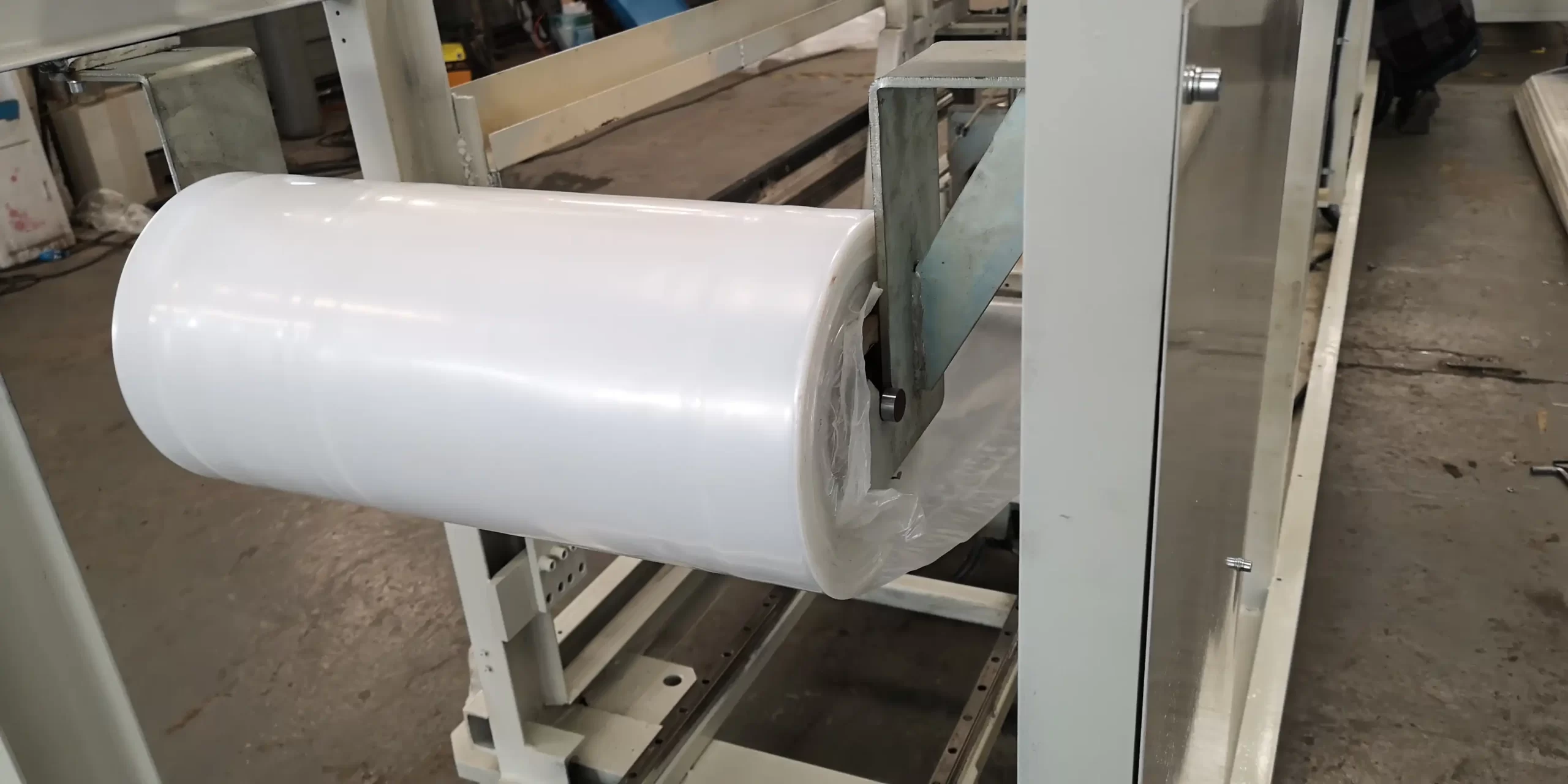
Investing in protective packaging for PVC pipes is a financially sound decision. The reduction in damage rates directly translates to fewer replacements, lower shipping costs due to reduced returns, and minimized project delays. These savings quickly offset the cost of packaging, making it a value-added investment in the long run. Furthermore, maintaining product integrity enhances customer satisfaction and builds a reputation for quality and reliability, contributing to long-term business success.
Conclusion
Protective packaging for PVC pipes is not just an option; it’s a necessity for ensuring product integrity, minimizing waste, and maximizing cost-effectiveness. From preventing physical damage during transportation to shielding against environmental degradation, the benefits are clear and compelling. By investing in appropriate protective measures, businesses can safeguard their PVC pipes, reduce expenses, enhance customer satisfaction, and contribute to more sustainable practices. The long-term value derived from protective packaging makes it an indispensable component of responsible PVC pipe management and a smart investment for any business relying on these essential materials.








