
What Are the Benefits of Using Automated Packaging for PVC Pipes?
Automated packaging systems are revolutionizing various industries, and the PVC pipe manufacturing sector is no exception. Switching to automated solutions for packaging PVC pipes offers a multitude of advantages, streamlining operations and enhancing overall efficiency. This article explores the key benefits of adopting automated packaging for PVC pipes, demonstrating why it’s a smart investment for manufacturers.
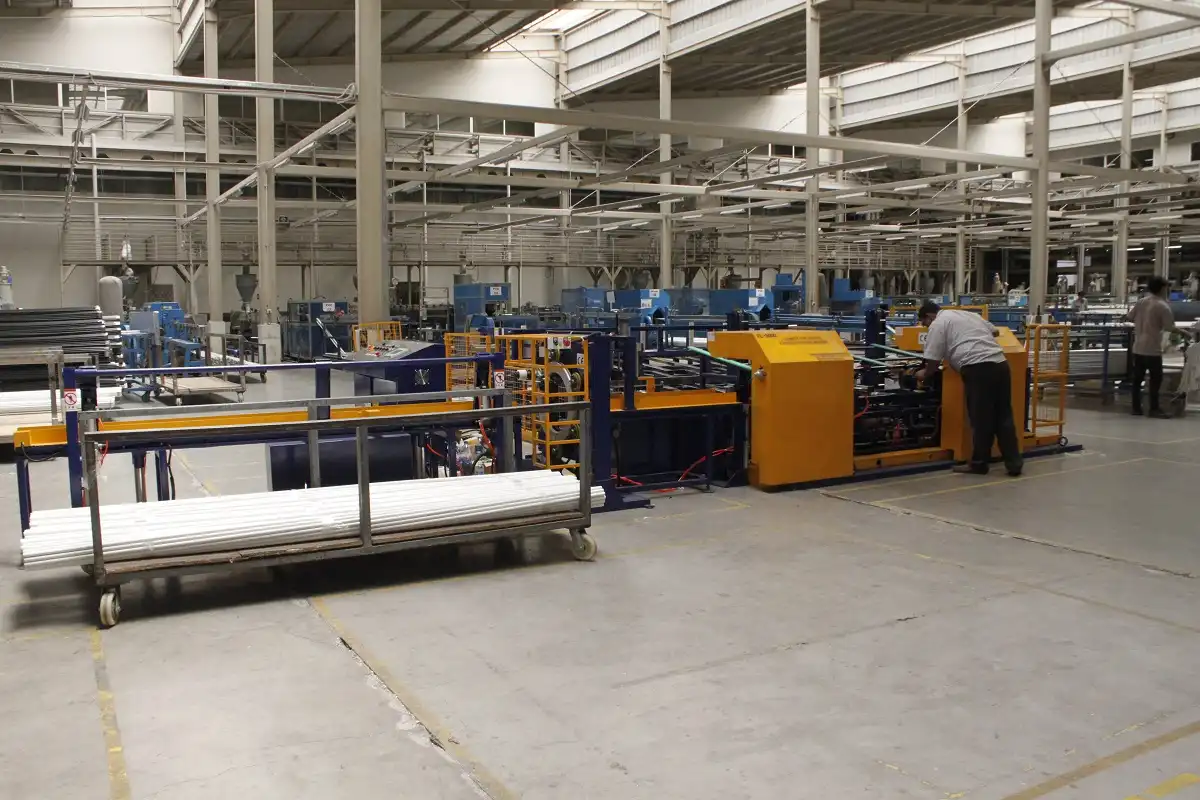
Automated packaging for PVC pipes significantly enhances efficiency by speeding up the packaging process and ensuring consistent output. These systems reduce manual labor, minimize errors, and improve workplace safety. Furthermore, automated solutions contribute to better quality control, lower labor costs, and ultimately, a more profitable and sustainable operation for PVC pipe manufacturers. Considering an upgrade? Let’s delve deeper into the advantages.
If you’re involved in PVC pipe manufacturing, understanding the benefits of automation is crucial for staying competitive. Let’s explore exactly how automated packaging systems can transform your PVC pipe production line.
Enhanced Operational Efficiency Through Automation
Efficiency is paramount in manufacturing, and automated packaging systems excel in this area. Compared to manual packaging, automation offers a faster, more consistent, and less labor-intensive approach to preparing PVC pipes for shipment and distribution. This boost in efficiency translates directly to increased throughput and reduced operational bottlenecks.
Automated packaging systems drastically improve operational efficiency in PVC pipe manufacturing by increasing speed and consistency. Machines work continuously without breaks, processing pipes at a significantly faster rate than manual labor. Automation also ensures uniform packaging, reducing variations and errors inherent in human-led processes. This leads to higher production volumes, quicker turnaround times, and better resource utilization, ultimately maximizing output and profitability for PVC pipe manufacturers. Ready to see the numbers?
Automated packaging systems bring a paradigm shift in efficiency, moving beyond the limitations of manual processes. To fully appreciate this transformation, let’s break down the key aspects of efficiency gains:
Speed and Throughput
Automated systems operate at speeds unattainable by human workers. They can consistently perform tasks like bundling, wrapping, and labeling at rates that significantly outpace manual operations. This speed directly translates to higher throughput, meaning more PVC pipes are packaged and ready for distribution in less time.
Consistent Output
Unlike manual labor, which can fluctuate in pace and quality due to fatigue or variations in worker skill, automated systems maintain a consistent output rate. This consistency is crucial for production planning and meeting deadlines reliably.
Reduced Labor Intensity
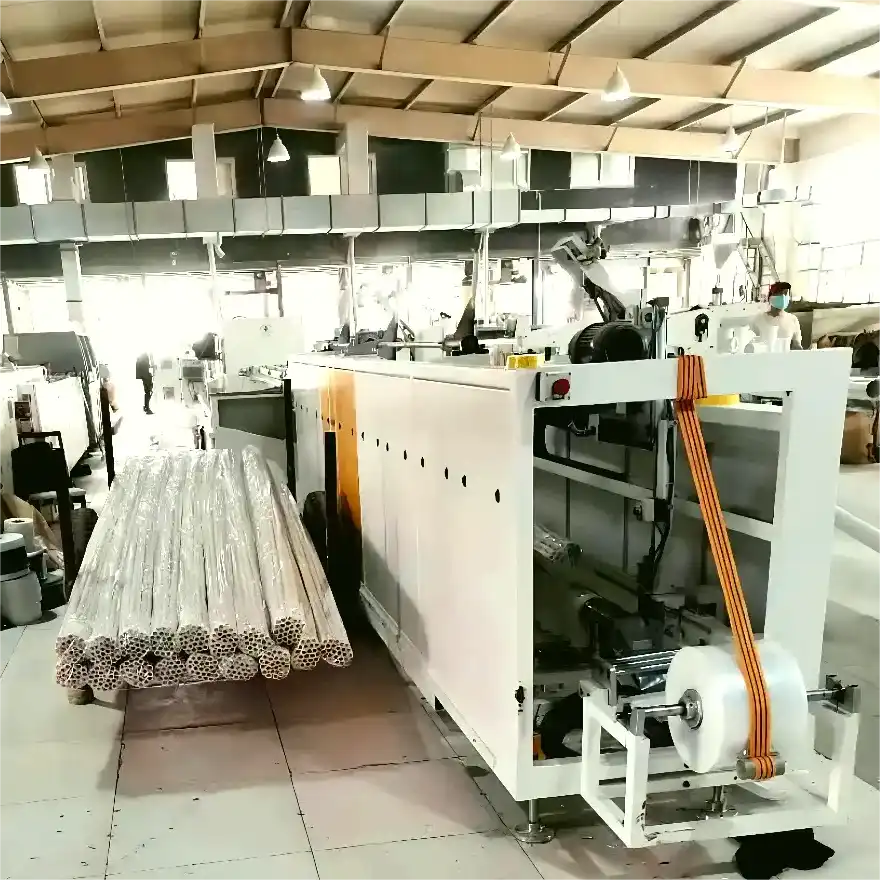
To illustrate the impact of automated packaging on efficiency, consider the following comparison:
| Feature | Manual Packaging | Automated Packaging | Improvement |
|---|---|---|---|
| Packaging Speed | 5-10 pipes per minute (estimated) | 20-50+ pipes per minute (machine dependent) | 2x – 5x or more |
| Consistency | Variable, dependent on worker | Highly consistent, machine-controlled | Significant |
| Labor Requirement | High | Low | Reduced by 50-80% |
| Error Rate | Higher, prone to human error | Significantly lower, machine precision | Reduced by 90%+ |
As the table demonstrates, the quantifiable improvements in speed, consistency, and labor reduction highlight the substantial efficiency advantages of automated packaging for PVC pipes. This efficiency edge is critical in meeting market demands and optimizing production costs.
Enhancing Workplace Safety and Ergonomics
Safety is a paramount concern in any industrial environment. Automated packaging systems play a crucial role in creating a safer workplace in PVC pipe manufacturing facilities by minimizing human interaction with heavy machinery and repetitive, potentially hazardous tasks. This reduction in risk leads to fewer workplace accidents and a healthier, more secure environment for employees.
Automated PVC pipe packaging systems significantly improve workplace safety by reducing the need for manual handling of heavy pipes and minimizing worker proximity to machinery. Automation takes over repetitive and physically demanding tasks, decreasing the risk of musculoskeletal injuries and accidents. By creating a safer operational environment, manufacturers can lower insurance costs, reduce lost time due to injuries, and foster a more positive and productive work atmosphere. Safety first, always.
The safety benefits of automated packaging extend beyond simply reducing accidents. Let’s examine the technical details of how automation contributes to a safer and more ergonomic work environment:
Minimizing Manual Handling
PVC pipes, especially larger diameters, can be heavy and cumbersome to handle manually. Lifting, carrying, and stacking these pipes manually pose significant risks of back injuries, strains, and other musculoskeletal disorders. Automated systems handle these tasks mechanically, eliminating the need for manual lifting and reducing these risks.
Reducing Exposure to Machinery Hazards
Traditional packaging lines often require workers to be in close proximity to moving machinery parts, such as cutting blades, wrapping mechanisms, and conveyors. Automated systems are designed with safety features like enclosures, sensors, and emergency stops to minimize the risk of accidental contact and injury. Operators can control and monitor the packaging process from a safe distance.
Ergonomic Improvements
Repetitive packaging tasks, such as manual wrapping or strapping, can lead to ergonomic issues and repetitive strain injuries over time. Automated systems perform these repetitive motions consistently and ergonomically, eliminating the physical strain on workers and reducing the incidence of MSDs.
Consider these specific safety improvements offered by automated packaging:
- Reduced Lifting and Carrying: Automated systems use conveyors and robotic arms to move pipes, eliminating manual lifting.
- Enclosed Machinery: Moving parts are often enclosed with safety guards, preventing accidental contact.
- Emergency Stop Systems: Easily accessible emergency stops allow for immediate shutdown in case of malfunctions or emergencies.
- Sensor-Based Safety: Sensors detect obstructions or personnel in hazardous areas, automatically stopping the machine.
- Ergonomic Design: Control panels and interfaces are designed for ease of use and minimal physical strain on operators.
By implementing automated packaging, PVC pipe manufacturers not only enhance efficiency but also demonstrate a commitment to employee well-being, creating a safer and more sustainable workplace.
Ensuring Consistent and High-Quality Packaging

Automated packaging guarantees consistent and high-quality packaging for PVC pipes, surpassing the variability of manual methods. Machines perform packaging tasks with precision, ensuring uniform bundling, wrapping, and labeling every time. This consistency enhances product presentation, reduces the risk of damage during shipping, and reinforces brand image, leading to higher customer satisfaction and fewer product returns. Quality packaging speaks volumes.
The superiority of automated packaging in quality control stems from its inherent precision and consistency. Let’s delve into the specific aspects that contribute to this enhanced quality:
Precision and Uniformity
Automated systems are programmed to perform packaging tasks with high precision. Whether it’s applying the correct tension to wrapping film, placing labels accurately, or ensuring consistent bundle sizes, machines execute these actions uniformly every time. This level of precision is difficult to achieve consistently with manual labor.
Reduced Human Error
Manual packaging processes are susceptible to human error. Variations in worker technique, fatigue, or distractions can lead to inconsistencies in packaging quality. Automated systems eliminate these human factors, ensuring that each PVC pipe bundle is packaged to the same high standard.
Advanced Quality Checks
Many automated packaging systems incorporate quality control checks within the process. Sensors can verify correct wrapping, labeling, and bundle integrity. If a defect is detected, the system can automatically reject the improperly packaged bundle for correction, preventing substandard products from reaching customers.
Consider the following advantages of automated quality control in PVC pipe packaging:
- Consistent Wrapping Tension: Machines apply uniform wrapping tension, ensuring secure bundles without over-tightening or loosening.
- Accurate Label Placement: Labels are applied precisely and consistently, improving product identification and branding.
- Uniform Bundle Size and Shape: Automated systems create bundles of consistent size and shape, optimizing storage and transportation.
- Defect Detection and Rejection: Integrated sensors identify and reject improperly packaged bundles, ensuring only quality products are shipped.
- Reduced Damage in Transit: Consistent and secure packaging minimizes movement and friction during transportation, reducing the risk of damage to PVC pipes.
By investing in automated packaging, PVC pipe manufacturers can ensure that their products are consistently packaged to a high standard, enhancing their brand reputation and minimizing costly issues related to damaged goods or customer dissatisfaction.
Lowering Overall Labor Costs
Labor costs represent a significant portion of operational expenses in manufacturing. Automated packaging systems offer a compelling solution for reducing these costs in PVC pipe production. While the initial investment in automation may seem substantial, the long-term savings in labor, coupled with increased efficiency and reduced errors, result in a significant return on investment.
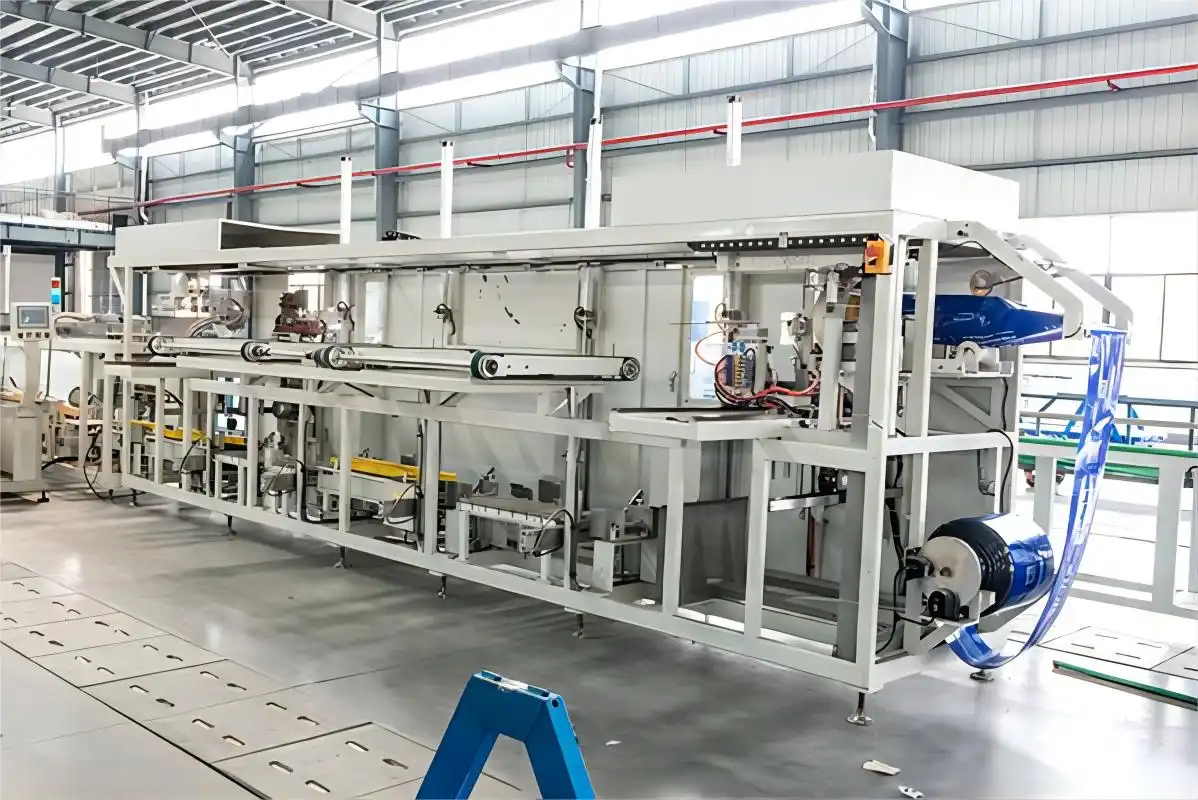
Automated packaging systems significantly reduce labor costs in PVC pipe manufacturing by minimizing the need for manual packaging labor. While requiring an initial investment, these systems automate repetitive tasks, reducing the workforce needed for packaging operations. This leads to lower wages, reduced benefits expenses, and minimized costs associated with recruitment and training. The long-term savings in labor costs make automated packaging a financially sound investment for PVC pipe businesses. Let’s talk numbers and savings.
The reduction in labor costs achieved through automated packaging is multi-faceted and impacts various aspects of operational expenses. Let’s break down the key areas where savings are realized:
Reduced Direct Labor
The most direct cost saving comes from reducing the number of workers required for packaging operations. Automated systems can perform the work of multiple manual packers, leading to a significant decrease in payroll expenses.
Minimized Overtime
Automated systems can operate continuously, including during shifts when overtime rates would typically apply to human workers. This reduces the need for overtime pay, further lowering labor costs.
Lower Recruitment and Training Expenses
With a reduced reliance on manual labor, manufacturers can decrease their recruitment and training expenses. Finding and training packaging workers can be time-consuming and costly. Automation minimizes this need, streamlining HR processes and saving resources.
Reduced Labor-Related Overhead
Beyond wages, labor costs include benefits, insurance, and other overhead expenses associated with employing a large workforce. Reducing the number of manual workers through automation also lowers these indirect labor-related costs.
To quantify the potential labor cost savings, consider this example:
| Cost Category | Manual Packaging | Automated Packaging | Potential Savings |
|---|---|---|---|
| Direct Labor (Annual) | \$150,000 (5 workers) | \$30,000 (1 operator) | \$120,000 |
| Overtime Pay | \$10,000 | \$1,000 | \$9,000 |
| Recruitment/Training | \$5,000 | \$1,000 | \$4,000 |
| Labor Overhead | \$30,000 | \$6,000 | \$24,000 |
| Total Annual Savings | \$157,000 |
Note: These are illustrative figures and actual savings will vary based on specific operational factors.
As the example demonstrates, the cumulative effect of reduced direct labor, overtime, recruitment, and overhead expenses can result in substantial annual cost savings. This makes automated packaging a financially compelling investment for PVC pipe manufacturers seeking to optimize their bottom line.
Conclusion
The benefits of using automated packaging for PVC pipes are clear and compelling. From significantly boosting operational efficiency and enhancing workplace safety to ensuring consistent product quality and lowering labor costs, automation offers a transformative solution for PVC pipe manufacturers. By embracing automated packaging, companies can achieve higher productivity, improved profitability, and a more sustainable and competitive operation in the long run. Investing in automated packaging is not just an upgrade; it’s a strategic move towards a more efficient and successful future in the PVC pipe industry. Consider exploring Automated packaging solutions to take your PVC pipe manufacturing to the next level.








