
1. How to Ensure Compatibility of PPR Pipe Packaging with Existing Systems?
Ensuring the compatibility of PPR pipe packaging with existing systems is crucial for seamless integration and preventing potential complications. From material selection to dimensional accuracy and environmental considerations, understanding the key factors guarantees a smooth transition and optimal performance. This guide explores essential aspects to consider for successful PPR pipe packaging integration.
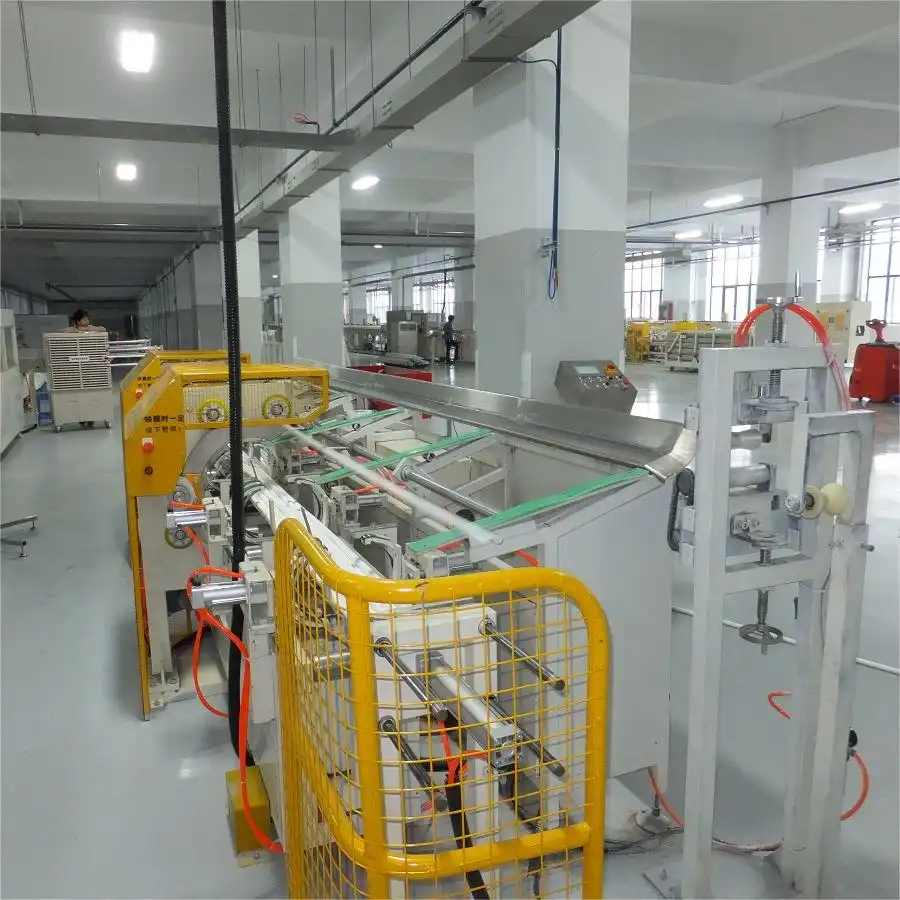
To ensure compatibility of PPR pipe packaging with existing systems, verify material and dimensional compatibility, assess environmental factors, and adhere to industry standards. Proper handling during packaging, transportation, and storage is vital to maintain pipe integrity and prevent damage that could compromise system compatibility. Always consult manufacturer guidelines for specific recommendations.
Integrating PPR pipe packaging effectively requires careful consideration of various factors. By understanding these elements and implementing best practices, you can ensure a successful and long-lasting piping system. Let’s delve deeper into the critical aspects of PPR pipe packaging compatibility and integration.
2. Understanding Material Compatibility in PPR Pipe Packaging
Material compatibility is paramount when integrating PPR pipes with existing systems. PPR, a Polypropylene Random Copolymer, boasts excellent chemical resistance, but understanding its interactions with different substances within packaging and the system is essential. Ensuring material compatibility prevents degradation, maintains system integrity, and prolongs the lifespan of the PPR pipes.
Material compatibility in PPR pipe packaging refers to the ability of the packaging materials to interact with PPR pipes and the surrounding system environment without causing adverse effects. This includes chemical inertness to prevent reactions with the pipe material, suitable physical properties to protect the pipes during handling and storage, and compatibility with the substances the pipes will transport. Incompatibility can lead to pipe degradation, contamination, or system failure.
To truly grasp material compatibility, we need to dissect its various facets. It’s not merely about whether the packaging touches the pipe; it’s about the long-term interaction and potential consequences. Let’s explore the critical dimensions of material compatibility to ensure robust and reliable PPR piping systems.
2.1 Chemical Compatibility: Avoiding Adverse Reactions
Chemical compatibility is the cornerstone of ensuring PPR pipe longevity and system safety. PPR is generally chemically inert to a wide array of substances, making it a versatile choice. However, certain chemicals, especially at elevated temperatures or concentrations, can affect PPR. Packaging materials must also be considered for their chemical inertness to avoid leaching or reactions with the PPR pipes themselves.
2.1.1 PPR Chemical Resistance Chart Analysis
The provided chemical compatibility chart is an invaluable resource. It details the resistance of polypropylene resin to numerous environments at different concentrations and temperatures. The ratings (A, B, C, D) provide a quick guide:
- A = Negligible effect: Excellent compatibility.
- B = Limited absorption or attack: Generally suitable, but user testing advised.
- C = Extensive absorption and/or rapid permeation: Suitable for intermittent service or if swelling is not detrimental; user testing crucial.
- D = Extensive attack: Not recommended; material dissolves or disintegrates.
Let’s examine a few key examples from the chart:
| Chemical | Conc. (%) | 20°C Rating | 60°C Rating | 100°C Rating | Compatibility Assessment |
|---|---|---|---|---|---|
| Acetic acid (glacial) | 97 | A | B | – | Good at lower temps, limited at 60°C, data lacking at 100°C |
| Benzene | 100 | B | C | C | Limited to intermittent use, especially at higher temps |
| Bromine liquid | 100 | D | – | – | Incompatible |
| Sodium hydroxide | 50 | A | A | – | Excellent compatibility |
| Sulfuric acid | 98 | C | – | D | Limited, incompatible at higher concentrations and temps |
This table highlights the importance of checking specific chemicals and operating conditions. For packaging, we need to ensure that materials like inks, adhesives, or wraps are rated ‘A’ for compatibility with PPR across the expected temperature range during storage and transportation. If pipes are packaged with materials rated ‘B’ or lower, long-term degradation of the pipe material could occur, compromising the system’s integrity even before installation.
2.1.2 Implications for Packaging Materials
Selecting packaging materials requires careful consideration of potential chemical interactions. For instance, certain inks used for labeling might contain solvents that could react with PPR over time, especially in enclosed packaging. Similarly, adhesives in tapes or wraps should be chemically inert.
Recommendations:

- Verify Material Safety Data Sheets (MSDS): Obtain MSDS for all packaging materials and compare them against PPR chemical resistance data.
- Choose Inert Packaging: Opt for packaging materials known for their chemical inertness, such as certain polyethylene films or specialized inert tapes.
- Conduct Compatibility Tests: For long-term storage or sensitive applications, perform small-scale compatibility tests by exposing PPR samples to packaging materials under anticipated storage conditions and observing for any degradation.
By rigorously assessing chemical compatibility, manufacturers and users can proactively prevent material-related issues, ensuring the packaged PPR pipes remain pristine and ready for reliable system integration.
3. Dimensional Compatibility and Standard Adherence
Dimensional compatibility is non-negotiable for seamless PPR pipe system integration. PPR pipes and fittings are manufactured to precise standards, and deviations in dimensions, even minor ones, can lead to significant installation challenges and system failures. Ensuring dimensional accuracy in packaging and handling is crucial to maintain the integrity of the pipes and fittings.
Dimensional compatibility in PPR pipe packaging refers to maintaining the precise measurements of PPR pipes and fittings throughout the packaging, transportation, and storage processes. This means preventing deformation, ovality, or any dimensional changes that could hinder proper fusion welding or connection with other system components. Adherence to industry standards ensures interchangeability and reliable system performance.
Let’s explore why dimensional precision is so critical and how packaging plays a role in upholding these standards.
3.1 The Importance of Dimensional Precision
PPR piping systems rely on fusion welding to create leak-proof joints. This process demands that pipes and fittings adhere to strict dimensional tolerances. If pipes are out-of-round (oval), crushed, or have inconsistent wall thicknesses due to improper packaging or handling, achieving a proper fusion weld becomes challenging or impossible.
Consequences of Dimensional Inaccuracy:
- Weak Joints: Improper fusion due to dimensional variations leads to weak joints prone to leaks or failures under pressure.
- Installation Delays: Mismatched dimensions cause delays and rework during installation, increasing project costs.
- System Incompatibility: Non-standard dimensions can make it difficult to connect PPR pipes with fittings from different manufacturers or integrate them into existing systems designed for standard-sized pipes.
- Reduced Lifespan: Stressed joints due to forced connections can weaken over time, reducing the overall lifespan of the piping system.
3.2 Packaging’s Role in Maintaining Dimensions
Packaging plays a vital role in safeguarding dimensional integrity. Improper stacking, bundling without adequate support, or insufficient protection during transport can all lead to dimensional distortions.
Packaging Best Practices for Dimensional Integrity:
- Rigid Support: Use packaging that provides rigid support to prevent pipes from bending or sagging under their own weight or the weight of other bundles.
- Proper Bundling: Bundle pipes in a way that distributes weight evenly and prevents crushing. Use straps or bands that are snug but not overly tight to avoid deformation.
- Protective End Caps: Employ end caps to protect pipe ends from damage and maintain roundness, especially for smaller diameter pipes.
- Layered Packaging: For larger quantities, consider layered packaging with interleaving materials to distribute pressure and prevent pipes in lower layers from being crushed.
- Secure Fastening: Ensure bundles are securely fastened to pallets or skids to prevent shifting and damage during transportation.
3.3 Standard Adherence and Quality Control
Adhering to industry standards like ISO 15874 for PPR pipes and fittings is crucial. These standards specify dimensional requirements and testing procedures. Furthermore, robust quality control during packaging is essential.
Quality Control Measures:
- Dimensional Checks: Implement checks during packaging to ensure pipes are within specified dimensional tolerances before packaging.
- Packaging Inspections: Regularly inspect packaging for adequacy, ensuring it provides sufficient support and protection.
- Transportation Monitoring: If possible, monitor transportation conditions (e.g., temperature, humidity, handling) to identify and address potential risks to dimensional integrity.
By prioritizing dimensional compatibility through careful packaging design and rigorous quality control, we can ensure PPR pipes maintain their precise dimensions, leading to reliable fusion welds, smooth installations, and long-lasting system performance.
4. Environmental Compatibility and Storage Guidelines
Environmental compatibility extends beyond chemical resistance to encompass temperature, UV exposure, and storage conditions. PPR pipes, while durable, can be affected by prolonged exposure to extreme temperatures or UV radiation. Proper packaging and storage are essential to mitigate these environmental risks and ensure the pipes remain in optimal condition until installation.
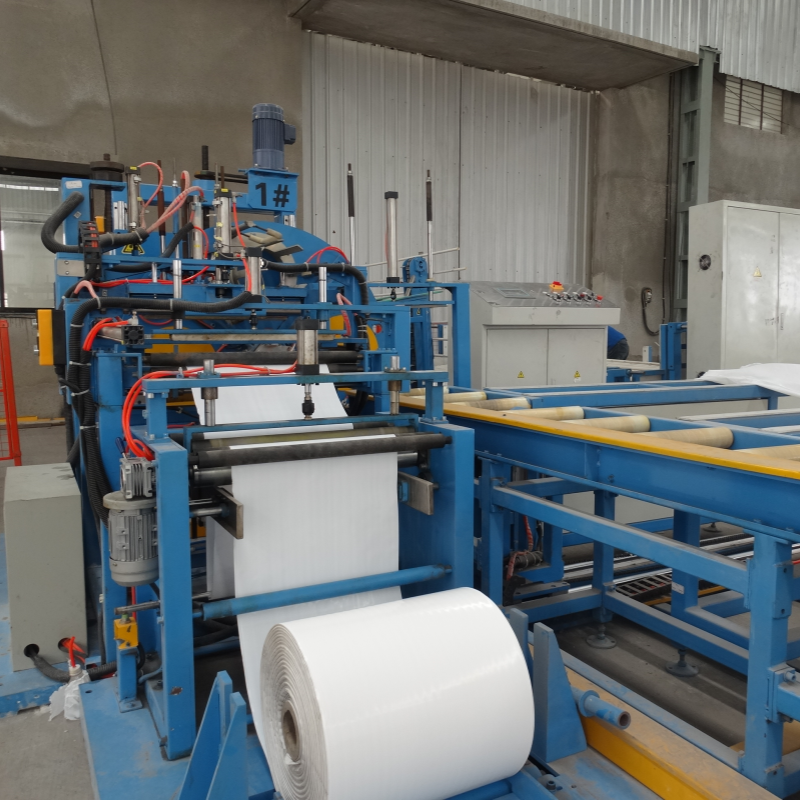
Environmental compatibility in PPR pipe packaging refers to the ability of the packaging to protect PPR pipes from environmental factors such as extreme temperatures, UV radiation, and moisture during storage and transportation. Proper storage guidelines, combined with effective packaging, prevent material degradation, maintain pipe integrity, and ensure long-term performance. Inadequate environmental protection can lead to premature aging, embrittlement, or reduced chemical resistance.
Let’s delve into the key environmental factors and best practices for storage and packaging to safeguard PPR pipes.
4.1 Temperature Considerations
PPR pipes are rated for high-temperature applications, but extreme temperatures during storage can still pose risks. Excessive heat can accelerate degradation processes, while freezing temperatures can make PPR more brittle and susceptible to impact damage.
Temperature Guidelines:
- Avoid Direct Sunlight: Direct sunlight can cause significant temperature increases within packaging, especially dark-colored wraps. Store pipes in shaded areas or under cover.
- Temperature-Controlled Storage: For long-term storage, especially in regions with extreme climates, consider temperature-controlled warehouses to maintain a stable environment.
- Low-Temperature Handling: If handling pipes in freezing temperatures, exercise extra caution to avoid impacts that could cause cracking. Allow pipes to gradually warm up before fusion welding to reduce brittleness.
4.2 UV Exposure Mitigation
Prolonged UV exposure is a known concern for many plastics, including PPR. UV radiation can cause discoloration and surface degradation, potentially reducing the long-term performance of PPR pipes.
UV Protection Strategies:
- UV-Protective Packaging: Utilize packaging materials with UV inhibitors or coatings. Opaque wraps and covers can effectively block UV radiation.
- Indoor Storage: The most effective UV protection is indoor storage. Store PPR pipes inside warehouses or covered areas whenever possible.
- Limited Outdoor Exposure: If outdoor storage is unavoidable, minimize exposure time. Rotate stock to prevent prolonged UV exposure for any single batch of pipes.
- Protective Coatings (if needed): For pipes intended for outdoor installations (after packaging removal), consider UV-resistant coatings or paints, as recommended by the manufacturer.
4.3 Moisture and Humidity Control
While PPR is water-resistant, excessive moisture trapped within packaging can promote mold growth or lead to condensation, potentially affecting labels or packaging integrity. In extremely humid environments, prolonged moisture exposure could theoretically affect certain PPR formulations, although this is less of a concern than temperature or UV.
Moisture Control Measures:
- Dry Storage Areas: Store pipes in dry, well-ventilated areas to minimize humidity buildup.
- Desiccants in Packaging (for sensitive climates): In highly humid climates or for extended storage periods, consider including desiccants within packaging to absorb moisture.
- Waterproof Packaging: Use waterproof or water-resistant packaging materials to protect pipes from rain or moisture ingress during transportation and storage.
4.4 General Storage Best Practices
Beyond specific environmental factors, general good storage practices are essential:
- Proper Stacking and Support: Follow recommended stacking heights and ensure bundles are adequately supported to prevent crushing or deformation.
- Avoid Sharp Objects: Store pipes away from sharp objects or abrasive surfaces that could damage the packaging or the pipes themselves.
- Inventory Management: Implement a FIFO (First-In, First-Out) inventory system to ensure older stock is used first, minimizing prolonged storage times.
By diligently addressing environmental factors and implementing robust storage guidelines, we can ensure PPR pipes remain protected from degradation, maintaining their performance characteristics and compatibility for years to come.
5. Integration Guidelines and Best Practices
Effective integration of PPR pipe packaging into existing systems goes beyond just compatibility; it encompasses handling, installation, and long-term maintenance. Adhering to established guidelines and best practices ensures a smooth transition, minimizes risks, and maximizes the benefits of PPR piping systems.
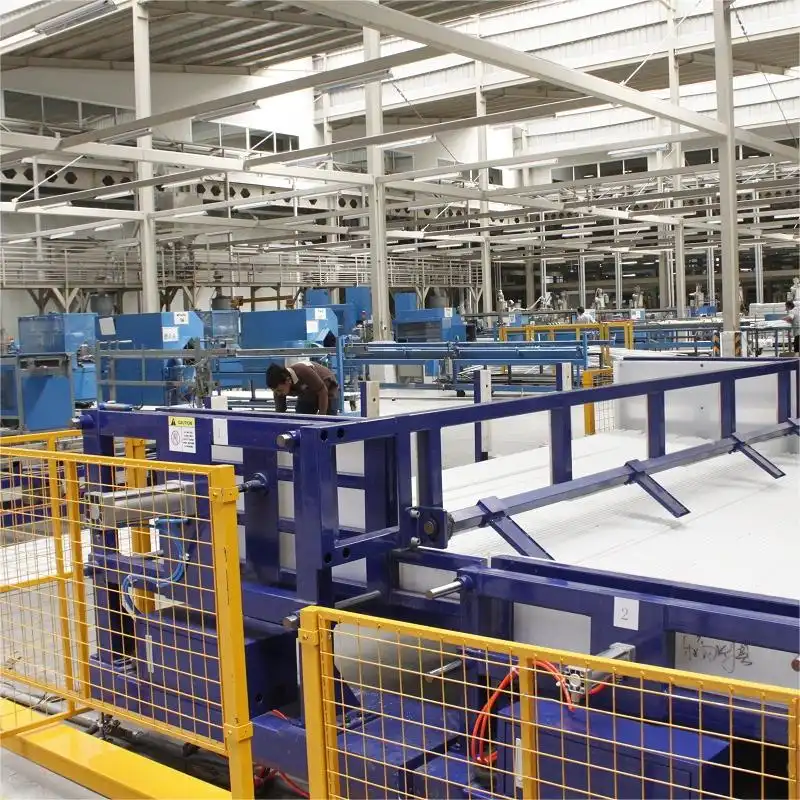
Integrating PPR pipe packaging effectively requires adherence to best practices throughout the supply chain, from manufacturing to installation. This includes proper handling during packaging and transportation, following recommended storage guidelines, ensuring compatibility with existing systems during installation, and implementing appropriate maintenance procedures. These guidelines minimize risks, ensure system longevity, and maximize the benefits of PPR piping.
Let’s explore key integration guidelines and best practices to ensure seamless and successful PPR piping system implementations.
5.1 Handling and Transportation Best Practices
Proper handling and transportation are crucial to prevent damage to PPR pipes and their packaging. Mishandling can lead to dimensional distortions, surface scratches, or even cracks, compromising system integrity.
Handling and Transportation Recommendations:
- Gentle Loading and Unloading: Use appropriate lifting equipment (forklifts, cranes) and trained personnel for loading and unloading. Avoid dropping or dragging pipe bundles.
- Securement During Transport: Ensure pipe bundles are securely fastened during transportation to prevent shifting, rolling, or falling off trucks or containers.
- Protect from Impact: Cushion pipe bundles during transport, especially when moving over rough terrain. Use padding or dunnage to minimize vibrations and impacts.
- Avoid Overloading: Do not overload trucks or storage areas, as excessive weight can crush or deform pipes in lower layers.
- Weather Protection During Transport: If transporting pipes in open trucks, use tarpaulins or covers to protect them from rain, snow, and direct sunlight.
5.2 Installation Compatibility Checks
Before installation, perform compatibility checks to ensure PPR pipes and fittings are suitable for the intended system.
Pre-Installation Checks:
- Dimensional Verification: Re-verify pipe dimensions to ensure they meet specifications and are compatible with fittings and existing system components.
- Material Certification: Confirm that PPR pipes and fittings are certified to relevant standards (e.g., ISO 15874, NSF/ANSI 14) and are of the correct grade for the application.
- Chemical Compatibility Review: Double-check chemical compatibility if the system will transport unusual or aggressive substances.
- Pressure and Temperature Rating: Ensure the pressure and temperature ratings of PPR pipes and fittings are adequate for the system’s operating conditions.
- Fusion Welding Equipment Calibration: Verify that fusion welding equipment is properly calibrated and maintained to ensure reliable jointing.
5.3 Fusion Welding Best Practices
Proper fusion welding is paramount for creating leak-proof and robust PPR pipe joints.
Fusion Welding Guidelines:
- Trained Personnel: Use only trained and certified personnel for fusion welding.
- Cleanliness: Ensure pipes and fittings are clean and free from dirt, grease, or moisture before welding.
- Proper Heating Time and Pressure: Strictly adhere to manufacturer-recommended heating times and pressures for the specific pipe size and SDR rating.
- Visual Inspection: Visually inspect each fusion weld to ensure a proper bead and absence of defects.
- Testing (if required): For critical applications, consider non-destructive testing (e.g., pressure testing) of welds to verify integrity.
5.4 Connecting to Dissimilar Materials
When integrating PPR systems with existing metal or other plastic piping, use appropriate transition fittings and adapters.
Transition Connection Methods:
- Threaded Adapters: Utilize threaded PPR adapters to connect to threaded metal pipes or fittings.
- Flanged Connections: Employ flanged adapters for larger diameter connections to steel or other flanged systems.
- Mechanical Couplings: Consider mechanical couplings designed for joining dissimilar materials, ensuring compatibility with both PPR and the other pipe material.
- Manufacturer Recommendations: Always consult PPR pipe and fitting manufacturers for specific recommendations on connecting to dissimilar materials.
5.5 Long-Term Maintenance and Monitoring
Even with proper installation, long-term maintenance and periodic monitoring are essential for ensuring the continued compatibility and performance of PPR piping systems.
Maintenance Recommendations:
- Regular Inspections: Conduct periodic visual inspections of the piping system, checking for leaks, signs of degradation, or damage.
- Pressure Testing (periodic): Consider periodic pressure testing to verify system integrity, especially in critical applications.
- Water Quality Monitoring: If transporting potable water, monitor water quality to ensure it remains within acceptable parameters and is compatible with PPR.
- Record Keeping: Maintain records of installation, maintenance, and any modifications to the piping system for future reference.
By diligently following these integration guidelines and best practices, we can ensure PPR piping systems are not only compatible with existing infrastructure but also perform reliably and efficiently for their intended lifespan, delivering long-term value and minimizing operational disruptions.
Conclusion
Ensuring compatibility of PPR pipe packaging with existing systems is a multifaceted endeavor. It demands careful attention to material selection, dimensional precision, environmental protection, and adherence to rigorous integration guidelines. By prioritizing these aspects, manufacturers, distributors, and installers can guarantee the integrity and performance of PPR piping systems from factory to field. This comprehensive approach minimizes risks, streamlines installation, and ultimately maximizes the longevity and reliability of PPR solutions in diverse applications. Choosing the right Plastic Pipe Packing Line and following these guidelines are your best steps towards a successful and compatible PPR system.








