
What Are the Benefits of Using Advanced Sensors in PPR Pipe Packaging?
In the realm of PPR (Polypropylene Random Copolymer) pipe manufacturing, precision and efficiency in packaging are paramount. Advanced sensors are now integral, offering real-time data and control that revolutionizes the packaging process. These sensors enhance accuracy, reduce waste, and ensure the integrity of each PPR pipe bundle.
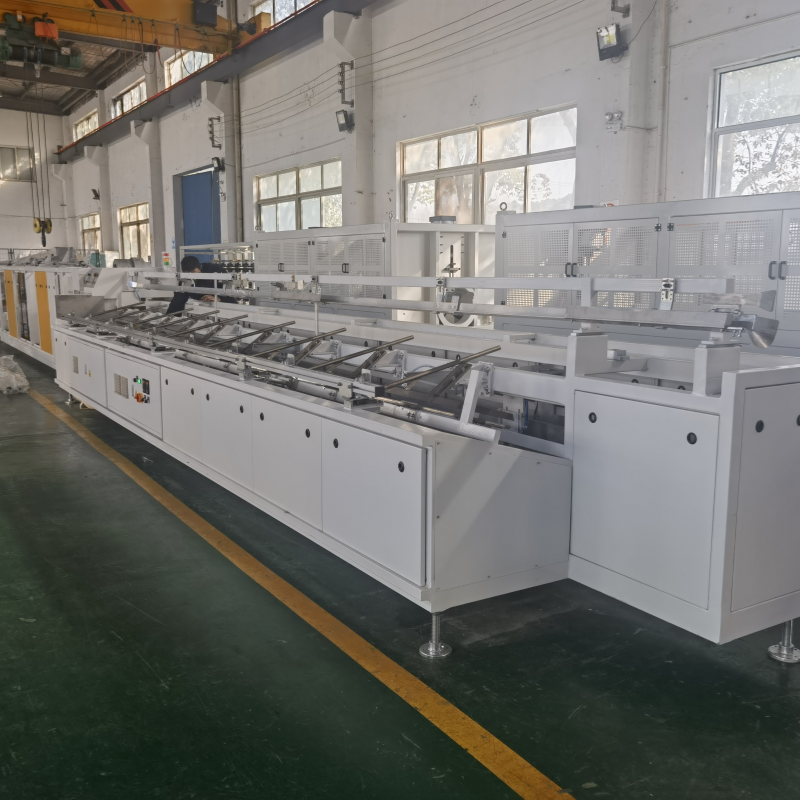
Advanced sensors in PPR pipe packaging significantly boost efficiency and quality. They enable precise measurements of pipe dimensions, bundle counts, and packaging material usage, leading to minimized waste and consistent packaging. These sensors also facilitate real-time monitoring of the packaging process, ensuring each bundle meets stringent quality standards and reducing the likelihood of damage during transit.
Let’s delve into the specific advantages that advanced sensors bring to PPR pipe packaging, exploring how they are reshaping the industry for the better.
1. Enhanced Precision and Accuracy in Packaging
Advanced sensors are revolutionizing the initial stages of PPR pipe packaging by introducing unparalleled precision. These sensors accurately measure pipe length and diameter as they enter the packaging line, ensuring uniformity and minimizing errors from the outset. This initial accuracy is crucial for all subsequent packaging steps.
Advanced sensors guarantee precise PPR pipe measurements, leading to consistent bundle sizes and reduced material waste. By accurately detecting pipe dimensions, these sensors enable automated systems to optimize packaging material usage and bundle formation. This precision results in significant cost savings and improved packaging quality, ensuring each PPR pipe bundle is perfectly prepared for distribution.
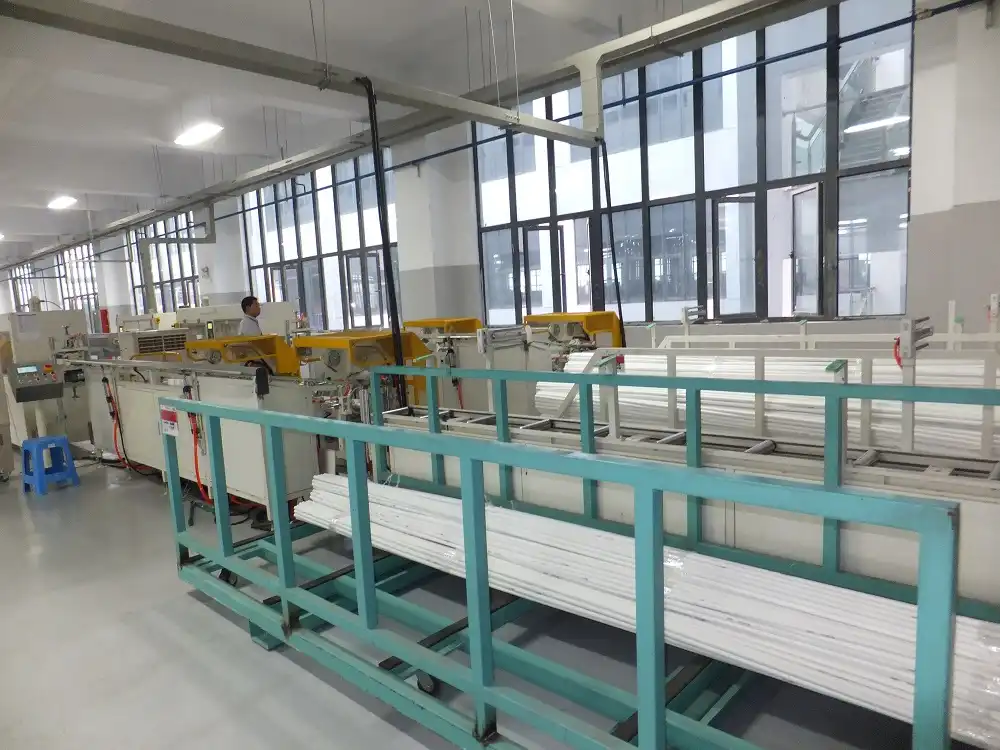
The Role of Sensor Technology in Dimensional Accuracy
Dimensional accuracy in PPR pipe packaging is no longer a manual, error-prone process, thanks to sophisticated sensor technologies. Let’s examine the types of sensors and their specific contributions:
Types of Sensors for Dimensional Measurement
| Sensor Type | Technology | Accuracy Level | Application in PPR Packaging | Benefits |
|---|---|---|---|---|
| Laser Sensors | Time-of-flight, triangulation | Millimeter to Sub-mm | Pipe length, diameter, and bundle height measurement | High precision, non-contact, fast measurement speed |
| Vision Sensors | 2D/3D imaging, pattern recognition | Millimeter to Sub-mm | Pipe counting, bundle shape verification, label placement check | Versatile, detailed inspection, capable of complex shape analysis |
| Ultrasonic Sensors | Time-of-flight of sound waves | Millimeter | Pipe diameter, wall thickness (non-packaging context) | Robust, works in dusty environments, good for diameter measurement |
Impact on Packaging Quality and Material Usage
The integration of these sensors dramatically improves packaging quality and material efficiency:
- Consistent Bundle Size: Precise length and diameter measurements ensure each bundle contains the correct number of pipes and conforms to specified dimensions. This consistency simplifies inventory management and logistics.
- Optimized Material Usage: By accurately measuring bundle dimensions, the system can calculate the exact amount of wrapping film, strapping, or bagging material needed. This reduces waste and lowers packaging costs.
- Reduced Rejects: Early detection of dimensionally non-conforming pipes prevents them from being packaged, minimizing rejects and rework later in the process.
- Enhanced Presentation: Uniformly sized and neatly packaged bundles enhance the professional appearance of the product, improving brand perception.
In conclusion, advanced sensors are not merely incremental improvements; they represent a paradigm shift in achieving dimensional accuracy in PPR pipe packaging. Their ability to provide precise, real-time measurements leads to significant improvements in quality, cost-effectiveness, and overall operational efficiency.
2. Real-Time Monitoring for Quality Assurance
Real-time monitoring is crucial in PPR pipe packaging to ensure consistent quality and immediate issue detection. Advanced sensors continuously track critical parameters during packaging, allowing for instant adjustments and preventing defects. This proactive approach maintains high standards and reduces waste.
Real-time monitoring via advanced sensors ensures that every PPR pipe bundle meets quality benchmarks. Sensors detect anomalies such as incorrect bundling, loose straps, or damaged packaging film as they occur. Immediate alerts and automated corrections minimize errors, guaranteeing high-quality, secure packaging for every PPR pipe product, enhancing customer satisfaction and reducing potential damage during transit.
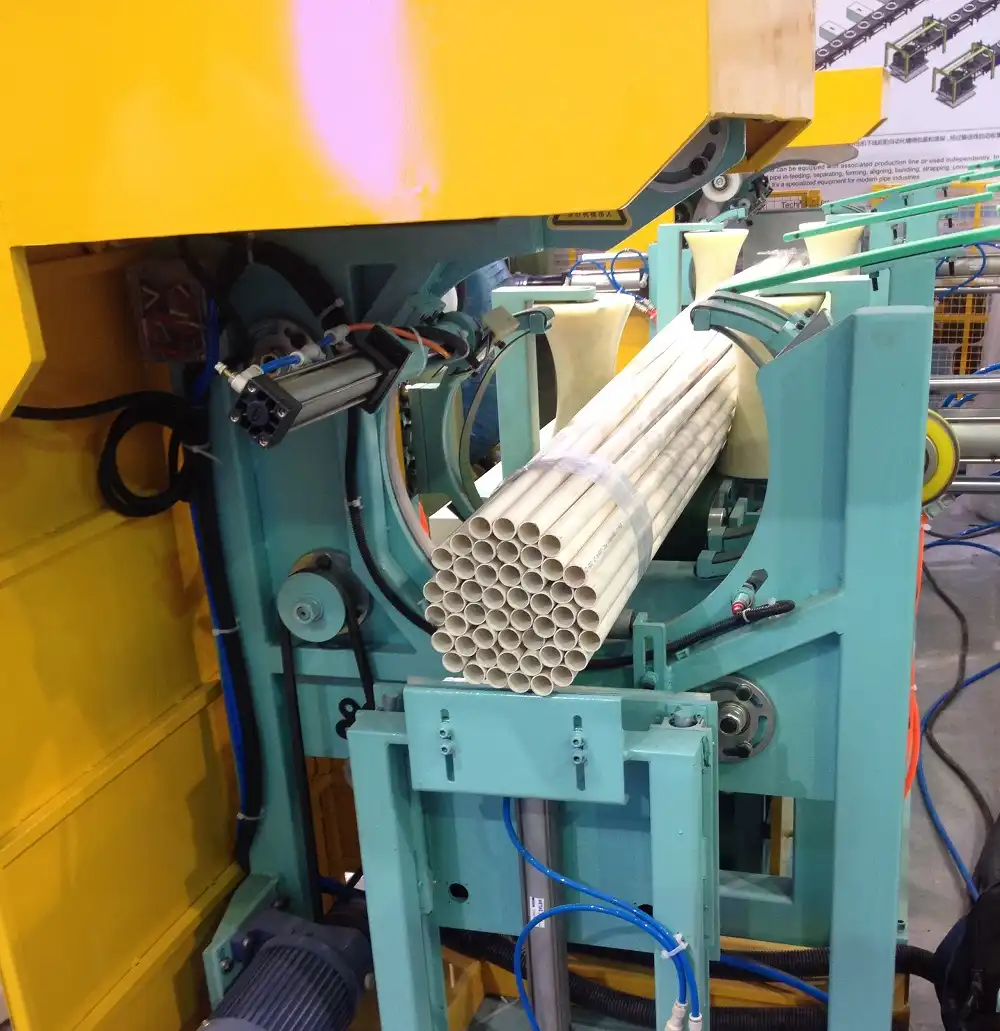
Enhancing Quality Control Through Sensor Integration
The integration of sensors into PPR pipe packaging lines provides a robust quality control system. This system goes beyond simple detection to offer proactive prevention and continuous improvement.
Key Sensor Applications in Quality Monitoring
- Tension Sensors on Strapping Units: Monitor the tension of strapping material to ensure bundles are securely fastened but not over-tightened, preventing damage to pipes.
- Film Thickness Sensors: Verify the thickness of wrapping film to ensure adequate protection against environmental factors and physical damage during transit.
- Pressure Sensors in Pneumatic Systems: Monitor air pressure in pneumatic cylinders used for sealing and handling, ensuring consistent and reliable operation of packaging machinery.
- Proximity Sensors for Bundle Alignment: Confirm correct alignment of pipes within bundles and bundles on conveyors, preventing misaligned or unstable packaging.
- Temperature Sensors in Heat Sealing Units: Maintain optimal heat sealing temperatures for bagging or wrapping films, ensuring strong and reliable seals.
Data-Driven Quality Improvements
The data collected by these sensors is invaluable for continuous process improvement:
- Defect Trend Analysis: Real-time data logging allows for the analysis of defect patterns, identifying recurring issues and their root causes. This enables targeted improvements to machinery or processes.
- Predictive Maintenance: Sensor data can be used to predict potential equipment failures by monitoring parameters like motor vibration, temperature fluctuations, or pressure inconsistencies. This allows for proactive maintenance, reducing downtime and ensuring consistent packaging quality.
- Performance Benchmarking: Data from sensors can be used to benchmark packaging line performance against industry standards or internal targets. This helps identify areas for optimization and track the effectiveness of implemented improvements.
- Automated Reporting and Alerts: Sensor systems can generate automated reports on packaging quality metrics and send alerts when deviations from acceptable ranges are detected. This ensures timely intervention and minimizes the impact of quality issues.
By leveraging real-time monitoring and data analysis facilitated by advanced sensors, PPR pipe manufacturers can achieve superior quality control, reduce waste, and continuously refine their packaging processes for optimal efficiency and product integrity.
3. Waste Reduction and Material Optimization
Minimizing waste and optimizing material usage are critical for sustainable and cost-effective PPR pipe packaging. Advanced sensors play a pivotal role in achieving these goals by precisely controlling material application and reducing packaging errors. This leads to significant savings and environmental benefits.
Advanced sensors in PPR pipe packaging directly contribute to waste reduction by optimizing material usage. By precisely measuring bundle dimensions and controlling film application, sensors minimize excess packaging material. Reduced material consumption lowers operational costs and aligns with sustainability initiatives, making PPR pipe packaging more environmentally responsible and economically efficient.
Strategies for Waste Reduction and Material Efficiency
Advanced sensors enable several key strategies for minimizing waste and optimizing material use in PPR pipe packaging. These strategies not only reduce costs but also enhance the sustainability of operations.
Sensor-Driven Material Optimization Techniques
- Dynamic Film Length Adjustment: Sensors measure the exact dimensions of each PPR pipe bundle, and the system dynamically adjusts the length of wrapping film dispensed. This eliminates over-wrapping and reduces film waste significantly.
- Precise Strapping Length Control: Similar to film adjustment, sensors control the exact length of strapping material used per bundle. This ensures secure bundling without excessive strap usage.
- Automated Bag Size Selection: For bagged packaging, sensors identify bundle sizes, and the system automatically selects the smallest appropriate bag size from a range. This minimizes bag material waste.
- Edge Guide Sensors for Film Alignment: Sensors ensure precise alignment of wrapping film during application, preventing film wastage due to misalignment or tears.
- Leak Detection in Pneumatic Systems: Pressure sensors monitor pneumatic systems for leaks, reducing energy waste and ensuring efficient operation of packaging machinery.
Economic and Environmental Benefits of Waste Reduction
The impact of waste reduction through sensor integration is substantial:
| Benefit Category | Specific Impact | Quantifiable Advantage |
|---|---|---|
| Cost Savings | Reduced material consumption (film, straps, bags) | 15-30% reduction in packaging material costs |
| Lower waste disposal costs | Significant decrease in landfill fees and potential recycling revenue | |
| Reduced energy consumption (less material to produce and transport) | Lower utility bills and reduced carbon footprint | |
| Environmental | Decreased plastic and material waste | Less environmental pollution and resource depletion |
| Lower carbon footprint from material production and disposal | Contribution to corporate sustainability goals and improved environmental image | |
| Enhanced resource efficiency | Sustainable use of raw materials and promotion of circular economy principles | |
| Operational | Reduced downtime due to material shortages | Improved production continuity and efficiency |
| Less frequent material replenishment and changeovers | Increased throughput and reduced labor for material handling |
By implementing these sensor-driven waste reduction techniques, PPR pipe manufacturers can achieve significant economic savings, enhance their environmental stewardship, and improve overall operational efficiency. These benefits make advanced sensors a crucial investment for sustainable and profitable PPR pipe packaging.
4. Enhanced Operational Efficiency and Automation
Advanced sensors are key enablers of automation in PPR pipe packaging, leading to significant improvements in operational efficiency. By automating tasks and providing real-time data, sensors reduce manual intervention, speed up processes, and minimize downtime. This results in higher throughput and lower labor costs.
Integrating advanced sensors into PPR pipe packaging machinery streamlines operations and minimizes human involvement. Automation driven by sensors accelerates packaging cycles and reduces manual labor. This leads to increased production rates, lower operational costs, and a more consistent and reliable packaging process, ultimately enhancing the competitiveness of PPR pipe manufacturers in the market.
Driving Automation and Efficiency with Sensor Technology
The incorporation of advanced sensors is fundamental to achieving higher levels of automation and efficiency in PPR pipe packaging. Sensors act as the eyes and ears of automated systems, providing the necessary feedback for intelligent control and optimization.
Automation Capabilities Enabled by Sensors
- Automated Pipe Feeding and Alignment: Sensors detect the presence and position of pipes, automatically guiding them into the packaging line and ensuring proper alignment for bundling and wrapping.
- Robotic Bundle Handling: Robots equipped with sensors can precisely pick, place, and stack PPR pipe bundles, automating material handling and reducing manual labor.
- Self-Adjusting Packaging Parameters: Sensor data on pipe dimensions and bundle characteristics allows the system to automatically adjust packaging parameters like film length, strapping tension, and sealing temperature, optimizing each cycle without manual intervention.
- Automated Fault Detection and Correction: Sensors continuously monitor the packaging process, automatically detecting and correcting minor faults like misaligned film or loose straps. Major faults trigger alerts for operator intervention.
- Remote Monitoring and Control: Sensor data can be accessed remotely, allowing operators to monitor packaging line performance from a central control room and make adjustments as needed, minimizing the need for on-site supervision.
Impact on Operational Efficiency Metrics
The improvements in operational efficiency due to sensor-driven automation are reflected in key performance indicators:
- Increased Throughput: Automation speeds up packaging cycles and reduces changeover times, leading to higher production volumes.
- Reduced Labor Costs: Automation minimizes the need for manual labor in packaging tasks, lowering wage expenses and reducing the risk of human error.
- Minimized Downtime: Predictive maintenance based on sensor data and automated fault correction reduces unplanned downtime, maximizing production uptime.
- Faster Changeovers: Automated systems can quickly adjust to different pipe sizes and packaging configurations, reducing changeover times and improving production flexibility.
- Improved Consistency: Automation ensures consistent packaging quality and process execution, reducing variability and improving product reliability.
By leveraging advanced sensors to drive automation, PPR pipe manufacturers can achieve significant gains in operational efficiency, reduce costs, and improve their ability to meet increasing market demands. These advantages underscore the strategic importance of sensor technology in modern PPR pipe packaging operations.
Conclusion
Advanced sensors are indispensable for modern PPR pipe packaging, offering significant benefits across precision, quality, waste reduction, and operational efficiency. Their integration leads to enhanced accuracy in measurements, real-time quality monitoring, optimized material usage, and increased automation. Embracing these sensor technologies allows PPR pipe manufacturers to achieve superior packaging quality, reduce costs, and enhance sustainability, securing a competitive edge in the market. As technology evolves, the role of advanced sensors will only become more critical in driving innovation and excellence in PPR pipe packaging and beyond in Collection.








