
1. How to Enhance the Durability of PPR Pipes During Transportation?
Ensuring the durability of PPR pipes during transportation is critical to maintain their integrity and performance. Damage during transit can compromise pipe strength and longevity, leading to costly replacements and project delays. Implementing careful handling and protective measures is essential.
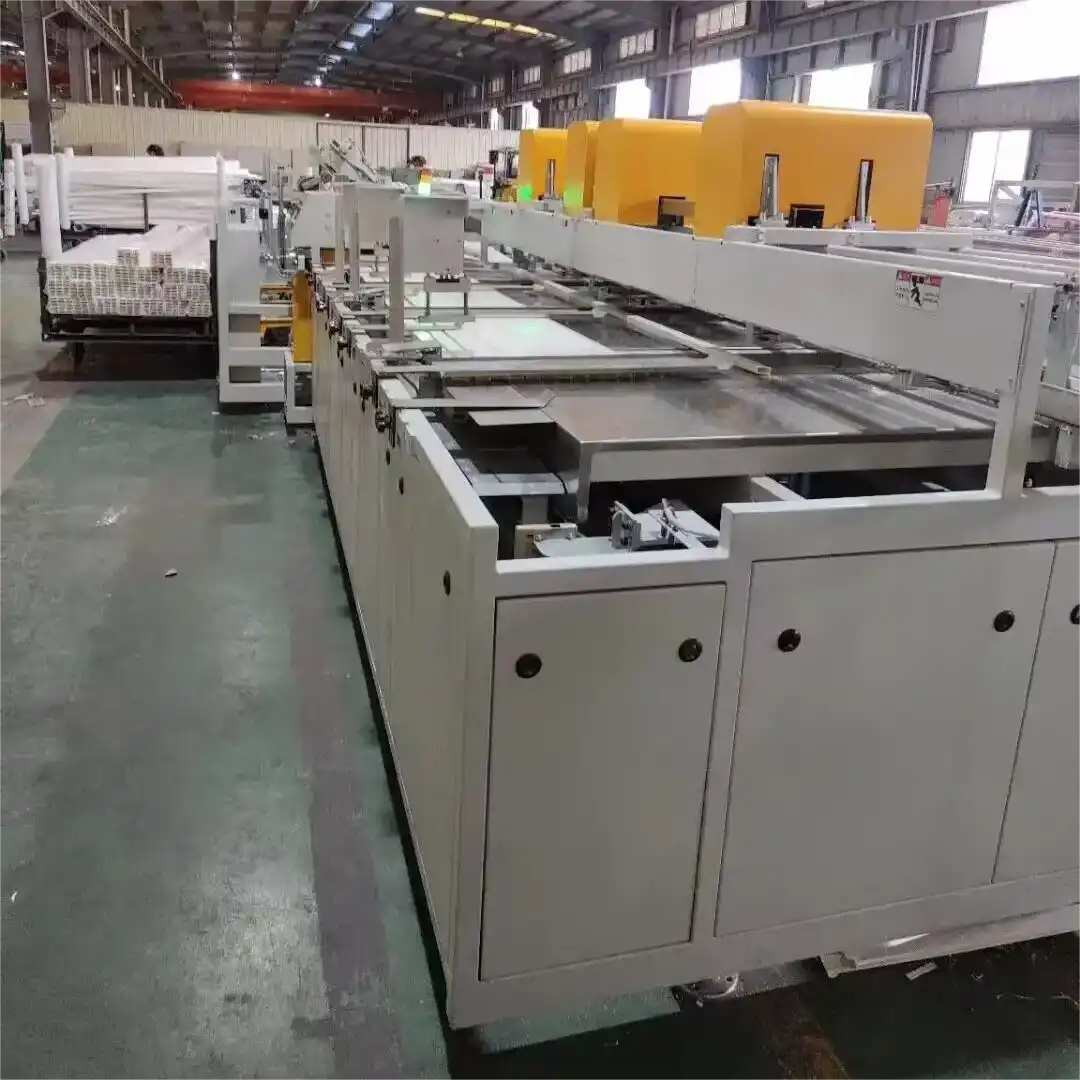
The journey of PPR pipes from manufacturing to installation sites is fraught with potential hazards. Let’s delve into the best practices to safeguard these essential components.
2. Implement Proper Handling Techniques
The initial stage of ensuring PPR pipe durability during transportation begins with meticulous handling. Incorrect handling can lead to immediate damage or latent weaknesses that surface later. Adopting best practices from the outset is paramount.
Proper handling of PPR pipes involves manual lifting techniques that minimize stress, using appropriate equipment for larger bundles, and ensuring careful loading and unloading. Training personnel in safe lifting and carrying methods, along with using straps and slings correctly, prevents physical damage such as cracks, dents, and deformations. Gentle handling at every stage preserves the pipe’s structural integrity.
Implementing these techniques consistently requires a detailed understanding of potential risks and proactive measures to mitigate them.
2.1 Manual Lifting and Carrying Best Practices
For smaller quantities or individual PPR pipes, manual handling is often necessary. However, even seemingly simple tasks can pose risks if not performed correctly.
| Best Practice | Description | Benefit |
|---|---|---|
| Team Lifting for Heavy Loads | For bundles or multiple pipes, employ a team to distribute weight evenly. | Reduces strain on individuals and the risk of dropping or mishandling pipes. |
| Proper Lifting Posture | Lift with legs, keeping the back straight to avoid strain and potential injury. | Prevents worker injuries and ensures controlled movement of pipes. |
| Use of Gloves | Wear gloves with good grip to secure hold and prevent slippage. | Enhances grip, protects hands, and reduces the chance of dropping pipes. |
| Clear Pathways | Ensure pathways are clear of obstacles to prevent trips and accidental drops. | Minimizes accidents and ensures smooth movement during manual transport. |
These practices, when consistently applied, significantly reduce the incidence of handling-related damage to PPR pipes. It is essential to train personnel regularly and reinforce these procedures to maintain a high standard of care in manual handling operations.
3. Secure Pipes During Transit
Once PPR pipes are loaded onto transport vehicles, securing them properly becomes crucial. Movement during transit, especially on uneven roads or during sudden stops, can cause abrasion, impact damage, and even pipe breakage.
Securing PPR pipes for transit necessitates using appropriate restraints such as straps, belts, and dunnage to prevent shifting and vibration. Pipes should be arranged to distribute weight evenly across the vehicle bed, and cushioning materials should be used to minimize direct contact between pipes and vehicle surfaces. Regular checks during long journeys ensure continued security and prevent damage from motion.
Effective securing strategies are not just about preventing immediate damage but also about maintaining the long-term performance of the PPR pipe transportation.
3.1 Advanced Securing Methods and Materials
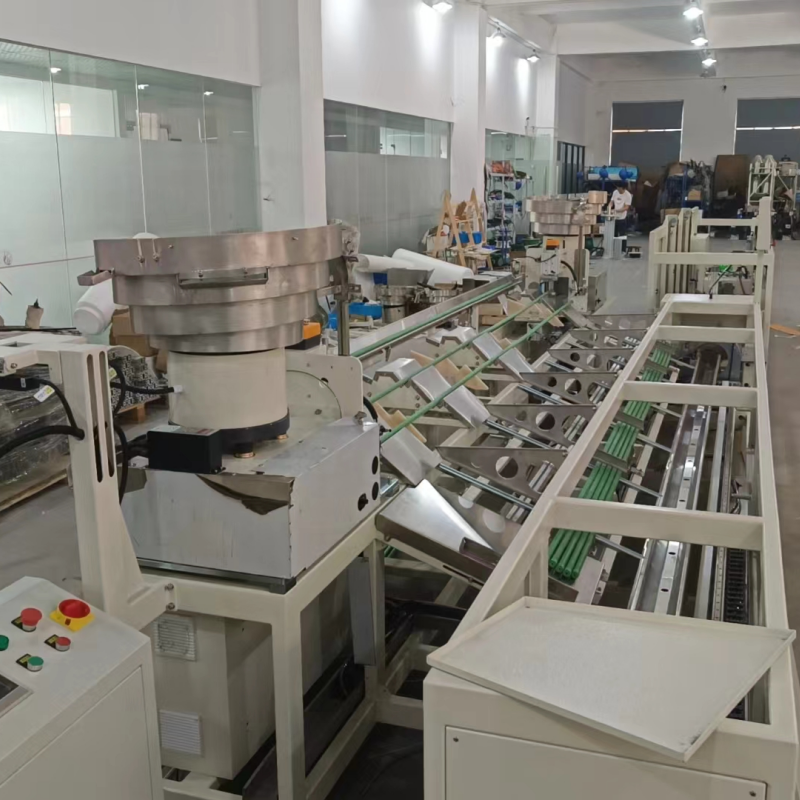
- Bundling and Strapping: Pipes should be bundled together to create a more stable unit. High-quality straps, preferably non-metallic to avoid scratching, should be used to secure bundles. Straps should be tightened adequately but not excessively to prevent deformation.
- Dunnage and Spacers: Placing dunnage (wooden blocks or durable plastic spacers) between layers of pipes and between pipes and the vehicle bed helps distribute weight and prevent direct abrasion. Materials like rubber or felt pads can further cushion contact points.
- Vehicle Selection: Choosing vehicles with air-ride suspension can significantly reduce vibrations during transport. For long distances or rough terrains, enclosed trailers offer better protection from environmental factors and physical impacts compared to flatbed trucks.
- Load Distribution Planning: Proper load distribution ensures that weight is evenly spread across the vehicle axles, preventing excessive stress on any single point. Heavier bundles should be placed at the bottom, and lighter ones on top to enhance stability.
By adopting these advanced securing methods, the risk of transit-related damage is substantially reduced, ensuring PPR pipes arrive at their destination in optimal condition.
4. Protect Against Environmental Factors
Environmental elements pose a significant threat to the durability of PPR pipes during transportation. Extreme temperatures, direct sunlight (UV radiation), and moisture can all degrade the pipe material if left unprotected.
Protecting PPR pipes from environmental factors during transportation involves using covers or enclosed vehicles to shield them from direct sunlight and extreme temperatures. In hot climates, ventilation can prevent heat buildup, while in cold conditions, insulation can prevent brittleness. Waterproof wraps or storage can prevent moisture damage, especially during rainy weather or sea transport. These precautions are essential to maintain material integrity.
Ignoring environmental safeguards can lead to premature degradation and reduced lifespan of PPR pipes even before installation.
4.1 Temperature and UV Radiation Mitigation

| Environmental Factor | Mitigation Strategy | Benefit |
|---|---|---|
| High Temperature | Use ventilated covers or transport during cooler times. | Prevents softening or deformation of pipes due to heat buildup. |
| Low Temperature | Insulate pipe bundles, especially in freezing conditions. | Avoids brittleness and cracking of PPR material at low temperatures. |
| UV Radiation | Use UV-resistant covers or opaque wraps. | Prevents UV degradation, which can lead to surface cracking and reduced strength. |
4.2 Moisture and Chemical Exposure Prevention
Moisture can lead to surface degradation or promote the growth of mold if pipes are stored in damp conditions for extended periods. Chemical exposure, though less common during transit, is still a potential risk, especially if transported alongside other materials.
- Waterproof Packaging: Using waterproof wraps or storing pipes in sealed containers protects them from rain, snow, and humidity during transit. Desiccants can be added inside packaging for long sea voyages to absorb moisture.
- Chemical Isolation: Ensure PPR pipes are not transported with incompatible chemicals that could leak or emit fumes. If chemical exposure is a risk, use chemically inert protective layers.
- Proper Storage Conditions: At temporary storage locations during transit, choose dry, well-ventilated areas away from direct ground contact. Using pallets for storage elevates pipes and prevents moisture absorption from the ground.
These protective measures ensure that PPR pipes are shielded from harmful environmental influences throughout their transportation journey.
5. Conclusion
Durability during transportation is not just an added benefit—it’s a fundamental requirement for ensuring the long-term performance of PPR piping systems. By implementing proper handling techniques, securing pipes effectively during transit, and rigorously protecting them from environmental factors, stakeholders can significantly minimize damage and uphold the quality of PPR pipes from factory to installation site. These proactive measures translate to reduced material waste, lower project costs, and, most importantly, reliable and long-lasting plumbing infrastructure. Investing in these best practices is an investment in the overall success and sustainability of PPR pipe applications.








