
What Are the Benefits of Pipe Bundling Machines in Reducing Inventory Costs?
Pipe bundling machines offer a streamlined solution for managing and minimizing inventory expenses. These machines automate the packaging process, leading to significant cost savings. By optimizing space and reducing material waste, manufacturers can see a direct impact on their bottom line.
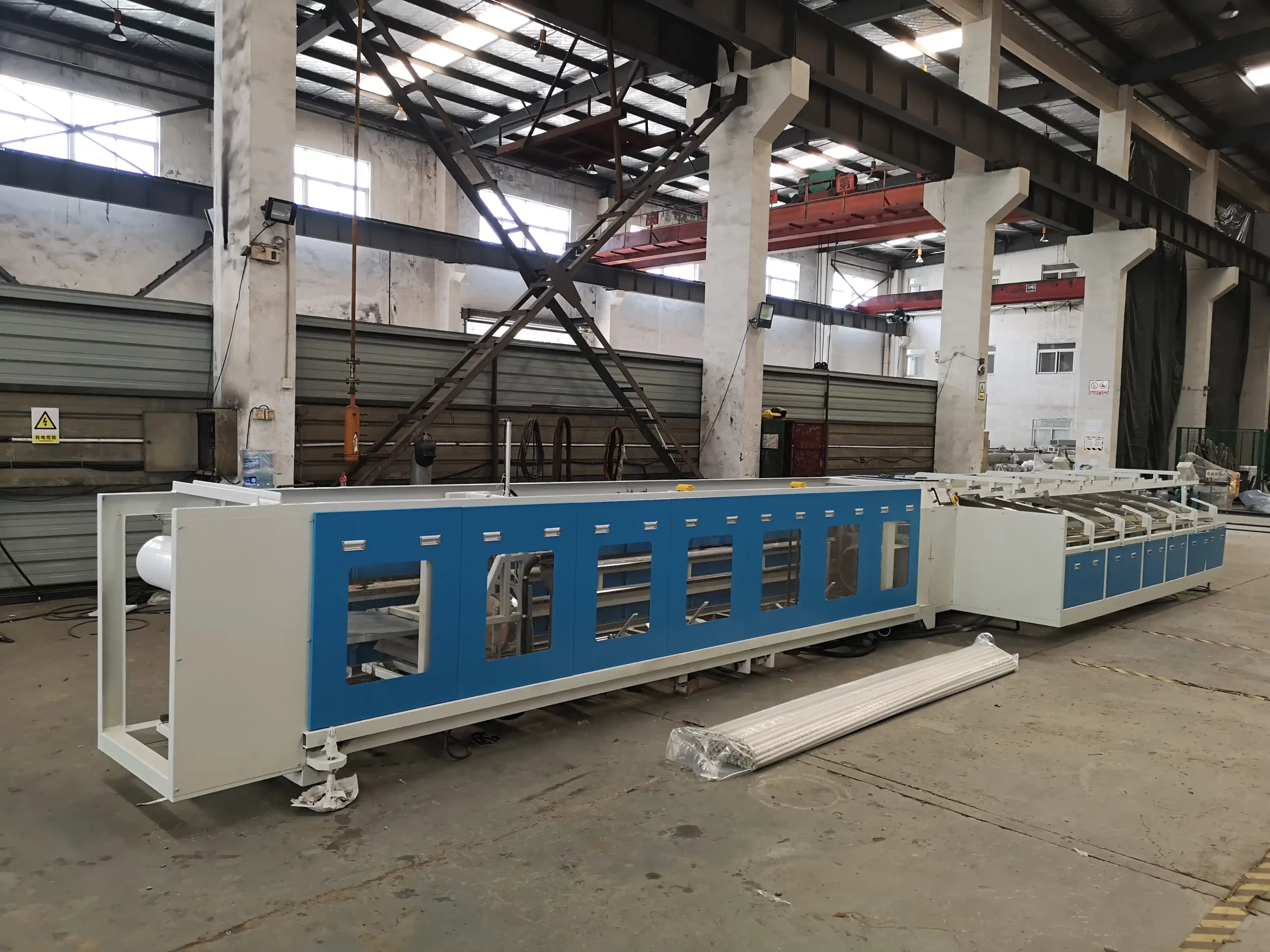
Pipe bundling machines drastically reduce inventory costs by automating the packaging process, optimizing storage space, and minimizing material waste. Automated bundling ensures consistent packaging, reduces damage during handling and transit, speeds up throughput, and ultimately lowers operational costs, leading to improved pipe packaging efficiency and streamlined inventory management.
This article explores the myriad ways in which pipe bundling machines contribute to substantial inventory cost reductions, and will show you how the benefits extend far beyond just the packaging process.
Streamlining Operations and Reducing Labor Costs with Automated Bundling
Automated bundling systems transform manufacturing floors by minimizing the need for manual intervention. These machines automate repetitive tasks, leading to reduced operational expenses and improved efficiency, freeing up valuable human resources.
Automated pipe bundling systems substantially cut labor costs by automating the bundling process. Replacing manual labor with automated systems reduces the need for large teams, minimizes labor-related expenses, and allows reallocation of the workforce to higher-value tasks. This leads to significant operational savings and improved efficiency.

Quantifiable Labor Cost Savings Through Automation: A Detailed Look
The primary benefit of pipe bundling machines lies in the direct reduction of labor costs. Manual bundling is a time-consuming and labor-intensive process, often requiring a significant workforce. Automating this process with bundling machines offers substantial savings across several key areas, as demonstrated in the table below. However, a deeper analysis reveals the nuances often overlooked. For instance, the cost of employee turnover in manual bundling roles can be surprisingly high due to the physically demanding nature of the work. Automation not only reduces direct labor costs but also mitigates these hidden expenses associated with recruitment and retraining.
Consider the ergonomic benefits as well. Manual bundling can lead to repetitive strain injuries, resulting in workers’ compensation claims and lost productivity. By automating the process, manufacturers can create a safer work environment and reduce these indirect costs.
Furthermore, automation allows for better workforce planning and utilization. Instead of relying on a large team of manual laborers, companies can allocate their employees to higher-value tasks that require specialized skills and expertise. This leads to a more efficient and productive workforce overall.
In addition, the accuracy and consistency of automated bundling reduce errors and rework, further contributing to cost savings. Manual bundling is prone to human error, which can result in improperly bundled pipes that need to be reprocessed. Automation eliminates this risk, ensuring that every bundle meets the required specifications.
Finally, the scalability of automated bundling systems allows manufacturers to easily increase production capacity without adding significant labor costs. This is particularly important for companies experiencing rapid growth or seasonal fluctuations in demand.
| Cost Factor | Manual Bundling | Automated Bundling | Cost Reduction Potential |
|---|---|---|---|
| Labor Wages | High – Requires multiple workers | Low – Minimal operator supervision | 60-80% |
| Benefits & Insurance | Higher costs for larger workforce | Lower costs due to reduced workforce | Proportional to Wage Savings |
| Training Costs | Continuous training for bagging teams | Reduced training needs | 40-60% |
| Error Rate | Higher – Human error prone | Lower – Consistent automation | 70-90% |
| Throughput | Lower – Limited by manual pace | Higher – Consistent machine speed | 100-300% |
Optimizing Warehouse Space and Reducing Storage Costs
Efficient utilization of warehouse space is crucial for minimizing inventory costs. Pipe bundling machines contribute significantly to space optimization by creating consistently sized and tightly packed bundles, maximizing storage density and reducing the overall footprint.
Pipe bundling machines optimize warehouse space by creating uniform and compact pipe bundles. Consistent sizing allows for denser storage configurations, maximizing vertical and horizontal space utilization, reducing the overall warehouse footprint needed, and lowering storage-related costs like rent, utilities, and handling.
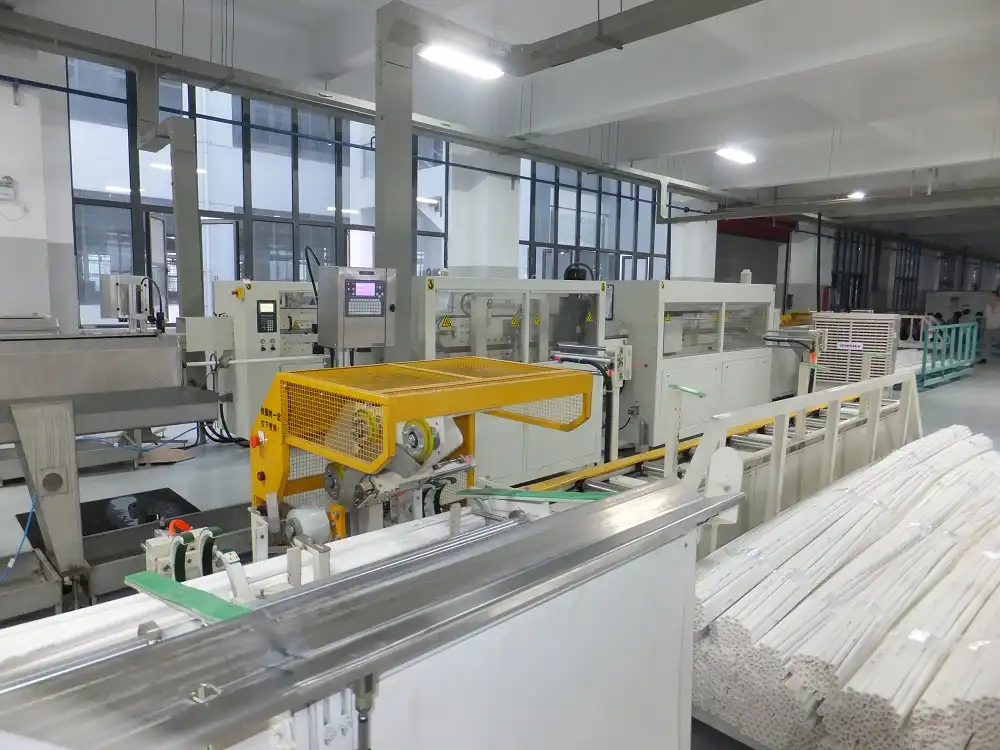
Space Efficiency and Cost Savings: A Technical Examination
The consistent bundle dimensions achieved through automated bundling directly translate to a smaller storage footprint. This reduction in space requirement leads to proportional savings in warehouse rent or lease costs. Furthermore, a smaller storage area requires less energy for lighting, heating, and cooling, contributing to reduced utility expenses.
To delve deeper into the technical aspects of space optimization, it’s essential to consider the stacking efficiency achieved with uniform bundles. Manual bundling often results in irregularly shaped bundles that are difficult to stack securely, leading to wasted vertical space and potential safety hazards. Automated bundling, on the other hand, produces consistently shaped bundles that can be stacked neatly and efficiently, maximizing the use of available vertical space.
Moreover, automated bundling enables the implementation of advanced warehouse management systems (WMS) that optimize storage allocation and retrieval processes. These systems utilize algorithms to determine the most efficient storage locations for different types of pipes, taking into account factors such as size, weight, and frequency of retrieval. By integrating bundling machines with a WMS, manufacturers can further streamline their inventory management operations and reduce storage costs.
In addition, the use of automated guided vehicles (AGVs) and automated storage and retrieval systems (AS/RS) can be further enhanced with uniformly bundled pipes. AGVs and AS/RS rely on precise dimensions and consistent shapes to efficiently move and store materials within the warehouse. Automated bundling ensures that the pipes are compatible with these automated systems, maximizing their efficiency and reducing the need for manual intervention.
Minimizing Product Damage and Reducing Material Waste
Damage during handling and storage leads to significant losses in the pipe manufacturing industry. Pipe bundling machines are designed to provide secure and protective packaging, minimizing the risk of damage and consequently reducing material waste.
Pipe bundling machines minimize product damage by providing secure and consistent packaging. This reduces damage during handling and transit, lowering the number of rejected or returned products, and minimizing material waste from both damaged pipes and packaging materials, contributing to significant cost savings and improved sustainability.
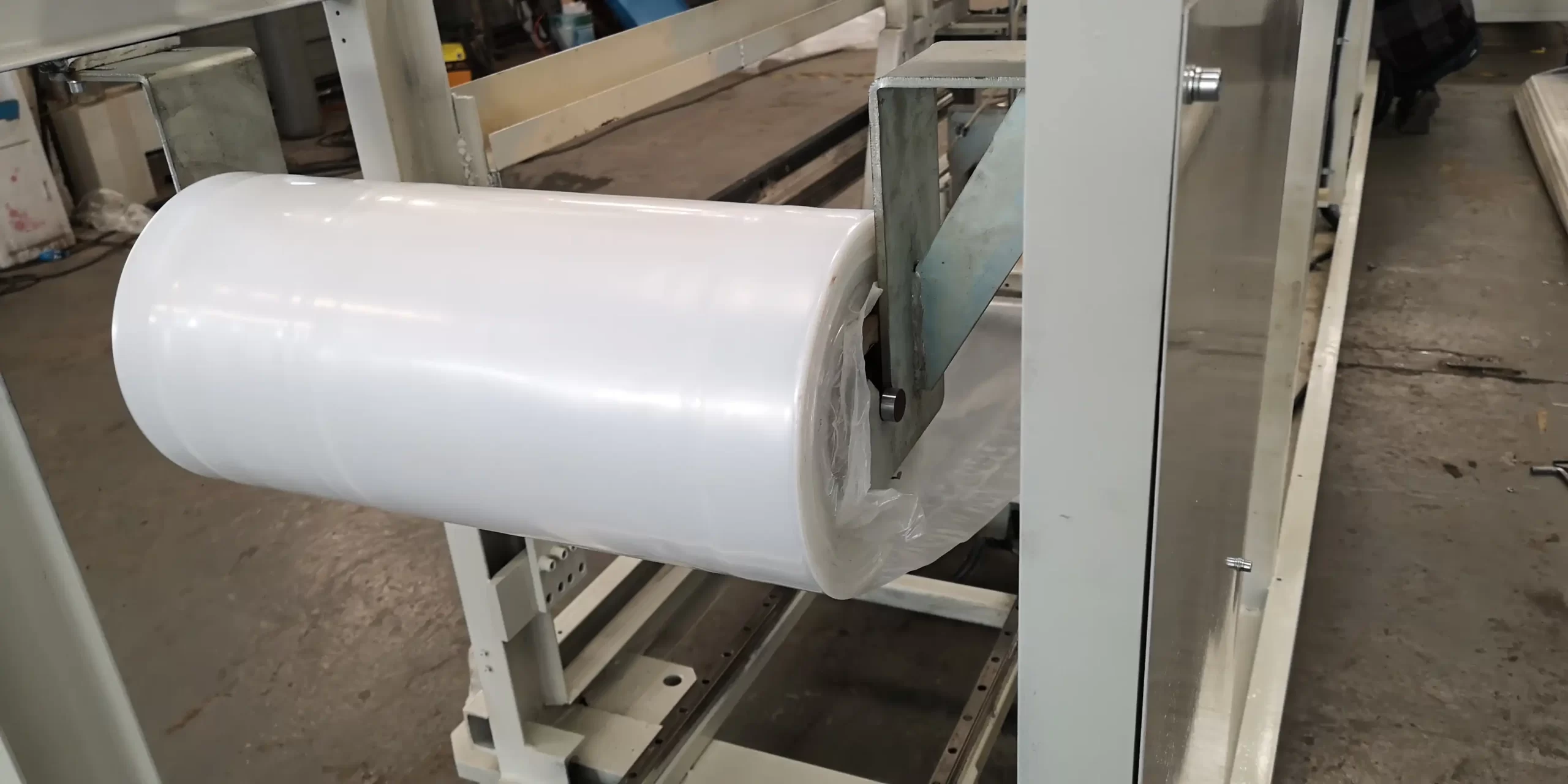
Damage Reduction and Waste Minimization Strategies: A Structured Approach
To understand the effectiveness of pipe bundling machines in reducing damage and waste, it is crucial to analyze the specific factors involved and their impact on overall operations. The following table provides a structured overview of these strategies:
| Factor | Manual Packaging | Automated Bundling | Damage/Waste Reduction |
|---|---|---|---|
| Bundle Security | Less secure, inconsistent tying | Tighter, consistent wrapping | 30-50% |
| Protection from Elements | Less protection, open bundles | Full enclosure, weather protection | 20-40% |
| Handling Damage | Higher risk during manual handling | Reduced handling, stable bundles | 40-60% |
| Packaging Material Waste | Higher – Inconsistent usage | Lower – Optimized material use | 15-30% |
| Product Rejection Rate | Higher – Damage during handling | Lower – Protective packaging | 20-35% |
Further, consider the material properties of the bundling film itself. High-quality films offer superior tear resistance and puncture resistance, providing added protection against damage during handling and transit. The use of UV-resistant films can also protect pipes from degradation due to prolonged exposure to sunlight, further extending their shelf life and reducing waste.
In addition, automated bundling systems can be equipped with sensors and quality control mechanisms to detect and reject damaged or defective pipes before they are packaged. This prevents the packaging of substandard products, reducing the risk of returns and customer dissatisfaction.
Enhancing Operational Efficiency for Cost Savings
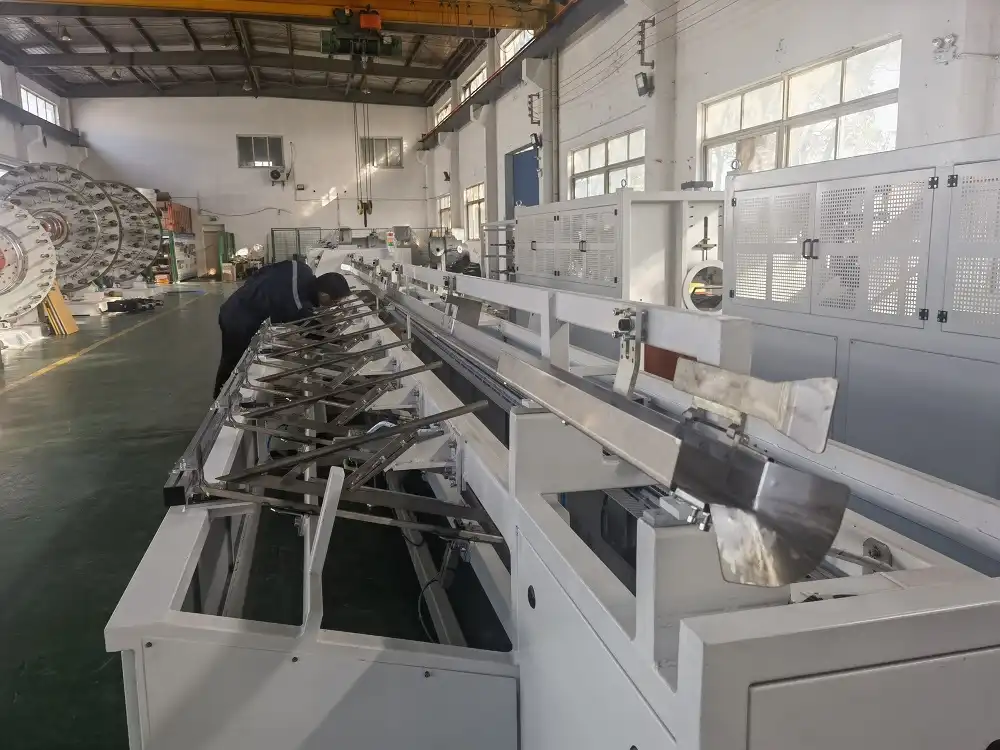
PVC pipe bundling machines are designed for high-speed operation, significantly increasing packaging throughput compared to manual methods.
PVC pipe bundling machines dramatically improve throughput and operational efficiency in pipe manufacturing. Automated bundling can speed up the production process and contributes to substantial operational cost savings by optimizing resource utilization and reducing bottlenecks.
Automated bundling systems offer a step change in throughput compared to manual processes.
-
Manual bagging is inherently limited by human speed and fatigue, leading to slower packaging rates and potential bottlenecks.
-
Bagging machines, on the other hand, operate at consistent high speeds, drastically increasing the number of bundles packaged per hour.
This enhanced throughput translates to several operational benefits and cost savings:Efficiency Metric
Here’s a further breakdown of efficiency gains from automated bundling:
-
Reduced Bottlenecks: Manual bundling often creates bottlenecks in the production line, slowing down the overall process. Automated systems eliminate these bottlenecks, ensuring a smooth and continuous flow of materials.
-
Optimized Resource Utilization: With automated bundling, resources are utilized more efficiently, minimizing idle time and maximizing productivity. This leads to lower per-unit production costs and improved profitability.
-
Faster Order Fulfillment: The increased throughput and streamlined operations enable faster order fulfillment, allowing manufacturers to respond quickly to market demands and customer needs.
Automation doesn’t just improve speed; it enhances precision. Consistent bundling leads to better inventory tracking and reduced errors in order processing, minimizing discrepancies and improving customer satisfaction.
Moreover, consider the integration of automated bundling systems with other aspects of the manufacturing process. For example, linking the bundling machine to an automated conveyor system can further streamline the flow of materials, reducing the need for manual handling and minimizing the risk of damage.
In addition, real-time data collection and analysis can be used to monitor the performance of the bundling machine and identify areas for improvement. This data-driven approach allows manufacturers to continuously optimize their operations and maximize efficiency.
By implementing these strategies, manufacturers can unlock the full potential of automated bundling systems and achieve significant cost savings and operational improvements.
Manual Bagging Packaging Speed (Lower – Limited by manual pace) Throughput Capacity (Lower – Bottlenecks in packaging) Production Cycle Time (Longer – Packaging slows process) Resource Utilization (Less efficient, potential idle time) Per-Unit Cost (Higher – Labor intensive) Automated Bagging Higher – Consistent machine speed Higher – Streamlined packaging flow Shorter – Faster packaging integrates Optimized, continuous operation Lower – Automation reduces unit cost
Conclusion
Pipe bundling machines offer a compelling solution for reducing inventory costs and enhancing operational efficiency. By automating the packaging process, these machines deliver benefits across operations. The ROI and sustained advantages make them a sound investment. Adopting automated bagging systems is a step toward a more efficient, cost-effective, and sustainable future for pipe production.








