
How to Optimize Pipe Bundling Machine Performance for Variable Pipe Weights?
Optimizing pipe bundling machine performance with variable pipe weights is crucial for maintaining efficiency and reducing downtime. By understanding the challenges and implementing targeted strategies, manufacturers can achieve consistent and reliable results. This ensures that production targets are met effectively.
To optimize pipe bundling machine performance for variable pipe weights, consider implementing advanced control systems, adjustable strapping tension, and robust pipe handling mechanisms. Regular maintenance, operator training, and real-time monitoring are also critical for maintaining consistent performance and preventing damage to pipes.
Pipe bundling machines are essential for streamlining packaging processes, but variable pipe weights can introduce complexities. Let’s explore practical strategies and innovative technologies to enhance the bundling process for diverse pipe weights, ensuring optimal machine performance and reduced operational costs.
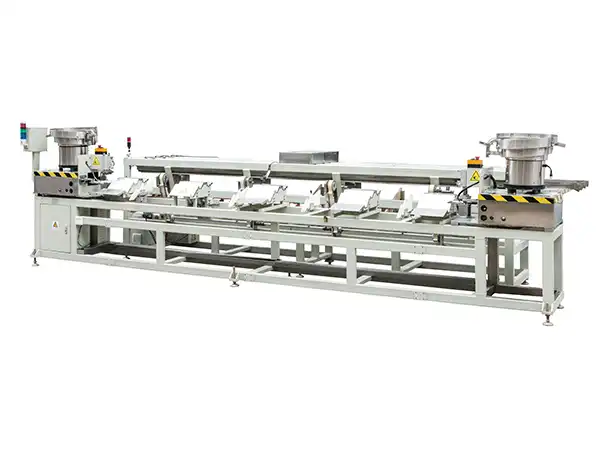
1. Understanding the Challenges of Variable Pipe Weights
Variable pipe weights pose several challenges to pipe bundling machine performance. Identifying these challenges is the first step toward optimizing the bundling process and achieving consistent results.
Variable pipe weights can cause inconsistent bundle sizes, uneven strapping, and potential damage to pipes. Addressing these challenges requires advanced control systems, adjustable tension settings, and robust handling mechanisms to ensure consistent and secure bundling, regardless of weight variations. Regular maintenance is also key.
Inconsistent pipe weights can lead to a myriad of operational inefficiencies. Let’s delve into these specific problems and explore how they impact overall bundling effectiveness.
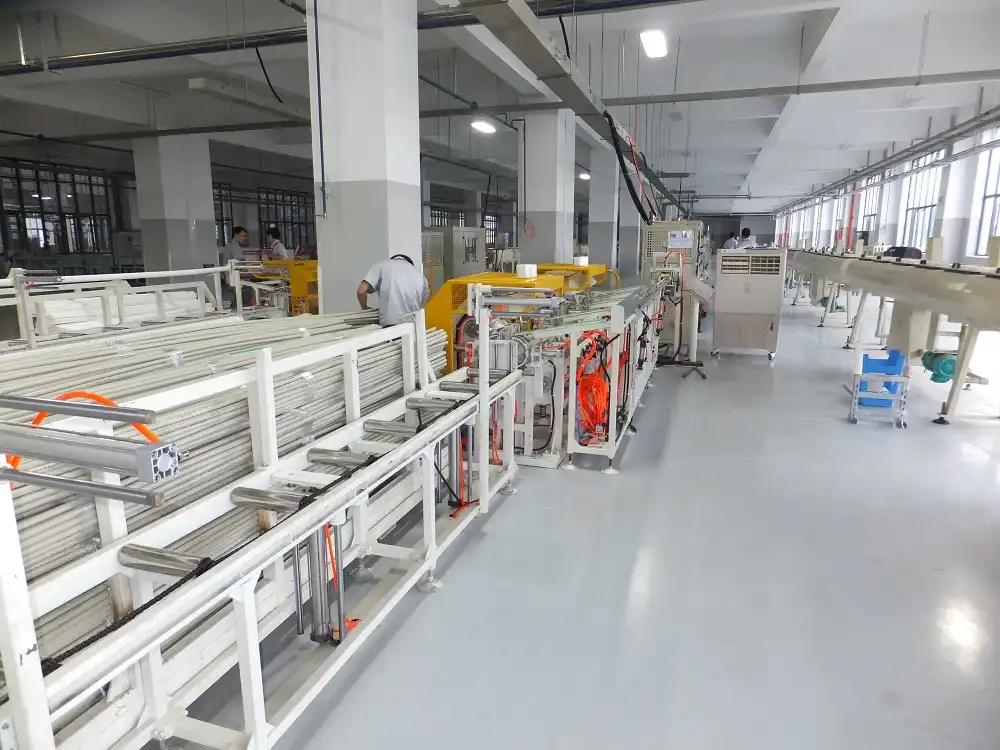
The Impact of Weight Variation on Pipe Bundling
Weight variations directly affect the stability and integrity of pipe bundles. Addressing these variations systematically ensures consistent results and minimizes potential issues.
1.1 Stability Concerns
Uneven weight distribution within a bundle can lead to instability, making it difficult to handle and transport the pipes safely. This risk increases with heavier pipes or when bundling pipes of significantly different weights.
1.2 Strapping Issues
Variable pipe weights can cause uneven strapping, resulting in loose or overly tight straps. Loose straps can compromise the integrity of the bundle, while overly tight straps can damage the pipes.
1.3 Machine Stress
Continuously adjusting to different pipe weights can place stress on the bundling machine, leading to increased wear and tear. This can result in more frequent maintenance and potential downtime.
To address these issues, consider the following strategies:
| Strategy | Description | Benefits |
|---|---|---|
| Weight Sensors | Implement weight sensors to detect pipe weight before bundling. | Allows the machine to adjust strapping tension and handling parameters dynamically. |
| Adjustable Tension | Use bundling machines with adjustable strapping tension settings. | Ensures the strapping is appropriately tight for different weight ranges. |
| Robust Handling Systems | Employ robust pipe handling systems that can accommodate a wide range of weights without compromising performance. | Reduces the risk of damage to pipes and ensures consistent bundling, regardless of weight variations. |
| Dynamic Adjustment | Software updates enabling dynamic adjustment of bundling parameters in real-time based on incoming pipe weights. | Optimizes pipe packaging efficiency and minimizes machine wear and tear. |
By understanding these impacts and implementing targeted strategies, manufacturers can mitigate the challenges posed by variable pipe weights, ensuring stable, secure, and efficient pipe bundling processes.
2. Advanced Control Systems for Accurate Weight Management
Advanced control systems play a pivotal role in managing variable pipe weights effectively. These systems automate adjustments and provide real-time feedback, ensuring each bundle meets the required specifications.
Advanced control systems for pipe bundling machines allow for precise adjustments based on real-time weight data. By integrating sensors and programmable logic controllers (PLCs), these systems ensure consistent strapping tension, optimize bundle size, and prevent damage to pipes due to excessive or insufficient pressure.
Implementing advanced control systems can significantly enhance the accuracy and reliability of pipe bundling processes. Let’s explore the key components and benefits of these systems.
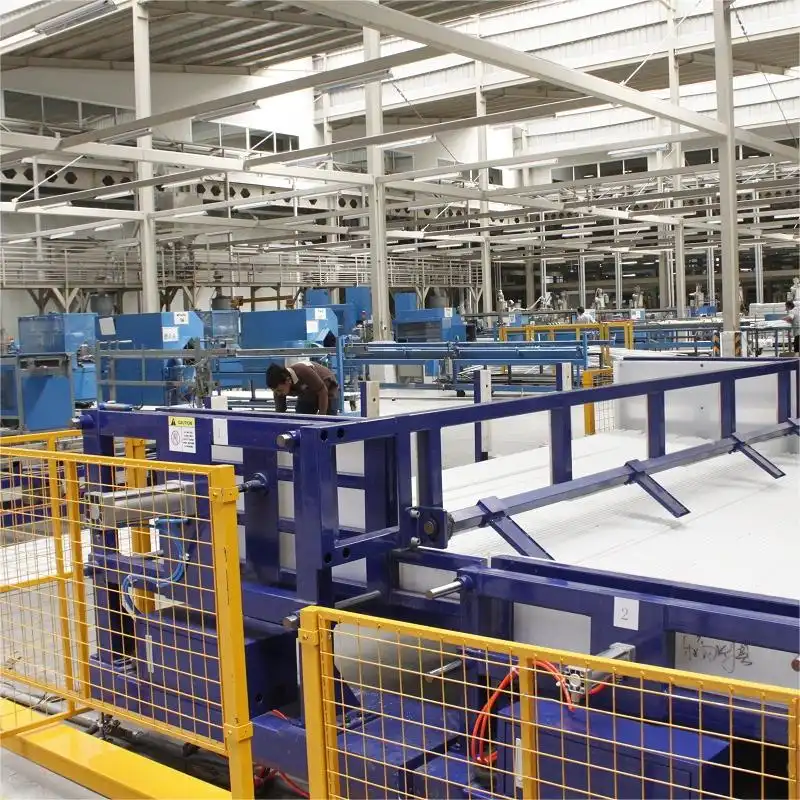
Integrating Smart Technologies into the Bundling Process
Smart technologies enhance the precision and adaptability of pipe bundling machines, allowing for real-time adjustments that optimize performance.
2.1 Weight Sensors and Feedback Loops
Integrating weight sensors into the bundling machine provides real-time data on pipe weights. This data is fed into a feedback loop that adjusts the machine’s parameters, such as strapping tension and bundle compression, ensuring optimal bundling for each pipe.
2.2 Programmable Logic Controllers (PLCs)
PLCs serve as the brains of the bundling machine, coordinating the various components and processes based on the input from weight sensors. PLCs can be programmed to adjust strapping tension, bundle size, and handling speed automatically, optimizing performance for variable pipe weights.
2.3 Human-Machine Interface (HMI)
An HMI provides operators with a user-friendly interface for monitoring and controlling the bundling process. Operators can use the HMI to set parameters, view real-time data, and troubleshoot issues, ensuring the machine operates efficiently.
3. Optimizing Strapping Tension for Different Pipe Weights
Optimizing strapping tension is essential for maintaining the integrity of pipe bundles, especially when dealing with variable pipe weights. Proper tension ensures pipes are securely bundled without being damaged.
Adjusting strapping tension based on pipe weight is critical for secure bundling. Too little tension results in loose bundles, while excessive tension can damage pipes. Advanced machines use feedback from weight sensors to automatically adjust tension, ensuring optimal tightness and minimizing risks.
The right strapping tension is the key to preventing damage and ensuring stability. Let’s explore effective techniques for optimizing this critical parameter.
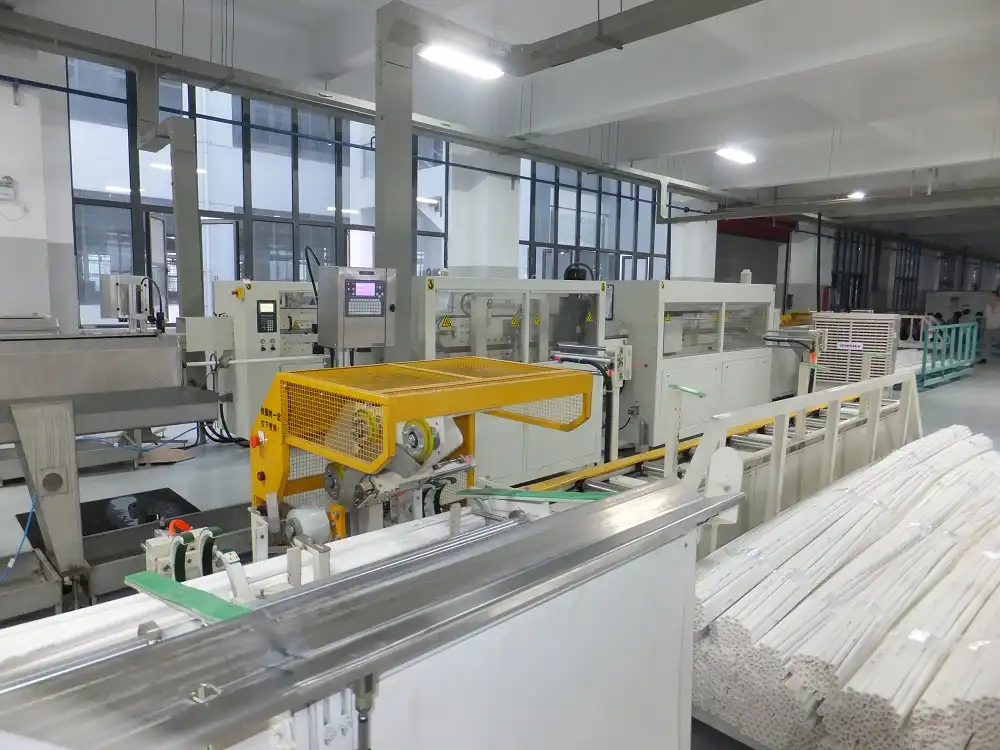
Tailoring Strapping Methods to Weight Classes
Different weight classes of pipes require specific strapping methods to ensure secure and damage-free bundling.
3.1 Lightweight Pipes
For lightweight pipes, use lower strapping tension to prevent crushing or deformation. Consider using wider straps to distribute the pressure more evenly across the pipes.
3.2 Medium-Weight Pipes
Medium-weight pipes require moderate strapping tension to hold the bundle securely without causing damage. Use adjustable tension settings to fine-tune the strapping force based on the specific pipe weight.
3.3 Heavyweight Pipes
Heavyweight pipes require higher strapping tension to ensure the bundle remains intact during handling and transportation. Use robust strapping materials, such as PET or steel, to withstand the higher tension levels.
| Weight Class | Strapping Tension | Strap Material | Considerations |
|---|---|---|---|
| Lightweight | Low | Polypropylene | Use wider straps to distribute pressure; avoid over-tightening. |
| Medium-Weight | Moderate | Polyester | Monitor tension levels regularly; adjust as needed for different pipe weights. |
| Heavyweight | High | PET/Steel | Ensure strapping material is robust; use machines with high-tension capabilities. |
Implementing these tailored strapping methods ensures the secure and efficient bundling of pipes across various weight classes, minimizing the risk of damage and enhancing overall operational efficiency.
4. Maintenance and Training for Consistent Performance
Regular maintenance and comprehensive operator training are essential for ensuring the long-term consistent performance of pipe bundling machines when dealing with variable pipe weights.

Maintaining pipe bundling machines involves regular inspections, lubrication, and component replacements. Proper training enables operators to effectively manage variable pipe weights by adjusting settings, troubleshooting issues, and performing routine maintenance, ensuring optimal and safe bundling.
Consistent performance is achieved through a combination of proactive maintenance and well-trained personnel. Addressing these aspects is vital for smooth and effective operations. Optimizing machine performance with variable weights demands a holistic approach. By carefully balancing advanced technology, customized settings, and thorough upkeep, manufacturers can achieve reliable, efficient bundling operations. This ultimately leads to reduced costs and improved product quality.
Conclusion
Optimizing the performance of pipe bundling machines for variable pipe weights requires a comprehensive approach that addresses the challenges, leverages advanced technology, and emphasizes regular maintenance and training. By understanding the impact of weight variations, implementing smart control systems, tailoring strapping methods, and ensuring consistent upkeep, manufacturers can achieve efficient and reliable pipe bundling processes, thereby reducing costs and enhancing product quality.








