
1. What Are the Applications of Mold Upenders in the Consumer Goods Industry?
Are you looking to enhance safety and efficiency in your consumer goods manufacturing process? Mold upenders are revolutionizing how the industry handles heavy molds, ensuring seamless operations and workplace safety. Discover how these innovative machines are becoming indispensable in the production of everyday consumer products.
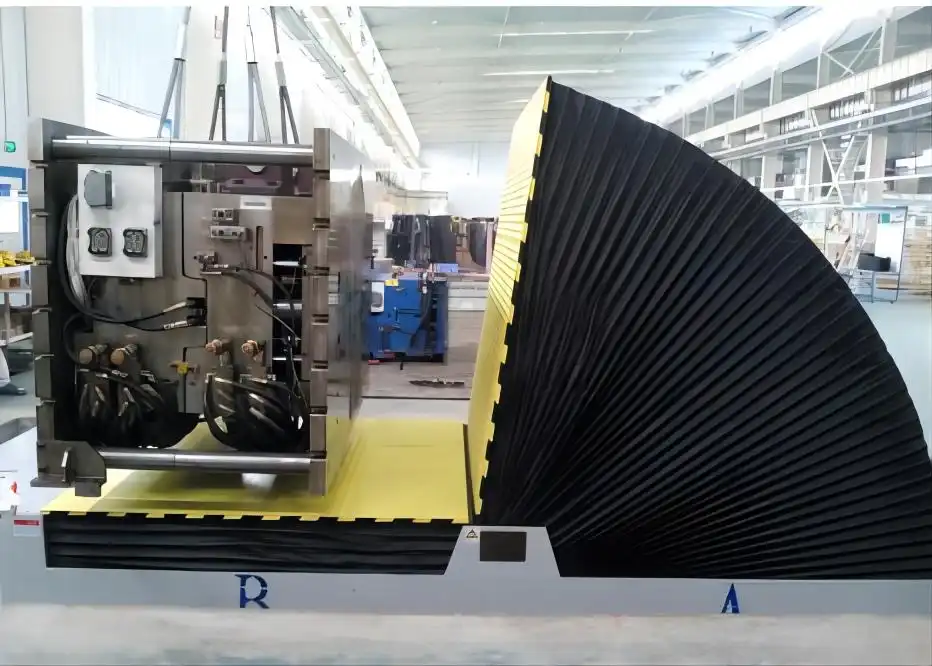
Mold upenders are essential in the consumer goods industry for safely and efficiently rotating heavy molds used to create a vast array of products, from plastic containers to electronic components. They facilitate easier mold maintenance, faster changeovers, and improved worker safety by eliminating manual handling of heavy tooling.
Mold upenders are not just about heavy lifting; they are about smart lifting. Read on to explore the diverse applications and benefits of mold upenders in the consumer goods sector, and how they can transform your manufacturing processes for the better.
2. Key Functions of a Mold Upender
Manually maneuvering heavy molds is fraught with risks and inefficiencies. Imagine the potential for injury and delays when workers struggle to reposition these massive tools. Mold upenders offer a streamlined solution, transforming hazardous tasks into safe, efficient operations.
The primary function of a mold upender is to safely rotate heavy molds, dies, and tooling by 90 or 180 degrees. This rotation provides easy access for maintenance, repair, and integration into manufacturing lines. Key functionalities include controlled turning, secure clamping, and enhanced safety features, making mold handling safer and more efficient.
But mold upenders are more than simple rotation devices. Let’s delve deeper into the sophisticated functionalities that make them indispensable in modern manufacturing.
Dive Deeper into Mold Upender Functionality: Beyond Simple Rotation
While rotation is the core function, modern mold upenders are engineered with sophisticated features that address critical needs in mold handling, focusing on precision, safety, and adaptability.
Precision and Control
Modern mold upenders offer precise and controlled movement, crucial for handling delicate molds and dies.
Soft Start and Stop: Prevents sudden jolts, minimizing stress on molds and the machine, thereby extending equipment life and reducing damage. Adjustable Speed via Inverter: Allows operators to fine-tune turning speed, essential for handling molds of varying sizes and weights, ensuring safer handling of delicate or heavy molds. Position Locking Systems: Securely holds the machine at any angle during rotation, facilitating inspection or maintenance at specific orientations.
Safety Mechanisms: Protecting Personnel and Molds
Safety is paramount when dealing with heavy industrial equipment. Mold upenders are designed with multiple safety layers to protect operators and molds.
Electric and Mechanical Displacement Restrictors: Prevent over-travel, ensuring rotation stays within safe operational limits and preventing accidents from malfunctions. Emergency Stop Buttons: Allow immediate halting of the machine in emergencies, a critical safety feature to prevent accidents and damage. Load Locking Mechanisms: Securely clamp the mold during rotation, preventing slippage or accidental drops, enhancing load stability and preventing mold damage and operator injury. Operator Safety Shields: Protect operators from moving parts or debris during operation.
Compatibility and Customization: Meeting Diverse Needs
The manufacturing world is diverse, with molds of various shapes, sizes, and weights. Mold upenders must be adaptable to these variations.
Adjustable Clamps: Accommodate various mold sizes and shapes, offering versatile handling and a secure grip on diverse mold geometries. Custom clamp designs can be tailored for optimal holding. Variable Load Capacity: Available in a wide range of capacities, ensuring safe and efficient handling of different mold sizes, avoiding overloading or inefficiency. Customizable Working Tables: Tailored to specific mold shapes and sizes, providing maximum stability and support for specialized molds.
| Feature | Importance | Benefit |
|---|---|---|
| Soft Start/Stop | Prevents sudden motion, reduces stress | Minimizes damage, extends equipment life |
| Adjustable Speed Inverter | Fine-tunes rotation for different molds | Enhanced control, safer handling |
| Position Locking System | Holds mold at any angle securely | Facilitates inspection and maintenance |
| Displacement Restrictors | Prevents over-travel, ensures safe limits | Prevents accidents due to malfunctions |
| Emergency Stop Buttons | Immediate halt in emergencies | Critical safety feature |
| Load Locking Mechanisms | Secures mold during rotation | Enhances stability, prevents damage and injury |
| Adjustable Clamps | Accommodates various mold sizes | Versatile handling, secure grip |
| Variable Load Capacity | Machines for wide range of weights | Safe and efficient handling, avoids overloading |
| Customizable Working Table | Tailored for specific mold shapes | Maximum stability and support for specialized molds |
By understanding these functionalities, manufacturers can appreciate the value of a mold upender as a sophisticated piece of equipment designed for precision, safety, and adaptability, far beyond simple rotation.
3. Industrial Applications of Mold Upenders in Consumer Goods Manufacturing
From toys to appliances, the consumer goods industry relies heavily on molds. Imagine the challenge of producing thousands of identical plastic bottles or electronic casings without efficient and safe mold handling. Mold upenders are critical in making these high-volume processes possible and safe.
Mold upenders find extensive applications across the consumer goods industry, particularly in injection molding and plastics manufacturing. They are essential for mold maintenance, quick mold changes, and ensuring worker safety when handling heavy molds for products ranging from packaging to electronics and household goods.
Let’s explore the diverse applications of mold upenders within the consumer goods sector, highlighting specific uses and benefits.
Expanding the Horizon: Diverse Applications in Consumer Goods
The versatility of mold upenders extends across numerous segments within the consumer goods industry. Let’s explore specific applications, highlighting the needs they address in each sector:
Plastics Manufacturing: Injection Molding and Blow Molding
Plastic products are ubiquitous in the consumer goods market. Injection molding and blow molding are key processes, and mold upenders play a vital role.
Injection Molding: For products like plastic containers, toys, and electronic components, mold upenders speed up mold changes, reduce downtime, and facilitate maintenance. Quick mold changes are crucial for high-volume production, and upenders minimize delays. Blow Molding: In producing plastic bottles and packaging, mold upenders assist in handling molds for different container shapes and sizes, ensuring efficient production lines and easy access for maintenance.
Electronics and Appliances Manufacturing
Consumer electronics and appliances require precise and often complex molds.
Electronic Housings: Mold upenders are used to handle molds for television casings, computer housings, and other electronic enclosures. They facilitate precise mold alignment and maintenance, ensuring high-quality finishes and dimensional accuracy. Appliance Components: For manufacturing appliance parts like refrigerator components or washing machine drums, upenders handle large and heavy molds, making maintenance and changeovers safer and faster, contributing to efficient appliance production.
Packaging Industry
The packaging industry, serving the vast consumer goods market, benefits significantly from mold upenders.
Plastic Packaging Molds: Upenders are crucial for handling molds used to create plastic bottles, containers, and packaging films. They enable quick changes between different packaging designs and sizes, essential for meeting diverse consumer demands. Material Handling for Packaging Materials: Beyond molds, upenders can also assist in handling heavy coils of plastic or other packaging materials, improving workflow and safety in packaging material production.
| Industry Segment | Specific Application | Benefit of Mold Upender |
|---|---|---|
| Plastics Manufacturing | Injection Molding, Blow Molding | Faster mold changes, reduced downtime, efficient maintenance |
| Electronics | Electronic Housings, Component Molds | Precise mold alignment, high-quality finishes, dimensional accuracy |
| Appliances | Appliance Components (housings, drums) | Safe handling of large molds, faster maintenance and changeovers |
| Packaging | Plastic Packaging Molds, Material Handling | Quick design changes, efficient material flow, improved safety |
| General Consumer Goods | Diverse mold handling across product lines | Streamlined workflows, enhanced productivity, reduced labor costs |
The diverse applications in consumer goods manufacturing highlight the adaptability and essential nature of mold upenders. They are not limited to one sector but provide versatile solutions across the entire industry, improving safety, efficiency, and productivity in handling a wide range of molds and materials.
4. Essential Safety Features in a Mold Upender
Imagine a heavy mold slipping during rotation – a catastrophic event in any consumer goods manufacturing facility. Safety is not just an added feature for mold upenders; it is a fundamental design requirement. Robust safety mechanisms are what transform these powerful machines into reliable and safe tools.
Essential safety features in a mold upender are critical to protect operators and prevent damage to valuable molds in the consumer goods industry. These include emergency stops, load locking mechanisms, safety shields, and overload protection. These features ensure a secure working environment, preventing accidents and enhancing operational safety.
Let’s delve deeper into the engineering behind these safety features, understanding how they ensure secure operations in consumer goods manufacturing.
Deep Dive into Safety: Engineering a Secure Operation
Beyond basic safety features, a comprehensive safety design in mold upenders involves a layered approach, incorporating both active and passive safety systems. Let’s examine the critical elements in detail:
Active Safety Systems: Preventing Accidents Before They Happen
Active safety systems are designed to intervene and prevent hazardous situations.
Emergency Stop Systems: Immediately cut power to all moving parts upon activation, bringing the machine to a controlled halt. Multiple, easily accessible buttons enhance operator access in critical situations. Load Monitoring and Overload Protection: Continuously monitor the weight, stopping operation if overload is detected, preventing structural damage and hazardous situations. Infrared Safety Curtains or Light Curtains: Create a safety zone around the upender, automatically stopping the machine if breached, preventing accidental entry into the operating area. Two-Handed Control Systems: Require both hands on controls for certain operations, ensuring operator hands are safely away from moving parts during critical phases.
Passive Safety Systems: Mitigating Consequences of Unforeseen Events
Passive safety systems minimize the impact of accidents if they occur, despite preventative measures.
Mechanical Load Locking Mechanisms (Fail-Safe Brakes): Prevent the mold from free-falling in case of power failure. Engage automatically upon power loss, securely holding the load. Robust Structural Design and Material Selection: High-strength steel and robust engineering ensure the machine withstands operational stresses and potential shock loads without structural failure. Operator Safety Shields and Enclosures: Physical barriers prevent accidental contact with moving parts, pinch points, or debris, particularly important in automated applications. Audible and Visual Warning Signals: Alarms and flashing lights alert operators to machine operation, potential malfunctions, or hazardous conditions, providing extra awareness in noisy environments.
| Safety Feature | Type | Function | Benefit |
|---|---|---|---|
| Emergency Stop Buttons | Active | Immediately halts operation in emergencies | Prevents accidents and damage |
| Load Monitoring/Overload Protection | Active | Detects overloads and stops operation | Prevents structural damage and hazardous situations |
| Infrared/Light Curtains | Active | Creates safety zone, stops machine if breached | Prevents accidental entry, enhances safety in automated setups |
| Two-Handed Control Systems | Active | Requires both hands on controls | Ensures operator hands are safely away from moving parts |
| Mechanical Load Locking | Passive | Prevents load from falling in power failure | Crucial fail-safe, prevents catastrophic load drops and injuries |
| Robust Structural Design | Passive | High-strength materials and engineering for structural integrity | Ensures machine withstands stresses, prevents structural failure |
| Safety Shields/Enclosures | Passive | Physical barriers to prevent contact with moving parts | Protects operators from accidental contact and flying debris |
| Audible/Visual Alarms | Passive | Alerts operators to operation or hazardous conditions | Provides enhanced awareness, especially in noisy environments |
A comprehensive approach to safety, incorporating both active and passive systems, is crucial for ensuring mold upenders are fundamentally safe and efficient in consumer goods manufacturing. Manufacturers prioritizing safety demonstrate a commitment to operator well-being and the longevity of their tooling.
5. Streamlining Workflow with Mold Upenders in Consumer Goods Sector
Manual mold handling is not only dangerous but also incredibly time-consuming, creating bottlenecks in consumer goods production. Imagine the lost production time and manpower diverted to these cumbersome tasks. Mold upenders address these inefficiencies, transforming mold handling into a smooth, integrated process.

Mold upenders significantly streamline workflows in the consumer goods sector by automating and simplifying mold rotation and positioning. They are faster and safer than manual methods or overhead cranes. By seamlessly integrating into material handling systems, mold upenders reduce setup times, minimize manual labor, and decrease product damage risk, leading to increased throughput and reduced downtime.
Let’s explore in detail how mold upenders optimize operational efficiency in consumer goods manufacturing.
Dive Deeper into Operational Efficiency in Consumer Goods
To appreciate the efficiency gains from mold upenders, we need to compare traditional mold handling processes with the streamlined approach offered by upender technology in the consumer goods context.
Time Reduction and Labor Optimization
Manual mold turning is slow and labor-intensive, often requiring multiple workers and causing production delays. In contrast, a mold upender completes rotations in minutes, operated by a single person. This drastically reduces turn times and optimizes labor, freeing up personnel for other tasks. In high-volume consumer goods production, time savings directly translate to increased output.
Safety and Damage Reduction
Manual handling increases the risk of accidents and mold damage, leading to production halts and costly repairs. Mold upenders provide controlled and secure rotation, significantly reducing these risks. For consumer goods where product consistency and quality are vital, minimizing mold damage is crucial.
Process Consistency and Throughput
Manual processes are prone to variability, whereas mold upenders ensure consistent and repeatable operations. This consistency enhances throughput and production predictability. In the fast-paced consumer goods market, consistent throughput is essential to meet demand and maintain market competitiveness.
| Aspect | Traditional Method (Manual Handling) | Mold Upender System | Efficiency Improvement |
|---|---|---|---|
| Turn Time | 30-60 minutes | 5-10 minutes | 6x – 12x Faster |
| Labor Required | 2-4 workers | 1 operator | 50% – 75% Reduction |
| Safety Risk | High | Low | Significant Reduction |
| Damage Potential | Moderate to High | Low | Significant Reduction |
| Process Consistency | Variable | High | Improved Consistency |
The data clearly shows the substantial efficiency improvements gained by implementing mold upenders. Time savings, labor optimization, enhanced safety, and consistent processes all contribute to a more productive and cost-effective manufacturing environment for consumer goods.
6. Choosing the Right Mold Upender for Consumer Goods Manufacturing Needs
Selecting the right mold upender is crucial to maximizing its benefits in the consumer goods industry. The market offers various types and configurations, each suited to different applications and mold specifications. Understanding these options is key to making an informed decision and ensuring optimal performance.
When choosing a mold upender for consumer goods manufacturing, consider these key factors:
Load Capacity: Match the upender capacity to the weight of your heaviest molds to ensure safety and prevent equipment damage. Rotation Mechanism: Hydraulic systems are ideal for heavy molds, offering smooth, controlled rotation, while mechanical systems may suffice for lighter molds. Control System: Automated controls increase efficiency and reduce operator fatigue, beneficial for high-volume consumer goods production lines. Manual controls may be suitable for less frequent use. Customization: Opt for manufacturers offering customization to tailor the upender to specific mold types, factory layouts, and workflow needs common in consumer goods manufacturing. Safety Features: Prioritize robust safety features, including emergency stops, overload protection, and safety interlocks, to ensure operator safety and compliance with industry standards. Durability and Reliability: Choose reputable manufacturers known for durable and reliable equipment to minimize downtime and ensure long-term performance in demanding consumer goods production environments.
By carefully evaluating these factors against your specific needs, you can select a mold upender that will seamlessly integrate into your consumer goods manufacturing process, delivering optimal efficiency, safety, and cost savings. Investing in the right mold upender is a strategic decision that yields substantial returns, enhancing your operational capabilities and ensuring a safer, more productive future.
Conclusion
Implementing mold upenders offers transformative benefits to consumer goods manufacturing operations. From enhanced efficiency and improved safety to significant cost savings and superior product quality, the advantages are undeniable. By streamlining mold handling processes, mold upenders empower manufacturers to optimize workflows, reduce operational bottlenecks, and achieve new levels of productivity and profitability, ensuring they remain competitive in the dynamic consumer goods market.








