
Are you tired of unwrapping steel coils only to find rust eating away at your profits? Rust is a silent thief, corroding not just metal, but also your bottom line. Proper coil wrapping isn’t just an extra step; it’s the front line defense in preserving the integrity of your valuable steel coils. Ignoring this crucial process is like leaving your assets exposed to the elements, inviting damage and loss.
Proper coil wrapping is critical in preventing rust by creating a protective barrier against moisture and environmental pollutants. Utilizing materials like VCI film in coil wrapping ensures that steel coils are shielded from the primary culprits of corrosion, thus maintaining their quality and preventing costly damage.
Let’s delve into why mastering the art of coil wrapping is essential for anyone dealing with metal coils, and how you can ensure your coils remain pristine from production to processing.
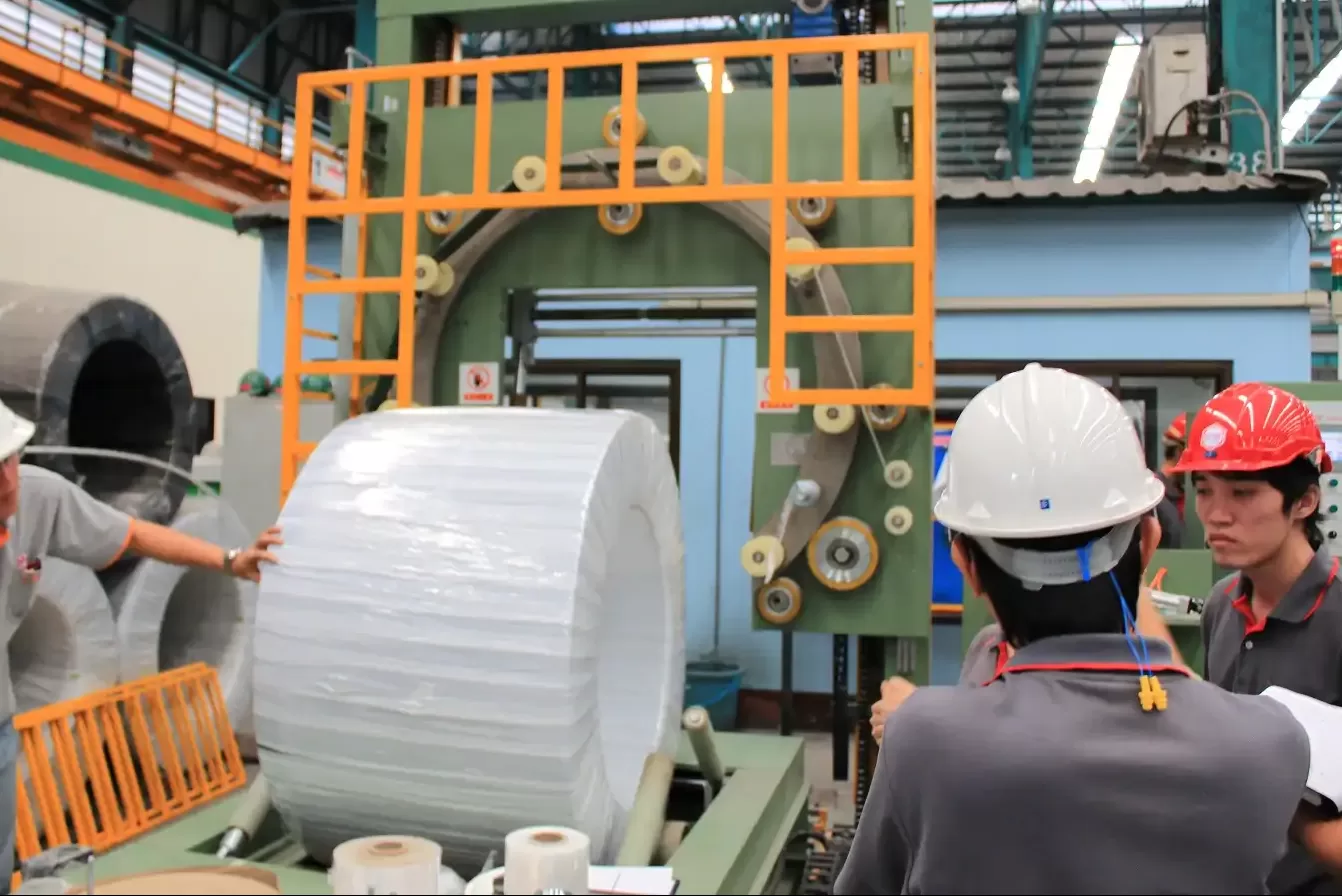
The Science Behind Rust and Why Coil Wrapping Matters
Why does rust even occur? It seems like an inevitable enemy for metal, but understanding the mechanism can empower you to combat it effectively. Ignoring the science is like fighting in the dark, but with a little knowledge, you can illuminate the path to rust prevention.
Rust, or iron oxide, is the result of an electrochemical process known as corrosion. This process occurs when iron or steel reacts with oxygen and moisture, leading to the formation of a reddish-brown flaky coating. For steel coils, which are often stored or transported in varying environmental conditions, this reaction can be significantly accelerated. Coil wrapping acts as a critical intervention by isolating the steel from these corrosive elements.
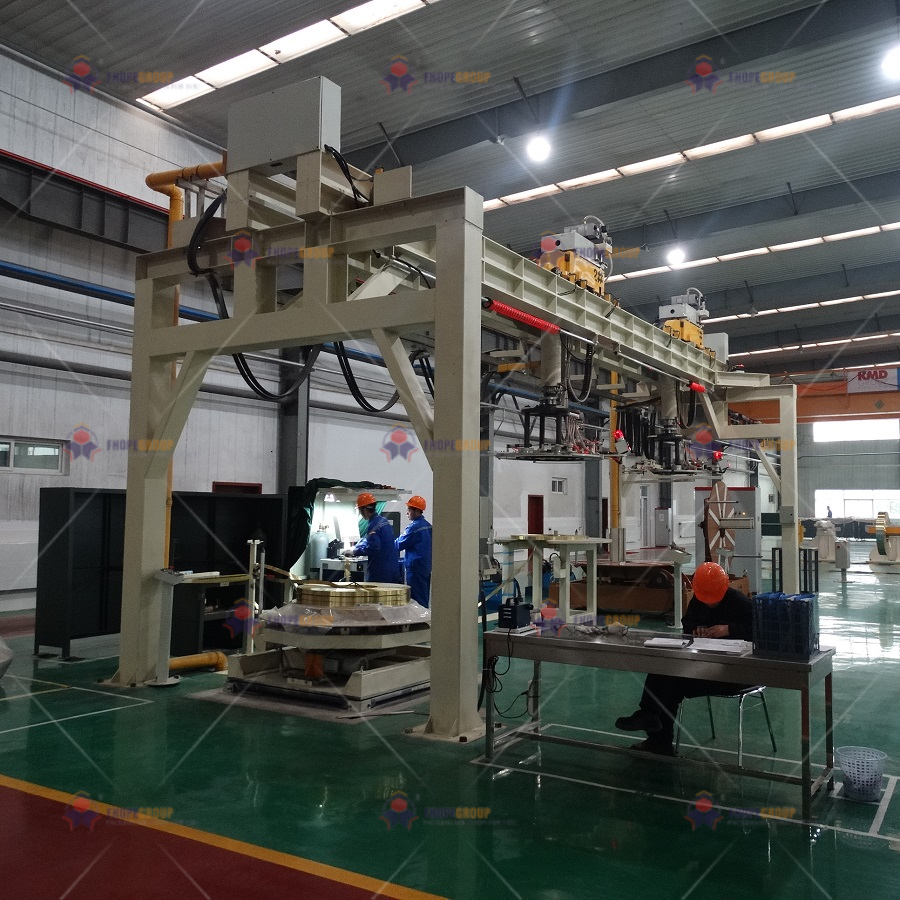
To understand the necessity of proper coil wrapping, it’s crucial to break down the science of corrosion and how wrapping methods counteract it:
Understanding Electrochemical Corrosion
Corrosion is not merely a surface phenomenon; it’s an electrochemical reaction. This means it involves the transfer of electrons at an atomic level, facilitated by an electrolyte – in most cases, moisture.
| Component | Role in Corrosion |
|---|---|
| Anode | Area where metal loses electrons (oxidation occurs) |
| Cathode | Area where electrons are gained (reduction occurs) |
| Electrolyte | Conductive medium (e.g., water) allowing ion flow |
| Electron Path | The metal itself, allowing electrons to move from anode to cathode |
When steel is exposed to moisture and oxygen, different areas on the metal surface become anodes and cathodes. At the anode, iron atoms lose electrons and become iron ions, which then react with oxygen and water to form rust. The electrolyte, such as rainwater or humid air, allows ions to move between these anodic and cathodic sites, perpetuating the corrosion process.
How Coil Wrapping Intervenes
Proper coil wrapping disrupts the corrosion process in several key ways:
- Moisture Barrier: The primary function of coil wrapping, especially with materials like VCI film and stretch wrap, is to create a physical barrier against moisture. By preventing water molecules from reaching the steel surface, we eliminate the electrolyte needed for the electrochemical reaction.
- Oxygen Exclusion: While not always completely airtight, effective wrapping minimizes the coil’s exposure to atmospheric oxygen, another crucial reactant in rust formation.
- Protection from Pollutants: Industrial and urban environments contain pollutants like sulfur dioxide, chlorides, and particulate matter, which can accelerate corrosion. Coil wrapping provides a shield against these contaminants.
- Vapor Corrosion Inhibitors (VCI): Advanced wrapping materials incorporate VCI technology. VCI films release vaporous compounds that form a microscopic protective layer on the metal surface. These inhibitors interfere with the electrochemical reactions, passivating the metal and preventing rust even in the presence of trace moisture.
By understanding the science of corrosion, it becomes clear that coil wrapping is not just about aesthetics; it’s a fundamental step in safeguarding the structural and economic value of steel coils. The effectiveness of the wrapping directly correlates with its ability to maintain a dry, clean, and inhibited environment around the steel.
Selecting the Right Wrapping Materials: VCI Film vs. Stretch Wrap
Choosing between wrapping materials can feel overwhelming. Are you sacrificing protection for cost, or vice versa? It’s a balancing act, but understanding your options empowers you to make informed decisions, ensuring your coils are wrapped in the best defense possible.
When it comes to coil wrapping for rust prevention, the choice of material is paramount. VCI film and stretch wrap are two leading options, each offering distinct advantages in protecting steel coils from corrosion. While standard stretch wrap provides a basic physical barrier, VCI film enhances this protection with active corrosion inhibitors.
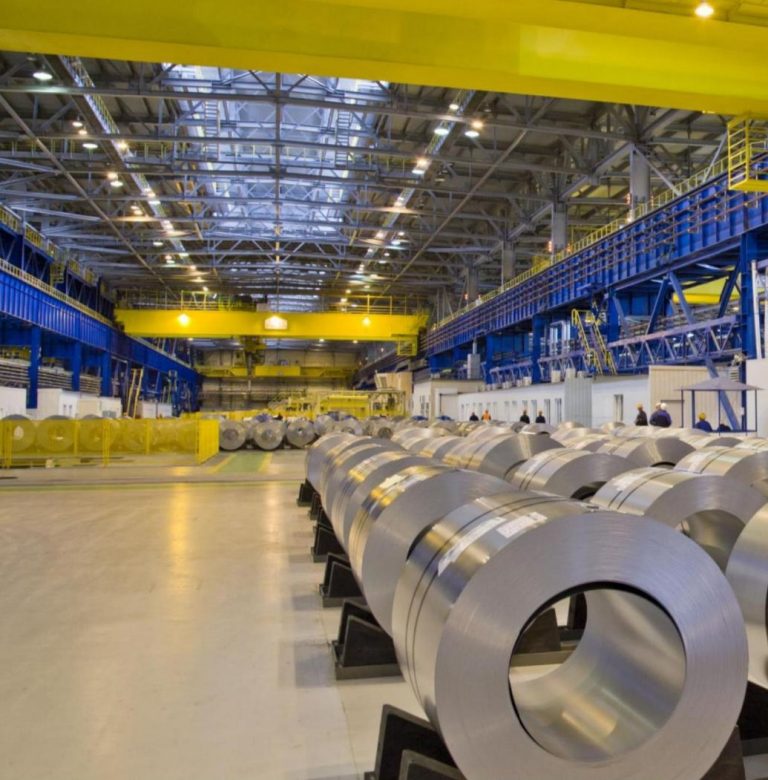
To make an informed decision, let’s compare VCI film and traditional stretch wrap across critical factors:
VCI Film: Advanced Corrosion Protection
Vapor Corrosion Inhibitor (VCI) film is polyethylene film impregnated with VCI chemicals. These chemicals vaporize slowly, creating a protective atmosphere within the wrapping.
| Feature | VCI Film | Stretch Wrap |
|---|---|---|
| Corrosion Inhibition | Active (VCI chemicals provide molecular protection) | Passive (Physical barrier only) |
| Moisture Barrier | Excellent | Good (depending on layers and quality) |
| Ease of Application | Similar to stretch wrap | Easy to apply |
| Transparency | Transparent for easy inspection | Transparent for visibility |
| Cost | Higher initial cost | Lower initial cost |
| Longevity | Long-term protection (years) | Short to medium-term protection (months) |
| Environmental Impact | Recyclable options available | Recyclable, but VCI film may have added chemicals |
| Specific Metals | Formulations for ferrous, non-ferrous, multimetal | General purpose, no metal-specific formulation |
Advantages of VCI Film:
- Superior Corrosion Protection: VCIs offer an active defense, protecting areas that the film might not directly contact, including crevices and hard-to-reach surfaces.
- Long-Term Effectiveness: VCI protection can last for years, making it suitable for extended storage and long transit times.
- Reduced Need for Rework: By preventing rust proactively, VCI film minimizes the need for costly rework, cleaning, or part replacement.
- Clean and Dry Protection: Unlike rust preventative oils, VCI film provides a dry, residue-free protection, eliminating the need for degreasing before further processing.
Disadvantages of VCI Film:
- Higher Cost: VCI film is more expensive than standard stretch wrap due to the added VCI chemicals.
- Specific Formulations: Choosing the correct VCI formulation (ferrous, non-ferrous, multimetal) is crucial for optimal protection.
Stretch Wrap: Basic Physical Barrier
Stretch wrap, typically made of polyethylene, is a highly elastic plastic film that is stretched around coils to secure and protect them.
Advantages of Stretch Wrap:
- Lower Cost: Stretch wrap is a more economical option for basic protection against dust, dirt, and handling damage.
- Ease of Use and Availability: It is widely available and easy to apply with manual or automated wrapping equipment.
- Transparency and Stability: Offers good transparency for product identification and provides load stability during handling and transport.
Disadvantages of Stretch Wrap:
- Limited Rust Protection: Stretch wrap primarily offers a physical barrier. It does not actively inhibit corrosion, and if moisture penetrates the wrap, rust can readily form.
- Shorter Protection Duration: Its protection against rust is limited, especially in humid or corrosive environments, making it less suitable for long-term storage or harsh shipping conditions.
- Potential for Condensation: If temperature fluctuations occur within the wrapped coil, condensation can form inside the stretch wrap, potentially accelerating corrosion if no VCI is present.
The Verdict:
For basic protection against dust and handling at a lower cost, standard stretch wrap may suffice for very short-term storage in controlled environments. However, for reliable, long-term rust prevention, especially in fluctuating or harsh conditions, VCI film is the superior choice. The added investment in VCI film translates to significant savings by reducing rust damage, rework, and potential customer rejects. The peace of mind and assured quality that VCI film provides often outweighs the initial cost difference.
Mastering Coil Wrapping Techniques with VCI Film
Simply having the right materials isn’t enough; technique is equally crucial. Are you wrapping for security or true protection? Effective coil wrapping with VCI film is an art and a science, ensuring that the protective properties are fully leveraged. Mastering the technique is like learning the secret handshake to rust prevention.
To fully leverage the protective capabilities of VCI film, proper wrapping techniques are essential. Effective coil wrapping with VCI film involves more than just applying the film; it requires a systematic approach to ensure complete coverage and optimal rust prevention. Poor wrapping can negate the benefits of even the best VCI film, leaving coils vulnerable.
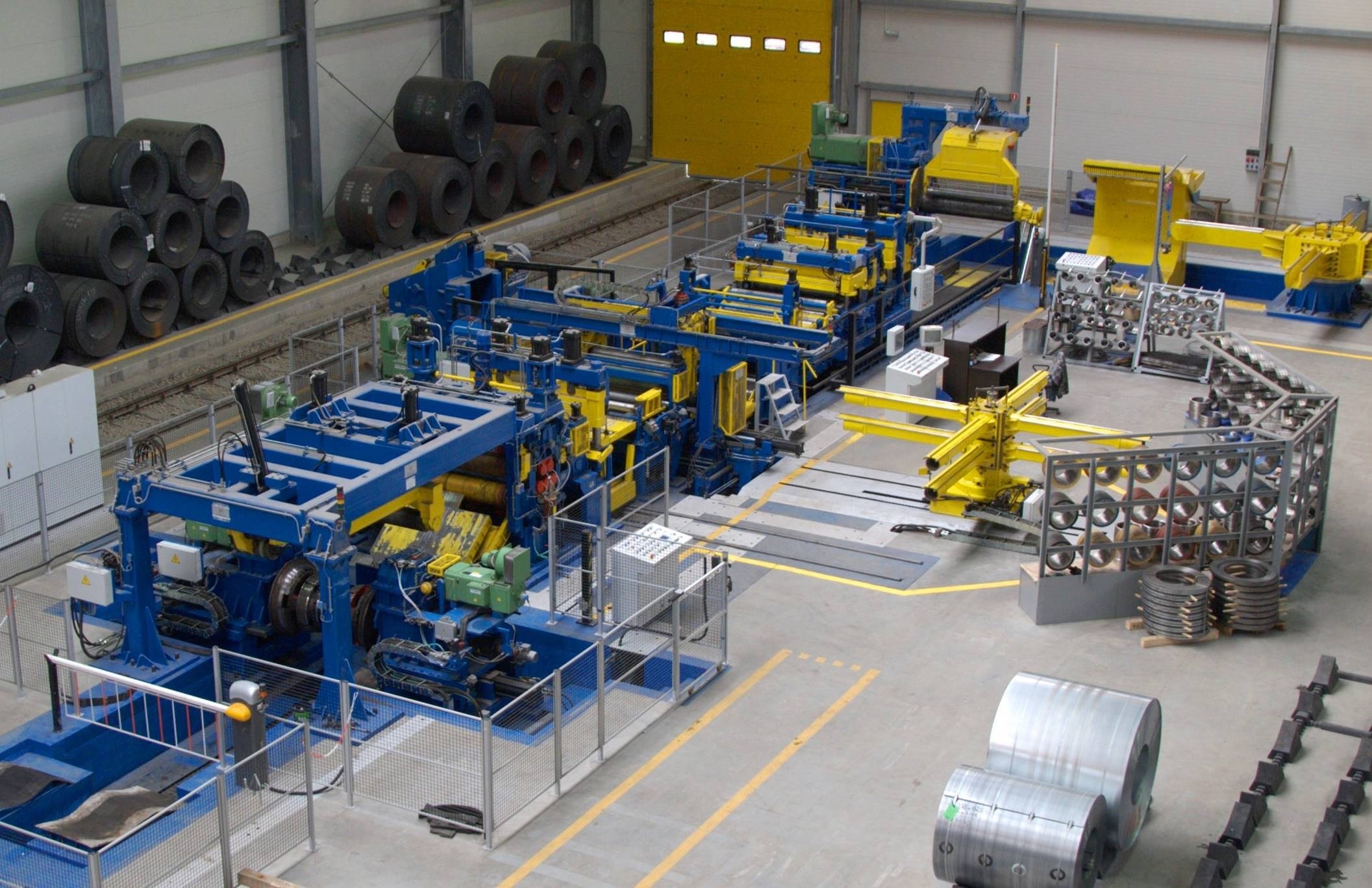
Here’s a step-by-step guide and best practices for coil wrapping with VCI film:
Step-by-Step VCI Coil Wrapping Guide
| Step | Action | Detail | Rationale |
|---|---|---|---|
| 1 | Coil Preparation | Ensure the steel coil is clean, dry, and free from any contaminants like dirt, grease, or fingerprints. | Contaminants can trap moisture and interfere with VCI action. Clean surfaces allow VCIs to directly protect the metal. |
| 2 | VCI Film Selection | Choose the correct type of VCI film based on the metal type (ferrous, non-ferrous, or multimetal). | Using the wrong VCI type may not provide adequate protection and could even be counterproductive in some cases. |
| 3 | Initial Wrap Layer | Begin wrapping the coil tightly with the VCI film, overlapping each layer by at least 50%. Start from the inside diameter and move outwards, or vice versa, ensuring consistent tension. | Overlapping creates a robust barrier, and consistent tension ensures the film conforms to the coil’s shape, minimizing air pockets. |
| 4 | End and Edge Protection | Pay special attention to the coil’s ends and edges, which are most vulnerable to damage and corrosion. Apply extra layers of VCI film to these areas, folding and tucking the film to secure them. | Edges and ends are exposed surfaces and require enhanced protection against moisture ingress and physical damage. |
| 5 | Full Coil Encapsulation | Continue wrapping until the entire coil is fully encapsulated. Ensure there are no gaps or openings in the wrapping. | Complete encapsulation is vital to contain the VCI vapors and prevent environmental elements from reaching the coil. |
| 6 | Secure the Wrap | Use VCI-compatible tape or banding to secure the loose ends of the VCI film and further tighten the wrap. Ensure the tape or banding does not damage the film. | Securing prevents unwrapping during handling and transit, maintaining the integrity of the protective barrier. |
| 7 | Inspection and Handling | Inspect the wrapped coil for any tears, punctures, or improperly sealed areas. Handle wrapped coils carefully to avoid damaging the VCI film. | Identifying and rectifying any breaches in the wrapping ensures continuous protection. Careful handling prevents accidental damage that could compromise the wrapping’s effectiveness. |
| 8 | Storage Environment | Store wrapped coils in a cool, dry, and preferably indoor environment. Avoid extreme temperature fluctuations and direct exposure to harsh weather conditions. | While VCI film provides significant protection, optimal storage conditions further extend the protection lifespan and prevent extreme stresses on the wrapping. |
Best Practices for VCI Coil Wrapping
- Use Enough Film: Don’t skimp on VCI film. Using sufficient material ensures complete coverage and a reservoir of VCI chemicals for long-term protection.
- Proper Tension: Apply film with consistent tension. Too loose, and it won’t be effective; too tight, and it could tear or damage the coil edges.
- Seal Overlaps: Ensure overlaps are well-sealed, either through the film’s natural cling or with VCI tape, to prevent moisture penetration.
- Train Personnel: Train wrapping personnel on the correct techniques and the importance of each step to ensure consistent and effective wrapping across all coils.
- Regular Audits: Conduct periodic checks of wrapping quality and storage conditions to identify and correct any issues proactively.
- Consider Coil Covers: For added convenience and reusability, consider using VCI coil covers, which are pre-made covers with elastic bands for easy application and removal, especially for coils frequently accessed or in dynamic storage environments.
By adhering to these techniques and best practices, you can ensure that VCI film coil wrapping delivers maximum rust prevention, safeguarding your steel coil investments effectively.
Comprehensive Rust Prevention Beyond Wrapping
Wrapping is a powerful tool, but it’s just one piece of the puzzle. Are you overlooking other factors that could sabotage your wrapping efforts? True rust prevention is a holistic strategy, extending beyond just wrapping. It’s about creating an ecosystem of protection, where wrapping is a key component, but not the only one.
While proper coil wrapping is a cornerstone of rust prevention, a comprehensive approach considers all factors from the mill to the metal processor. Rust prevention is not solely reliant on wrapping; it involves a holistic strategy encompassing handling, storage, and environmental controls. Overlooking these aspects can undermine even the most meticulous wrapping efforts.
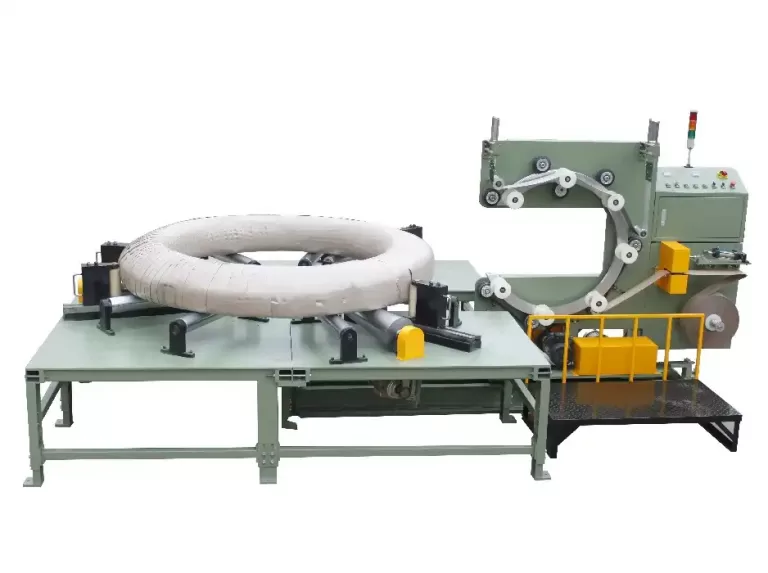
To achieve truly effective rust prevention, consider these supplementary strategies:
Beyond Wrapping: Integrated Rust Prevention Strategies
| Strategy | Description








