
Understanding the Importance of Proper Coil Alignment During Handling
Are misplaced heavy metal coils a hidden drain on your operations? The risks of improper handling and alignment—from damaged materials and equipment to severe workplace injuries—can cripple productivity and inflate costs. Mastering the nuances of coil alignment isn’t just a procedural step; it’s fundamental to safety and efficiency.
Proper coil alignment during handling is critical because it directly impacts safety, prevents costly material damage, and ensures smooth, efficient workflow. Misaligned coils pose severe crushing hazards, are prone to edge damage or deformation during lifts and transport, and can cause bottlenecks or equipment jams downstream in the production process.
This isn’t just about avoiding problems; it’s about optimizing your entire material flow. Dive deeper to understand the vital role of precise alignment and how investing in the right equipment and procedures can safeguard your team and your bottom line.
The High Stakes of Coil Misalignment
Incorrectly positioned coils are more than just inconvenient; they introduce unacceptable risks into the workplace. Whether loading onto a spindle, transporting across a facility, or feeding into processing equipment, misalignment can turn a routine task into a hazardous event with severe consequences.
Ignoring proper coil alignment during lifting, transport, or processing creates immediate safety hazards like crushing injuries and significantly increases the likelihood of damaging valuable material. Equipment can also be strained or damaged, leading to costly downtime and repairs, ultimately impacting profitability through waste and lost production time.

Why Precision in Positioning Prevents Disaster
Metal coils are inherently heavy and dense, weighing anywhere from several tons to over 30 tons. Their cylindrical shape makes them prone to uncontrolled movement if not properly secured and aligned. Handling these massive items requires precise control at every step, from initial lift to final placement. Misalignment compromises this control, opening the door to a cascade of potential failures.
Safety is the most critical concern. A coil that is lifted off-center or placed on an unstable base due to misalignment can easily tip, roll, or fall. Given their weight, this presents an immediate and severe crushing hazard to anyone nearby. Equipment like forklifts or cranes can also become unstable if the load is not properly balanced due to poor alignment on the lifting mechanism.
Material damage is another significant and costly outcome. Even a slight misalignment during lifting or transport can cause edges to nick or surfaces to scratch as the coil bumps against equipment or other materials. Sharp impacts from dropped coils or collisions due to poor positioning can lead to kinking, dents, or deformation, rendering the material unusable and generating substantial scrap. Precision in aligning the coil with lifting points (like C-hook centers or grab feet) and destination points (like spindle centers or rack supports) is paramount to protecting product integrity.
Equipment itself is vulnerable. Attempting to force a misaligned coil onto a spindle or into a rack can damage the equipment’s structural components. Overloading one side of a lifting device or applying excessive force to align a coil manually or with ill-suited equipment leads to unnecessary wear and potential failure. Proper alignment ensures the load is supported and moved as intended by the equipment’s design, preserving its lifespan and reliability.
| Hazard from Misalignment | Associated Risk | Impact on Safety & Operations |
|---|---|---|
| Off-center lift | Unbalanced load, swinging, tipping | Severe injury/fatality, equipment damage, dropped coil |
| Incorrect placement on support | Rolling, falling, unstable stacking | Crushing injuries, material damage, facility damage |
| Forcing into position | Equipment strain, structural damage | Machinery breakdown, downtime, repair costs |
| Edge/surface contact | Nicks, scratches, deformation | Material scrap, product loss, rework |
| Obstructed pathways | Collisions with personnel/equipment | Injury, equipment damage, production delays |
Addressing the root causes of misalignment—whether it’s due to inadequate equipment, insufficient training, or poor planning—is the first step in mitigating these significant risks and ensuring a safer, more productive environment.
Essential Equipment for Aligned Handling
Achieving proper coil alignment during handling is heavily reliant on using the right tools designed specifically for the unique challenges presented by heavy, bulky coils. Standard material handling equipment, while versatile, often lacks the specialized features needed for the precise positioning required for coils.
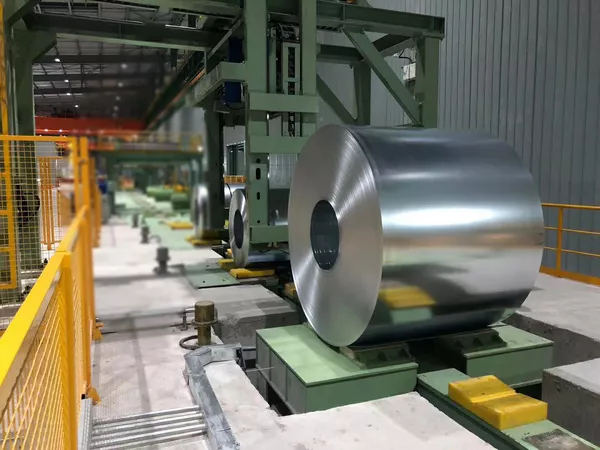
Specialized coil handling equipment, such as appropriately rated overhead cranes with dedicated coil lifters (C-hooks, grabs) and multi-directional forklifts, are essential for achieving and maintaining proper coil alignment during movement. These tools are engineered to securely cradle or grip coils, ensure load balance, and allow for precise lateral and vertical adjustments necessary for safe and accurate placement.
Tailoring Tools for Precision Positioning
The sheer weight and dimensions of metal coils necessitate equipment with sufficient capacity and features that facilitate controlled movement and accurate placement. Different types of coil handling equipment are suited for various stages and orientations of coil movement, each playing a role in ensuring alignment.
For moving horizontal coils (eye-to-the-side), C-hooks and two-arm coil grabs are common. C-hooks, with their counterweighted design, provide a stable cradle when the coil eye is properly engaged. However, precise alignment is needed to insert the hook without damaging the coil edge or the spindle. Two-arm coil grabs offer adjustable feet that fit into the coil eye, providing a secure grip. Motorized versions allow for remote width adjustment, improving efficiency and precision when aligning the grab with the coil eye. Crucially, these devices are designed to support the coil’s weight evenly, minimizing strain on the material and maintaining its shape during transport.
Vertical eye coil lifters are used for coils stored or handled in an eye-to-the-sky orientation. These lifters engage the inner diameter (ID) of the coil. Various designs, from manual to automatic scissors-style or telescopic motorized versions, facilitate gripping the ID. Proper alignment is required to safely insert the lifter into the coil eye and ensure the gripping mechanism engages securely and centrally, preventing the coil from tilting or dropping during the vertical lift.
Forklifts, particularly multi-directional models, are often used for moving palletized coils or feeding coils onto decoilers. These forklifts can use forks under a pallet or skid for vertical coils or forks through the eye for horizontal coils. The ability to retract the coil between the forklift’s legs enhances stability by centralizing the load, aiding in maintaining alignment during transport, especially in narrow aisles. However, using standard forklifts requires diligent adherence to load capacity limits and proper fork positioning and tilt to secure the load and prevent slippage or damage.
Upenders are specialized machines designed solely to change a coil’s orientation (horizontal-to-vertical or vice versa). While not strictly “handling” equipment in the transport sense, they are critical for preparing coils for subsequent handling or processing steps that require a specific orientation. Upenders ensure the transition is performed safely and with the coil precisely positioned, ready for the next handling step without misalignment.
Regardless of the equipment, proper maintenance is paramount. Worn lifting surfaces, damaged grab feet, or malfunctioning controls on any of these devices can compromise their ability to securely hold and accurately position a coil, directly increasing the risk of misalignment and accidents. Regular inspections and preventive maintenance ensure that handling equipment functions reliably to support safe and aligned coil movement.
Best Practices for Aligned Coil Handling Operations
Even with the most advanced equipment, proper coil alignment during handling relies heavily on established procedures and well-trained personnel. Human error and procedural shortcuts are significant contributors to misalignment-related accidents and material damage.
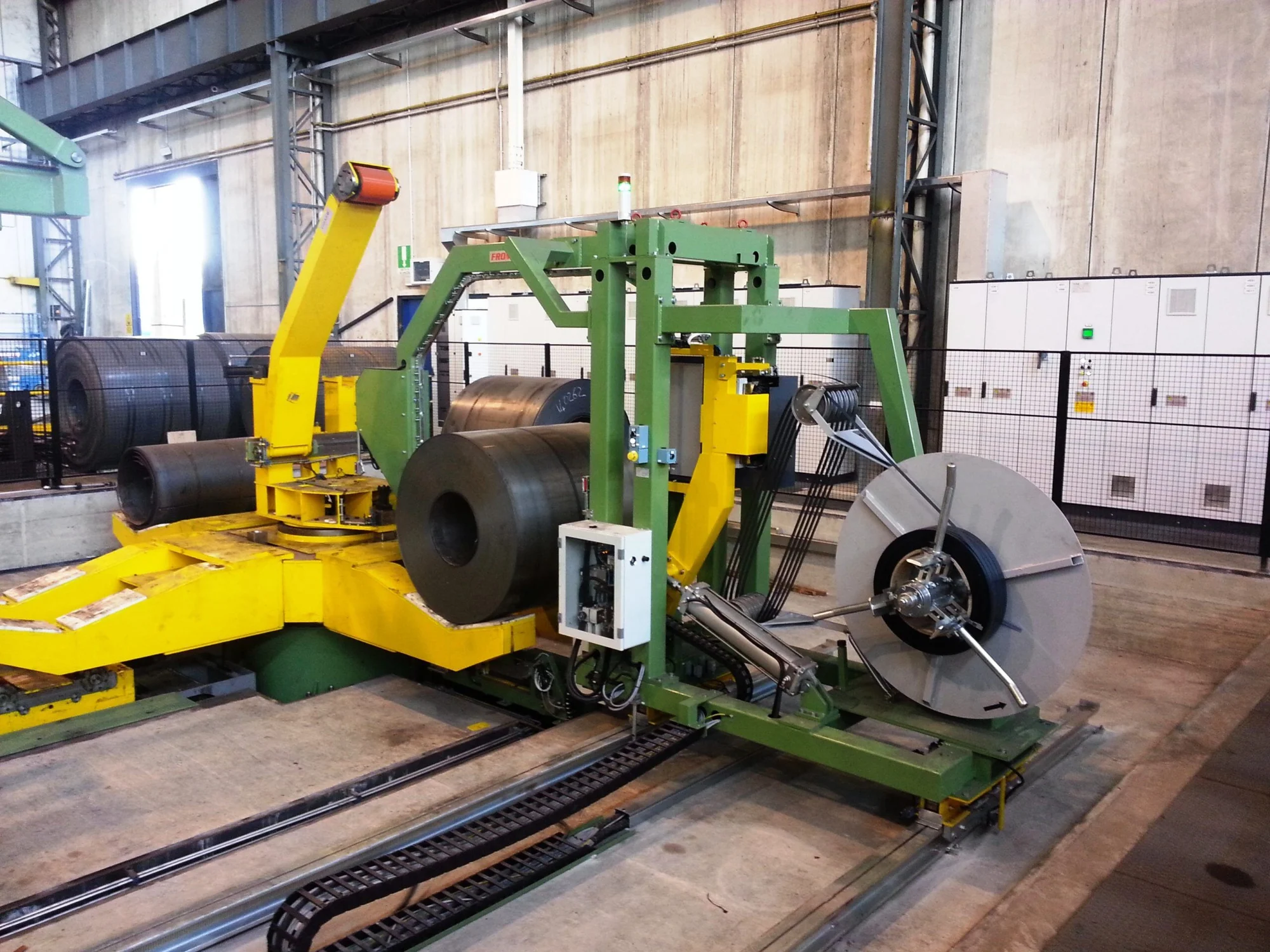
Implementing strict handling procedures, providing comprehensive operator training, and establishing clear communication protocols are fundamental best practices for ensuring proper coil alignment during coil handling. These measures minimize human error, reinforce safe lifting and placement techniques, and ensure that specialized equipment is utilized correctly to maintain control and stability of heavy coils throughout the entire process.
Operational Procedures for Precision and Safety
Operational excellence in coil handling starts before the equipment even moves. It involves planning, preparation, and adherence to standardized sequences.
Loading Sequence Adherence
Loading a coil onto a spindle, for instance, requires a specific, careful sequence to ensure it is centered and securely seated. According to safety guidelines like SAR 103, this sequence involves steps such as preventing automatic spindle rotation, clearing spindle arms, positioning the coil concentrically with the spindle center using the loading device, slowly spearing the coil eye, applying front coil retainers, and finally expanding the spindle while the coil is still supported by the loading device to ensure proper engagement without shock impacting. Deviating from these steps, such as attempting to expand the spindle against a misaligned coil or dropping the coil into place, can cause severe damage to both the coil and the spindle and poses a serious safety risk.
Unloading Sequence Adherence
Similarly, unloading requires reversing this process safely. It involves securing the strip end, applying retaining bands if necessary (especially for unstable coils), positioning the unloading device, slowly contracting the spindle to transfer the coil weight onto the device, clearing spindle arms, removing retainers, and cautiously transporting the coil away. Proper alignment during this sequence, ensuring the unloading device is correctly positioned under the coil eye before contracting the spindle, is vital to prevent dropping or losing control of the heavy load.
Minimizing Handling Passes
Each time a coil is lifted and moved, the risk of misalignment and potential damage increases. Optimizing workflow design to minimize the number of handling passes is a key best practice. This could involve staging coils closer to the processing line, using coil cars or storage ramps to bridge the gap between storage and uncoiling equipment, or integrating handling directly into the production line. Reducing unnecessary lifts directly reduces the opportunities for misalignment errors.
Operator Training and Awareness
Thorough and ongoing training for all personnel involved in coil handling is non-negotiable. This training must cover not only the operation of specific equipment but also the dynamics of coil movement, the importance of load balance, recognition of potential hazards (like unstable coils or pinch points), and strict adherence to documented safe handling procedures and sequences. Refresher training is essential to combat complacency, especially among experienced operators. Awareness of the surrounding environment, including clear pathways and the location of other personnel, is also critical to prevent collisions caused by misaligned loads.
| Best Practice | Alignment Benefit | Safety & Efficiency Impact |
|---|---|---|
| Follow Load/Unload Sequence | Ensures coil is centered & securely engaged/released | Prevents equipment damage, drops, pinch points |
| Use Appropriate Lifting Points | Balances load, prevents tilting | Reduces swinging hazards, improves control |
| Minimize Handling Passes | Fewer opportunities for positioning errors | Less risk of collision/damage, saves time |
| Comprehensive Operator Training | Increases awareness of proper technique & hazards | Reduces human error, enhances control |
| Clear Communication | Avoids conflicting movements or unexpected shifts | Prevents collisions with people/equipment |
| Equipment Maintenance | Ensures proper function of positioning mechanisms | Reduces risk of failure leading to misalignment |
By embedding these practices into daily operations and fostering a strong safety culture, companies can significantly enhance their ability to handle coils with the precision required to maintain alignment, thereby preventing accidents and preserving the integrity of materials and equipment.
Storage and Workflow Design Impacts Alignment During Handling
The ease with which a coil can be properly aligned during handling often begins with how it was stored and the overall layout of the processing area. Inefficient storage or poorly designed workflows can force operators into awkward or rushed handling situations, increasing the likelihood of misalignment errors.
Effective coil storage strategies and optimized workflow design significantly influence the ease and safety of achieving proper coil alignment during handling by ensuring coils are accessible, correctly oriented, and positioned optimally for the next processing step. Staging coils near equipment, using appropriate racks or cradles, and minimizing unnecessary movement streamlines the process and reduces the risk of misalignment inherent in complex or hurried handling sequences.

Proper coil alignment during handling is greatly facilitated by preceding processes like storage and workflow design. Coils stored in a designated area, correctly oriented (eye-to-the-sky or eye-to-the-side) for the next step, and placed on appropriate supports (racks, cradles, pallets) are easier to access and engage with lifting equipment precisely. An optimized workflow minimizes long-distance transport and unnecessary repositioning, reducing opportunities for misalignment throughout the material handling chain.
The decision of whether to store coils “eye-to-the-sky” (vertical) or “eye-to-the-side” (horizontal) has direct implications for the subsequent handling and required equipment, and thus, alignment challenges. Eye-to-the-sky storage is common for maximizing space, often using pallets or simple chocks. Lifting these requires vertical eye lifters or forks under the pallet, demanding precise vertical alignment to engage the ID or balance on the forks. Eye-to-the-side storage, often used for work-in-progress coils intended for rollforming lines, necessitates racks or cradles designed to support the coil’s curvature and prevent rolling. This orientation is ideal for feeding decoilers, where the decoiler mandrel needs to be aligned with and inserted into the coil eye. Racks designed to position the coil eye at the correct height relative to the decoiler significantly simplify this alignment task.
Beyond static storage, the transition from storage to processing requires careful planning. Coil cars and storage ramps allow coils to be staged and moved closer to the uncoiling equipment without relying solely on overhead cranes or forklifts for immediate transport from a distant storage area. This pre-positioning ensures the coil is readily available and roughly aligned with the uncoiler’s path, making the final, precise alignment step during loading much easier and faster. Systems that incorporate features like side-shift bases on uncoilers also aid in minor alignment adjustments without moving the entire coil or loading equipment.
Furthermore, the quality of the incoming material can impact handling alignment, particularly during the uncoiling and feeding process. Coils with excessive camber (sideways curvature) due to internal stresses are difficult to track in a straight line. This misalignment can cause the strip to rub against guides or even the coil itself, potentially causing damage or equipment jams. While not an issue of coil alignment during the initial lift, it’s a critical alignment challenge within the handling and processing system that stems from material properties. Selecting quality material and using equipment like pull-off pinch stands or feed-straighteners designed to handle camber can mitigate these issues.
Ultimately, a well-designed material handling system considers the entire lifecycle of the coil within the facility, from receipt and storage through processing. By optimizing each stage, particularly storage location and method, the subsequent handling operations become more predictable, controlled, and conducive to achieving the precise alignment necessary for safety and efficiency.
Conclusion
Navigating the complexities of handling heavy metal coils demands a focused approach, centered on the critical principle of proper coil alignment. As we’ve explored, misalignment isn’t a minor inconvenience; it’s a direct pathway to severe safety hazards, costly material damage, equipment breakdowns, and operational bottlenecks. Implementing purpose-built coil handling equipment—from specialized overhead cranes and lifters to multi-directional forklifts and dedicated storage solutions—provides the necessary tools for precise control. Equally vital are rigorous operational procedures, thorough operator training, and a workflow designed to minimize unnecessary handling and optimize the transition from storage to production. By prioritizing safety, investing in the right equipment, and embedding best practices throughout the coil handling process, businesses can significantly mitigate risks, protect valuable assets, and unlock greater efficiency and productivity, paving the way for safer and more profitable operations. Explore solutions like coil packing line to optimize your material flow from start to finish.








