

Unlock the full potential of your operations by understanding the load capacity of coil packing machines. The right machine can increase efficiency and minimize human error, but choosing the wrong one can lead to setbacks and financial loss. Discover how to match your needs with the right equipment to keep everything running smoothly and efficiently.
Understanding load capacity in coil packing machines begins with assessing the physical properties of the coils and the design specifications of the machine. Factors like material density, coil diameter, and weight distribution all impact the machine’s capabilities. Advanced features in mechanical and electrical engineering enhance machine efficiency and safety, allowing easier packaging automation and effective handling of varying load capacities.
Once, I was in David’s position, facing the struggle of synchronizing packaging needs with production schedules. That experience taught me the importance of prioritizing equipment that aligns with operational goals. Now, I advocate for leveraging state-of-the-art technology in coil packing machines to focus effectively on both reducing downtime and enhancing output precision.
1. What Determines the Load Capacity of Coil Packing Machines?
Matching the load capacity of coil packing machines with your operational needs can either drive efficiency or create bottleneck issues. Understanding key factors will guide you in selecting the best-fit machine, ensuring you maintain optimal productivity levels without incurring unexpected downtimes or additional costs.
The load capacity of a coil packing machine depends on several factors. Primarily, it includes the machine’s structural strength, the mechanical design’s sophistication, and its electrical systems’ robustness. The synergy between these elements allows the machine to handle the maximum load efficiently, ensuring reliability and performance standards are met, thus facilitating seamless packaging automation.

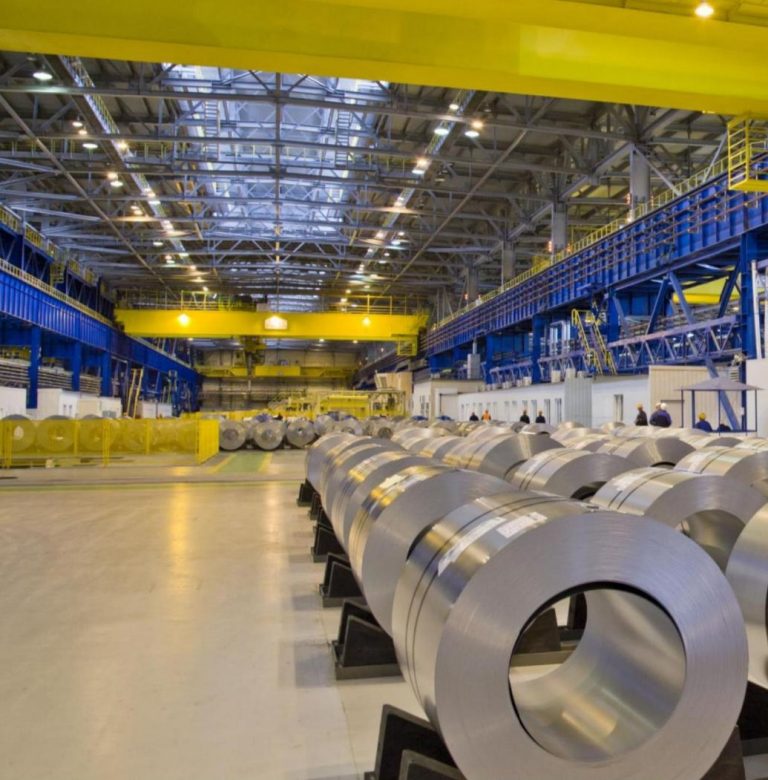
Mechanical and Electrical Engineering Considerations
In coil packing machines, mechanical and electrical engineering plays a crucial role in determining the load capacity. Each feature in a machine is meticulously engineered to handle specific operational demands. Mechanical engineering provides durability and precision, while electrical engineering optimizes automation controls and safety, ensuring cohesive efficiency.
Material Considerations
- Coil materials aren’t equal. Materials like steel are denser, requiring stronger mechanical designs. Each material impacts the load capacity differently.
- Understanding material behavior under stress helps engineers design machines that maximize load handling while minimizing wear and tear.
Machine Structure
- The frame must support coil loads without buckling under pressure. Engineering calculations determine the optimal material and thickness.
- Structural enhancements, like reinforced joints, improve load distribution and stability.
Electrical System Mechanics
- Automation capabilities depend heavily on robust electrical systems that manage load without faltering.
-
Precision in electrical design increases machine efficiency, reduces power consumption, and improves safety.
Reflecting on my experiences, understanding these variables is imperative. I had once underestimated the cumulative impact of minor inefficiencies, which nearly led to operational stalemate. Going forward, I strongly recommend prioritizing thorough evaluation of both mechanical and electrical facets to ensure your coil packing machines are equipped for your exacting requirements.
Learn more about maximizing machine load capacities on our website.
2. How to Calculate and Optimize Load Capacity in Coil Packing Machines?
Packing efficiency can make or break your production goals if you’re managing heavy materials like coils. The load capacity of coil packing machines is a critical factor that influences efficiency. Solve challenges and optimize performance by understanding the calculation and improvement techniques crucial for achieving smooth operations.
Calculating the load capacity of coil packing machines requires careful attention to machine specifications, product dimensions, and material handling capabilities. When assessing load capacity, consider variables such as the machine’s structural limits and the density of the coils being packed. Optimization involves balancing these parameters with operational needs, ensuring peak performance without risking machine wear or breakdown.

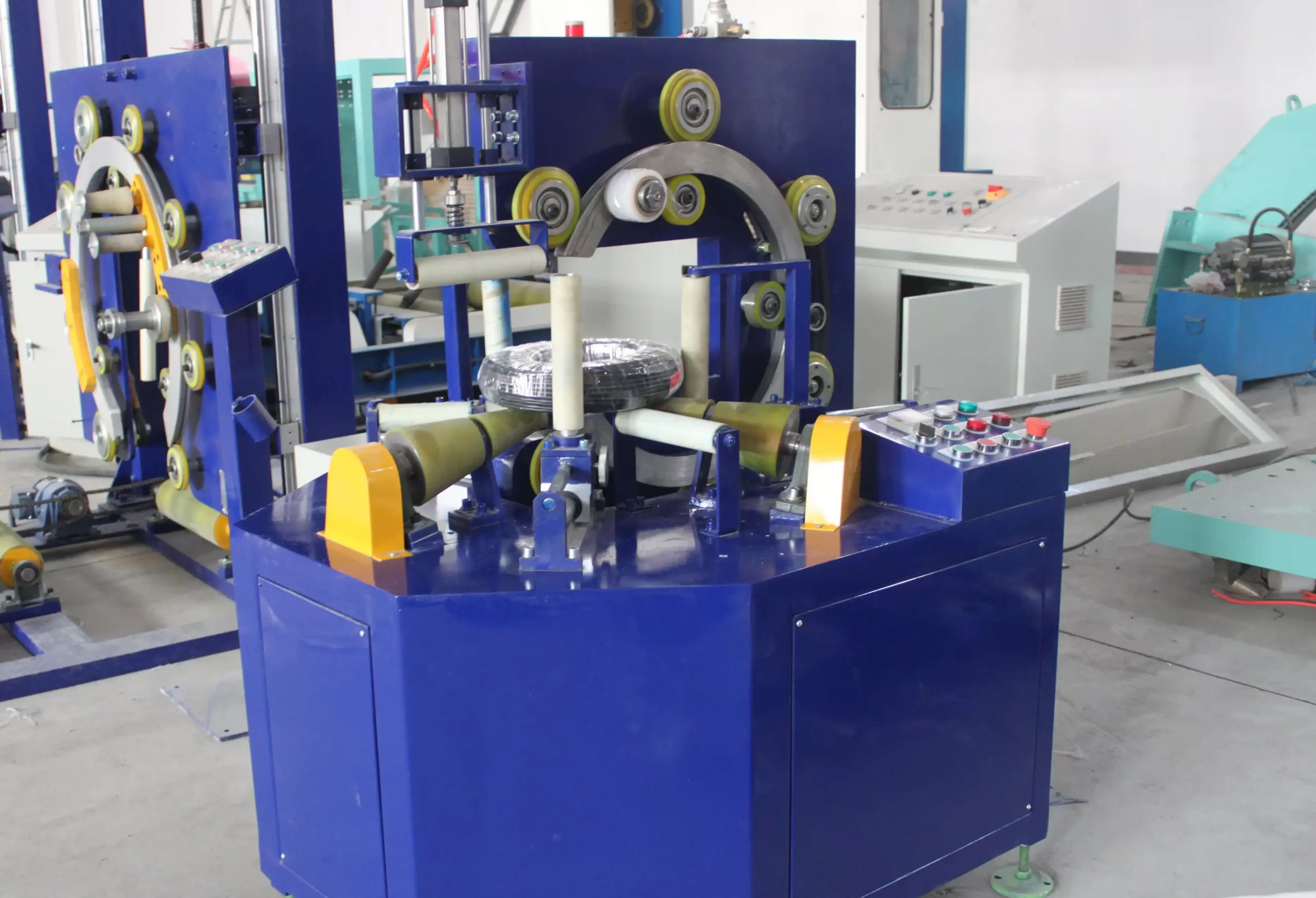
Key Considerations in Load Capacity Optimization
Optimization isn’t just about calculation; it’s about application and foresight. Leveraging automation and precision engineering can dramatically enhance both potential load standards and efficiency.
-
Coil Dimensions and Machine Specification: Understanding the correlation between your coil’s dimensions and the specifications of the machine is paramount. Larger coils require machines with greater load capacities, and size variances determine structural integrity and motor power requirements.
-
Durability and Material Handling: The quality of coil materials affects load capacity. Materials like steel demand machines with robust handling capabilities. This is where knowledge of mechanical engineering principles shines by assuring proper alignment, load distribution, and weight endurance.
-
Automation Systems Setup: Optimization involves integrating advanced automation systems. This aids in precise load calculations and operational adjustments, ensuring machine efficiency. Electrical engineering elements play a role here, as automation platforms control and react to weight changes, maintaining consistent performance.
| Factors | Influence on Load Capacity | Considerations |
|---|---|---|
| Coil Size | Affects load distribution requirements | Determine machine structural limits and material thickness |
| Material Type | Dictates handling and durability needs | Evaluate coil density against load-bearing elements |
| Automation Level | Impacts efficiency and precision adjustments | Consider integration of advanced electrical systems |
3. What Factors Influence the Load Capacity in Coil Packing Machines?
Mastering load capacity ensures that your coil packing machines function reliably under various conditions. Overlooking critical factors can lead to inefficiencies. Identifying these variables helps maintain optimal performance, reducing machine stress and avoiding costly downtimes.
Several factors influence the load capacity in coil packing machines, including coil characteristics, machine design, and environmental conditions. Understanding how each element interacts with the machine allows for adjustments and improvements in efficiency, ensuring equipment longevity.

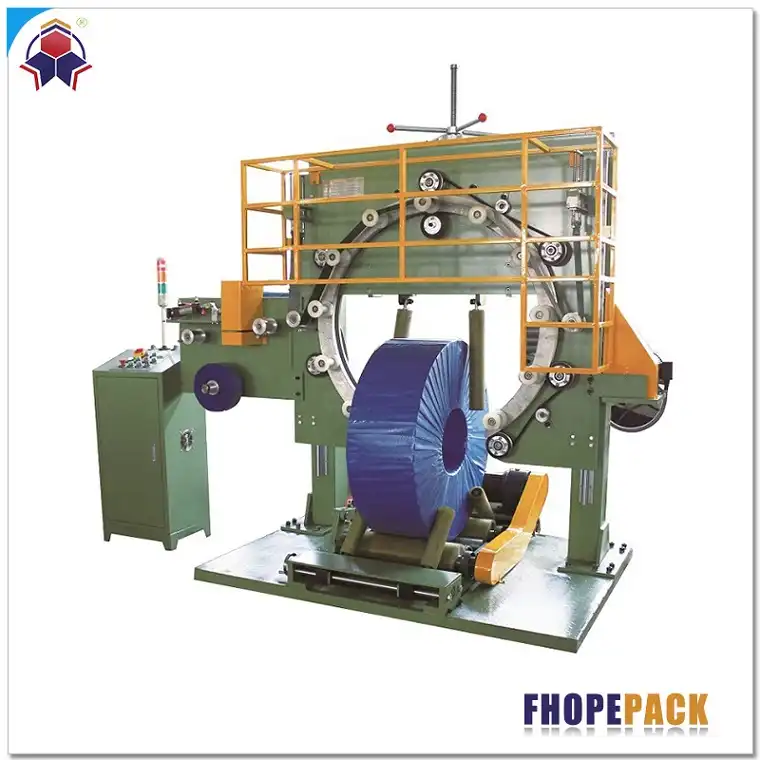
In-Depth Look at Influential Factors
Knowing what impacts load capacity aids in decision-making and operational planning. Let’s break down these determinants into essential categories.
-
Coil Characteristics: Coil diameter, width, and weight define how a machine handles its load. A larger coil exerts more force on packing systems, necessitating proper machine structure to handle the stress.
-
Machine Design: Machine construction influences load capacity, determined by factors like the strength of load bearings and the precision of motor operations. Mechanical engineering ensures these components remain adaptable to various coil dimensions.
-
Environmental Factors: Temperature and humidity may affect coil materials and machine components, requiring constant monitoring. Adjustments in load settings can mitigate these influences, maintaining operational efficiency.
| Influential Factors | Direct Impact | How to Mitigate |
|---|---|---|
| Coil Specifications | Increases pressure on machine components | Choose appropriate machines based on coil dimensions |
| Structural Design | Determines machine’s strength and reliability | Regular maintenance and engineering evaluations |
| Environmental Conditions | Affects material response and machine operation | Use climate control strategies and material-specific settings |
Conclusion
Understanding load capacity in coil packing machines is essential for optimizing performance and efficiency. By recognizing the determining factors, mastering calculation methods, and addressing influencing elements, engineers can enhance machine reliability and productivity in various mechanical and electrical applications.












