
Purchasing a slit coil packing system is a significant investment, a move that promises streamlined operations and boosted productivity. But with so many options and technical specifications, the process can quickly become overwhelming. Are you truly ready to navigate this complex landscape and make the right choice for your business?
Navigating the purchase of a slit coil packing system requires careful consideration. Key questions include assessing your operational needs, system reliability, total ownership costs, coil type compatibility, automation level, safety features, and maintenance requirements. Answering these questions ensures you select a system that enhances efficiency, minimizes downtime, and maximizes ROI.
Asking the right questions upfront can save you from costly mistakes and ensure you invest in a system that truly meets your needs. Let’s unwrap the essential inquiries to guide your purchasing decision.
What are Your Specific Operational Requirements?
Investing in a slit coil packing system without a clear understanding of your operational needs is like setting sail without a map. You might end up somewhere, but it’s unlikely to be your desired destination. Are you equipped to pinpoint exactly what your operation demands from a packing system?
Before purchasing a slit coil packing system, meticulously evaluate your operational needs. Consider your production volume, material specifications, coil dimensions, and integration requirements. A system tailored to your specific needs will optimize efficiency and prevent future bottlenecks.
Dive deeper into assessing your operational needs to ensure your slit coil packing system is a perfect fit for your facility.
Production Volume & Throughput
Accurately gauging your current and future production volume is paramount. Consider these factors:
- Current Output: How many coils do you process daily, weekly, or monthly?
- Future Scalability: Do you anticipate production increases in the coming years?
- Peak Demands: Are there seasonal or project-based peaks in your production?
| Factor | Considerations | Impact on System Choice |
|---|---|---|
| Production Volume | Current output, scalability, peak demands | System throughput, speed, automation level |
| Coil Size & Weight | Dimensions, weight ranges, material types | System capacity, handling mechanisms, customization |
| Material Specs | Steel, aluminum, copper, surface finishes | Material compatibility, specialized handling features |
| Space Constraints | Footprint, layout, integration with existing lines | System size, modularity, layout flexibility |
| Automation Needs | Level of automation, labor costs, efficiency goals | Automation features, system complexity, budget implications |
| Safety Standards | Compliance, risk assessment, operator safety | Safety features, certifications, training requirements |
Material Specifications & Coil Dimensions
Different materials and coil sizes demand specific system capabilities. Consider:
- Material Types: Will you be processing steel, stainless steel, aluminum, copper, or other metals?
- Coil Dimensions: What are the typical and maximum dimensions (width, gauge, OD, ID) of your coils?
- Weight Ranges: What are the weight ranges of the coils you handle?
Space and Integration
Integrating a new system into your existing facility requires careful planning:
- Available Space: Measure the available floor space and ceiling height.
- Layout Compatibility: How will the system integrate with your current slitting line and downstream processes?
- Utilities: Are the necessary electrical, pneumatic, or hydraulic connections readily available?
Automation and Labor
Automation can significantly impact efficiency and labor costs:
- Desired Automation Level: Do you need a fully automatic, semi-automatic, or manual system?
- Labor Costs: What are your current labor costs for coil packing?
- Efficiency Goals: What level of throughput and efficiency improvement are you targeting?
Safety and Compliance
Safety should be a top priority when selecting a system:
- Safety Standards: Does the system meet relevant industry safety standards (OSHA, ANSI, CE)?
- Risk Assessment: Have you conducted a risk assessment of your coil packing process?
- Safety Features: What safety features are essential for your operators (light curtains, emergency stops, guarding)?
By thoroughly analyzing these operational requirements, you’ll be well-equipped to select a slit coil packing system that is perfectly aligned with your business objectives.
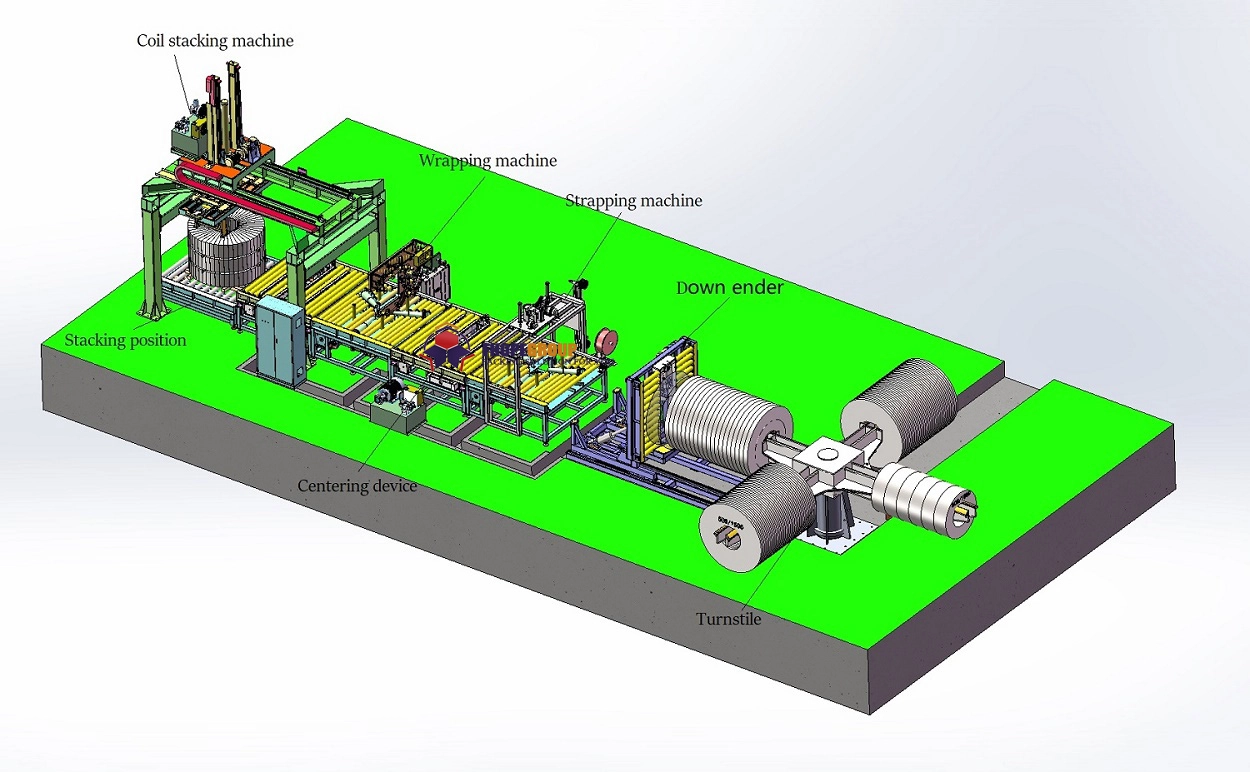
How Reliable and Efficient is the System?
In the demanding world of metal fabrication, downtime is the enemy. A slit coil packing system that falters in reliability or efficiency can quickly become a bottleneck, disrupting production schedules and eroding your bottom line. Can you afford to gamble on a system that might not stand the test of time?
System reliability and efficiency are paramount for a slit coil packing system. Assess build quality, automation technology, maintenance needs, and integration capabilities to ensure consistent performance and minimize downtime. A reliable and efficient system translates directly to increased productivity and profitability.
Let’s delve deeper into the critical aspects of reliability and efficiency to ensure your chosen system is a workhorse, not a liability.
Build Quality and Durability
The foundation of a reliable system lies in its build quality. Consider these factors:
- Materials Used: What materials are used in the system’s construction (steel grade, component quality)?
- Component Brands: Are critical components (PLC, motors, hydraulics) sourced from reputable manufacturers?
- Construction Robustness: Is the system designed for heavy-duty, continuous operation?
| Factor | Description | Impact on Reliability & Efficiency |
|---|---|---|
| Build Quality | Material grade, component quality, construction | Durability, longevity, reduced downtime, lower maintenance |
| Automation Tech | PLC type, sensors, HMI | Speed, consistency, accuracy, reduced labor, fewer errors |
| Maintenance Needs | Accessibility, preventative maintenance, spare parts | Downtime reduction, ease of maintenance, cost of ownership |
| System Integration | Compatibility, data exchange, ease of integration | Streamlined workflow, improved data tracking, enhanced efficiency |
Automation Capabilities and Technology
Advanced automation is key to maximizing efficiency:
- PLC and Controls: What type of Programmable Logic Controller (PLC) is used? Is the control system user-friendly and robust?
- Sensors and Feedback: Does the system utilize sensors for accurate coil positioning and tension control?
- HMI (Human-Machine Interface): Is the HMI intuitive and easy for operators to use and monitor?
Maintenance Requirements and Accessibility
Easy maintenance is crucial for minimizing downtime:
- Maintenance Schedule: What is the recommended preventative maintenance schedule?
- Accessibility: Are components easily accessible for maintenance and repair?
- Spare Parts Availability: Are spare parts readily available and reasonably priced?
System Integration Capabilities
Seamless integration with your existing systems streamlines operations:
- Data Exchange: Can the system communicate with your slitting line and ERP/MES systems?
- Physical Integration: Does the system physically fit and integrate smoothly with your existing layout?
- Software Compatibility: Is the system’s software compatible with your current systems?
Investing in a reliable and efficient system upfront will pay dividends in the long run through reduced downtime, lower maintenance costs, and increased productivity.
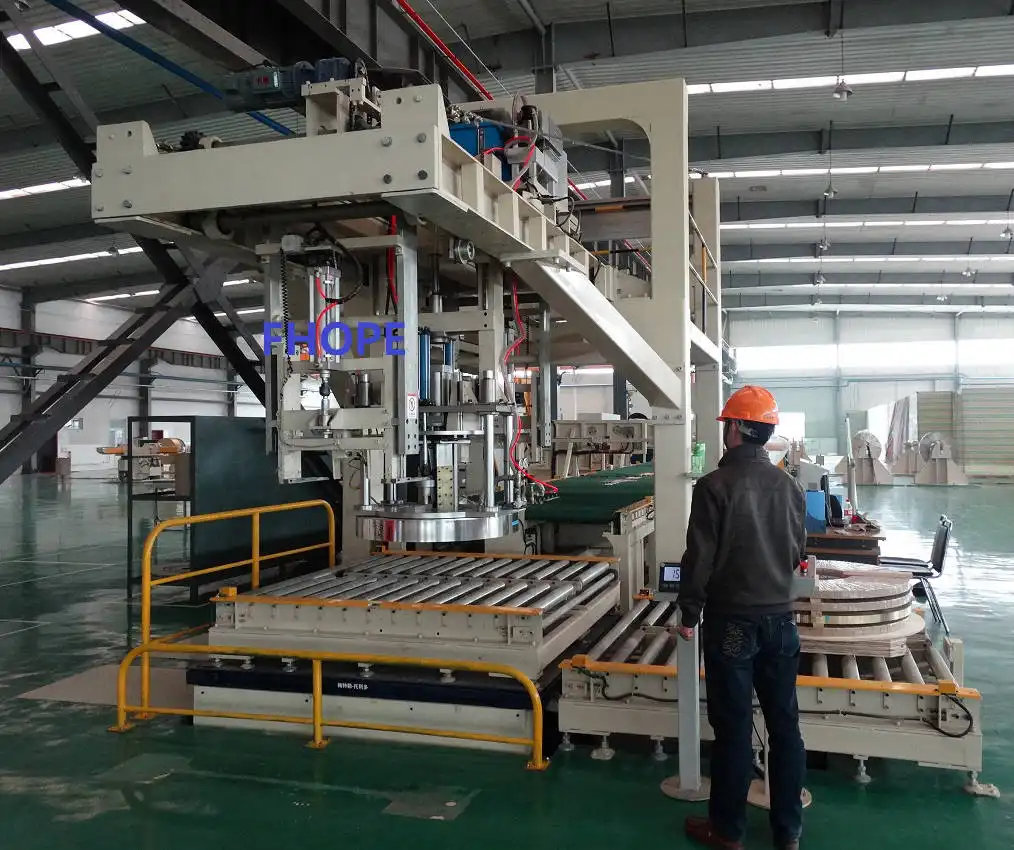
What are the Total Costs of Ownership?
The sticker price of a slit coil packing system is just the tip of the iceberg. True cost-effectiveness lies in understanding the total cost of ownership (TCO), which encompasses a range of expenses throughout the system’s lifecycle. Are you prepared to look beyond the initial investment and calculate the long-term financial implications?
Beyond the initial purchase price, consider the total cost of ownership, including installation, maintenance, operation, and training. A comprehensive cost analysis ensures accurate budgeting and maximizes return on investment. Hidden costs can significantly impact profitability, making a thorough TCO assessment crucial.
Let’s break down the cost categories to give you a clear picture of the financial commitment involved in owning a slit coil packing system.
Initial Purchase Price and Installation
The upfront costs are the most obvious, but often just the beginning:
- System Cost: Obtain detailed quotes from multiple suppliers, including all system components.
- Installation Costs: Factor in costs for site preparation, rigging, electrical work, pneumatic/hydraulic connections, and commissioning.
- Shipping and Taxes: Include shipping costs, import duties, and applicable taxes.
| Cost Category | Details | Estimated Cost Range |
|---|---|---|
| Purchase Price | Base system, options, accessories | \$50,000 – \$500,000+ |
| Installation Costs | Site prep, rigging, electrical, commissioning | \$10,000 – \$100,000+ |
| Maintenance Costs | Preventative, reactive, spare parts | \$5,000 – \$20,000+ annually |
| Operational Costs | Energy, consumables (wrapping, strapping) | \$2,000 – \$15,000+ annually |
| Training Costs | Operator, maintenance personnel | \$1,000 – \$5,000+ (one-time or ongoing) |
| Total Annual Cost | Sum of all costs (excluding purchase price) | \$8,000 – \$40,000+ annually |
Maintenance and Repair Costs
Ongoing maintenance is essential to keep your system running smoothly:
- Preventative Maintenance: What are the costs for routine maintenance (lubrication, inspections, adjustments)?
- Reactive Maintenance: Budget for potential repairs and component replacements.
- Spare Parts Inventory: Determine the recommended spare parts inventory and associated costs.
Operational Costs
Day-to-day operation incurs various expenses:
- Energy Consumption: What is the system’s energy consumption (electricity, compressed air)?
- Consumables: What are the costs for wrapping film, strapping, and other consumables?
- Labor Costs (Operation): Factor in labor costs for system operation, if not fully automated.
Training Costs
Proper training is crucial for both efficient operation and safety:
- Operator Training: What are the costs for initial operator training and ongoing training for new operators?
- Maintenance Training: Is training available for your maintenance personnel?
- Training Materials: Are comprehensive training manuals and documentation provided?
By meticulously considering all these cost categories, you can develop a realistic budget and accurately assess the long-term ROI of your slit coil packing system investment.

What Safety Features are Included?
In the high-powered environment of metal processing, safety isn’t just a recommendation – it’s a necessity. A slit coil packing system operates with immense force and heavy materials, making operator safety paramount. Are you prepared to prioritize safety and ensure your chosen system protects your most valuable asset – your people?
Prioritize safety features to protect operators and prevent accidents. Essential features include emergency stops, safety guards, sensor-based systems, light curtains, and interlocks. Investing in robust safety measures minimizes workplace hazards and ensures regulatory compliance.
Let’s examine the critical safety features to look for in a slit coil packing system to create a secure working environment.
Emergency Stop Buttons and Systems
Emergency stops are the first line of defense in critical situations:
- Strategic Placement: Are e-stop buttons strategically located around the system for easy access?
- System-Wide Stop: Do e-stops trigger a complete and immediate system shutdown?
- Redundancy: Are there redundant e-stop systems for critical areas?
| Safety Feature | Description | Benefit |
|---|---|---|
| Emergency Stops | Strategically placed buttons/systems for immediate shutdown | Prevents accidents, operator safety, quick response to hazards |
| Safety Guards/Barriers | Physical barriers around moving parts | Operator protection from moving machinery, hazard containment |
| Sensor Systems | Obstruction detection, presence sensing | Automatic system stop in unsafe conditions, accident prevention |
| Light Curtains/Scanners | Perimeter protection, zone monitoring | Prevents access to hazardous areas, operator safety, compliance |
| Interlocks | Safety door/guard monitoring, system disable | Prevents operation with open guards, operator safety, compliance |
Safety Guards and Barriers
Physical guards and barriers are essential for preventing accidental contact with moving parts:
- Comprehensive Coverage: Are all moving parts and pinch points adequately guarded?
- Robust Construction: Are guards made of sturdy materials and securely mounted?
- Interlocking Guards: Are guards interlocked to prevent operation when removed or opened?
Sensor-Based Safety Systems
Sensors enhance safety by detecting unsafe conditions:
- Obstruction Detection: Do sensors detect obstructions in the system’s path?
- Presence Sensing: Do sensors detect the presence of personnel in hazardous zones?
- Automatic Stop: Do sensors automatically stop the system in case of unsafe conditions?
Light Curtains and Safety Scanners
Light curtains and scanners create invisible safety zones:
- Perimeter Protection: Do light curtains or scanners create protective zones around hazardous areas?
- Automatic Stop: Does the system automatically stop if someone enters the safety zone?
- Adjustable Zones: Are safety zones adjustable to accommodate different operational needs?
Interlocks and Safety Switches
Interlocks ensure safe operation by preventing access to hazardous areas during operation:
- Guard Interlocks: Do safety doors and guards have interlocks that prevent operation when open?
- Maintenance Interlocks: Are there lockout/tagout procedures and interlocks for maintenance activities?
- Compliance: Do interlocks meet relevant safety standards and regulations?
Prioritizing these safety features will create a safer working environment for your operators, minimize the risk of accidents, and ensure compliance with safety regulations.

What are the Maintenance and Service Requirements?
Like any sophisticated machinery, a slit coil packing system requires regular maintenance to ensure peak performance and longevity. Ignoring maintenance can lead to costly breakdowns, production delays, and a shortened lifespan for your investment. Are you prepared to commit to a proactive maintenance strategy?
Regular maintenance and readily available service support are crucial for the long-term performance of a slit coil packing system. Inquire about routine maintenance procedures, preventative maintenance schedules, spare parts availability, technical support, and remote diagnostics to minimize downtime and maximize system lifespan.
Let’s explore the key aspects of maintenance and service to ensure your system remains a productive asset for years to come.
Routine maintenance is essential to ensure the long-term performance and reliability of any coil packaging system. Understanding the maintenance requirements and available service support is crucial for minimizing downtime and maximizing system lifespan.
Inquire about:
- Routine Maintenance Procedures
- Preventative Maintenance Schedules
- Spare Parts Availability
- Technical Support and Service Agreements
- Remote Diagnostics
Choose a system from a manufacturer that provides comprehensive maintenance documentation, readily available parts, and reliable technical support to ensure the longevity and consistent performance of your investment.
What is the Supplier’s Reputation and Support?
The supplier you choose is more than just a vendor – they are a long-term partner in your coil packing operations. Their reputation, reliability, and commitment to support can significantly impact your experience and the success of your investment. Are you prepared to vet potential suppliers thoroughly and choose a partner you can trust?
Supplier reputation and reliability are critical factors. Evaluate industry experience, customer references, financial stability, technical expertise, and warranty/service agreements to ensure a smooth purchase and ongoing support. A reputable supplier provides quality equipment and stands behind their products.
Let’s examine the key factors to consider when evaluating potential suppliers to ensure you choose a partner that will support your business for the long haul.
Supplier Evaluation Checklist:
- Industry Experience and Track Record: How long has the supplier been in the coil packing industry? Do they have a proven history of delivering reliable systems?
- Customer References and Testimonials: Can the supplier provide references or testimonials from satisfied customers?
- Financial Stability: Is the supplier financially stable and likely to be in business for the long term?
- Technical Expertise and Support Capabilities: Does the supplier have a knowledgeable technical team and responsive customer support?
- Warranty and Service Agreements: What type of warranty is offered? Are service agreements available to cover maintenance and repairs?
Selecting a reputable and reliable supplier ensures a smoother purchasing process, dependable equipment performance, and ongoing support throughout the system’s lifecycle.
Can the System be Customized or Scaled?
Your business is dynamic, and your needs will likely evolve over time. A coil packing system that is rigid and inflexible can become a limiting factor in your growth. Are you prepared to consider future needs and choose a system that can adapt and scale with your business?
Consider system customization and scalability to accommodate future needs and growth. Modular designs, adjustable settings, and integration capabilities ensure your system can adapt to changing production demands and remain a valuable asset for years to come. Flexibility and scalability protect your investment and ensure long-term value.
Let’s explore the aspects of customization and scalability to ensure your system can grow and evolve with your business.
Customization and Scalability Considerations:
- Modular Design: Does the system have a modular design that allows for easy expansion or reconfiguration?
- Adjustable Settings: Are system parameters adjustable to accommodate different coil types and packaging requirements?
- Integration with Future Upgrades: Is the system designed for future upgrades and integration with new technologies?
- Scalability for Increased Production: Can the system be scaled up to handle higher production volumes as your business grows?
Choosing a system with built-in flexibility and scalability protects your investment and ensures it can continue to meet your needs as your business evolves.
Conclusion
Answering these seven critical questions is your roadmap to a successful slit coil packing system purchase. By carefully evaluating your operational needs, prioritizing reliability and efficiency, understanding total costs, demanding robust safety features, planning for maintenance, choosing a reputable supplier, and ensuring scalability, you’ll be empowered to make an informed decision. This proactive approach guarantees an investment that enhances efficiency, minimizes downtime, and delivers a strong return, securing your operations for years to come. Don’t compromise on slit edge protection – choose wisely and pack with confidence.
Investing in a slit coil packing system 1 without a clear understanding of your operational needs is like setting sail without a map. You might end up somewhere, but it’s unlikely to be your desired destination. Are you equipped to pinpoint exactly what your operation demands from a packing system?
Before purchasing a slit coil packing system, meticulously evaluate your operational needs. Consider your production volume 2, material specifications, coil dimensions, and integration requirements. A system tailored to your specific needs will optimize efficiency and prevent future bottlenecks.
Dive deeper into assessing your operational needs 3 to ensure your slit coil packing system is a perfect fit for your facility.
Like any sophisticated machinery, a slit coil packing system 1 requires regular maintenance to ensure peak performance and longevity. Ignoring maintenance can lead to costly breakdowns, production delays, and a shortened lifespan for your investment. Are you prepared to commit to a proactive maintenance strategy?
Regular maintenance and readily available service support are crucial for the long-term performance of a slit coil packing system. Inquire about routine maintenance procedures, preventative maintenance schedules 4, spare parts availability, technical support, and remote diagnostics to minimize downtime and maximize system lifespan.
Let’s explore the key aspects of maintenance and service to ensure your system remains a productive asset for years to come.
Routine maintenance is essential to ensure the long-term performance and reliability of any coil packaging system. Understanding the maintenance requirements and available service support is crucial for minimizing downtime and maximizing system lifespan.
-
Understanding the mechanics of a slit coil packing system can help you make informed decisions for your operations. ↩ ↩
-
Explore this link to discover essential maintenance practices that can enhance the performance and longevity of your slit coil packing system. ↩
-
Learn how implementing preventative maintenance schedules can significantly reduce downtime and extend the life of your machinery. ↩
-
Knowing the factors that affect production volume can guide you in selecting the right packing system for your needs. ↩








