

The Way You Should Know About PVC Pipe Bundle Packing
PVC pipe bundle packing is crucial for safe transport and storage, preventing damage and ensuring pipes arrive in perfect condition. Discover the best practices for efficient and secure packing.

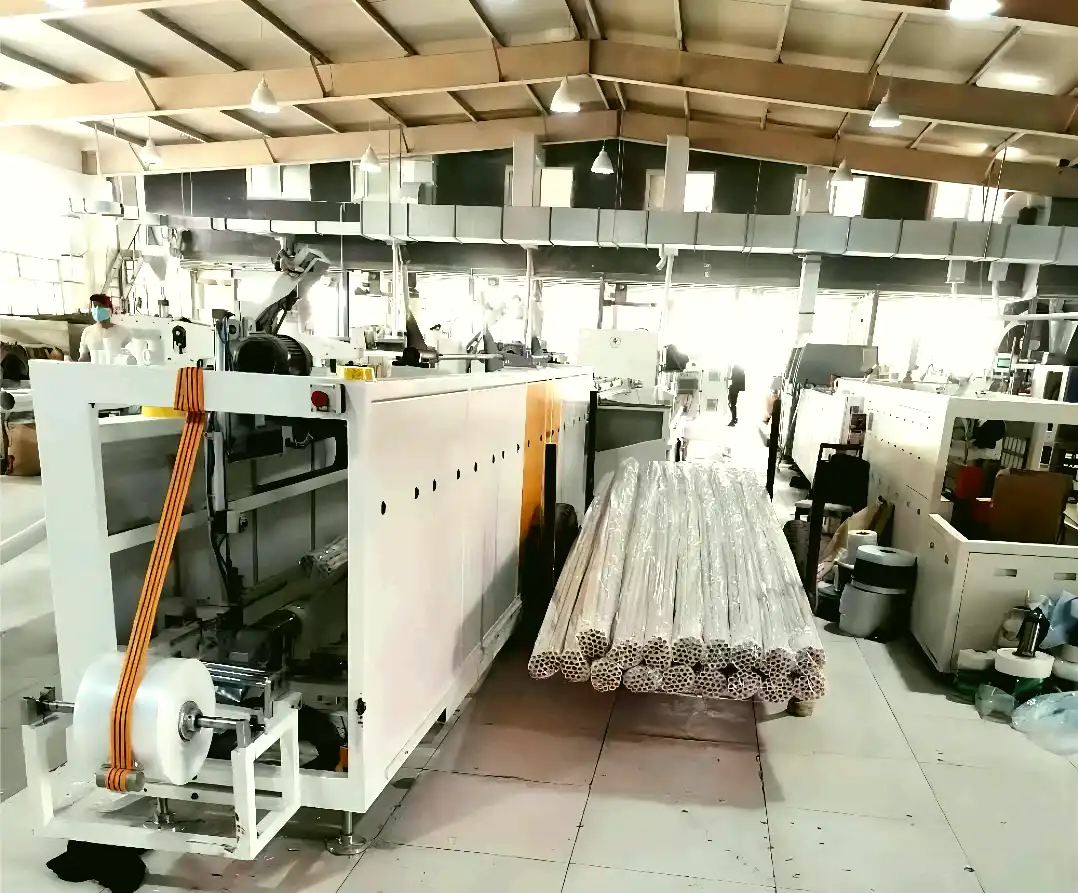
PVC pipes are typically bundled using straps, shrink wrap, or specialized packaging frames to prevent damage during transportation and storage. Proper packing ensures pipes remain secure, minimizing the risk of cracks, dents, or other costly imperfections, thus preserving their quality and usability.
Efficient Pipe bundle packing is essential in the PVC industry. Understanding the right techniques and materials can significantly impact cost savings and operational efficiency. Let’s delve into the details.
1. Benefits of Efficient PVC Pipe Bundle Packing
Efficient PVC pipe bundle packing offers many advantages. From preventing damage to improving handling, the right packing methods can significantly impact your bottom line. Explore the key benefits below.
Efficient PVC pipe bundle packing prevents damage by securing pipes during transit, reducing the risk of cracks, dents, and scratches. It enhances handling and transportation, making it easier to load, unload, and store pipes. This results in lower replacement costs and improved operational efficiency.

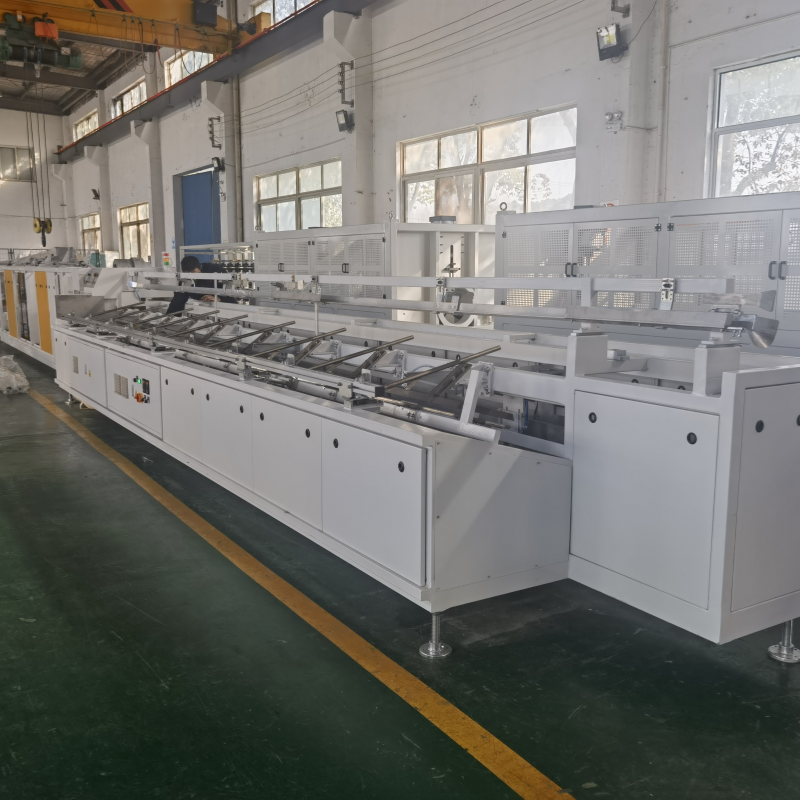
Maximizing Efficiency and Minimizing Costs
Efficient PVC pipe bundle packing is not just about protecting the pipes; it’s also about optimizing your operations and reducing costs. A well-packed bundle is easier to handle, transport, and store. This leads to reduced labor costs, lower shipping expenses, and minimized material waste. Moreover, proper packing ensures that the pipes arrive in good condition, avoiding returns and replacements, which further contributes to cost savings.
Reducing Damage During Transportation
Transportation is a critical phase where pipes are highly susceptible to damage. Vibrations, impacts, and shifting loads can cause cracks, dents, and scratches. Effective packing methods mitigate these risks by securing the pipes firmly within the bundle, preventing movement and absorbing shocks. This ensures that the pipes remain intact and ready for use upon arrival.
Enhancing Storage Efficiency
Efficient packing also optimizes storage space. Properly bundled pipes can be stacked neatly and securely, maximizing the use of available space. This is particularly important in warehouses and storage yards where space is often limited. By organizing pipes into compact bundles, you can store more pipes in the same area, reducing the need for additional storage facilities.
Streamlining Handling Processes
Handling pipes can be a labor-intensive and time-consuming process. However, efficient packing methods can streamline these processes, making it easier to load, unload, and move pipes around. Well-packed bundles can be handled with forklifts or other equipment, reducing the need for manual labor and speeding up the handling process.
To illustrate the benefits, consider the following comparison:
| Feature | Poor Packing | Efficient Packing |
|---|---|---|
| Damage Rate | 5-10% | 1-2% |
| Storage Space Usage | Low | High |
| Handling Time | High | Low |
| Labor Costs | High | Low |
| Shipping Costs | High | Low |
In summary, efficient PVC pipe bundle packing is an essential practice that offers numerous benefits. By reducing damage, optimizing storage space, and streamlining handling processes, you can significantly improve your operations and reduce costs.
2. Types of PVC Pipe Bundle Packing Methods
Various methods exist for packing PVC pipes, each with its own advantages. Understanding these methods helps you choose the best approach for your specific needs, ensuring maximum protection and efficiency.
Common methods include strapping, shrink wrapping, and using pipe packaging frames. Strapping involves using bands to secure pipes, while shrink wrapping encases the bundle in plastic for protection. Packaging frames offer a robust structure for heavy-duty applications.

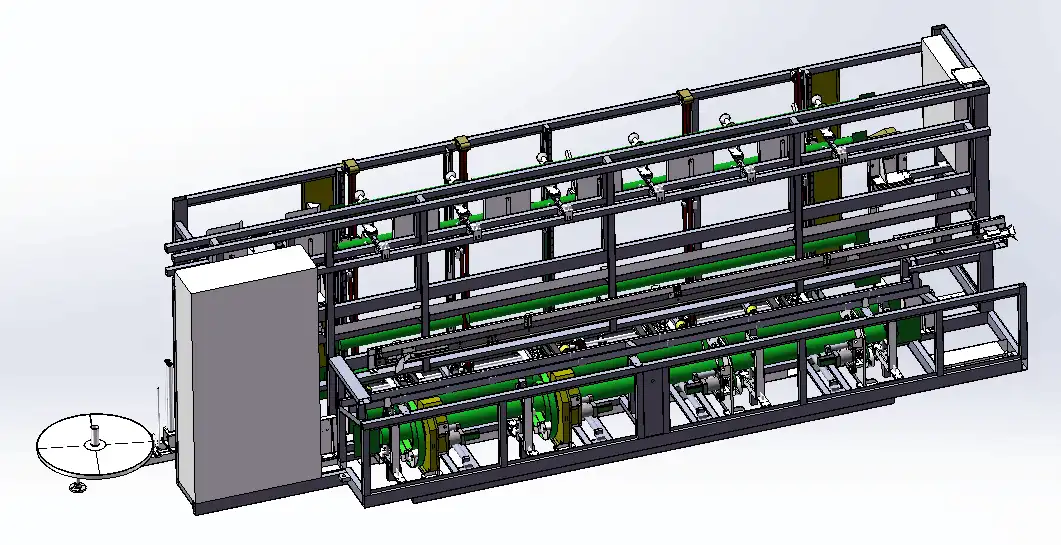
Deep Dive into Techniques
Exploring the techniques more deeply reveals why some are better suited for certain applications. Strapping is cost-effective but may not provide full protection against moisture. Shrink wrapping offers excellent protection but can be more labor-intensive. Packaging frames, while more expensive, provide superior structural support.
Strapping
Strapping is one of the most basic and cost-effective methods for bundling PVC pipes. It involves using plastic or steel bands to secure the pipes together. Strapping is quick and easy to apply, making it suitable for high-volume operations. However, it may not provide adequate protection against moisture, dust, and other environmental factors.
Shrink Wrapping
Shrink wrapping involves encasing the PVC pipe bundle in a plastic film and then applying heat to shrink the film tightly around the pipes. This method provides excellent protection against moisture, dust, and UV radiation. Shrink wrapping also creates a uniform and secure bundle, making it easier to handle and transport. However, it can be more labor-intensive than strapping and requires specialized equipment.
Pipe Packaging Frames
Pipe packaging frames are designed to provide superior structural support for PVC pipe bundles. These frames are typically made of steel or wood and are designed to hold the pipes securely in place. Packaging frames are ideal for heavy-duty applications where the pipes need to be protected from damage during transportation and storage. However, they can be more expensive than strapping or shrink wrapping.
| Method | Cost | Protection | Ease of Use | Best For |
|---|---|---|---|---|
| Strapping | Low | Moderate | High | General bundling |
| Shrink Wrapping | Moderate | High | Moderate | Moisture and dust protection |
| Packaging Frames | High | Very High | Low | Heavy-duty and long-term storage |
3. Step-by-Step Guide to PVC Pipe Bundle Packing
Packing PVC pipes effectively requires a systematic approach. Follow these steps to ensure your pipes are securely bundled, minimizing the risk of damage during handling and transport.
The process typically involves aligning the pipes, securing them with straps or bands, and then wrapping the bundle in protective material. Ensure the bundle is tight and stable to prevent shifting during transit.

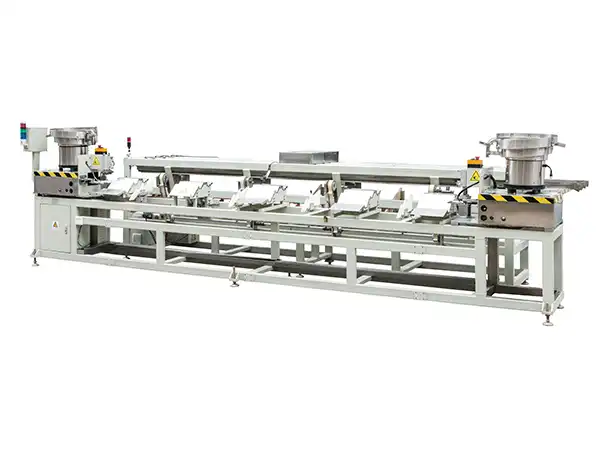
Ensuring a Secure and Stable Bundle
To ensure a secure and stable bundle, consider these sub-steps for a detailed understanding of best practices. Each step is crucial in achieving the desired outcome of a damage-free shipment.
Step 1: Preparation
Begin by gathering all the necessary materials: PVC pipes, strapping bands, strapping tool, protective wrapping material (e.g., cardboard, foam), and measuring tape. Inspect the pipes for any existing damage and clean them to remove dirt and debris. Ensure you have a flat, stable surface to work on.
Step 2: Alignment
Align the PVC pipes, ensuring they are straight and even. Group them according to size and type to create a uniform bundle. Use a measuring tape to ensure all pipes are of the same length.
Step 3: Strapping
Place the strapping bands around the aligned pipes at regular intervals (e.g., every 2-3 feet). Use a strapping tool to tighten and secure the bands. Ensure the straps are snug but not so tight that they damage the pipes. For larger bundles, use additional straps for added security.
| Step | Description | Materials Required |
|---|---|---|
| 1. Preparation | Gather materials, inspect pipes, and clean them. | PVC pipes, strapping bands, strapping tool, cleaning supplies |
| 2. Alignment | Align pipes by size and type on a flat surface. | Measuring tape |
| 3. Strapping | Secure pipes with straps at regular intervals. | Strapping tool |
4. Optimizing Horizontal Wrapper Settings for PVC Pipes

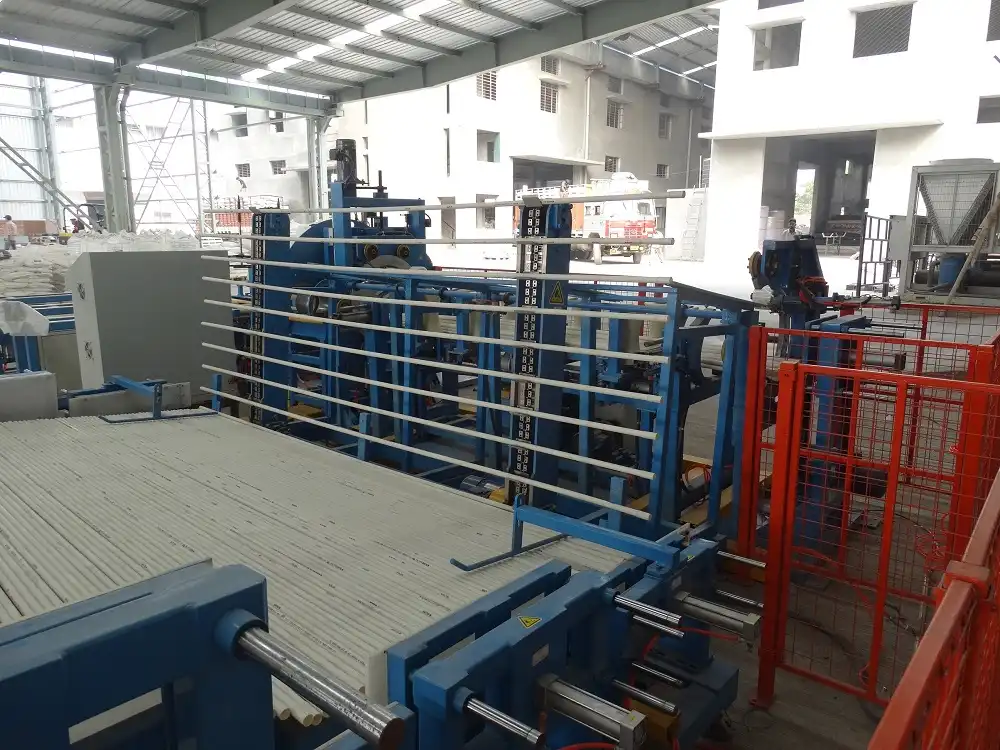
Optimizing horizontal wrapper settings for PVC pipes is crucial for ensuring efficient and cost-effective packaging. Here’s a detailed guide on how to adjust key parameters to achieve the best results:
- Tension Control: Adjust the tension to prevent crushing the pipes while ensuring a tight, secure wrap.
- Overlap: Set the overlap to provide sufficient coverage without excessive material use.
- Speed: Adjust the wrapping speed to match the pipe size and material.
- Film Type: Choose the right film for your application, considering thickness and strength.
Conclusion
Efficient PVC pipe bundle packing is essential for protecting your products, streamlining operations, and reducing costs. By understanding the benefits, methods, and steps involved, you can ensure your pipes arrive in perfect condition, ready for use. Embracing these practices will undoubtedly improve your bottom line.












