

How to Connect the PVC Pipe Packing Line with Extruder
Connecting a PVC pipe packing line to an extruder enhances production efficiency. It streamlines the process, minimizing manual labor and ensuring a seamless flow from extrusion to packaging. This integration is crucial for modern PVC pipe manufacturing.

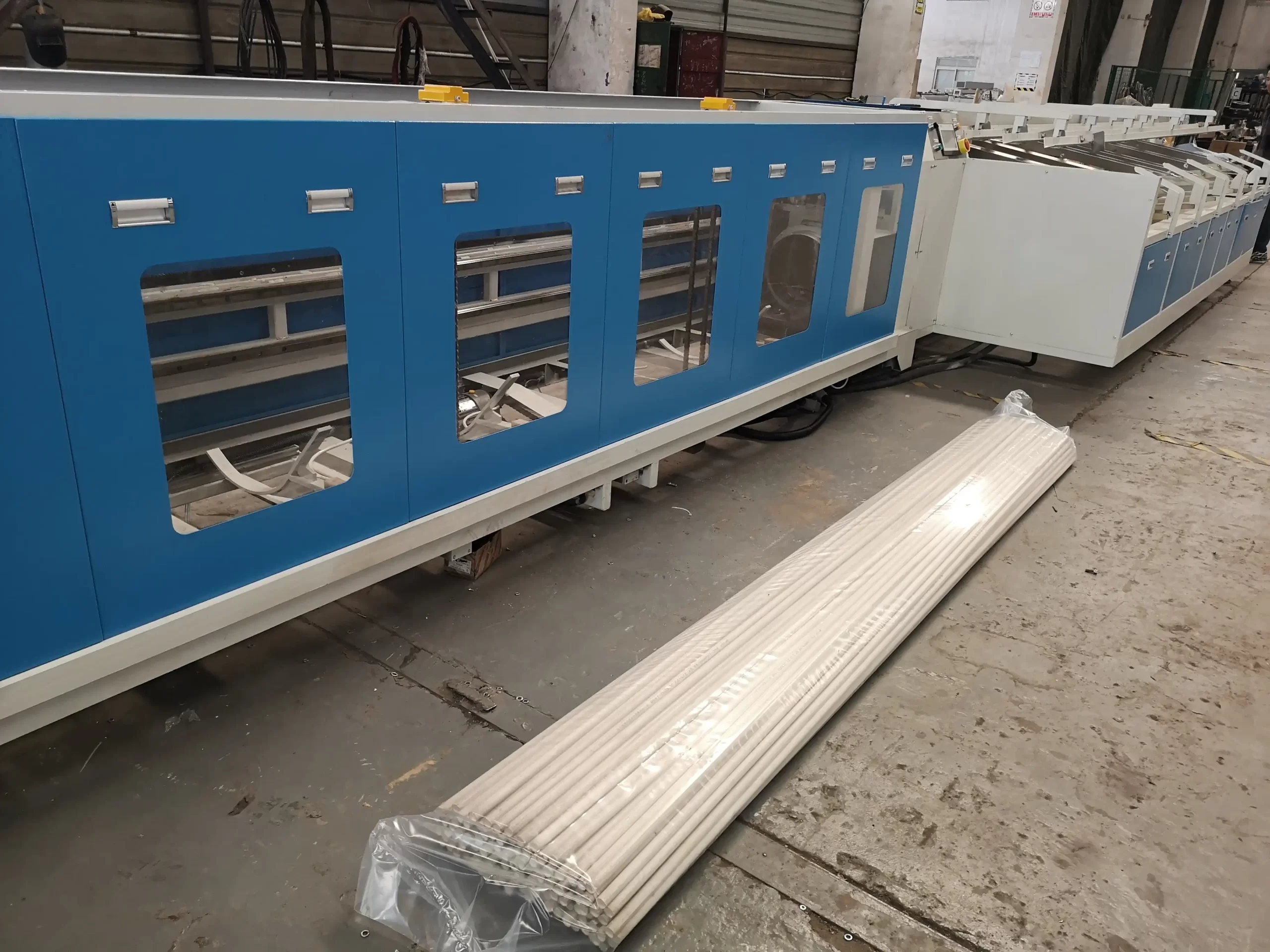
Connecting a PVC pipe packing line with an extruder involves synchronizing the output of the extruder with the input of the packing line. This is achieved through careful calibration of speeds and the implementation of automated transfer systems to ensure a continuous, efficient flow of PVC pipes from production to packaging.
Ready to optimize your PVC pipe production? Let’s delve into the specifics of connecting your extrusion line with an automatic packing system and how it can revolutionize your operations.
Streamlining Production: The Benefits of Integration
Integrating a PVC pipe packing line with an extruder yields substantial improvements. Automating the process minimizes handling, reduces material waste, and significantly lowers labor costs. This synergy boosts overall productivity and ensures consistent quality.
The primary benefit of connecting a PVC pipe packing line with an extruder is the enhanced efficiency gained by automating the transfer of pipes directly from the extrusion process to packaging. This eliminates manual handling, reduces labor costs, minimizes damage to the pipes, and ensures a consistent and reliable output. It also allows for real-time data collection and monitoring of the production process, leading to better quality control and optimized performance.

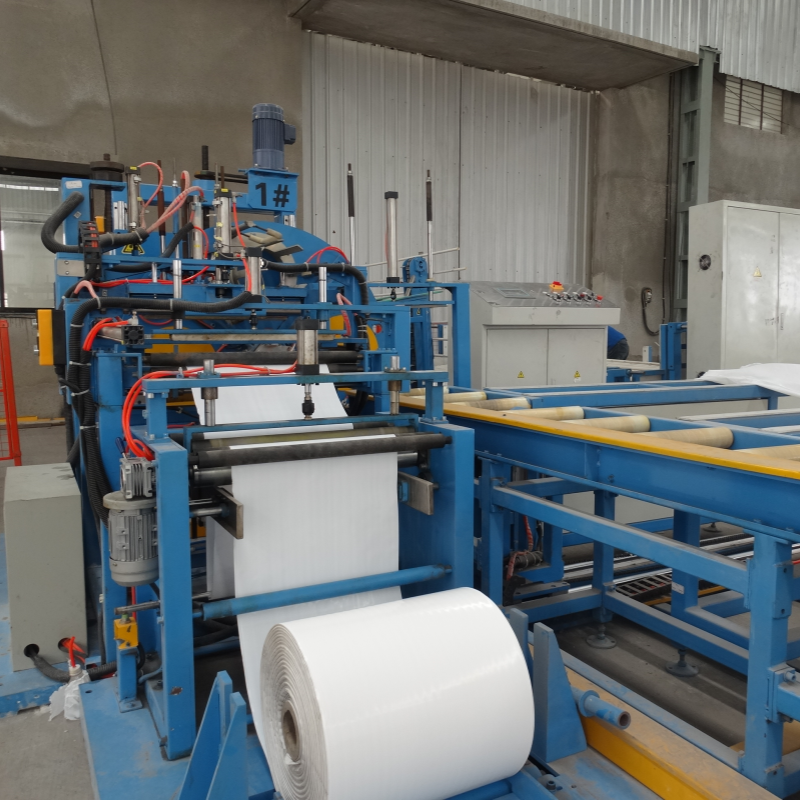
Optimizing Efficiency: A Deep Dive into Integration Challenges
While integrating PVC pipe packing lines with extruders offers numerous benefits, several challenges must be addressed to ensure seamless operation. These challenges include synchronization of production speeds, space constraints, and the need for adaptable systems capable of handling different pipe sizes. A comprehensive understanding of these challenges is essential for successful implementation.
Synchronization of Production Speeds
One of the most critical aspects of integrating a PVC pipe packing line with an extruder is ensuring that the production speed of the extruder matches the packing capacity of the packing line. If the extruder produces pipes faster than the packing line can handle, it can lead to bottlenecks and production delays. Conversely, if the packing line is faster than the extruder, it can result in inefficiencies and idle time.
To address this challenge, it’s essential to carefully calibrate the speeds of both the extruder and the packing line. This may involve adjusting the extruder’s output speed or the packing line’s processing rate. In some cases, it may be necessary to install a buffer system to accumulate pipes temporarily and ensure a steady flow to the packing line.
Space Constraints
Another challenge of integrating PVC pipe packing lines with extruders is the limited space available in many manufacturing facilities. Extruders and packing lines can be large pieces of equipment, and finding room for both can be difficult, especially in older facilities.
To overcome this challenge, it’s essential to carefully plan the layout of the production line. This may involve rearranging existing equipment or investing in more compact packing line designs. In some cases, it may be necessary to expand the facility to accommodate the new equipment.
Adaptability to Different Pipe Sizes
PVC pipes come in a variety of sizes, and it’s essential that the packing line be able to handle these different sizes efficiently. If the packing line is only designed for one size of pipe, it can limit the flexibility of the production line and make it difficult to respond to changing customer demands.
To address this challenge, it’s essential to invest in a packing line that is adaptable to different pipe sizes. This may involve using adjustable guides and conveyors or investing in a modular packing line that can be easily reconfigured to handle different pipe sizes.
Here’s a table summarizing these challenges:
| Challenge | Description | Mitigation Strategies |
|---|---|---|
| Synchronization of Speeds | Mismatch between extruder output and packing line capacity leading to bottlenecks or inefficiencies. | Calibrate extruder and packing line speeds, implement buffer systems to manage flow, and use variable speed drives to fine-tune performance. |
| Space Constraints | Limited space in manufacturing facilities making it difficult to accommodate both the extruder and the packing line. | Optimize facility layout, invest in compact packing line designs, and consider facility expansion if necessary. |
| Adaptability to Pipe Sizes | Inability of the packing line to handle different pipe sizes, limiting flexibility and responsiveness to customer demands. | Invest in packing lines with adjustable guides and conveyors, use modular designs for easy reconfiguration, and consider quick-changeover systems for rapid adaptation to new sizes. |
Addressing these challenges proactively will ensure a smooth and efficient integration process, maximizing the benefits of connecting the Automatic PVC pipe packing line with your extruder.
Selecting the Right Packing Line for Your Extruder
Choosing the appropriate packing line involves assessing production volume, pipe dimensions, and desired level of automation. Matching the packing line’s capabilities to the extruder’s output is essential for maximizing efficiency and minimizing downtime. A thorough evaluation ensures optimal performance.

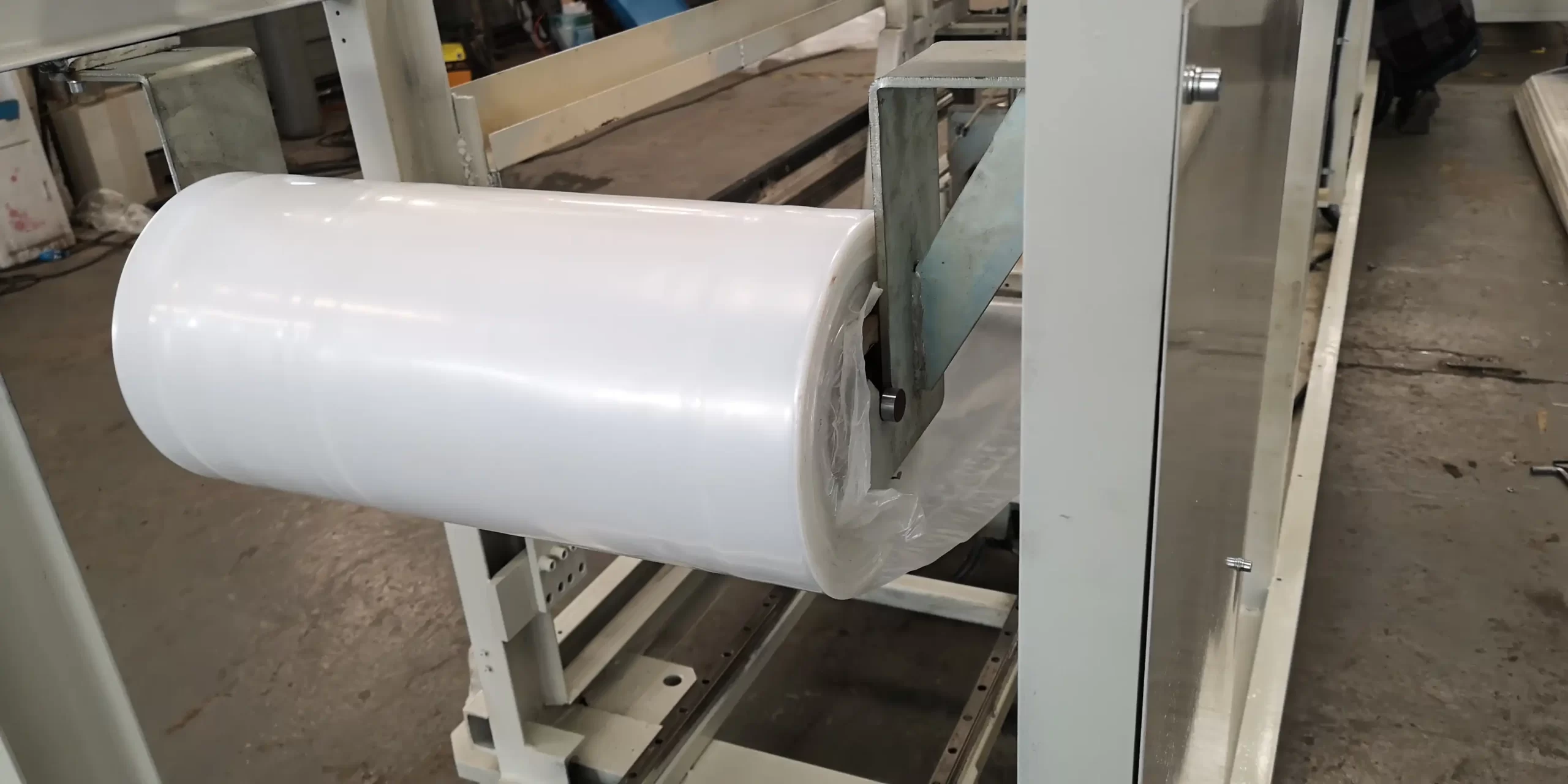
Selecting the right packing line requires careful consideration of the extruder’s output capacity, the range of pipe sizes produced, and the desired level of automation. The packing line should be capable of handling the volume of pipes produced by the extruder without creating bottlenecks, and it should be adaptable to different pipe diameters and lengths. Automation features should align with the manufacturer’s goals for labor reduction and efficiency gains.
Key Technical Specifications for Seamless Integration
To ensure seamless integration, several technical specifications must be considered when selecting a PVC pipe packing line. These include the packing speed, the range of pipe diameters and lengths the machine can handle, the type of packing material used, and the level of automation offered. Paying attention to these details will help you choose a packing line that is well-suited to your needs.
Packing Speed
The packing speed of the machine is a critical factor to consider, as it directly impacts the overall efficiency of the production line. The packing speed should be sufficient to handle the output of the extruder without creating bottlenecks. It’s important to note that packing speed is often expressed in terms of pipes per minute or bundles per hour, so be sure to compare these metrics when evaluating different machines.
Pipe Diameter and Length Range
The range of pipe diameters and lengths that the machine can handle is another important consideration. Make sure that the machine is capable of handling the full range of pipe sizes that you produce. If you plan to produce new pipe sizes in the future, it’s a good idea to choose a machine that can be easily adjusted to accommodate these new sizes.
Packing Material Type
The type of packing material used by the machine is also an important factor to consider. Common packing materials include PE film, woven bags, and adhesive tape. The choice of packing material will depend on the type of pipe being packed, the desired level of protection, and the cost of the material.
Level of Automation
The level of automation offered by the machine is another key consideration. Some machines are fully automatic, while others require manual operation. The level of automation should be aligned with your goals for labor reduction and efficiency gains. Automatic machines typically offer higher packing speeds and require less manual labor, but they also tend to be more expensive.
Here’s a look at how different packing lines compare across these specifications:
| Specification | High-Speed Automatic Packing Line | Semi-Automatic Packing Line | Manual Packing System |
|---|---|---|---|
| Packing Speed | 60+ pipes/minute | 30-50 pipes/minute | < 20 pipes/minute |
| Diameter Range | 16-200mm | 20-160mm | Limited to one size |
| Material Type | PE Film, Woven Bags | PE Film, Tape | Tape only |
| Automation Level | Fully Automatic | Semi-Automatic | Manual |
By carefully considering these technical specifications, you can select a PVC pipe packing line that will seamlessly integrate with your extruder and optimize your production process.
Optimizing Performance: Integrating the Packing Line
Achieving optimal performance requires fine-tuning the connection between the extruder and the packing line. This includes calibrating sensors, adjusting conveyor speeds, and ensuring seamless data transfer between the two systems. Precise adjustments maximize efficiency and minimize errors.


To optimize performance, the packing line must be carefully synchronized with the extruder. This involves calibrating sensors to accurately detect pipe length and diameter, adjusting conveyor speeds to match the extruder’s output, and establishing seamless data transfer between the two systems for real-time monitoring and control. Regular maintenance and operator training are also crucial for sustained optimal performance.
Troubleshooting Common Integration Issues
Even with careful planning and execution, integrating a PVC pipe packing line with an extruder can sometimes present challenges. Common issues include pipe jamming, inconsistent packing, and data transfer errors. Addressing these issues promptly is essential for maintaining production efficiency and minimizing downtime.
Pipe Jamming
Pipe jamming can occur when pipes become misaligned or obstructed as they move from the extruder to the packing line. This can be caused by a variety of factors, including improper conveyor alignment, damaged rollers, or variations in pipe diameter.
To prevent pipe jamming, it’s essential to ensure that the conveyor system is properly aligned and that all rollers are in good condition. It’s also important to implement quality control measures to ensure that pipes meet the specified diameter tolerances. In some cases, it may be necessary to install sensors to detect misaligned pipes and automatically stop the production line to prevent jamming.
Inconsistent Packing
Inconsistent packing can occur when the packing line is not properly calibrated or when there are variations in the packing material. This can result in improperly wrapped bundles, damaged pipes, and customer dissatisfaction.
To prevent inconsistent packing, it’s essential to calibrate the packing line regularly and to use high-quality packing materials. It’s also important to train operators on proper packing techniques and to implement quality control measures to ensure that all bundles meet the specified standards.
Data Transfer Errors
Data transfer errors can occur when there are communication problems between the extruder and the packing line. This can result in inaccurate production data, missed orders, and other problems.
To prevent data transfer errors, it’s essential to ensure that the communication system is properly configured and that all cables are securely connected. It’s also important to implement error-checking procedures to detect and correct any data transfer errors that may occur.
Here’s a table summarizing troubleshooting tips for common issues:
| Issue | Possible Causes | Troubleshooting Steps |
|---|---|---|
| Pipe Jamming | Misaligned conveyors, damaged rollers, pipe variations | Align conveyors, replace damaged rollers, implement quality control for pipe dimensions, install sensors for misalignment detection. |
| Inconsistent Packing | Improper calibration, packing material variations | Calibrate packing line regularly, use high-quality packing materials, train operators on proper techniques, implement quality control for bundle standards. |
| Data Transfer Errors | Communication problems, loose cables | Configure communication system correctly, secure cables, implement error-checking procedures for data transfer, test data flow regularly. |
By proactively addressing these common integration issues, you can ensure that your PVC pipe production line operates smoothly and efficiently.
The Future of PVC Pipe Packing: Automation and Innovation

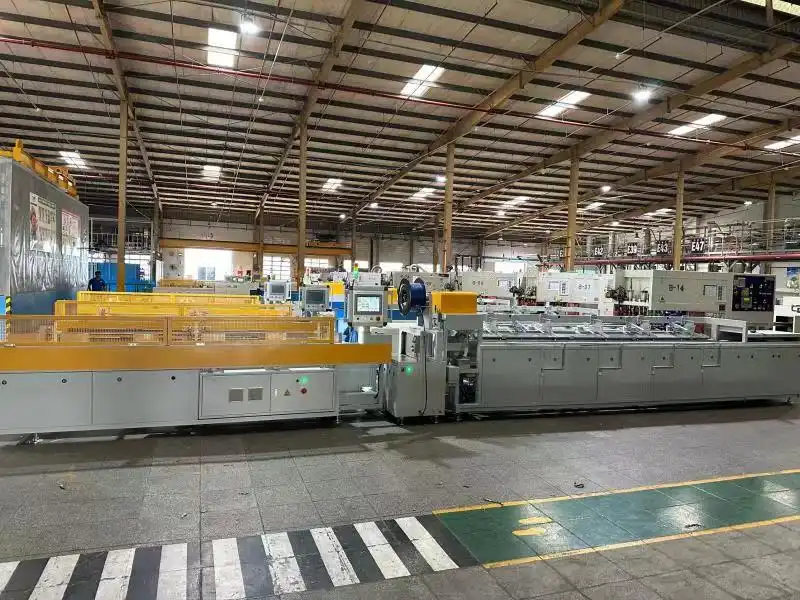
The future of PVC pipe packing is undeniably linked to automation and continuous innovation. As technology advances, we can expect to see even more sophisticated packing lines that are capable of handling a wider range of pipe sizes and materials. These advanced systems will not only increase efficiency and reduce labor costs but also improve the overall quality and consistency of the finished product. Stay ahead by embracing these advancements.
The future of PVC pipe packing lies in enhanced automation, integrating AI-driven quality control, and developing more sustainable packing materials. Future systems will likely feature predictive maintenance, reducing downtime, and be more adaptable to diverse pipe sizes and packing configurations. The focus will be on creating a fully integrated, efficient, and environmentally conscious packing process.
Conclusion
Connecting a PVC pipe packing line with an extruder is a strategic move toward enhanced efficiency and reduced costs. By carefully considering the technical specifications, troubleshooting common issues, and staying abreast of the latest innovations, manufacturers can optimize their production processes and gain a competitive edge in the market. Embrace automation, and drive success in your PVC pipe manufacturing operations.












