
The Way You Should Know About the PPR Pipe Packing
PPR pipes are essential for modern plumbing. Ensuring they arrive undamaged is crucial. Proper PPR pipe packing line is key to preserving their integrity during storage and transport.
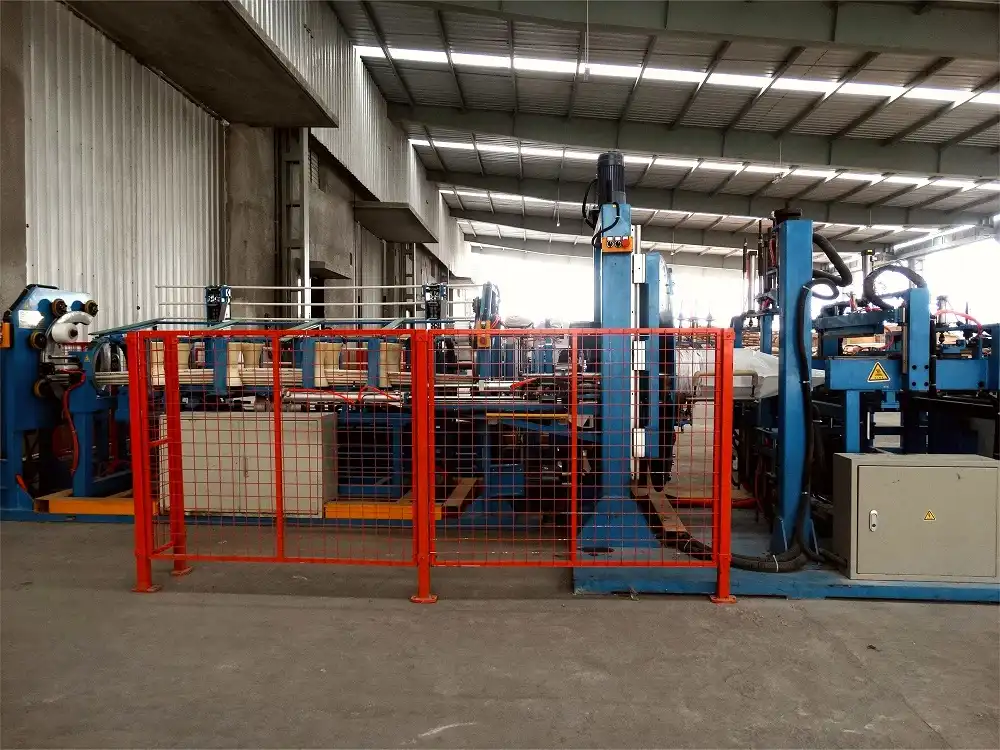
Effective PPR pipe packing involves bundling pipes securely, using protective wrapping, and adhering to specific storage guidelines. This prevents cracks, scratches, and other damage during handling, ensuring that the pipes maintain their quality and are ready for installation. It is essential for the supply chain!
Let’s delve into the crucial aspects of PPR pipe packing, ensuring your pipes reach their destination in perfect condition. Understanding these guidelines can save you time, money, and the frustration of dealing with damaged materials.
1. Securing Your Investment: The Importance of PPR Pipe Protecting
Proper packing of PPR pipes goes beyond simple bundling; it’s about safeguarding a valuable material from potential damage. It ensures the pipes’ longevity and performance.
Protecting PPR pipes during packing is crucial to prevent damage from impacts, environmental factors, and improper handling. Bundling, wrapping, and correct storage procedures minimize the risk of cracks, scratches, and deformation, ensuring the pipes remain in optimal condition for installation and use.
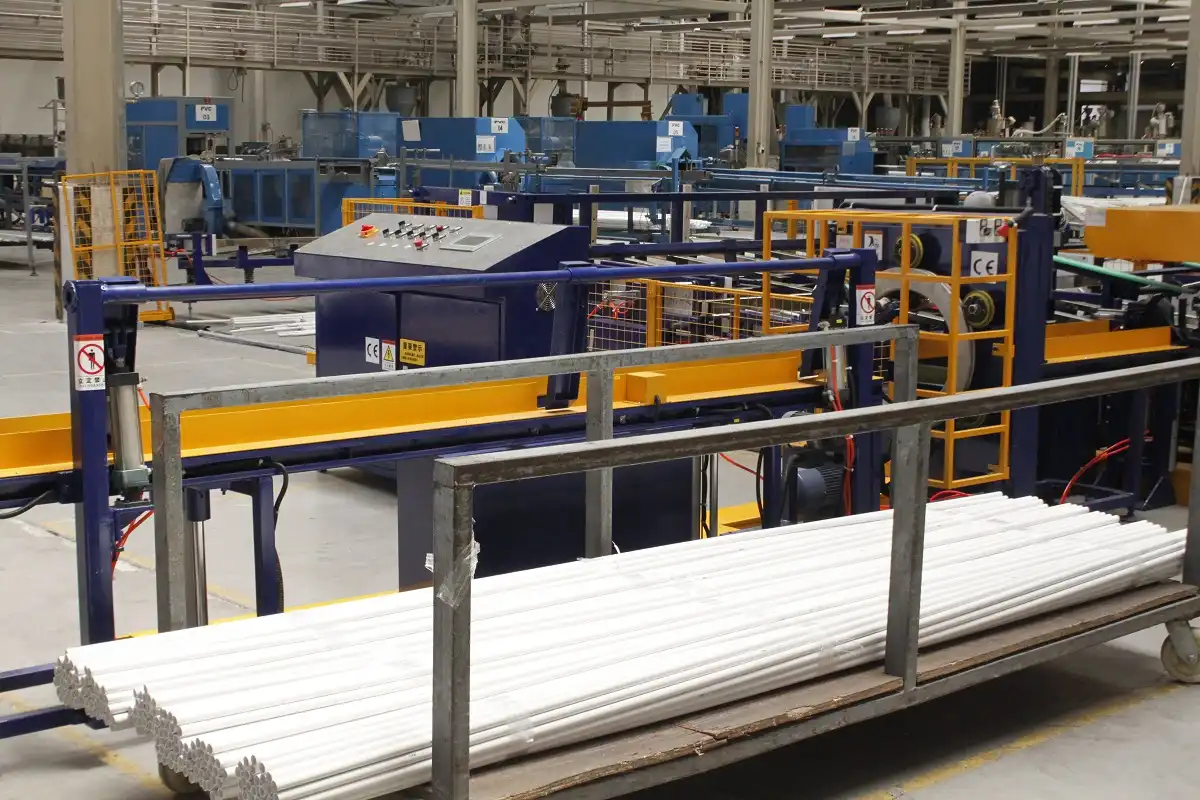
Delving Deeper: Strategies for Enhanced PPR Pipe Protecting
To comprehensively protect PPR pipes, we must consider various aspects of packing, handling, and storage. This involves critically assessing the potential risks at each stage and implementing strategies to mitigate them.
Understanding Material Properties
PPR, or Polypropylene Random Copolymer, possesses distinct characteristics that influence how it should be handled and protected. It’s thermoplastic, meaning it softens upon heating and can become brittle at low temperatures. Therefore, temperature control during storage and transportation is crucial. The below data shows the critical temperature range for PPR pipes:
| Temperature (°C) | Condition of PPR Pipe | Potential Risk | Mitigation Strategy |
|---|---|---|---|
| Below 0 | Brittle | Cracking, fracture | Insulated storage, temperature control |
| 20-25 | Optimal | Minimal | Standard packing procedures |
| Above 95 | Softening | Deformation, melting | Shaded storage, ventilation |
Optimizing Packing Methods
The choice of packing materials and methods significantly impacts the level of protection offered. Here’s a breakdown of common materials and their effectiveness:
- Stretch Film: Offers basic protection against dust and scratches. Cost-effective for short-distance transport.
- Bubble Wrap: Provides cushioning against impacts. Suitable for individual pipes or small bundles.
- Corrugated Cardboard: Offers robust protection against crushing and bending. Ideal for larger bundles and long-distance transport.
- Wooden Crates: The most durable option, providing maximum protection against all types of damage. Used for high-value shipments and harsh environments.
The ideal packing method should be selected based on factors such as transport distance, environmental conditions, and the value of the PPR pipes. Consider the following scenarios:
- Local Delivery (City): Stretch film or light cardboard packing may suffice.
- Regional Transport (Country): Corrugated cardboard and secure strapping are recommended.
- International Shipping (Global): Wooden crates with internal cushioning are essential.
Implementing Safe Handling Protocols
Even the best packing can be compromised by careless handling. Training personnel on proper lifting techniques and using appropriate equipment is crucial. Key considerations include:
- Lifting Equipment: Use forklifts, cranes, or hand trucks to avoid dragging or dropping pipes.
- Lifting Points: Identify designated lifting points on bundles or crates to prevent strain on individual pipes.
- Teamwork: For heavy loads, use a team of trained individuals to ensure safe and coordinated movement.
Investing in Automated Solutions
For high-volume operations, automated packing systems can significantly improve efficiency and reduce the risk of damage. These systems can automatically bundle, wrap, and palletize PPR pipes, ensuring consistent and reliable protection. Fhopepack’s solutions, for example, integrate seamlessly into production lines.
By implementing these strategies, businesses can effectively protect their PPR pipe investments, minimize losses due to damage, and ensure customer satisfaction.
2. Streamlining Logistics: PPR Pipe Bundle Transportation
Moving PPR pipes efficiently and safely requires careful planning and execution. Optimization minimizes costs and the potential for damage.
PPR pipe bundle transportation requires secure strapping, appropriate vehicle selection, and adherence to weight limits. Proper load distribution and driver training are crucial for preventing shifting and damage during transit, ensuring the pipes arrive safely at their destination.

Beyond the Basics: Optimizing PPR Pipe Bundle Transportation Strategies
Effective PPR pipe bundle transportation demands a holistic approach, extending beyond basic loading and unloading procedures. It calls for a strategy that integrates optimized routing, load management, and technological solutions for enhanced efficiency and safety.
Route Optimization for Damage Prevention
The selection of transportation routes significantly impacts the risk of damage to PPR pipes. Prioritize routes that minimize:
- Rough Terrain: Avoid roads with potholes, bumps, or uneven surfaces that can cause vibrations and impacts.
- Sharp Turns: Excessive maneuvering can lead to shifting loads and potential damage.
- Congested Areas: Stop-and-go traffic increases the risk of accidents and sudden braking, potentially damaging the pipes.
Leverage GPS technology and route planning software to identify the safest and most efficient paths, considering factors like road conditions, traffic patterns, and weather forecasts.
Mastering Load Management
Proper load management is vital for preventing damage during transit. Key considerations include:
- Weight Distribution: Distribute the weight evenly across the vehicle bed to prevent uneven stress on the pipes and the vehicle’s suspension.
- Securing Mechanisms: Use appropriate straps, chains, and bracing to firmly secure the pipe bundles, preventing them from shifting or sliding during transit.
- Layering Techniques: When stacking bundles, use cushioning materials between layers to minimize friction and pressure.
Always adhere to the vehicle’s weight limits and consult with transportation experts to ensure the load is properly secured and compliant with regulations.
Harnessing Technology for Real-Time Monitoring
Technology plays a crucial role in optimizing PPR pipe bundle transportation. Consider implementing these solutions:
- GPS Tracking: Monitor the location and speed of vehicles in real-time, allowing for proactive adjustments to routes or delivery schedules.
- Shock Sensors: Detect and record any significant impacts or vibrations during transit, providing valuable data for identifying potential damage and improving packing methods.
- Temperature Loggers: Monitor the temperature within the cargo area to ensure it remains within acceptable limits, especially during long-distance transport or extreme weather conditions.
By integrating these technologies, businesses can gain greater visibility into their transportation operations, proactively mitigate risks, and ensure the safe and timely delivery of PPR pipes.
3. Storing with Care: Best Practices for PPR Pipe Storage
Proper storage is essential for maintaining PPR pipes’ quality and preventing degradation. Environmental factors can impact their integrity.
PPR pipe storage should be in a shaded, dry area with temperature control. Pipes should be stacked horizontally and supported to prevent bending. Protecting from UV rays and extreme temperatures is crucial for maintaining their structural integrity.
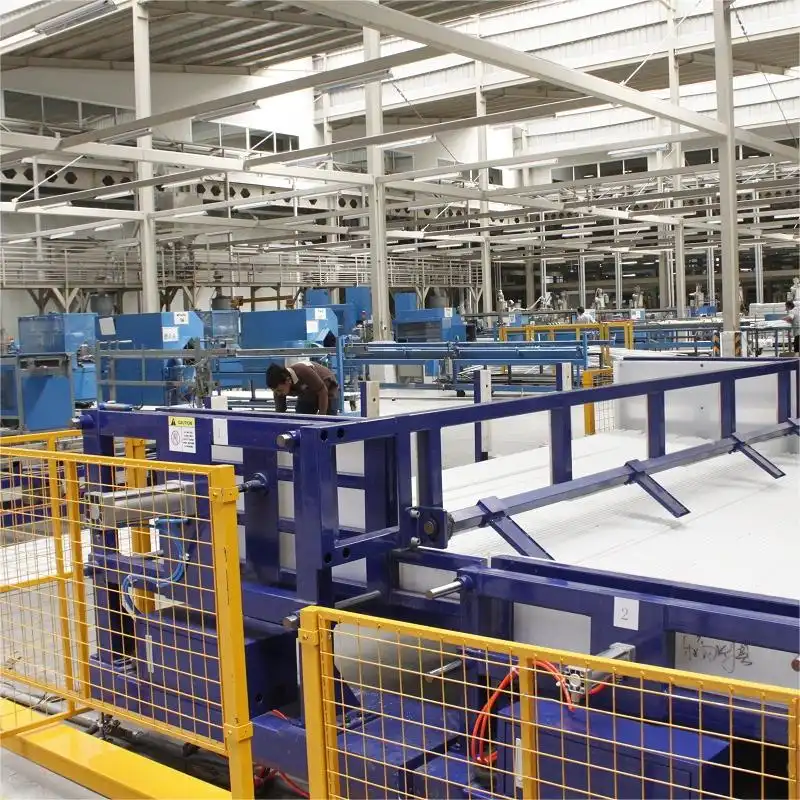
Elevating Standards: Advanced Strategies for PPR Pipe Storage
Strategic PPR pipe storage involves going beyond basic environmental protection. It encompasses optimizing storage layouts, integrating advanced inventory management, and employing predictive maintenance to ensure sustained quality and accessibility.
Optimizing Storage Layouts for Accessibility and Protection
The physical layout of the storage area significantly impacts accessibility and the risk of damage. Consider these strategies:
- Designated Zones: Create separate zones for different pipe sizes and types to facilitate efficient retrieval and minimize the risk of mixing or misidentification.
- Aisles and Pathways: Maintain clear aisles and pathways to allow for easy movement of personnel and equipment, reducing the risk of accidental bumps or collisions.
- Vertical Stacking: Utilize vertical racking systems to maximize storage space and prevent pipes from being crushed under their own weight.
Ensure that the storage layout is designed to accommodate future growth and allows for easy expansion as needed.
Integrating Advanced Inventory Management
Real-time inventory management is crucial for preventing stockouts, minimizing waste, and ensuring that pipes are used before their expiration dates. Implement these technologies:
- Barcode Scanning: Use barcode scanners to track the movement of pipes in and out of the storage area, providing accurate inventory counts and reducing the risk of errors.
- RFID Technology: Implement RFID tags on individual pipes or bundles to enable automated inventory tracking and prevent theft.
- Software Integration: Integrate inventory management software with other business systems, such as order processing and accounting, to streamline operations and improve decision-making.
Real-time data on inventory levels, storage conditions, and pipe usage patterns can provide valuable insights for optimizing storage practices and minimizing losses.
Embracing Predictive Maintenance
Proactive maintenance of the storage facility and equipment is essential for preventing accidents and ensuring the long-term integrity of the PPR pipes. Consider these measures:
- Regular Inspections: Conduct routine inspections of the storage area to identify potential hazards, such as damaged racking, leaky roofs, or inadequate ventilation.
- Preventive Maintenance: Implement a schedule for preventive maintenance of equipment, such as forklifts and cranes, to ensure they are operating safely and efficiently.
- Environmental Monitoring: Continuously monitor temperature, humidity, and UV exposure levels within the storage area, and take corrective action as needed to maintain optimal conditions.
By embracing these advanced strategies, businesses can transform their PPR pipe storage from a passive holding area into a proactive resource that supports efficient operations and maximizes the value of their inventory.
| Storage Factor | Impact on PPR Pipes | Mitigation Strategy |
|---|---|---|
| UV Exposure | Degradation, embrittlement | Shaded storage, UV-resistant wrapping |
| Temperature Extremes | Softening, cracking | Climate-controlled storage, insulation |
| Moisture | Mold growth, surface damage | Dry storage, ventilation |
4. The Future of Efficiency: Automatic Pipe Packing Solutions
Automated solutions streamline the packing process, improving efficiency and reducing labor costs. This ensures greater consistency.
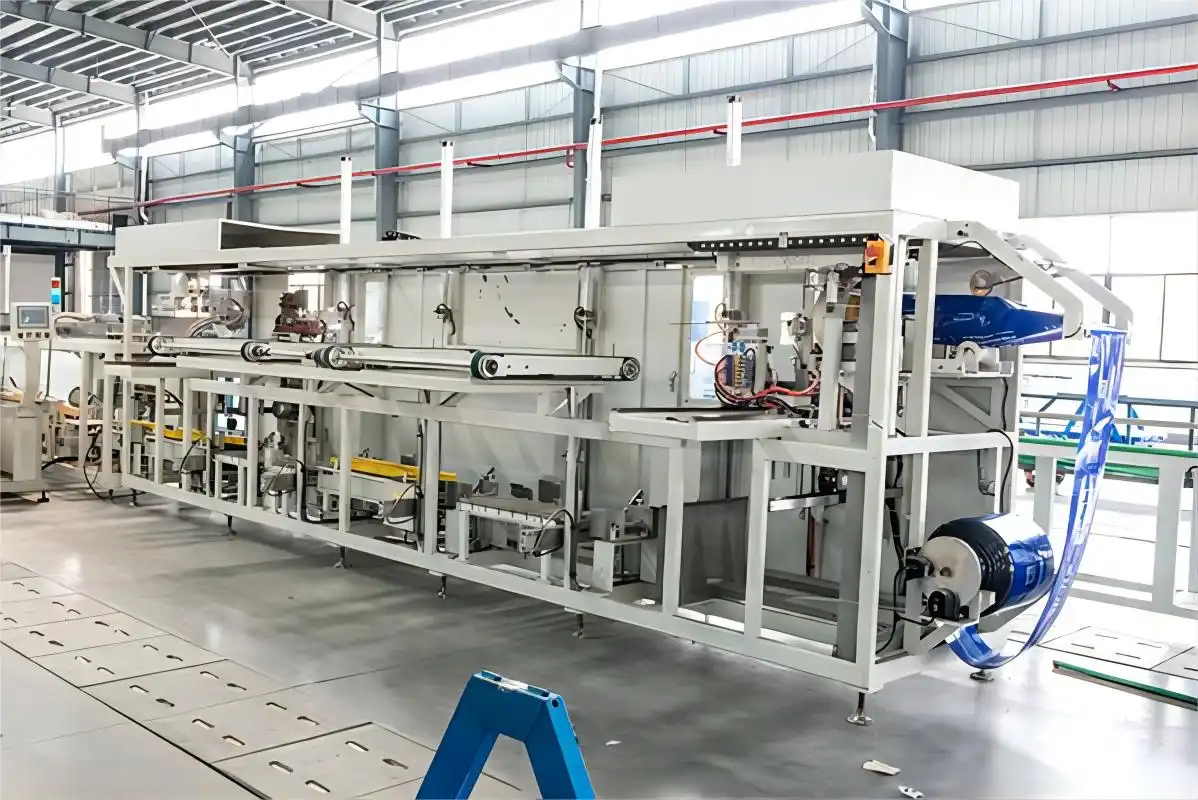
Automated packing equipment automates tasks for consistent quality and minimizes human errors. Implementing such solutions improves packing’s operational efficiency and scalability.
Revolutionizing Operations: Exploring Automatic Pipe Packing Systems
Automatic pipe packing systems redefine efficiency and precision in the industry. They tackle traditional limitations by automating key steps.
These systems ensure uniformity, streamline procedures, and minimize operational bottlenecks. Here’s a glimpse:
- Automated Counting: Precise counting mechanisms eliminate manual counts, reducing errors and ensuring proper bundling.
- Bundle Forming: Automated systems create consistent bundles, improving packing and shipping.
- Wrapping and Strapping: Machines wrap and strap bundles securely for safe transit, reducing damage.
- Bagging Systems: For individual pipe packing, automated baggers improve speed and protect pipes from dust and moisture.
By embracing these technologies, pipe manufacturers and distributors can enhance packing, reduce reliance on manpower, and deliver pipes reliably.
Manual packing procedures carry numerous risks, including variability, human error, and potential injuries. Automated systems resolve these by creating a secure packing for all pipes.
Conclusion
Proper PPR pipe packing is an investment that pays dividends in reduced damage, efficient logistics, and customer satisfaction. By implementing the strategies outlined in this article, businesses can ensure their PPR pipes arrive at their destination in optimal condition, ready for seamless installation and long-lasting performance. From secure bundling to climate-controlled storage, every step contributes to protecting this essential material and maximizing its value.








