
How to Optimize Wire Tension in Steel Wire Rewinding Machines?
Maintaining optimal wire tension is crucial for efficient steel wire rewinding machine operation. Proper tension prevents breaks, ensures consistent spooling, and maximizes the lifespan of both the wire and the machinery. Achieving this balance requires careful adjustment and monitoring.
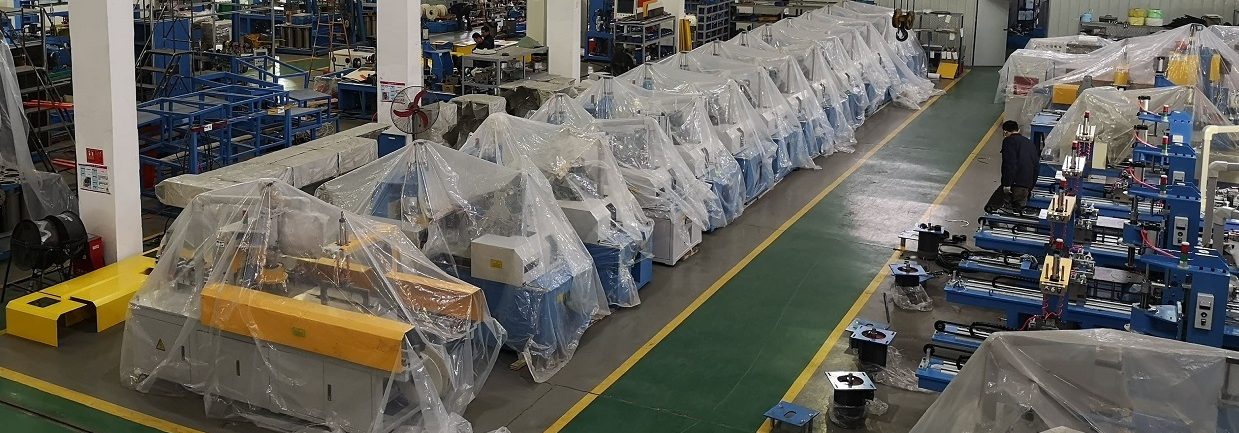
Optimizing wire tension in steel wire rewinding machines involves adjusting the tension based on wire material, diameter, and machine speed. Regularly calibrating tension controls, inspecting wire guides, and ensuring proper lubrication minimize friction and prevent breaks or deformation. Consistent monitoring ensures high-quality output and reduces downtime.
The nuances of wire tension can significantly impact the performance of your rewinding operations. Let’s delve into the essential aspects of achieving and maintaining optimal wire tension in steel wire rewinding machines, ensuring smooth and efficient production.
1. Understanding the Importance of Proper Wire Tension
Proper wire tension is critical for efficient steel wire rewinding [Collection]. It prevents wire breaks, ensures consistent spooling, and minimizes deformation, leading to higher quality output and reduced downtime.
Optimal wire tension in steel wire rewinding machines prevents breaks, ensures even spooling, and minimizes waste. Too little tension causes loose winding, leading to tangles and uneven layers. Excessive tension stretches or breaks the wire, reducing its strength and causing machine stoppages. Finding the right balance maximizes efficiency and product quality.
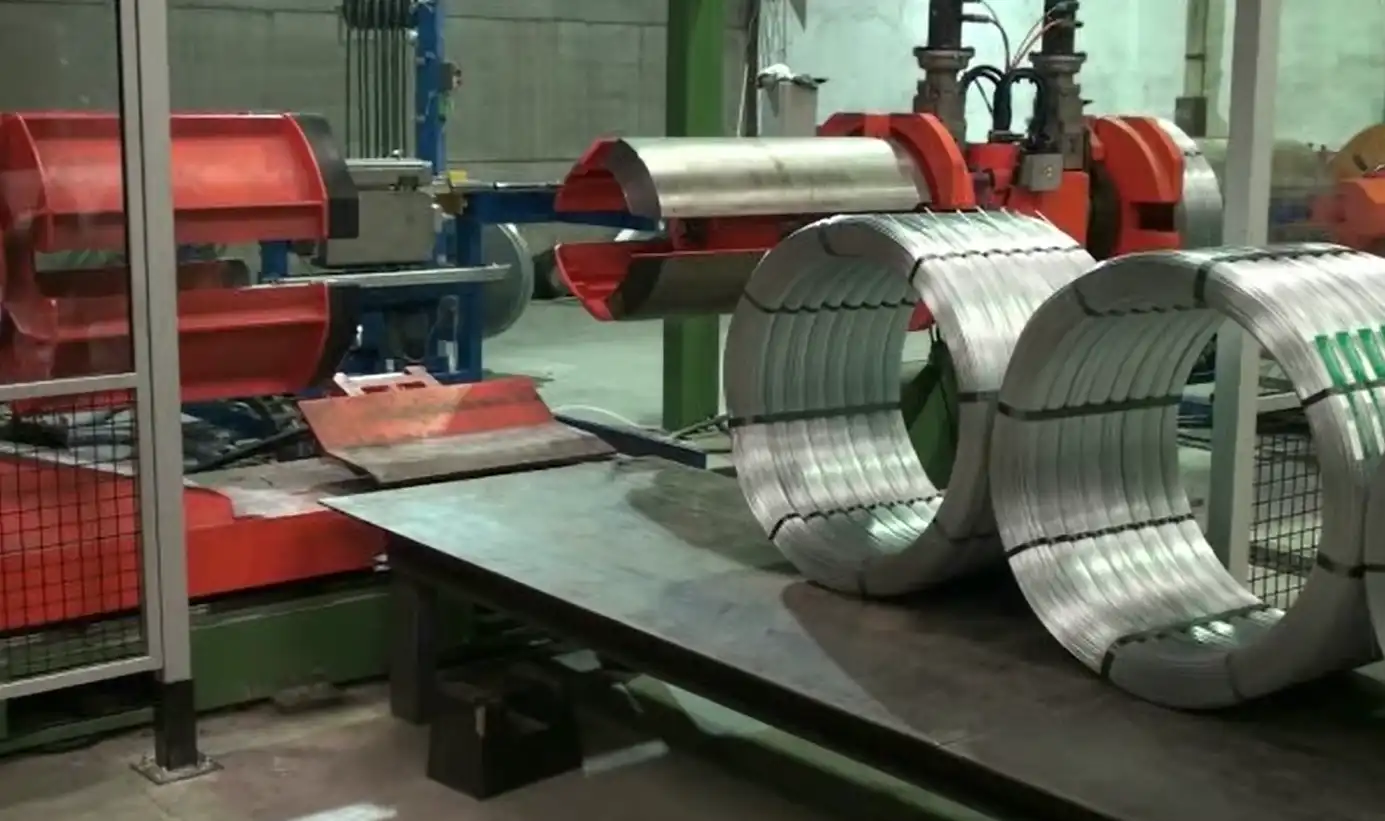
Fine-Tuning Wire Tension: A Deep Dive
Achieving optimal wire tension is not a one-size-fits-all approach. Various factors influence the ideal tension setting, including the type of steel wire, its diameter, and the speed of the rewinding machine. Understanding these variables is key to preventing common issues and maximizing efficiency.
The Impact of Wire Material
Different types of steel wire have varying tensile strengths and elasticity. High-carbon steel, for example, requires higher tension than mild steel to maintain its shape during rewinding. Stainless steel, known for its high strength and corrosion resistance, also demands specific tension adjustments to prevent uneven winding.
Wire Diameter Considerations
The diameter of the wire directly affects the required tension. Thicker wires generally require higher tension settings to ensure they are wound tightly and consistently. Conversely, thinner wires are more prone to stretching and breaking under high tension, necessitating lower settings.
Machine Speed and Tension Interplay
The speed at which the wire is rewound also influences the optimal tension. Higher speeds may require slightly higher tension to prevent the wire from loosening or tangling. However, exceeding the wire’s tensile strength at high speeds can lead to breaks and production delays.
Troubleshooting Tension-Related Issues
Common problems related to improper wire tension include wire breaks, uneven spooling, and deformation. Identifying the root cause of these issues is crucial for implementing effective solutions. Regular inspections, tension meter readings, and adjustments based on wire type and machine speed are essential for maintaining consistent performance.
To help visualize the relationships between these key factors, consider the following table:
| Wire Type | Diameter (mm) | Speed (m/min) | Optimal Tension (N) | Common Issues |
|---|---|---|---|---|
| Mild Steel | 1.0 | 50 | 5-7 | Loose winding, tangling |
| High-Carbon Steel | 1.0 | 50 | 8-10 | Wire breaks, deformation |
| Stainless Steel | 1.0 | 50 | 7-9 | Uneven spooling |
| Mild Steel | 2.0 | 50 | 10-12 | Loose winding |
| High-Carbon Steel | 2.0 | 50 | 13-15 | Wire breaks |
By carefully considering these factors and monitoring the performance of your steel wire rewinding machines, you can fine-tune the wire tension settings to achieve optimal results, minimize downtime, and maximize the quality of your finished products.
2. Adjusting Machine Parameters for Optimal Tension
Optimizing machine parameters is crucial for achieving and maintaining the correct wire tension. This involves understanding and adjusting various settings to match the specific requirements of the wire and the desired output.
To optimize machine parameters for optimal tension, adjust tension controls based on wire type and diameter, calibrate tension meters regularly, and monitor speed settings. Ensure proper alignment of wire guides and rollers to prevent friction and uneven winding. Regular inspections and adjustments are crucial for maintaining consistent tension and preventing wire breaks or deformation.
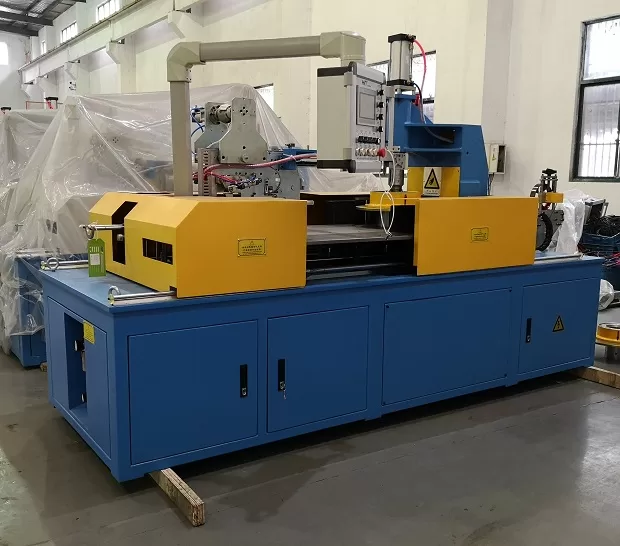
Advanced Techniques for Wire Tension Control
Achieving consistent and reliable wire tension requires a meticulous approach to machine parameter adjustments. This includes leveraging advanced technologies and techniques to fine-tune the rewinding process.
Calibrating Tension Controls
Tension controls, whether manual or automatic, must be calibrated regularly to ensure accuracy. This involves using a tension meter to verify the actual tension against the setpoint. Discrepancies should be corrected to maintain consistent winding quality.
Dynamic Tension Adjustment
Some advanced machines feature dynamic tension adjustment, which automatically adjusts the tension based on real-time feedback from sensors. This is particularly useful for wires with varying thicknesses or inconsistencies, as it compensates for these variations to maintain consistent tension.
Speed Synchronization
Ensuring that the speed of the take-up reel is synchronized with the pay-off reel can prevent issues like tangling and uneven winding. This synchronization helps maintain consistent tension throughout the rewinding process.
Monitoring and Feedback Systems
Implementing monitoring and feedback systems provides real-time data on wire tension, allowing for immediate adjustments if deviations are detected. These systems can include visual displays, alarms, and automated control loops that maintain tension within specified tolerances.
By focusing on these advanced techniques, manufacturers can optimize their steel wire rewinding machines to achieve higher efficiency, better quality, and reduced downtime. A meticulous approach to adjusting machine parameters ensures that the machine operates within the optimal range for each material, maximizing its performance.
3. Implementing Regular Maintenance and Inspection
Consistent maintenance and inspection are crucial for prolonging the lifespan of your equipment and ensuring that the steel wire rewinding machine operates at peak performance.
Regular maintenance and inspection are essential for maintaining optimal wire tension. Inspect wire guides and rollers for wear, lubricate moving parts to reduce friction, and check tension control systems for accuracy. Promptly address any issues to prevent costly breakdowns and ensure consistent, high-quality output. A proactive approach minimizes downtime and maximizes machine lifespan.

Proactive Strategies for Long-Term Performance
Maintaining a steel wire rewinding machine isn’t just about fixing problems; it’s about proactive strategies to prevent issues before they occur. This approach ensures efficient machine operation, minimizes downtime, and extends its overall lifespan.
Wear Parts Monitoring
Regularly inspect wear parts like rollers, guides, and dies, which are subject to constant friction and stress. Establishing a replacement schedule for wear parts based on usage and material type can prevent unexpected breakdowns. High-quality replacement parts designed to withstand continuous operation are essential.
Lubrication Management
Implement a scheduled lubrication program to ensure all moving components are properly lubricated, reducing friction, minimizing wear, and maintaining smooth operation. Use lubricants specifically designed for the machine and wire type for better protection and performance. Regularly check the lubrication system, cleaning or replacing filters as needed to prevent contamination.
System Checks
Inspect electrical components, including wiring, connectors, and motors, for wear, corrosion, or damage. Check pneumatic systems for leaks or damage, ensuring air pressure is within the recommended range. Inspect hydraulic lines, pumps, and cylinders for leaks or damage, checking the hydraulic fluid level and condition.
| Maintenance Area | Component | Action | Frequency |
|---|---|---|---|
| Wear Parts | Rollers, Guides, Dies | Inspect for wear, replace as needed | Weekly/Monthly |
| Lubrication | Moving Components | Lubricate regularly | Daily/Weekly |
| Electrical | Wiring, Connectors, Motors | Inspect for wear, corrosion, or damage | Monthly |
| Pneumatic | Air Lines, Valves, Cylinders | Check air lines, valves, cylinders | Monthly |
| Hydraulic | Hydraulic Lines, Pumps, Cylinders | Inspect for leaks or damage,Check the hydraulic fluid level and condition | Monthly |
By implementing these proactive strategies, manufacturers can maintain their steel wire rewinding machines in top condition, ensuring efficient and reliable operation for years. Regular maintenance and inspection not only prevent costly breakdowns but also help maintain the quality of the wire being produced, contributing to overall customer satisfaction.
4. Safety Measures and Operator Training
Safety is paramount when operating steel wire rewinding machines. Proper training, machine guarding, and emergency stop mechanisms can significantly reduce the risk of accidents and ensure a safer working environment.

Implementing safety measures and operator training in steel wire rewinding machines involves:
To ensure safe operation and prevent accidents, implement comprehensive operator training, install machine guards, and ensure accessible emergency stop mechanisms. Regularly conduct safety audits and strictly adhere to safety protocols. Consistent training and vigilant safety measures minimize risks and create a safer working environment for all personnel.
Stringent safety measures are critical during the operation of steel wire rewinding machines. Proper training, machine guarding, and emergency stop mechanisms can significantly reduce the risk of accidents and ensure a safer working environment. Regular safety audits and adherence to protocols are essential.
- Comprehensive Training: Equipping operators with the knowledge and skills to safely operate the machine.
- Machine Guarding: Installing physical barriers to prevent contact with moving parts.
- Emergency Stop Mechanisms: Providing easily accessible emergency stops to halt the machine in critical situations.
- Regular Safety Audits: Conducting routine checks to ensure all safety measures are functioning correctly.
Conclusion
Optimizing wire tension in steel wire rewinding machines is a multifaceted process. By carefully considering the wire material, adjusting machine parameters, and implementing regular maintenance and safety measures, manufacturers can maximize efficiency, reduce downtime, and ensure high-quality output. A proactive approach to tension control not only extends the lifespan of the machinery but also improves the overall operational effectiveness of your wire rewinding processes.








