
The Secret to Damage-Free Steel Coils: Investing in the Right Automatic Packing Line?
Your factory runs on efficiency. But are you still relying on old, slow, and even dangerous manual methods for packing steel coils and wires? This old way slows down your entire production line. It also puts your workers at risk and damages your valuable products. This costs you a lot of money and eats away at your profits. It does not have to be this way. I have seen many factory managers struggle with these exact issues. I want to show you how the right automatic packing line can change everything for your business.
The secret to damage-free steel coils, faster operations, and a safer workplace is clear: invest in a well-designed automatic packing line. This technology removes bottlenecks, protects your workers, and ensures your products arrive at your customers in perfect condition. It is a smart move for any forward-thinking factory.
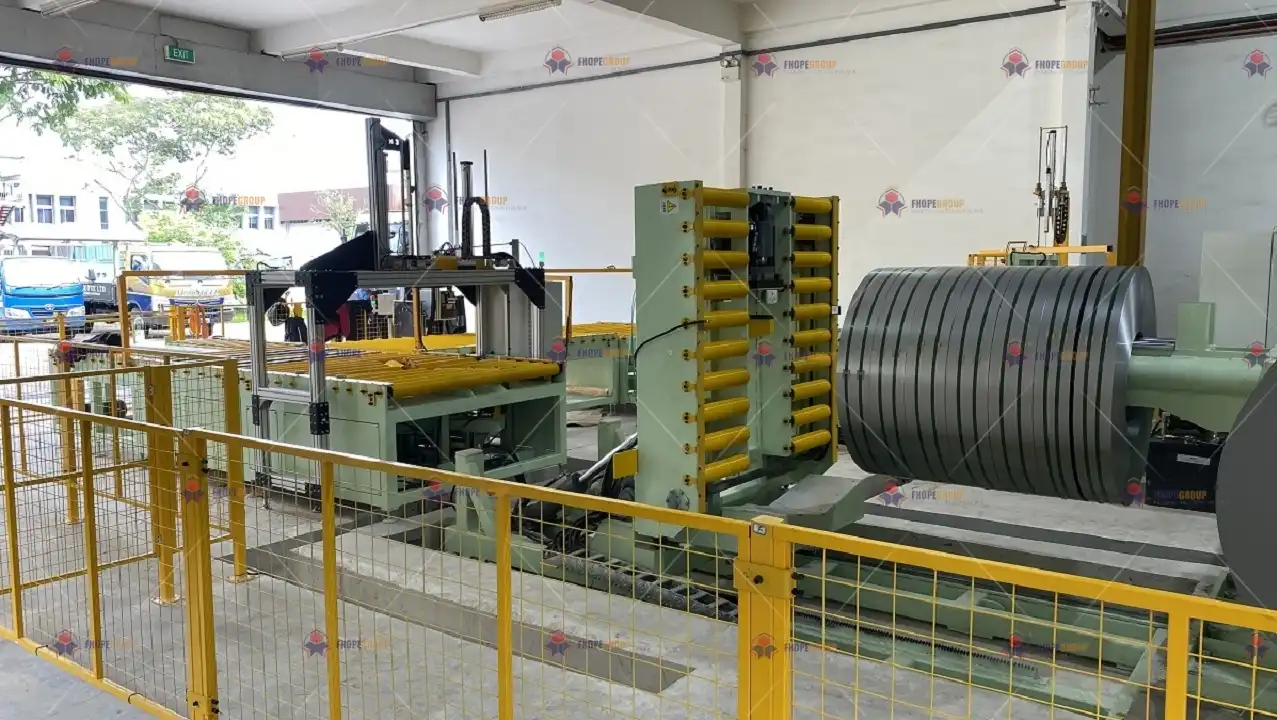
You know the pressures of running a busy factory. You need to boost output, control costs, and keep everyone safe. You also need durable equipment that can handle tough, non-stop work. This article will show you how choosing the right packing automation can solve these real-world problems. It will also help you find a partner who truly understands your daily challenges, not just a salesperson.
Are Manual Packing Methods Holding Your Production Back?
You work hard to optimize every part of your production. But then, when coils reach the end of the line, everything slows down. Manual steel coil and wire packing processes are often slow. They need many people. This makes your overall production and delivery times much slower. It creates a bottleneck that limits how much you can produce each day.
Manual packing methods act as a serious bottleneck in your factory. They are much slower than automated systems. They create delays in your production flow. They also prevent you from shipping products quickly. Automation solves this problem by speeding up the packing process.
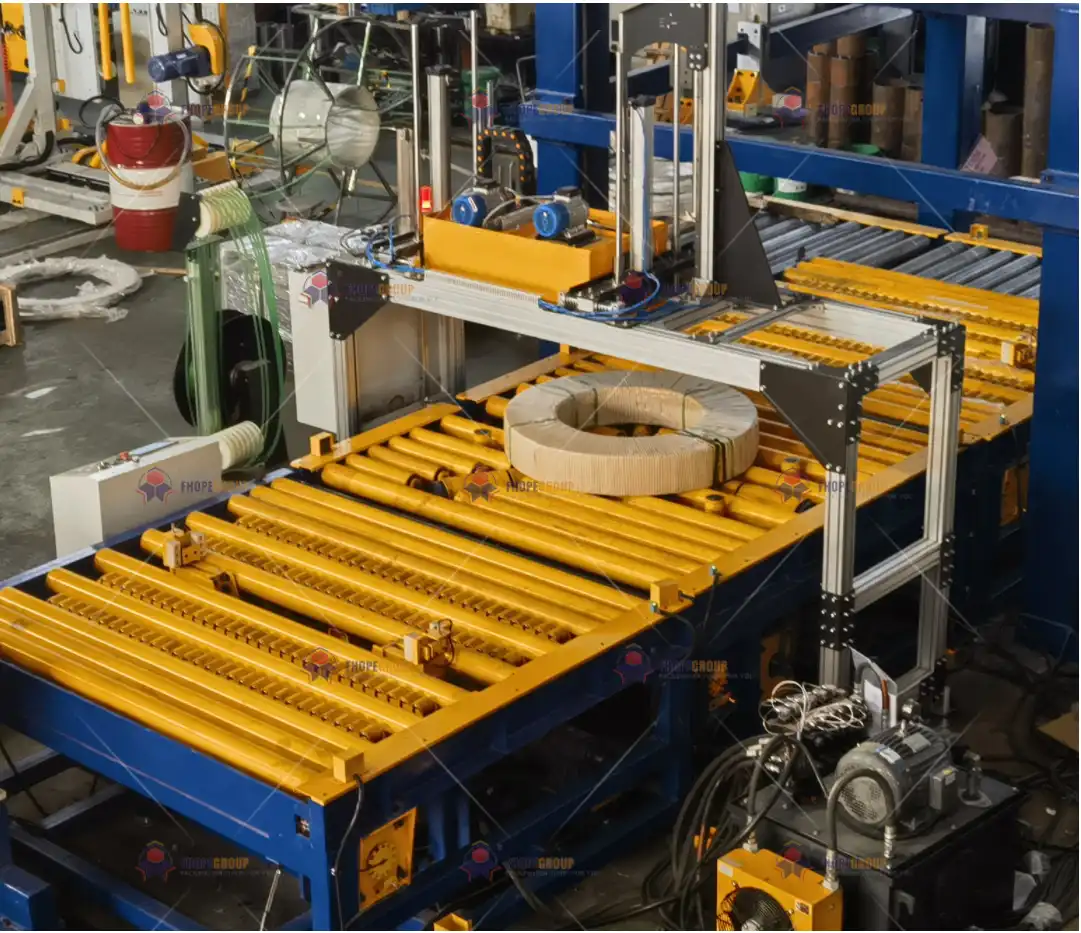
When I first started in the packing machine industry, I saw many factories where the packing department was the weakest link. They would have modern machines making the product, but then a group of workers would slowly hand-pack everything. This always confused me. It was like driving a fast car and then putting it in first gear at the finish line. It just did not make sense. I realized then that a factory is only as fast as its slowest process. For many, that slowest process is still manual packing. Automation does not just add a machine. It adds speed and consistency to your entire operation.
The True Cost of Slow Packing
Manual packing methods are not just slow. They are also inconsistent. People get tired. They can make mistakes. A machine does the same task the same way every time. This means faster packing and a more reliable schedule for shipping. Here is how slow packing affects your factory:
- Reduced Throughput: Your production line can only go as fast as your packing line. If packing is slow, you produce less. This means lost sales and less profit. It also means you cannot meet high demand periods easily.
- Increased Labor Costs: You need many workers for manual packing. These costs add up over time. They are ongoing expenses. An automated system needs fewer people to run it. This frees up your workers for other important tasks.
- Unpredictable Delivery Times: Manual processes make delivery times hard to predict. This can make customers unhappy. It also affects your reputation. Automated packing ensures a steady output. This means you can promise and meet delivery dates more reliably.
| Feature | Manual Packing | Automated Packing |
|---|---|---|
| Speed | Slow, dependent on human effort | Fast, consistent, continuous operation |
| Consistency | Varies, prone to human error | High, uniform quality every time |
| Labor Needs | High, multiple workers per shift | Low, fewer operators needed |
| Efficiency | Often creates bottlenecks, limits factory output | Boosts overall line efficiency, removes bottlenecks |
| Costs | High ongoing labor costs, potential for overtime | Higher initial investment, lower long-term labor costs |
Investing in automation is not just about buying a machine. It is about buying efficiency. It is about buying predictability. When I established my own packing machine factory, I made sure that our designs focused on high-speed operation and reliability. I knew that factories needed equipment that just worked, day in and day out, without slowing down. This focus helps our clients maximize their output. It helps them get their products out the door faster and more reliably. This allows them to take on more orders. It helps them expand their market share.
Is Your Packing Line a Hidden Danger Zone for Workers?
Think about your packing area. Are your workers lifting heavy steel coils? Are they struggling to turn them or move them into place for wrapping? This is not just hard work. It is extremely dangerous. Manual handling of heavy products like steel coils can lead to serious injuries. These injuries include back problems, crushed limbs, and sprains. This results in high insurance costs for your company. It also means more employee turnover and lost work days.
Manual handling of heavy steel coils is a major safety risk. It leads to worker injuries and high costs. Automated packing solutions remove the need for dangerous heavy lifting. They greatly improve worker safety in your factory.
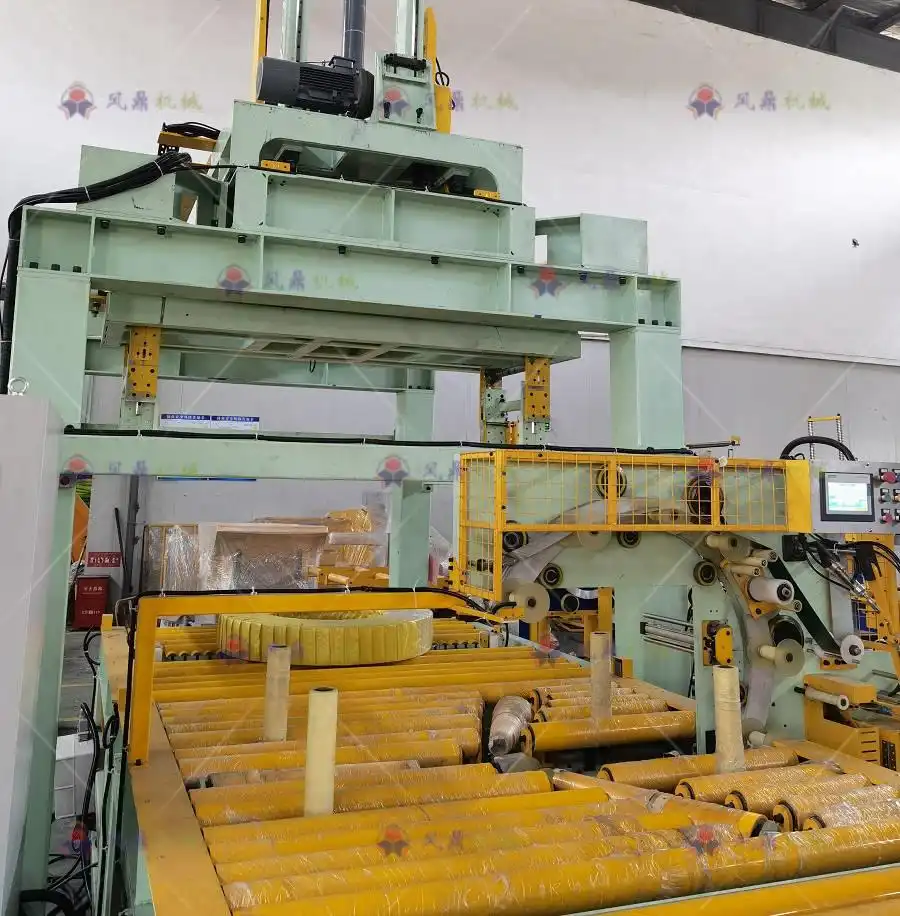
When I worked as an employee in a packing machine factory, I saw firsthand how dangerous manual work could be. I saw injuries happen. It was a big concern for everyone. When I started FHOPEPACK, worker safety was a top priority in my designs. I wanted to build machines that not only packed products well but also protected the people who worked with them. I believe no one should get hurt simply by doing their job. Safety is not an option. It is a must.
Reducing Risks with Smart Automation
Automated systems are designed to handle the heavy lifting. They do the turning and the wrapping. This keeps your workers away from direct contact with heavy loads. It takes away the riskiest parts of the job. This greatly improves safety. Here is how:
- Eliminates Manual Lifting: Machines like coil tilters and automatic conveyors move heavy coils. Workers do not need to lift them. This prevents strain injuries and accidents.
- Reduces Crushing Hazards: Automated wrapping machines secure the coil. Workers do not need to be close to moving heavy objects while wrapping. This lowers the risk of crushing injuries.
- Creates a Safer Work Environment: When machines do the heavy, repetitive, and dangerous tasks, the overall work environment becomes much safer. Workers can focus on supervision and quality control. This improves morale. It also reduces worker turnover.
- Lower Insurance Premiums: Fewer accidents mean fewer claims. This can lead to lower insurance costs for your business. It is a direct financial benefit.
- Compliance with Safety Regulations: Automated solutions help your factory meet strict safety rules. This avoids fines and legal problems.
| Safety Aspect | Manual Packing | Automated Packing |
|---|---|---|
| Lifting | Manual heavy lifting, high risk of back injuries | Automated lifting, no manual contact with heavy loads |
| Repetitive Strain | High risk due to repetitive motions | Minimized, tasks performed by machines |
| Accident Frequency | Higher due to human error and fatigue | Lower, controlled by precise machine movements |
| Worker Morale | Can be low due to physical strain and danger | Higher due to safer, less strenuous work |
| Insurance Costs | Potentially higher due to increased claims | Potentially lower due to fewer incidents |
My experience taught me that safety is not just about avoiding accidents. It is also about creating a sustainable workplace. Happy and safe workers are productive workers. They stay with your company longer. This reduces hiring and training costs. When I designed FHOPEPACK’s machines, I put safety features first. For example, our automatic coil wrappers often include safety gates and emergency stop buttons. These are not just for compliance. They are there because I know what it feels like to worry about worker safety. I want our machines to give factory managers peace of mind.
Are You Losing Profit Due to Damaged Steel Coils?
You work hard to produce high-quality steel coils and wires. But then, during internal transport or packing, the product gets damaged. This could be scratches, dents, or deformed edges. These damages lead to customer complaints. They also lead to product returns. This eats into your profits. It can also hurt your reputation with customers. Every damaged product means lost money and lost trust.
Product damage during packing or handling directly reduces your profit. It also leads to customer complaints. Automated packing systems protect your products. They prevent damage. This ensures your products reach customers in perfect condition.
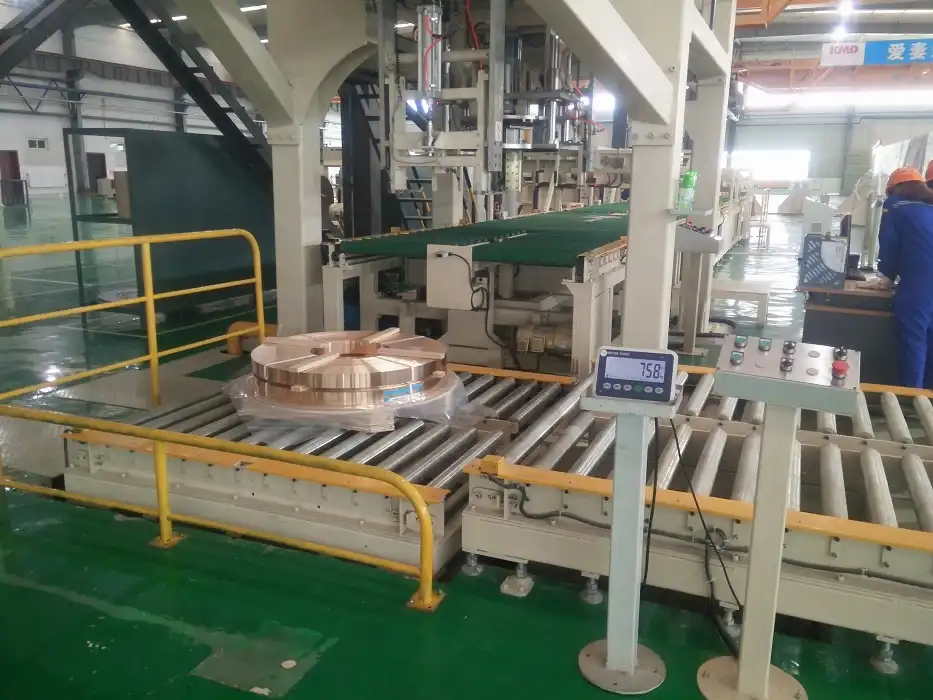
I have seen factories lose money because of damaged goods many times. A client once told me how frustrating it was. They would produce perfect coils. Then, when they were about to ship, a small dent would appear from manual handling or poor wrapping. The customer would then reject it. This meant they had to re-process or scrap the coil. It was a waste of resources. It was also a blow to their reputation. This experience made me realize how important a consistent and protective packing process is. It is not just about making the product. It is about getting it to the customer in perfect shape.
How Automation Ensures Product Integrity
Automated packing systems apply consistent tension and coverage. They use the right amount of packing material. This protects the product from damage during storage and transport. Here is how automation helps:
- Consistent Wrapping: Manual wrapping can be uneven. Some areas might be too loose. Some might be too tight. This can lead to damage. Automated machines apply a consistent, even wrap. This protects the entire surface of the coil.
- Reduced Handling Damage: Automatic conveyors and wrapping systems minimize human contact with the product. This greatly reduces the chance of scratches, dents, or drops that happen during manual handling.
- Optimized Material Usage: Automated systems use the correct amount of packing film or material. This means less waste. It also ensures proper protection without over-packaging. This saves you money on materials.
- Protection Against Elements: Proper wrapping protects the coils from moisture, dust, and other environmental factors. This prevents corrosion and surface degradation. This is especially important for long-distance shipping or outdoor storage.
- Improved Customer Satisfaction: When customers receive products that are in perfect condition, they are happy. Happy customers come back. They also tell others about your quality. This boosts your brand’s image and sales.
| Damage Factor | Manual Packing | Automated Packing |
|---|---|---|
| Scratches | High risk from rough handling or uneven surfaces | Minimized by gentle, controlled machine movements |
| Dents | Possible from drops or impacts during manual transport | Rare, as machines handle with precision |
| Moisture | Inconsistent wrapping may allow moisture ingress | Consistent, tight wrap forms a strong barrier |
| Dust/Dirt | Can easily penetrate loose or incomplete wraps | Fully encloses product, protecting from contaminants |
| Overall Quality | Varies, susceptible to human error and fatigue | High, consistent, professional finish every time |
My personal journey in the packing machine industry has taught me that the machine is just one part of the solution. The real value comes when that machine solves a core business problem. For product damage, it means turning a loss into a perfect delivery. I always tell my clients, “The most expensive packing is the one that results in damaged goods.” When I help a client install an automated wrapping line, I often hear back about how their customer complaints for damage dropped to almost zero. This makes me very proud. It shows that my expertise and our machines are truly making a difference.
How Do You Choose a Packing Machine Partner You Can Trust?
You have probably dealt with equipment suppliers before. Some are great. Some just want to make a quick sale. They often offer poor after-sales service. This makes you careful when looking for new partners. You need more than just a machine. You need someone who truly understands your factory’s specific production bottlenecks, safety issues, and efficiency problems. You need a partner who offers real insights and reliable solutions.
Choosing the right packing machine partner is critical. You need someone who understands your real-world factory challenges. Look for a partner who offers professional insights and reliable solutions. Do not choose someone who is only interested in making a sale.
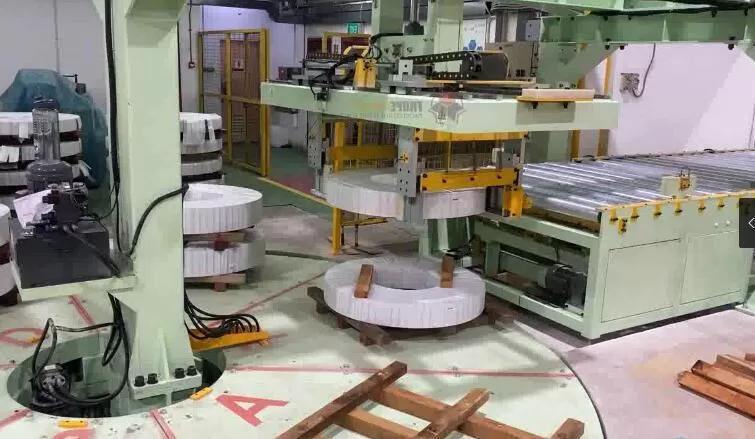
My journey in this industry started on the factory floor. I was an employee. Then I went on to build my own successful packing machine factory. This means I have walked in your shoes. I know what it feels like to be responsible for a whole operation. I know the pressure of keeping costs down, quality high, and workers safe. I also know the frustration of working with suppliers who do not understand your business. Because of my experience, when I founded FHOPEPACK, my mission was clear: to be a true partner. I wanted to share knowledge and help others grow, just as I grew in this industry.
What Makes a Partner You Can Rely On?
A real partner does not just sell you a machine. They listen to your problems. They offer solutions based on deep industry knowledge. They stand by their products with excellent service. Here is what to look for:
- Deep Industry Expertise: A good partner has engineers and experts who understand your specific industry. They know steel coil production. They know common challenges. They can offer tailored solutions, not just off-the-shelf products. My team at FHOPEPACK lives and breathes packing machines. We know the ins and outs of coil and wire packing.
- Problem-Solving Focus: They should ask about your pain points. They should not just talk about features. Do they understand your efficiency bottlenecks? Do they understand your safety concerns? A true partner helps you find a solution to your unique problems.
- Strong After-Sales Support: A machine will eventually need service. How fast will they respond? Do they have spare parts? Reliable support ensures your machine keeps running. It prevents costly downtime. This is why I built a strong service network for FHOPEPACK.
- Proven Track Record: Look for a supplier with a history of successful installations. Ask for references. See if they have helped other businesses like yours. My financial independence came from helping many clients grow their businesses. This proves our solutions work.
- Clear ROI Explanation: A good partner can show you the return on your investment. They should help you see how the machine will save you money and increase profits over time. This makes the decision easy for you.
- Knowledge Sharing: The best partners share their knowledge. They help you understand the technology. They help you optimize your processes. This is why FHOPEPACK is also a knowledge-sharing platform. We want to empower you.
| Feature | Sales-Driven Supplier | Partner-Oriented Supplier |
|---|---|---|
| Focus | Selling a product, hitting sales targets | Solving your operational problems, building long-term relationship |
| Expertise | Limited to product specifications | Deep industry knowledge, engineering insights |
| Support | Minimal or slow after-sales service | Prompt, reliable after-sales support, spare parts availability |
| Understanding | Generic approach, doesn’t delve into your specific needs | Probes deep into your challenges, offers tailored solutions |
| Goal | Transaction completion | Your business growth and long-term success |
| Relationship | Short-term, transactional | Long-term, collaborative |
When I built my packing machine factory, I learned that trust is everything. My goal was never to just sell a machine. My goal was to create solutions that genuinely helped factories thrive. This meant listening to what managers like you truly needed. It meant making sure our machines were robust. It meant making sure our support was always there. It also meant sharing what I learned over the years. This philosophy guides FHOPEPACK. I believe that by sharing my expertise, I can help you make the best decisions for your factory. This ensures your investment truly pays off.
Conclusion
Investing in the right automatic packing line is not just about buying equipment. It is about transforming your factory. It boosts efficiency, greatly improves safety, and protects your valuable products. Choose a partner with deep industry knowledge and a commitment to your success.








