
The Role of Recycled Materials in Steel Coil Packaging
Rust isn’t merely an aesthetic flaw; it’s an industrial menace draining time and money from manufacturing to automotive sectors. Traditional rust prevention often relied on environmentally hazardous substances. The urgent shift towards sustainable practices demands cleaner solutions. Enter recycled materials in steel coil packaging – a critical evolution for protecting valuable assets while safeguarding the planet.
Recycled materials significantly contribute to sustainability in steel coil packaging by reducing reliance on virgin resources, minimizing waste sent to landfills, lowering the carbon footprint associated with manufacturing, and enabling circular economy practices. When integrated with protective technologies like VCI, these materials offer effective corrosion prevention alongside substantial environmental benefits, addressing both product integrity and ecological responsibility.
Protecting steel coils during transit and storage is non-negotiable, but doing so sustainably is now paramount. This article explores the profound impact and tangible advantages that recycled content brings to steel coil packaging, proving that environmental responsibility and industrial efficiency can coexist and even thrive together.

The Environmental Imperative: Reducing Impact with Recycled Packaging
The global demand for environmental stewardship is reshaping industrial practices, putting packaging under intense scrutiny. Choosing recycled materials for steel coil packaging signals a powerful commitment to sustainability, resonating deeply with environmentally conscious stakeholders and bolstering brand reputation.
Using recycled materials in steel coil packaging directly combats environmental degradation by diverting waste from landfills, conserving finite natural resources like timber, water, and fossil fuels, and significantly lowering the energy consumption and greenhouse gas emissions inherent in producing virgin packaging materials. This proactive approach fosters a circular economy, reducing pollution and preserving ecosystems for future generations.
Reducing Landfill Waste and Conserving Resources
Non-recyclable packaging materials represent a significant portion of landfill waste, creating long-term environmental burdens. Recycled packaging offers a direct solution by minimizing the volume of discarded materials. Furthermore, the production of packaging from recycled content requires substantially less energy and fewer raw materials compared to virgin production. This includes saving trees, reducing water usage, and decreasing the need for fossil fuels, all critical for resource preservation. The energy saved is particularly impactful. For instance, recycling plastic consumes considerably less energy than creating new plastic from raw petroleum. Similarly, producing paper from recycled fiber uses significantly less energy and water than starting from wood pulp. This conservation effort extends the lifespan of natural resources and reduces the strain on ecosystems, embodying a truly sustainable approach to industrial packaging.
| Packaging Type | Recyclable | Biodegradable (Often) | Landfill Impact | Resource Consumption | Energy Consumption (Relative) | Carbon Footprint (Relative) |
|---|---|---|---|---|---|---|
| Traditional Virgin Plastic | No | No | High | High | High | High |
| Virgin Paper (Non-Recycled) | Partial | Yes | Moderate | Moderate | Moderate | Moderate |
| Fully Recyclable Packaging | Yes | Yes (for paper-based) | Low | Low | Low | Low |
| Recycled Content Packaging | Yes | Yes (if base is bio) | Lower | Lower | Lower | Lower |
Recycled content packaging, particularly when itself recyclable or biodegradable at end-of-life, stands out as a superior option for minimizing overall environmental footprint. It reduces the demand for virgin materials upstream and decreases waste sent to landfills downstream, contributing positively at multiple stages of the product lifecycle.
Cost Savings and Operational Efficiency
While the environmental benefits are a primary driver, the economic advantages of incorporating recycled materials into steel coil packaging are equally compelling. Contrary to the misconception that sustainability is always more expensive, utilizing recycled content can actually lead to substantial savings and improve operational efficiency for businesses.
Incorporating recycled materials into steel coil packaging solutions can yield significant cost reductions through lower waste disposal fees, potential revenue streams from selling recyclable scrap, and enhanced efficiency via lightweighting and optimized material use. These economic benefits demonstrate that adopting sustainable packaging practices is not only environmentally sound but also a shrewd business strategy that positively impacts the bottom line.
Economic Benefits: Driving Efficiency and Reducing Costs
The direct costs associated with landfill disposal – including fees, taxes, and transportation – can be considerable, especially for large volumes of packaging waste. By switching to packaging with recycled content and ensuring it is itself recyclable, businesses can drastically reduce the amount of material sent to landfills, leading to significant savings on disposal costs. In some regions, government incentives or lower taxes on sustainable materials can further enhance these cost benefits. Beyond avoiding costs, recyclable materials hold intrinsic market value. Establishing systems to collect, sort, and sell used recyclable steel coil packaging can create a new, albeit potentially modest, revenue stream. This turns what was once a disposal expense into a potential source of income, further strengthening the financial case for sustainable packaging choices.
Furthermore, innovation in packaging technology has resulted in high-performance materials that incorporate recycled content while being strong and lightweight. Using lighter packaging materials directly reduces the overall weight of packaged steel coils. For heavy products like steel coils, even a small percentage reduction in packaging weight per unit translates into significant savings on shipping costs, particularly for long-distance or international shipments. Optimized packaging designs using advanced materials can also minimize the total amount of material required to achieve adequate protection, reducing direct spending on packaging materials themselves without compromising product safety. These combined effects demonstrate that integrating recycled materials into steel coil packaging offers a clear path to both environmental responsibility and enhanced economic performance.

Superior Product Protection with Sustainable Materials
Effective packaging’s primary function is to safeguard the product it contains. Recycled materials in steel coil packaging are not just about environmental gains or cost savings; they also excel at providing robust protection against common threats like corrosion, moisture, and physical damage during the demanding journey from production to destination.
Recycled materials, particularly when engineered with protective technologies like VCI, provide reliable defense for steel coils against corrosion, moisture, and physical damage. Sustainable options such as VCI paper made with recycled content maintain product integrity, ensuring valuable coils arrive in optimal condition, minimizing losses and the need for resource-intensive rework or replacement.
Advanced Protection: VCI and Recycled Content Working Together
Corrosion is a major concern for steel coils. Traditional methods often involved applying messy oils or greases, which were difficult to remove and environmentally harmful. Vapor Corrosion Inhibitor (VCI) technology offers a superior, cleaner alternative. VCI compounds integrated into packaging materials release protective vapors that form a molecular barrier on the metal surface, preventing rust. The key is that VCI can be effectively combined with packaging substrates made from recycled content, such as recycled Kraft paper or recycled polyethylene film. This synergy allows manufacturers to achieve high-performance corrosion protection using materials that significantly reduce environmental impact. For example, VCI paper manufactured with a high percentage of recycled pulp provides excellent rust inhibition while diverting paper waste from landfills and reducing the demand for virgin wood fiber. Similarly, VCI films incorporating Post-Consumer Recycled (PCR) plastics offer robust moisture barrier properties and corrosion protection while utilizing plastic waste.
| Feature | VCI Packaging (Often with Recycled Content) | Traditional Non-Recyclable Packaging (e.g., Wax Paper) |
|---|---|---|
| Corrosion Protection | Excellent (Active VCI vapor barrier) | Limited (Physical barrier only, often insufficient) |
| Recyclability | Often Yes (depending on base material) | No or Difficult |
| Environmental Impact | Low (especially with recycled content) | High |
| Ease of Use | High (Clean, simple wrapping/enclosing) | Moderate (Messy application/removal of oils/greases) |
| Material Waste Generation | Low | High |
| Resource Conservation | High (uses recycled content) | Low (relies on virgin materials) |
| Disposal Requirements | Often standard recycling channels | Specialized handling for hazardous materials/waste |
Beyond corrosion, steel coil packaging must also protect against moisture and physical damage. Modern packaging materials incorporating recycled content are engineered to meet these demands. Recycled plastic films can be formulated to provide excellent moisture barriers, crucial for preventing water damage and condensation which exacerbate corrosion. Recycled paper-based packaging, when properly treated or laminated, can also offer good resistance to moisture. Furthermore, advancements in material science allow for the creation of durable, protective packaging using recycled materials that can withstand the rigors of handling, stacking, and transportation, providing necessary physical cushioning and abrasion resistance. This ensures that even while being environmentally conscious, the primary function of packaging – product protection – is fully met, minimizing damage-related losses and the associated environmental cost of producing replacements.
Enhancing Brand Image and Customer Appeal
In today’s marketplace, where corporate social responsibility (CSR) and ethical consumerism are increasingly influential, a company’s commitment to sustainability is a powerful differentiator. Adopting steel coil packaging that utilizes recycled materials is a visible declaration of values, significantly enhancing brand image and attracting environmentally conscious customers and partners.
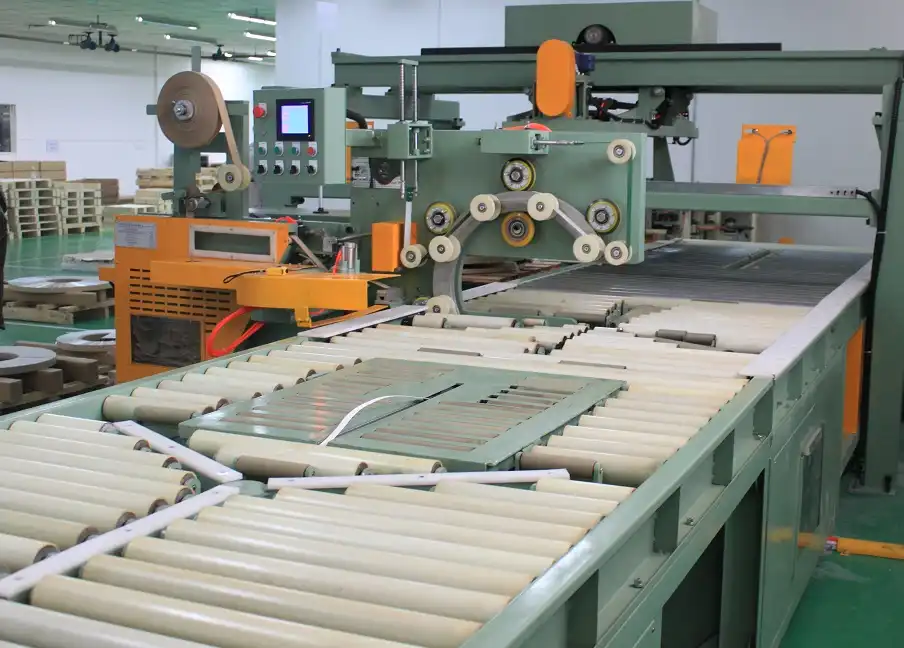
Integrating recycled materials into steel coil packaging bolsters a company’s brand image by visibly demonstrating a commitment to environmental responsibility and sustainability, which resonates positively with environmentally conscious customers, partners, and regulatory bodies. This not only strengthens brand loyalty and reputation but can also open doors to new markets that prioritize eco-friendly sourcing and practices, providing a competitive edge in an increasingly green economy.
This positive brand association translates into tangible business benefits. Consumers and businesses alike are increasingly evaluating their supply chains and purchasing decisions based on environmental impact. Companies that can demonstrate a verifiable commitment to sustainability through their packaging choices are viewed favorably. This can lead to increased customer loyalty, as partners feel good about aligning with a responsible supplier. Furthermore, many larger corporations, particularly those with ambitious sustainability goals themselves, are actively seeking suppliers who can help them meet their own environmental targets. By using recycled content in steel coil packaging, manufacturers position themselves as preferred partners in global supply chains. This can lead to new business opportunities and market segments that might be inaccessible to competitors relying solely on traditional, less sustainable packaging methods. Embracing recycled materials is not just about compliance; it’s about leadership and demonstrating foresight in a rapidly evolving market landscape, ultimately building a stronger, more resilient brand.
Conclusion
The incorporation of recycled materials into steel coil packaging represents a significant stride towards a more sustainable and efficient industrial future. The benefits are multifaceted, encompassing crucial environmental advantages through reduced waste and resource conservation, tangible economic gains via lower costs and increased efficiency, enhanced product protection that minimizes losses, and a stronger brand image appealing to a conscious market. Embracing recycled content is a strategic imperative for businesses aiming to thrive responsibly. Steel coil packaging solutions that prioritize sustainability are not merely an option but an essential component of modern, forward-thinking operations.








