
How to Improve the Efficiency of Your Coil Storage System
Struggling with cluttered storage areas, damaged coils, and inefficient workflows? Ineffective coil storage systems are costing your business valuable time, money, and potentially risking worker safety. It’s a common problem in manufacturing and processing, but there’s a better way to handle these bulky, heavy materials.
Improving the efficiency of your coil storage system involves optimizing equipment selection and lifting techniques, implementing proper storage practices like vertical orientation and secure chocking, prioritizing comprehensive safety training and PPE, conducting routine inspections and maintenance, and potentially adopting modern, space-saving storage solutions like vertical racks.
Implementing strategic improvements to your coil storage isn’t just about tidying up your warehouse; it’s about transforming a potential bottleneck into a streamlined operation that safeguards your investment and your workforce. Read on to discover the best practices that can revolutionize your coil handling and storage.
Optimizing Equipment and Handling
Efficient steel coil handling begins with selecting the right specialized equipment tailored to the size, weight, and characteristics of these unwieldy materials. The correct tools are not merely conveniences; they are fundamental to preventing damage, ensuring operational efficiency, and, critically, safeguarding your personnel from injury.
Optimizing equipment for coil storage efficiency requires using specialized tools like coil lifters, cranes, and forklift attachments designed for heavy loads and safe maneuvering. Paired with proper lifting techniques—centering the lift, avoiding outer edge pressure, and maintaining controlled movements—the right equipment minimizes damage and enhances workflow.

Selecting the optimal equipment is just the first step; mastering the techniques for lifting and transporting steel coils is equally vital for operational excellence and safety. Proper training ensures that the equipment’s potential for efficiency and safety is fully realized. Without skilled operators using the right tools, even the most advanced storage system will fall short of its potential.
The Pillars of Safe and Efficient Coil Handling
Selecting the right equipment and mastering proper lifting techniques are interconnected elements crucial for enhancing coil storage efficiency. Steel coils, due to their weight and shape, present unique handling challenges that demand specialized solutions.
Selecting the Right Manipulator
Different handling tasks require different tools. For lifting and moving coils, options range from overhead cranes with specialized attachments to forklifts with coil rams or c-hooks, and even robotic manipulators for automated systems. The choice depends on the weight and size of coils, the frequency of movement, and the layout of the facility. Investing in equipment with adequate capacity and safety features like load stabilization and secure locking mechanisms is paramount. Regular inspection and maintenance of all lifting equipment are non-negotiable to prevent failures that could lead to accidents or costly damage.
Mastering Proper Lifting Techniques
Training employees in the correct methods for attaching, lifting, and moving coils is essential. Key principles include:
- Centering the Load: Always lift from the core or the designated lifting points. Lifting from the outer edges can cause deformation.
- Using Appropriate Attachments: Ensure the lifting device matches the coil’s specifications (weight, size, orientation). Using undersized or incompatible attachments is a significant safety risk.
- Smooth and Controlled Movements: Avoid sudden jerks or rapid acceleration/deceleration. Lift and lower coils slowly and deliberately.
- Maintaining Clearance: Be constantly aware of the load’s height and swing path. Ensure safe distances from obstacles and personnel.
- Gentle Placement: When setting the coil down, do so smoothly onto designated supports or storage locations. Dropping or rough placement can damage the coil edges and structure.
Implementing these techniques reduces the risk of injuries, minimizes coil damage (such as edge deformation or flattening), and streamlines the movement process, directly contributing to improved overall storage system efficiency. The combination of suitable equipment and skilled operation forms the bedrock of a high-performance coil storage operation.
Revolutionizing Coil Storage Practices
Traditional methods of storing steel coils often create significant inefficiencies and safety hazards. Stacking coils directly on the floor or using basic pallet racking systems consumes valuable space, complicates inventory management, and increases the risk of accidents. These outdated approaches lead to cluttered workspaces and hinder productivity.
Revolutionizing coil storage practices involves moving beyond traditional floor stacking or basic pallet systems to adopt specialized, high-density solutions. Vertically oriented storage racks, like those with tiered cartridges, maximize space utilization, provide independent access to each coil, minimize handling times, and significantly enhance workplace safety.
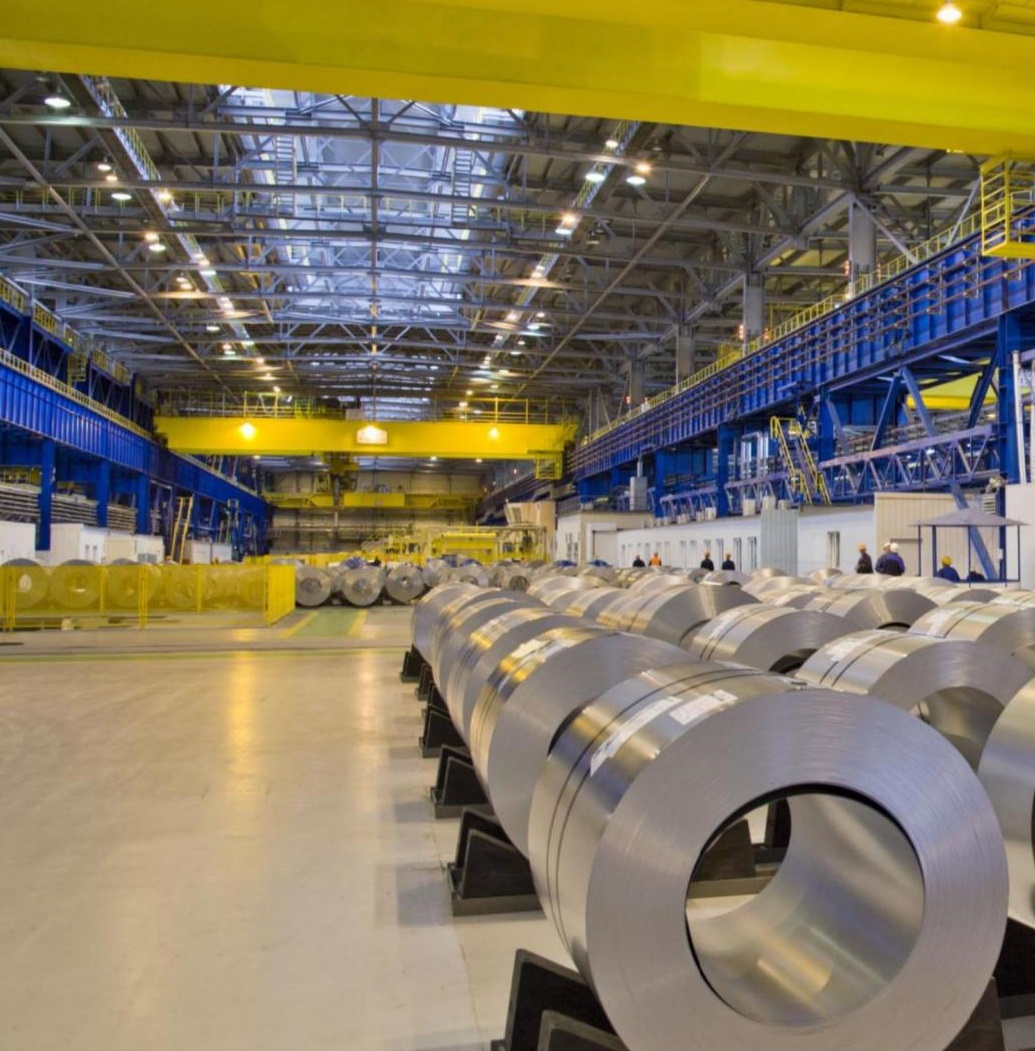
The evolution of coil storage solutions addresses these challenges head-on, offering systems designed to maximize storage capacity, improve accessibility, and enhance safety. Modern storage systems offer a paradigm shift from chaotic layouts to organized, efficient spaces.
The Shift Towards Specialized, High-Density Storage
Moving from traditional, often haphazard coil storage methods to specialized systems is a critical step in improving efficiency. Dedicated coil racks, designed for the unique demands of storing heavy, cylindrical materials, offer numerous advantages.
Benefits of Modern Coil Racks
Modern coil storage racks are engineered to address the shortcomings of older methods.
- Space Optimization: Vertical tiered designs allow for high-density storage, significantly reducing the floor footprint required compared to floor stacking.
- Improved Accessibility: Systems with independent cartridges or selective storage capabilities mean any coil can be accessed without moving others, drastically cutting retrieval times.
- Enhanced Safety: Secure cradles, chocks, and anchoring prevent coils from rolling or tipping, which are major hazards with traditional stacking. Designated, organized storage areas reduce clutter and improve traffic flow.
- Material Preservation: Storing coils in dedicated, properly sized supports prevents deformation, edge damage, and contact with potentially corrosive floor surfaces. Vertical storage (eye-to-the-sky) is often preferred for preventing edge damage.
- Better Inventory Management: Clear labeling and organized storage facilitate accurate inventory tracking and support practices like First-In, First-Out (FIFO) rotation.
Comparison: Traditional vs. Modern Storage
| Feature | Traditional Methods (Floor Stacking, Pallets) | Modern Coil Racks (e.g., LEAN, Polymeric) |
|---|---|---|
| Space Utilization | Poor (wide footprint, limited stacking) | Excellent (high-density vertical storage) |
| Accessibility | Low (requires moving coils, older buried) | High (independent access to each coil) |
| Safety | Low (tipping/rolling risk, cluttered) | High (secure cradles, organized space) |
| Material Protection | Poor (deformation, edge damage likely) | Excellent (secure support, protected) |
| Inventory Mgt. | Difficult (hard to locate, FIFO hard) | Easy (organized, labeled access) |
| Installation/Flex. | Simple but inflexible | Modular, scalable, flexible |
Investing in engineered coil storage systems offers a rapid return on investment through reduced handling times, minimized damage, improved safety, and better space utilization. These systems, whether made of steel or advanced polymeric materials, provide a robust, long-term solution for efficient coil management.
Prioritizing Steel Coil Safety
Ignoring safety in your steel coil storage system doesn’t just risk serious injury; it cripples efficiency through accidents, downtime, and increased costs. Handling and storing heavy, unstable coils without stringent safety protocols is an accident waiting to happen, disrupting workflow and impacting your bottom line.
Prioritizing steel coil safety is fundamental to storage efficiency. This involves mandating appropriate Personal Protective Equipment (PPE) like steel-toed boots and gloves, providing rigorous and regular safety training on proper lifting techniques and hazard awareness, and ensuring the storage area is organized, well-lit, and equipped with emergency supplies.
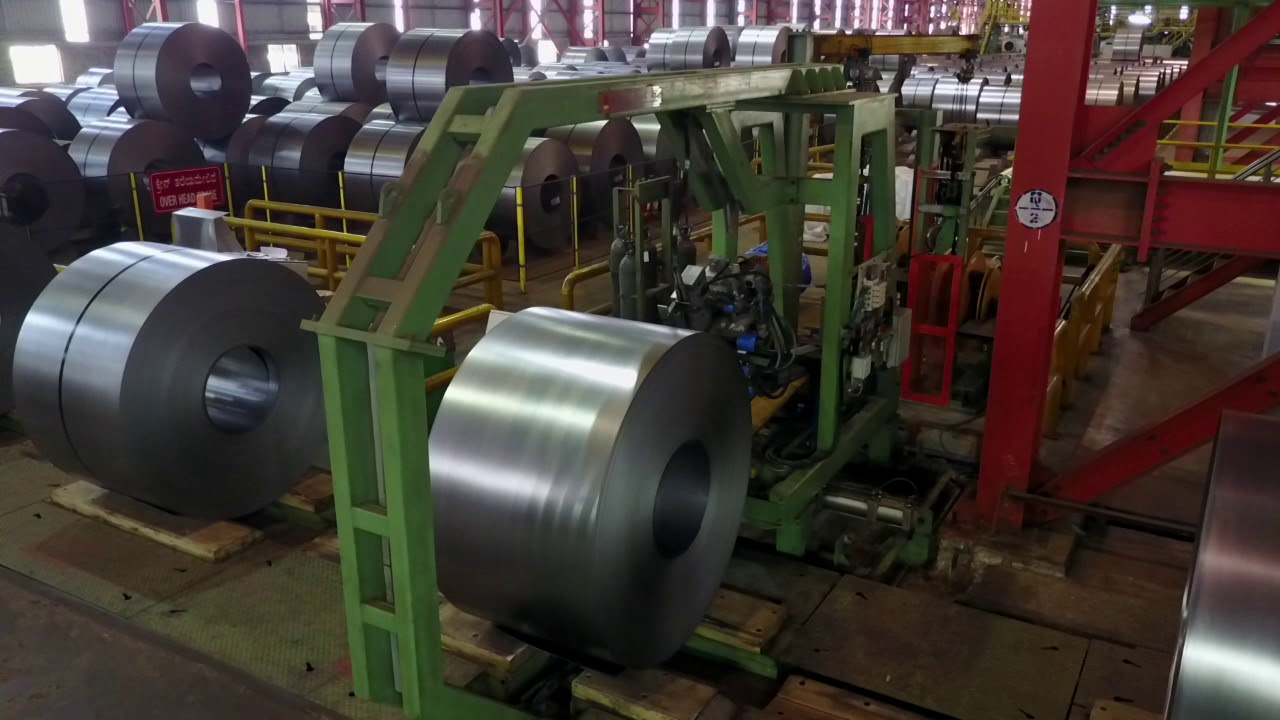
A safe coil storage environment is inherently more efficient. When employees are properly trained, equipped, and working in a safe area, they can perform their tasks confidently and effectively, reducing errors and preventing incidents that cause delays. Safety isn’t a compliance burden; it’s an operational advantage.
Building a Culture of Safety in Coil Storage
Implementing comprehensive safety measures is non-negotiable for an efficient coil storage system. It requires a multi-faceted approach encompassing equipment, environment, and personnel.
Essential Safety Measures
- Personal Protective Equipment (PPE): Mandate the use of necessary PPE, including hard hats (where overhead risks exist), safety glasses, heavy-duty gloves, and steel-toed footwear whenever working in or around the coil storage area.
- Safety Training and Procedures: Provide thorough and ongoing training on:
- Proper use of all handling equipment (cranes, forklifts, manipulators).
- Safe lifting and placement techniques specific to coils.
- Hazard identification (e.g., unstable stacks, damaged coils, pinch points).
- Emergency procedures (fire, injury, equipment failure).
- Safe pedestrian pathways and exclusion zones. Regularly review and update training content and procedures based on incidents, near misses, and evolving best practices.
- Storage Area Design and Maintenance:
- Ensure storage surfaces are level, stable, and capable of supporting the maximum potential load.
- Use appropriate chocks, blocks, or engineered racks designed to prevent rolling, tipping, or shifting.
- Maintain adequate aisle space for safe movement of personnel and equipment.
- Keep the area clear of debris, obstacles, and standing water or oil (which can create slip hazards).
- Provide adequate lighting to ensure visibility.
- Install overhead protection if storing coils outdoors or in areas prone to falling objects.
- Clear Signage and Labeling: Use clear signs to mark hazards, required PPE, load capacities of racks, emergency exits, and safe walkways. Each coil should be labeled with weight, size, and type.








