
What Is the True Price of a Vertical Steel Coil Packing Line?
Are you running a steel plant, just like many of our partners? Do you face daily pressures to ship hundreds of tons of steel coils, meeting diverse customer demands for packaging? If inefficient packing, inconsistent quality, or labor shortages are causing you headaches, you are not alone. These issues can delay shipments, lead to customer complaints, and even cost you money in fines.
The price of a vertical steel coil packing line is not just a single number on a quote. It is a complex figure influenced by the line’s level of automation, specific customization needs, the technology integrated, installation complexity, and long-term support. Understanding these factors helps you see the true value and the long-term return on your investment, rather than just the initial purchase cost.
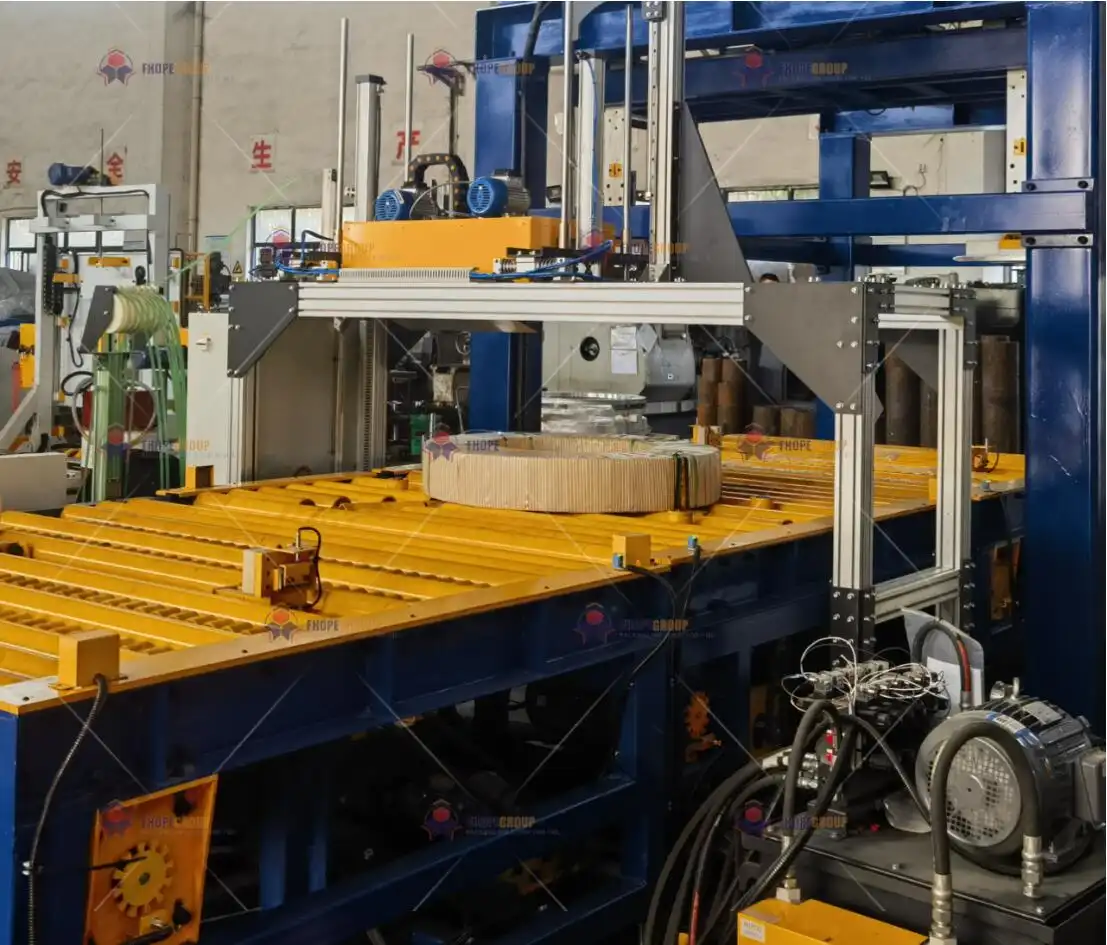
I have seen many plant directors, much like Ivan Petrov, struggle with these exact challenges. They want to move beyond basic machinery to a complete, reliable, and integrated solution. This journey into understanding packing line costs is crucial. It helps you make a smart decision that boosts your business. Let us look deeper into what drives these prices and how to find the right solution.
What Factors Drive the Price of a Vertical Steel Coil Packing Line?
Do you ever wonder why one packing line costs significantly more than another, even if they seem to do the same job? Many people think a packing machine is just a machine. But for steel coils, it is a whole system. This system is made of many parts. Each part adds to the total cost.
The price of a vertical steel coil packing line is driven by core components like coil handling systems, strapping or wrapping machines, automation levels, and the quality of materials used in its construction. Key factors also include the line’s speed, the range of coil sizes it can handle, and any special features for specific packing requirements like anti-rust or anti-scratch.
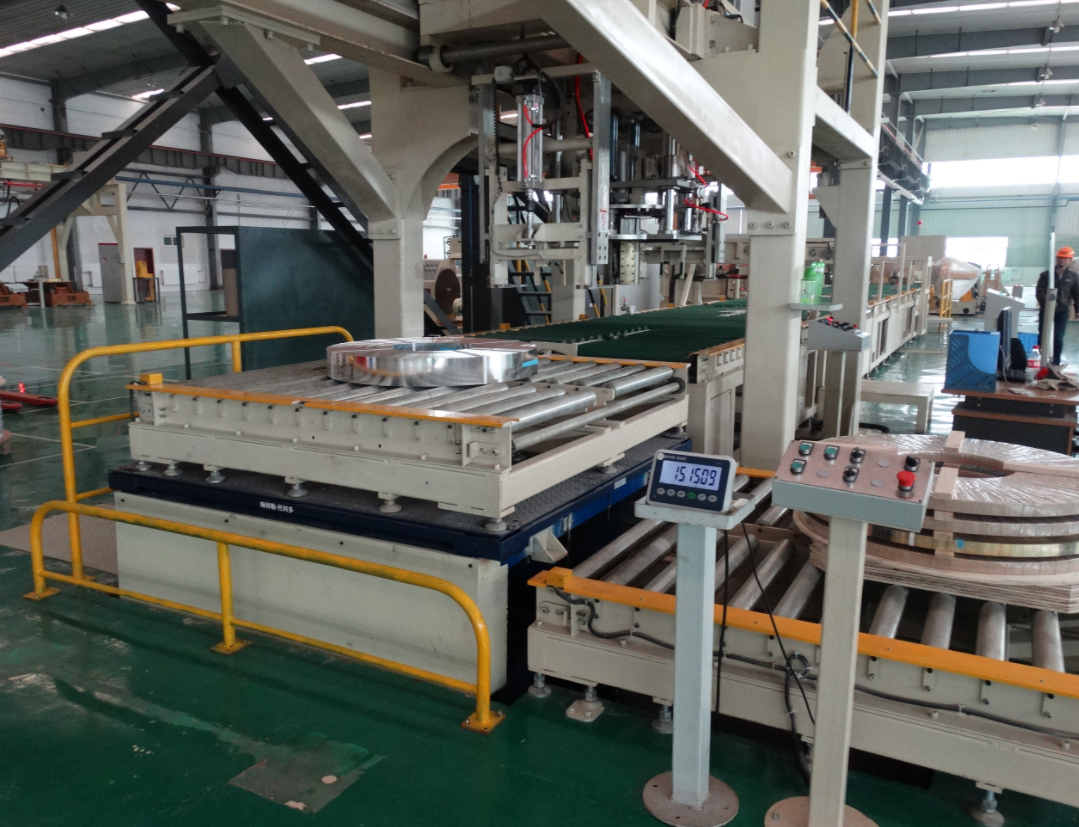
I remember my early days as an engineer in a packing machine factory. I saw firsthand how different choices in design and materials impacted performance and cost. A cheap part today often means higher costs tomorrow. Let me break down the main factors that affect the price of these important lines.
-
Level of Automation and Integration:
- 🤖 Manual vs. Semi-Auto vs. Fully Automatic: A fully automatic line will always cost more upfront. It includes advanced sensors, PLCs, and robotic elements. This reduces human labor needs. It also improves safety. Think about the fully automated lines for Ivan Petrov’s plant. They need minimal human interaction for turning, wrapping, and strapping.
- 🔗 Seamless Production Line Integration: How well does the packing line connect with your existing production line? If it needs complex interfaces or software synchronization, the cost goes up. This ensures a smooth flow from slitting to shipment. It means less downtime.
- 📊 Data Reporting and Diagnostics: Advanced lines offer real-time data on production, material consumption, and error detection. This provides valuable insights. It helps you optimize your operations. These smart features add to the price but offer big benefits.
-
Machine Components and Technology:
- ⚙️ Quality of Components: High-quality motors, sensors, pneumatic and hydraulic systems last longer. They perform better. They are more expensive upfront. However, they reduce maintenance costs and downtime over time.
- 💡 Type of Packing Technology: Do you need PET strapping, steel strapping, stretch wrapping, shrink wrapping, or a combination? Each technology has its own cost. For example, a heavy-duty steel strapping head for large coils costs more than a lighter PET strapping head.
- 🌍 Origin of Components: Components from reputable international brands often have higher costs. They offer better reliability and global support. This is important for continuous 24/7 operations.
-
Customization and Special Features:
- 📏 Coil Size and Weight Versatility: If your line needs to handle a wide range of coil diameters, widths, and weights (like Ivan’s 1-3 tons with variable ID/OD), it requires more robust and adjustable mechanisms. This increases engineering and manufacturing costs.
- 🛡️ Specific Packaging Requirements: Features for moisture-proofing, rust prevention, or anti-scratch protection add complexity and cost. These might include special film dispensers or advanced wrapping patterns.
- 🏷️ Automatic Labeling and Barcode Systems: Integrating systems for printing and applying labels automatically adds to the cost. But it meets customer demands for traceability and export standards.
-
Installation, Training, and After-Sales Support:
- 🛠️ Installation Complexity: The cost varies based on how difficult it is to install the line in your facility. This includes civil works, electrical connections, and commissioning.
- 🎓 Training: Proper training for your operators and maintenance staff is vital. It ensures safe and efficient operation. This often comes with an additional cost but prevents costly errors.
- 🤝 After-Sales Service and Spare Parts: A reputable supplier offers strong warranty, maintenance contracts, and readily available spare parts. This ensures the line runs smoothly for many years. This service is a hidden value in the overall price. It means you have a partner, not just a seller.
How Does Customization Affect the Price and Value of Your Packing Solution?
Are you thinking about an off-the-shelf packing machine to save money? Many companies make this mistake. They buy a standard machine only to find it does not quite fit their unique production needs. This can lead to bottlenecks, wasted materials, and frustrated workers.
Customization directly impacts the price of a vertical steel coil packing line because it involves specific engineering, design modifications, and the integration of specialized components to meet unique production requirements. However, this tailored approach significantly increases the line’s operational value, improving efficiency, reducing waste, and ensuring optimal packaging quality for diverse products.

When I started FHOPEPACK, my vision was to offer tailored solutions, not just machines. I knew from my own experience that every factory is different. What works for one steel plant in Russia might not work for another in Mexico. Ivan Petrov needs a line that handles cold rolled, galvanized, and color-coated coils. This demands true flexibility. Let us explore why customization, while affecting price, brings immense value.
-
Meeting Diverse Product Specifications:
- 🌈 Handling Different Coil Types: Ivan’s challenge is real: cold rolled, galvanized, and color-coated coils each have different packing needs. A customized line can handle these changes without manual intervention. It can automatically adjust strapping tension or wrapping patterns. This prevents damage to sensitive surfaces.
- 🔄 Adaptability to Varying Coil Dimensions: A standard machine might handle a fixed range of coil sizes. A customized solution is built to adapt. It can handle variable inner and outer diameters. It handles different widths and weights (1-3 tons for Ivan). This means fewer manual adjustments and more continuous operation.
- 🌡️ Environmental Protection Features: For export clients, like Ivan’s, strict moisture protection and CE/ISO certified packaging are crucial. Customization can include specialized pre-stretch film units, VCI paper applicators, or advanced heating systems for shrink wrapping. These features protect against rust and damage during long transit.
-
Optimizing Workflow and Space Utilization:
- 📐 Plant Layout Integration: Every steel plant has a unique layout. A customized line is designed to fit your available space. It integrates seamlessly into your existing production flow. This avoids costly reconfigurations of your factory. It improves overall line efficiency.
- 🧘 Ergonomics and Safety Enhancements: Customization can incorporate specific features that reduce manual labor. It improves worker safety. For example, automatic coil turning devices or integrated conveying systems eliminate hazardous manual handling. This lowers the risk of injuries. It also makes the job easier for workers, helping retain staff.
- ⬆️ Throughput and Cycle Time Optimization: By designing the line specifically for your target output (e.g., hundreds of tons daily), customization ensures that each packing step is optimized. This minimizes bottlenecks. It maximizes overall packing speed. It directly contributes to meeting tight shipping deadlines.
-
Long-Term Cost Savings and ROI:
- 💸 Reduced Material Waste: A custom-designed system applies packaging materials precisely. It uses the correct tension and amount. This reduces waste of PET straps, steel bands, or wrapping film. Over time, these savings add up.
- ⏱️ Lower Labor Costs: The initial investment in customization for automation reduces the need for manual labor. This is important for Ivan who faces high worker turnover rates. It cuts down on labor costs. It also frees up workers for other tasks.
- ⬆️ Improved Product Quality and Customer Satisfaction: When packing quality is consistent and meets international standards, customer complaints drop. Returns are fewer. This protects your brand reputation. It strengthens client relationships. This leads to repeat business and higher revenue. A customized line helps achieve this consistency.
What Is the Real Cost of Not Investing in a Quality Vertical Packing Line?
Have you ever settled for a cheaper solution, only to find yourself paying more in the long run? Many factory owners focus only on the initial purchase price. They overlook the hidden costs of poor decisions. This often leads to regret and bigger problems down the road.
The real cost of not investing in a quality vertical steel coil packing line extends far beyond the initial savings. It includes significant expenses from inconsistent packing quality, higher labor costs due to manual operations, increased safety risks, frequent downtime for repairs, and substantial losses from customer complaints, product damage, and potential contractual penalties.
My own journey from an employee to a factory owner taught me this lesson deeply. I saw businesses struggle because they tried to cut corners on crucial equipment. For Ivan, this means real money lost from inefficient processes. Let me explain these hidden costs. They can quickly outweigh any upfront savings.
-
Financial Losses from Poor Packing Quality:
- 📉 Product Damage and Returns: Inconsistent film tension or loose strapping means coils can get scratched, dented, or rusted during transit. This leads to customer rejections. It means costly returns. This directly impacts your bottom line.
- 💰 Contractual Penalties and Lost Business: Export clients often have strict packing standards (CE/ISO). Failure to meet these can result in heavy fines. It can damage your reputation. This can even lead to losing future contracts.
- 😠 Customer Dissatisfaction: Unhappy customers are less likely to buy from you again. They might also share their bad experiences. This harms your brand image. It makes it harder to attract new clients.
-
Operational Inefficiencies and Increased Costs:
- 👨🏭 Higher Labor Costs and Shortages: Relying on manual bundling and wrapping requires a large workforce. This is expensive. For Ivan, facing high turnover rates, this is a major challenge. Automated lines reduce this reliance. They lower labor expenses significantly.
- ⏰ Increased Downtime and Reduced Throughput: Manual switching between different coil types is slow and error-prone. Lower quality machines break down more often. This stops your production line. This costs you valuable time and money. It prevents you from meeting daily output targets.
- 🗑️ Waste of Packing Materials: Inconsistent manual operation often uses more film or strap than needed. This leads to material waste. It adds to your operational costs unnecessarily. A quality machine optimizes material use.
-
Safety Risks and Workplace Environment:
- 🤕 Higher Risk of Worker Injuries: Manual handling of heavy steel coils, especially during strapping or turning, is dangerous. It can lead to severe accidents and injuries. This results in worker compensation claims and lost productivity.
- ⚖️ Compliance Issues: Workplaces must meet safety regulations. High injury rates can lead to inspections and penalties. A good automated system improves safety. It helps meet these standards.
- morale Low Employee Morale and Turnover: High-intensity, dangerous manual work leads to low morale. It leads to high turnover of young workers. This means constant training of new staff. It affects overall productivity and quality. Automated systems create a safer, more attractive work environment.
How Can You Maximize the Return on Investment (ROI) of Your Vertical Coil Packing Line?
Are you looking at the upfront cost of a new packing line and wondering how you will ever get your money back? It is natural to feel this way. But smart investors look beyond the initial price tag. They focus on the total value and long-term benefits. They think about the return on their investment (ROI).
Maximizing the ROI of your vertical steel coil packing line involves selecting a fully automated, customizable solution that enhances production efficiency, significantly reduces labor and material costs, improves worker safety, and consistently delivers high-quality, compliant packaging. It also requires partnering with a reliable supplier for long-term support and maintenance.
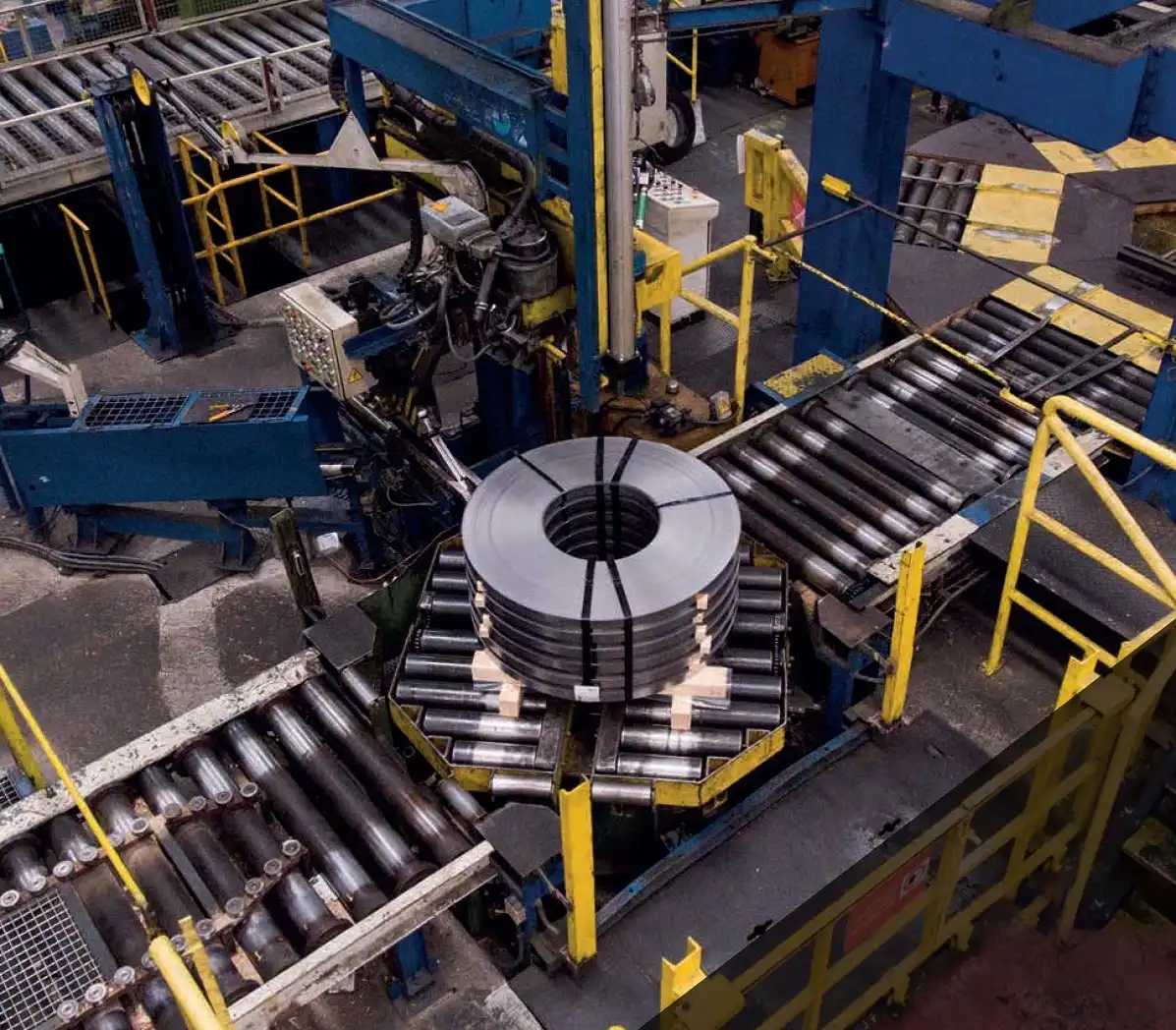
When I built FHOPEPACK, I knew that true success for my clients meant more than just selling them a machine. It meant helping them get the most out of their investment. This is what Ivan Petrov aims for: a solution that pays for itself and helps his business grow. Here is how you can achieve that.
-
Strategic Investment in Automation and Integration:
- 🚀 Increased Throughput and Efficiency: A fully automatic line reduces cycle times. It allows for continuous operation (24 hours, two shifts, as Ivan needs). This means you pack more coils faster. It helps you meet increased demand without adding more shifts or workers.
- 💰 Significant Labor Cost Reduction: Automation directly reduces the number of workers needed for packing. This saves on wages, benefits, and training costs. It also addresses labor shortage issues. This is a major factor in long-term savings.
- 🔄 Seamless Production Flow: Investing in a line that integrates perfectly with your existing systems minimizes manual handling and bottlenecks. This ensures a smooth, uninterrupted flow from production to dispatch. It maximizes overall plant productivity.
-
Focus on Quality, Reliability, and Durability:
- 💪 Consistent Packing Quality: A high-quality line delivers consistent, reliable packaging. It prevents damage, reduces returns, and ensures customer satisfaction. This protects your brand and secures future business.
- 🛡️ Enhanced Product Protection: Investing in features like moisture-proof wrapping and anti-scratch technology ensures your coils arrive in perfect condition. This is especially vital for export markets and sensitive materials. It avoids costly quality claims.
- 📈 Long-Term Reliability and Uptime: Quality machines with robust components have fewer breakdowns. This means more uptime and less maintenance cost. A machine that runs continuously provides a better return than one always under repair.
-
Choosing the Right Partner for Support and Service:
- 🤝 Comprehensive After-Sales Support: A reliable supplier offers strong warranty, readily available spare parts, and quick technical support. This minimizes downtime in case of issues. It keeps your line running efficiently.
- 🎓 Training and Skill Transfer: Proper training for your team ensures they can operate and maintain the line effectively. This maximizes the machine’s lifespan. It optimizes its performance. It also empowers your local staff.
- 💡 Future-Proofing and Upgradability: A good partner can offer insights into future technologies. They can provide options for upgrading your line as your needs evolve. This protects your initial investment. It ensures the line remains relevant and efficient for years to come.
Conclusion
Understanding the true price of a vertical steel coil packing line means looking beyond the sticker price. It involves analyzing automation, customization, and long-term operational benefits. Investing in a quality, tailored solution ensures consistent packing, improves safety, and reduces overall costs. It secures your ROI by making your operations more efficient and reliable. Partnering with FHOPEPACK, a leader in coil packing line solutions, helps you achieve these goals and succeed in your market.









