
The Future of Sustainable Packaging in the Steel Coil Industry
Rust claims millions in damaged goods, disrupting supply chains and eroding profits. Are traditional packaging methods leaving your valuable steel coils vulnerable to corrosion and environmental scrutiny? Discover how cutting-edge, sustainable solutions are revolutionizing protection and boosting your bottom line.

The future of sustainable packaging in the steel coil industry hinges on innovative VCI films and closed-loop recycling programs. By replacing hazardous rust preventatives and embracing materials that can be recycled back into new packaging, companies can drastically reduce waste, lower their carbon footprint, and ensure valuable steel arrives at its destination pristine.
This isn’t just about ticking boxes for environmental compliance; it’s about smart, efficient operations. Sustainable packaging offers a powerful synergy of robust protection, cost savings, and enhanced brand reputation in a competitive global market. Read on to explore how these advancements are reshaping the industry.
Why Sustainable Packaging is Now Non-Negotiable
The pressure is mounting. Customers, regulators, and corporate sustainability goals demand greener practices across the supply chain, especially in heavy industries like steel. Ignoring this shift isn’t an option; embracing sustainable packaging for steel coils is a strategic imperative for competitiveness and long-term viability.
Sustainable packaging for steel coils offers a critical pathway to reducing environmental impact while maintaining, or even improving, product integrity during transit and storage. Innovations like Vapor Corrosion Inhibitor (VCI) technology integrated into recyclable films and paper provide superior rust prevention, often replacing hazardous oils and coatings. Coupled with initiatives for post-consumer recycling, these solutions minimize landfill waste, conserve natural resources, lower carbon emissions, and create a more efficient, circular economy for the steel industry’s vital products.
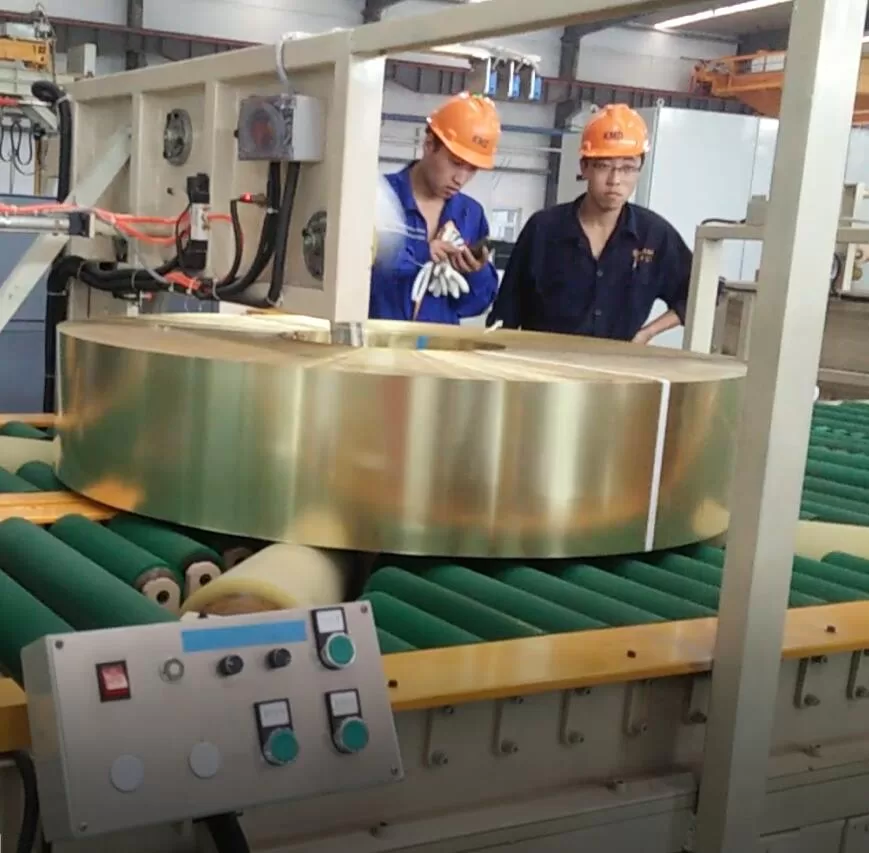
The Environmental Imperative: Beyond Compliance
Sustainability in steel coil packaging extends far beyond minimum regulatory requirements. It involves a holistic approach to material selection, process efficiency, and end-of-life management. The goal is to reduce the overall ecological footprint associated with protecting and transporting these massive, valuable goods. This includes minimizing waste generated, reducing energy consumption in manufacturing and transport, and eliminating or reducing the use of hazardous substances. Leading companies are actively pursuing packaging solutions that align with global climate goals and resource conservation efforts, recognizing that environmental responsibility is increasingly tied to business success and stakeholder trust.
Reducing Hazardous Materials and Waste
Traditional methods of protecting steel coils from corrosion often involved slushing oils or applying coatings that are difficult to remove and dispose of responsibly. VCI technology offers a cleaner alternative.
VCI: A Cleaner Rust Prevention Method
VCI molecules diffuse within the packaging enclosure, passivating the metal surface and preventing oxidation. This process is significantly cleaner than applying oils, which require energy and chemicals for removal before further processing.
- Comparison of Rust Prevention Methods
| Method | Hazard Potential | Application Complexity | Removal Process | Waste Generation | Environmental Impact |
|---|---|---|---|---|---|
| Slushing Oils | High (VOCs, handling) | Moderate | High, requires cleaning | High (oily waste) | High (pollution, disposal) |
| Solvent-based Coatings | High (VOCs, flammability) | Moderate | High, requires solvents | High (hazardous waste) | High (air quality, disposal) |
| VCI Packaging | Low (Typically non-toxic) | Low (Simply wrapping) | None (Dissipates) | Low (Recyclable packaging) | Low (Reduced chemicals, waste) |
By adopting VCI packaging, the need for hazardous cleaning processes at the destination is eliminated, saving time, energy, and reducing the generation of hazardous waste. This contributes directly to a safer working environment and a reduced environmental burden.
Embracing Circularity Through Recycling
Packaging waste is a significant challenge. Linear models, where packaging is used once and discarded, contribute heavily to landfills. A key aspect of sustainable packaging is the ability to recycle materials, creating a circular economy. Programs that facilitate the collection and reprocessing of used packaging are vital. Recycling used packaging reduces the need for virgin materials, which in turn conserves natural resources like oil (for plastics) and trees (for paper). The energy required to process recycled materials is often substantially less than that needed for virgin production, leading to lower greenhouse gas emissions. This closed-loop approach minimizes landfill volume and transforms waste into a valuable resource.
Conserving Energy and Resources
The entire lifecycle of packaging has an energy cost, from raw material extraction and processing to manufacturing, transport, and disposal. Sustainable packaging aims to minimize energy consumption at each stage.
Energy Efficiency in Sustainable Packaging
Manufacturing recycled plastics, for instance, can use significantly less energy than producing new plastics from fossil fuels. Lightweighting packaging design also reduces energy consumed during transportation. VCI packaging, by effectively preventing damage, also prevents the energy-intensive process of remanufacturing or repairing corroded steel coils.
- Energy Savings Comparison
| Activity | Relative Energy Consumption (vs. Virgin Production) | Resource Conservation | Carbon Footprint Reduction |
|---|---|---|---|
| Manufacturing Recycled Plastic | 30-70% Lower | Oil, Natural Gas | Significant |
| Manufacturing Recycled Paper | 60% Lower | Trees, Water, Energy | Significant |
| Lightweight Packaging Design | Lower Transport Fuel Use | Less Material Required | Significant |
| Preventing Corrosion (VCI) | Avoids energy for rework/remanufacturing | Raw Materials (Iron Ore, Coal, etc.) | Significant |
These efficiencies compound across the supply chain, contributing to a lower overall carbon footprint for steel coil distribution. The combined effect of reducing hazardous inputs, minimizing waste, and conserving energy makes sustainable packaging a powerful tool for environmental stewardship in the steel industry.
Cost Savings and Operational Efficiencies Unlocked
While the environmental benefits are clear, the financial advantages of adopting sustainable packaging for steel coils are equally compelling. Implementing greener packaging solutions isn’t just an expense; it’s an investment that can lead to significant cost reductions and streamline your operations, proving that sustainability and profitability can go hand-in-hand in the steel industry.
Transitioning to sustainable packaging for steel coils can generate substantial cost savings through multiple avenues. Reduced waste disposal fees, potential revenue from recycling materials, and lower material costs from optimized or recycled content packaging directly impact the bottom line. Furthermore, using advanced VCI solutions can dramatically cut down on expensive corrosion damage claims and rework, protecting profit margins. Efficient, often lighter, sustainable packaging also contributes to lower transportation costs and faster processing times at destination, improving overall operational efficiency.
The Economic Case for Going Green
The initial perception might be that sustainable options are more expensive. However, a lifecycle cost analysis often reveals the opposite. Beyond the direct costs of materials, businesses must account for waste disposal, potential environmental fines, the cost of damaged goods (including claims, rework, and lost customer confidence), and the labor involved in packaging and unpacking. Sustainable packaging solutions, particularly those incorporating VCI technology and designed for recyclability, can significantly reduce these hidden costs. The Weirton Steel case study demonstrates this, where switching to VCI film and corrugated inserts substantially reduced corrosion claims, leading to tangible savings that outweighed the initial investment in packaging materials and equipment. This shift also simplified the packaging process, potentially reducing labor costs.
- Reduced Waste Disposal Fees: As landfill costs rise, minimizing the volume of waste sent for disposal directly translates to savings. Recyclable packaging dramatically cuts down on non-reusable waste.
- Lower Costs from Damage Prevention: Corrosion damage is a major expense in the steel industry. VCI packaging’s effectiveness in preventing rust reduces or eliminates the need for costly claims, returns, and reprocessing of damaged coils. This is often the most significant financial benefit.
- Potential Revenue from Recycling: While variable by location and material type, selling baled recyclable packaging materials can provide a small but worthwhile revenue stream, further offsetting packaging costs.
- Optimized Material Usage and Lightweighting: Sustainable packaging often employs advanced material science to achieve high protection with less material. Lighter packaging reduces shipping weight, leading to lower freight costs, especially for international shipments.
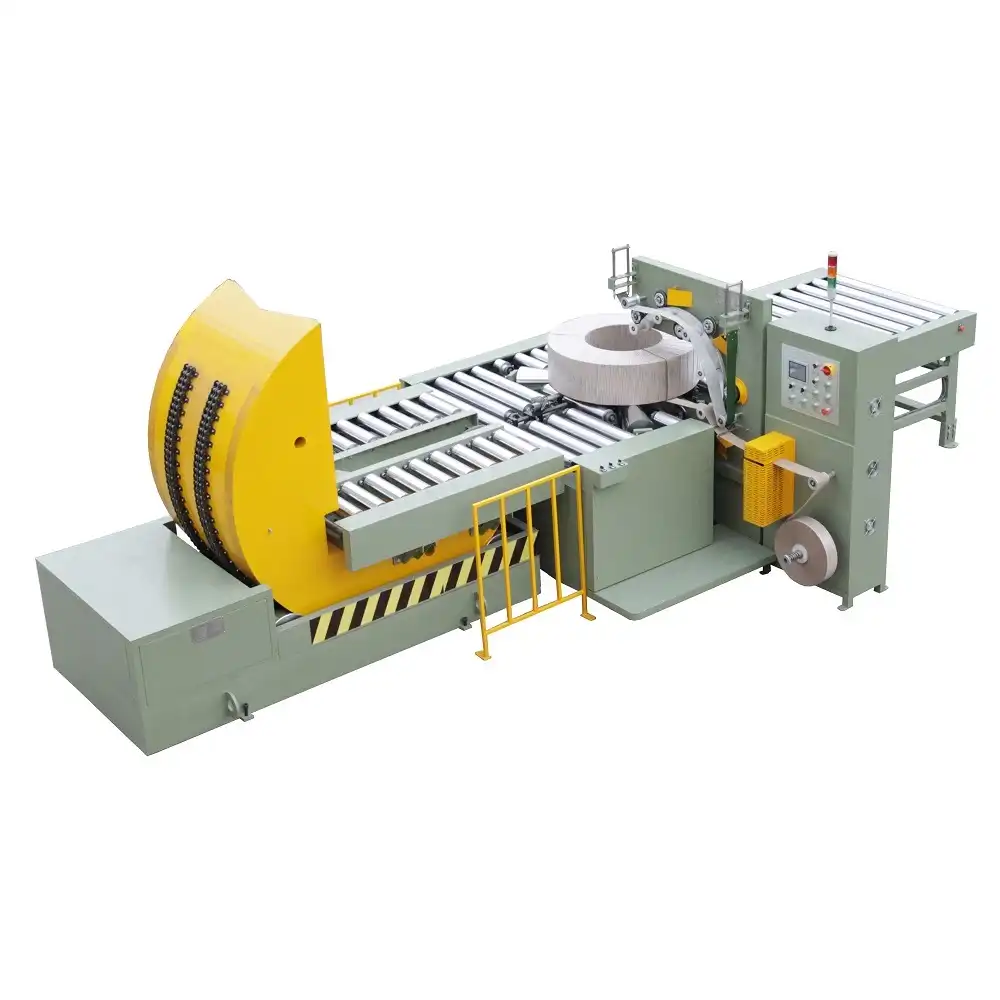
- Improved Labor Efficiency: Integrated packaging systems, such as automated stretch wrappers using VCI film, can streamline the packaging process compared to manual methods involving multiple layers of different materials. Similarly, VCI packaging often requires less effort for unpacking and preparing coils for subsequent processes as there are no oils or sticky residues to clean. This efficiency gains can reduce labor time and costs.
The combination of these factors builds a strong economic case for investing in sustainable steel coil packaging. It’s not just about being environmentally responsible; it’s about running a leaner, more profitable operation by minimizing waste, preventing damage, and optimizing processes. The upfront cost of innovative materials or machinery can quickly be recouped through these long-term savings and efficiencies.
Superior Protection: The Core Function
Sustainability is crucial, but packaging must first and foremost protect the product. For steel coils, this means preventing physical damage and, critically, corrosion. Fortunately, modern sustainable packaging solutions, particularly those leveraging advanced VCI technology, offer exceptional protection, ensuring valuable coils arrive in perfect condition, regardless of transit conditions.
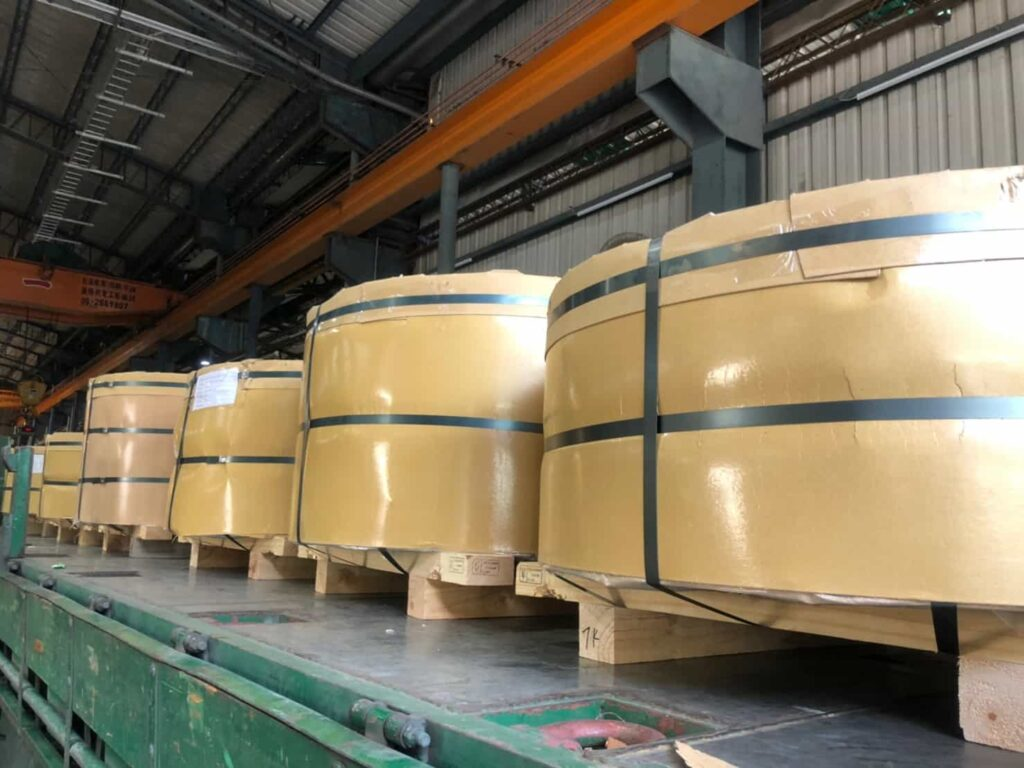
Effective sustainable packaging for steel coils integrates robust physical barriers with advanced anti-corrosion technologies like VCI. Materials such as VCI films and VCI papers create a protective micro-environment around the steel, actively preventing rust formation caused by moisture and environmental pollutants during storage and shipping, even in humid or challenging conditions. This level of protection minimizes product loss due to damage, safeguarding the quality and value of the steel from the mill to the end-user.
VCI Technology: The Guardian Against Rust
Vapor Corrosion Inhibitor (VCI) technology is the cornerstone of many high-performance, sustainable steel packaging solutions. Unlike barrier-only packaging, VCI actively prevents corrosion through a chemical process.
How VCI Works
VCI packaging materials (film, paper, emitters) are impregnated with chemical compounds that volatilize, filling the packaging enclosure with protective molecules. These molecules adsorb onto the metal surfaces, forming an invisible, passive layer that disrupts the electrochemical reactions necessary for rust formation. This protection is effective even in the presence of moisture or contaminants. The VCI layer dissipates harmlessly when the packaging is removed, leaving the steel surface clean and ready for immediate use.
Advantages of VCI Protection
- Active Corrosion Prevention: Protects against rust and corrosion from atmospheric conditions (humidity, industrial pollutants).
- Protection of Difficult-to-Reach Surfaces: VCI vapors penetrate into crevices, hollows, and inside diameters of coils, providing comprehensive protection where barrier-only packaging might fail.
- Clean and Dry Process: Eliminates the need for messy oils or greases, simplifying downstream processes and reducing cleaning costs.
- Long-Term Protection: Provides reliable corrosion inhibition for extended storage periods or during long-distance, multi-modal transport.
- Compatibility: Available in formulations compatible with ferrous, non-ferrous, and multi-metals.
| Feature | VCI Packaging | Standard Poly Film Barrier | Oiled Coils |
|---|---|---|---|
| Corrosion Mechanism | Vapor phase inhibition | Physical barrier only | Surface coating |
| Protection Reach | Reaches all enclosed surfaces | Barrier only | Covers only coated surfaces |
| Residue | None | None | Oily residue, requires cleaning |
| Environmental | Recyclable (if VCI poly/paper) | Recyclable (if poly) | Hazardous waste from oil/cleaning |
| Handling | Clean, easy | Clean, easy | Slippery, messy |
Physical Protection and Material Strength
Beyond corrosion, steel coils require protection from physical damage during handling and transport. Sustainable packaging materials are engineered for durability. High-density VCI films offer excellent puncture and tear resistance. Combining these films with robust corrugated inserts or edge protectors (potentially also VCI-coated) provides necessary structural support and cushioning. Packaging systems like stretch wrapping using strong VCI film create a secure, unitized load that resists shifting and abrasion. Innovations in recyclable plastics and paper have led to materials that maintain strength and integrity under the demanding conditions of steel coil transport, ensuring that the physical attributes of the coil remain undamaged.
Enhancing Brand and Supply Chain Relationships
In today’s interconnected global market, a company’s commitment to sustainability is increasingly scrutinized by customers and partners. Adopting sustainable packaging for steel coils is a visible, tangible demonstration of environmental responsibility that can significantly enhance brand image and strengthen relationships throughout the supply chain. It signals a forward-thinking approach and aligns with the growing demand for ethical and sustainable sourcing.

Embracing sustainable packaging for steel coils is a powerful signal to the market, enhancing brand perception and attracting environmentally conscious customers and partners. Companies prioritizing eco-friendly packaging demonstrate a commitment to corporate social responsibility, which can lead to improved customer loyalty, open doors to new business opportunities with partners requiring sustainable practices, and differentiate them in a competitive landscape. This goes beyond product quality to encompass the entire value chain.
By choosing recyclable VCI packaging and participating in circular economy programs like ZeCycle, steel producers can actively contribute to their customers’ sustainability goals. This shared commitment fosters stronger partnerships and can become a competitive advantage, particularly when exporting to markets with strict environmental regulations or strong consumer demand for sustainable products. Companies that proactively address packaging sustainability are seen as reliable, responsible partners, which is crucial in long-term business relationships within the steel industry supply chain. Furthermore, reducing transit damage through superior VCI protection leads to fewer customer complaints and claims, improving customer satisfaction and reinforcing a reputation for delivering high-quality products, sustainably packaged. The overall effect is a strengthened brand and more resilient supply chain relationships built on shared values and mutual benefits.
Conclusion
The steel coil industry stands at a critical juncture where protection, efficiency, and environmental responsibility must converge. The future of sustainable packaging for steel coils lies in innovative solutions like VCI films and papers integrated into recyclable materials and supported by closed-loop recycling initiatives. These advancements not only offer superior corrosion protection and significant cost savings but also demonstrate a vital commitment to sustainability, enhancing brand image and strengthening supply chain relationships. Embracing sustainable coil packaging is not just an option; it’s an essential strategy for competitiveness and environmental stewardship in the modern global market. Explore advanced solutions for your specific needs, including a full coil packing line.








