
Considering a Steel Coil Strapping Machine for Your Russian Operations?
Have you ever found yourself staring at your production line, feeling the immense pressure of slow output, rising costs, and constant safety concerns? Many factory managers, like Michael Chen in the metal processing industry, face these daily struggles. Manual packing processes drain time, expose workers to risks, and often lead to damaged products. This reality can weigh heavily on your business, impacting everything from profit margins to client satisfaction.
This handbook is your guide to understanding steel coil strapping machines, especially for demanding industrial environments like those often found in Russia. We will cover why automation is crucial, how to pick the right machine, what features truly matter for reliability, and my personal insights from years in this industry. It aims to make complex topics simple, giving you clear, actionable advice to boost your factory’s efficiency and safety.

Reading this guide will equip you with the knowledge to make smart decisions for your factory. We will walk through the core aspects of automated strapping, showing you how these machines can solve your biggest production headaches. Stay with me to find out how to transform your operations and secure your investment.
Why is Automation Key for Your Steel Coil Strapping Process?
Is your current coil strapping method slowing down your entire production line? Many factories still rely on manual processes, which are slow, inefficient, and often dangerous. Workers lift heavy tools, move around large, unstable coils, and strap them by hand. This not only creates bottlenecks but also leads to high rates of worker injury and product damage.
Automation in steel coil strapping means replacing human labor with machines for a faster, safer, and more consistent process. Machines can handle the heavy lifting, apply consistent tension, and work tirelessly, removing the risks and inefficiencies of manual strapping. This shift directly addresses problems like slow output, high labor costs, and product damage.
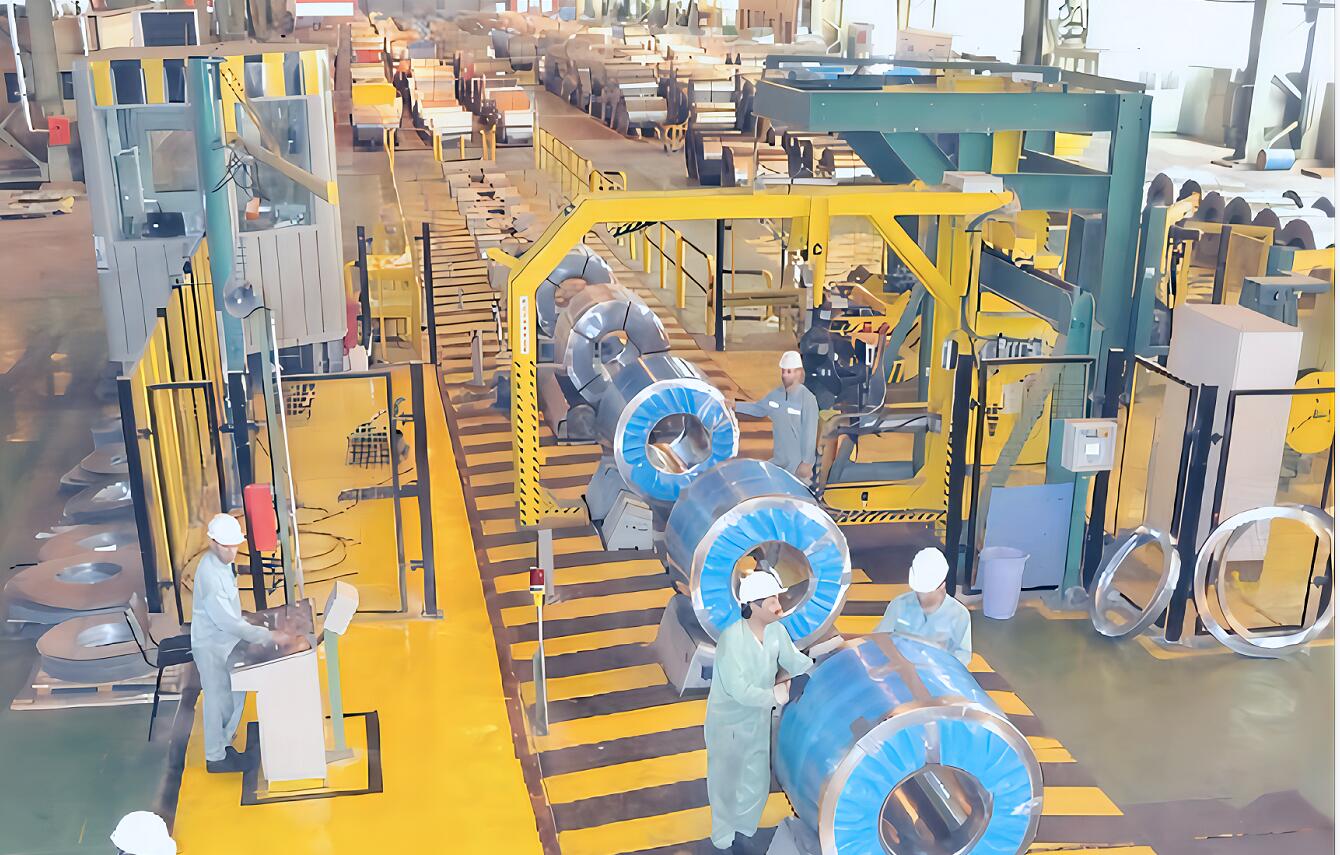
When I first started in this business, I saw firsthand how much human effort went into packing. It was not efficient. Automated strapping systems transform your end-of-line process. They make it much faster. This speed means your products move out the door quicker. You can meet customer demands without delay. An automatic machine can strap a coil in minutes, while manual methods take much longer. This cuts down on the time your products sit waiting. It also frees up your workers for other, more skilled tasks. This boosts your overall factory output. It helps you keep up with high production volumes, which is common in places like Russia.
Boosting Throughput and Speed
Manual strapping involves many steps. Workers must position the coil, pull the strap, tension it, and then seal it. This takes time and often requires more than one person. An automatic machine does all these steps without human hands. It positions the strap, tensions it precisely, and seals it quickly. This dramatically increases the number of coils you can strap in an hour or a shift. This increased speed directly leads to higher overall production capacity. It also reduces bottlenecks at the end of your production line. This means you can process more orders and deliver products faster to your clients. For large-scale operations, like many steel mills in Russia, this speed is not just an advantage; it is a necessity for competitiveness.
Enhancing Worker Safety
One of the biggest concerns with manual strapping is safety. Workers must handle heavy straps and tools. They also work very close to large, heavy steel coils. The risk of back injuries, cuts, or crushed limbs is high. Automated machines remove workers from these dangerous areas. The machine does the work. It applies the strap and tensions it safely. This lowers the risk of accidents and injuries in your factory. Lower injury rates mean less downtime for workers. It also means lower insurance costs for your company. Your employees feel safer, which can lead to better morale and lower staff turnover. This is a big win for any factory.
Reducing Material Damage and Waste
Manual strapping can lead to inconsistent tension. This can damage the coil edges. It can also cause the strap to loosen during transport. Loose straps mean damaged products and customer complaints. Automated machines apply consistent tension every time. They secure the coil properly. This reduces the chance of damage to the coil during handling and shipping. Less damage means fewer returns. It also means happier customers. This protects your profits. It also improves your reputation. The machine uses just the right amount of strapping material. This cuts down on waste, saving you money on materials over time.
| Aspect | Manual Strapping | Automated Strapping Machine |
|---|---|---|
| Speed/Efficiency | Slow, labor-intensive, creates bottlenecks | Fast, consistent, high throughput |
| Safety | High risk of worker injury, strain | Low risk, workers are removed from hazardous areas |
| Consistency | Varies by worker, inconsistent tension | Precise, uniform tension every time |
| Product Damage | Higher risk of edge damage, loose straps | Lower risk, secure packaging |
| Labor Costs | High, requires multiple workers | Lower, frees up workers for other tasks |
| Material Waste | Can be higher due to inconsistent application | Optimized, uses precise amount of strap |
How Do You Choose the Best Steel Coil Strapping Machine for Heavy Industry?
Are you feeling overwhelmed by the many options when it comes to buying a new strapping machine? It is easy to make a mistake when selecting equipment. Some suppliers only care about making a sale. They do not offer good after-sales support. This can leave you with a machine that does not fit your needs. It can also lead to costly downtime. Choosing the wrong machine for heavy industry means big losses. It means problems with production.
Choosing the best steel coil strapping machine means looking beyond the price tag. You need a machine that is robust, efficient, and well-supported. It must handle the specific demands of your factory. This includes understanding your coil types, production volume, and the often harsh working conditions of heavy industry. My experience has shown me that a smart choice now prevents many headaches later.

When I built my factory, I learned a lot about equipment selection. It is not just about what a machine can do. It is about what it will do for you day in and day out. This is especially true in environments like Russia. Factories there demand equipment that can withstand continuous, high-volume operation. They need machines that perform under tough conditions. You need to consider several key factors. These factors will guide you to the right investment. This investment will not only solve your current problems. It will also support your factory’s growth for many years.
Assessing Your Production Needs
Before you even look at a machine, you must understand your own factory’s needs. What is the average weight of your steel coils? What are their typical diameters? How many coils do you need to strap per hour or per shift? Do you produce hot-rolled coils, cold-rolled coils, or wire coils? Each type has different strapping requirements. Knowing these details helps you narrow down your choices. A machine designed for light-duty work will fail quickly in a heavy-duty environment. Consider the space you have available. Do you need an overhead strapping machine or a side-strapping machine? Does it need to integrate into an existing conveyor line? These practical details are important. They ensure the machine fits perfectly into your current setup. Do not guess. Measure and record your actual production data. This data is gold. It will help your supplier recommend the best fit.
Machine Durability and Construction
In heavy industries, machines face a lot of wear and tear. Dust, vibration, and continuous operation demand robust construction. Look for machines built with high-quality, heavy-gauge steel frames. Check the quality of the components, like motors, bearings, and hydraulic systems. Are they from reputable brands? Can they withstand the harsh conditions in your factory? A cheap machine might save you money upfront. But it will cost you much more in repairs and downtime. I always tell my clients to invest in quality. It pays off in the long run. Durability means less maintenance. It means more uptime. It means consistent performance. This is critical for meeting production targets. It also keeps your operational costs low.
The Importance of After-Sales Support
A machine is only as good as the support behind it. What happens when something breaks down? How quickly can you get spare parts? Does the supplier offer technical assistance or training for your staff? Poor after-sales service can cripple your operations. It can turn a small problem into a major production halt. Before you buy, ask about their service network. Do they have engineers who can come to your site? Do they offer remote support? Can they deliver spare parts quickly, even to remote locations? A reliable partner will provide comprehensive support. They will help you maintain your machine. They will ensure it runs smoothly for its entire lifespan. This trust is something I value deeply. It builds long-term relationships.
| Criteria | Description | Why it Matters for Heavy Industry (e.g., Russia) |
|---|---|---|
| Coil Specifications | Weight, diameter, type (hot/cold rolled, wire) | Ensures machine can handle your specific product range and sizes |
| Production Volume | Coils per hour/shift, daily/monthly targets | Guarantees machine can meet output demands without bottlenecks |
| Machine Build Quality | Frame material, component brands, heavy-duty design | Ensures longevity and reliability in harsh, continuous operation |
| Integration | Compatibility with existing conveyors, layout requirements | Smooth workflow, minimizes additional infrastructure costs |
| After-Sales Support | Spare parts availability, technical assistance, training | Reduces downtime, ensures quick resolution of issues, maximizes ROI |
| Energy Efficiency | Power consumption, operational costs | Lowers operating expenses, important for large-scale, long-term use |
What Essential Features Will Guarantee Machine Reliability and Longevity?
Are you worried about investing in a machine that breaks down often or needs constant repairs? Many factory managers have been burned by equipment that looked good on paper but failed in real-world use. In industries with high production demands, like those in Russia, machine downtime means lost money. It also means missed deadlines. You need a machine that is built to last. You need one that performs consistently.
To ensure your steel coil strapping machine stands the test of time, you must look for specific design features and components. These are not just add-ons; they are fundamental elements that contribute to the machine’s robustness, ease of use, and long-term reliability. From my many years in this field, I have learned that paying attention to these details upfront saves huge costs and headaches later.
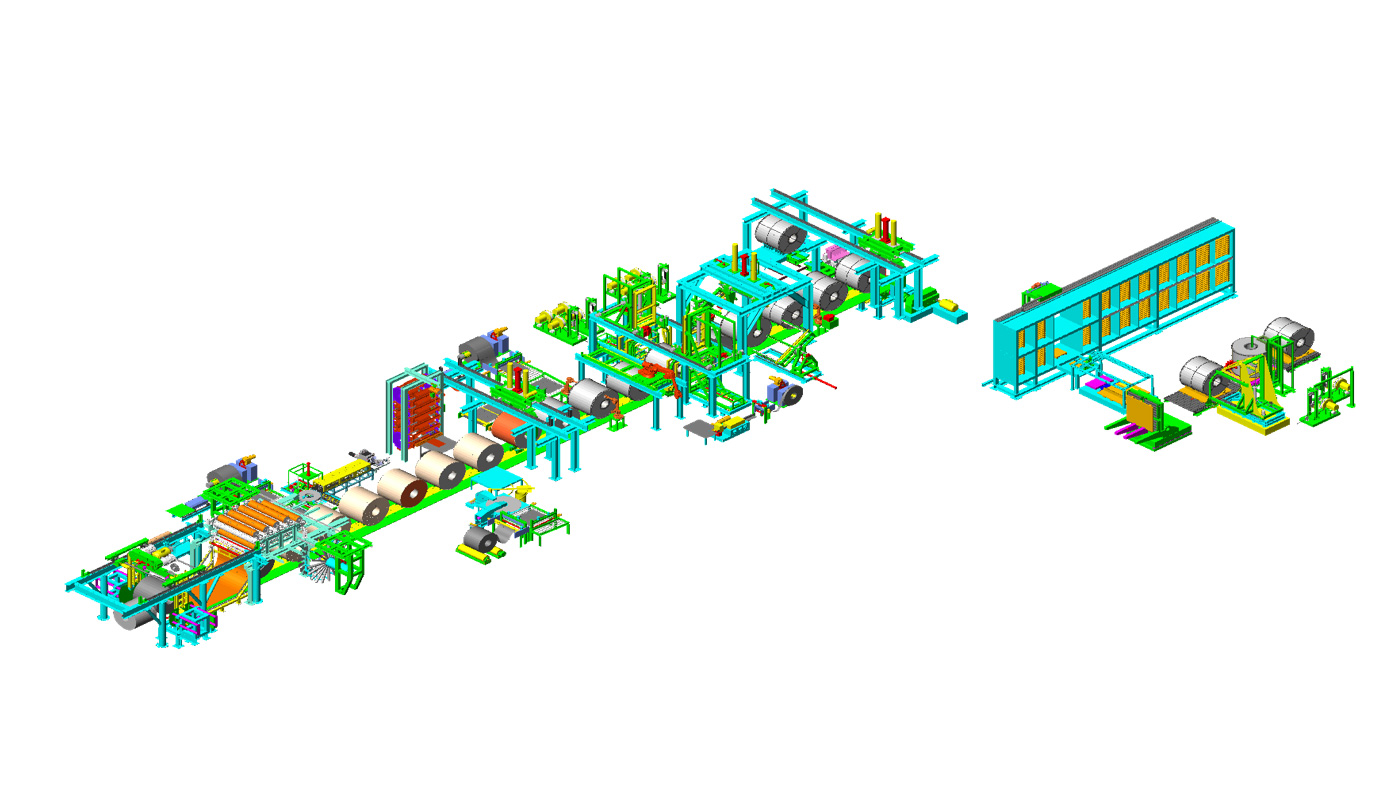
When I visit factories, especially in demanding environments, I always look at how the machines are built. It is easy to see if a machine was designed for the long haul or if it was made to be cheap. A reliable machine does not just work well today. It keeps working well five, ten, or even fifteen years from now. This kind of longevity comes from thoughtful engineering. It comes from using high-quality materials. It also comes from smart design choices that make maintenance easy. Let’s look at what features truly make a difference. These are the ones that will keep your production running smoothly, even under intense pressure.
Robust Construction Materials
The foundation of any reliable heavy industrial machine is its construction. Look for machines built with heavy-gauge steel frames. These frames can withstand constant vibration and heavy loads. They do not bend or deform easily. The machine parts exposed to wear, like the strapping head and guide ways, should be made of hardened steel or special alloys. This makes them resistant to abrasion and impact. In a high-volume factory, parts are constantly moving. They are under stress. Materials like stainless steel are also important for parts that might be exposed to corrosive environments or moisture. Investing in superior materials upfront reduces the need for frequent part replacements. It lowers maintenance costs. It ensures the machine operates without interruption. This kind of material quality is non-negotiable for long-term reliability.
Smart Control Systems
Modern strapping machines should have intelligent control systems. These systems make operation easier and more efficient. Look for machines with a user-friendly Human-Machine Interface (HMI). This could be a touchscreen that displays clear information. It should allow operators to easily adjust settings. A good control system can also self-diagnose problems. It can alert operators to potential issues before they become major breakdowns. Features like automatic tension adjustment ensure each strap is applied perfectly. This reduces material waste. It also ensures consistent packaging quality. Some advanced systems can even log production data. This data can help you analyze performance. It can help you identify areas for improvement. A smart system makes the machine simpler to operate. It also makes it more reliable.
Designed for Ease of Maintenance
Even the most robust machines need regular maintenance. A well-designed machine makes this process easy and quick. Look for features that allow for easy access to key components. Are parts modular? Can they be replaced quickly? Are lubrication points easily accessible? Machines with fewer complex moving parts also tend to be more reliable. They have fewer things that can go wrong. A good machine also comes with clear maintenance manuals and diagrams. This helps your maintenance team perform routine checks and repairs efficiently. When maintenance is easy, it gets done more often. This prevents small issues from becoming big, expensive problems. This design philosophy directly contributes to the machine’s longevity and minimizes downtime.
| Feature | Description | Benefit for Reliability and Longevity |
|---|---|---|
| Heavy-Gauge Frame | Thick, strong steel structure forming the machine’s core | Resists deformation, vibration, and impact from heavy use |
| Hardened Components | Key wear parts (strapping head, guides) made from durable alloys | Reduces abrasion, extends lifespan of critical operational parts |
| User-Friendly HMI | Intuitive touchscreen interface for operation and diagnostics | Simplifies operation, enables quick issue identification, reduces errors |
| Self-Diagnostic Tools | Built-in sensors and software that detect and report malfunctions | Allows proactive maintenance, prevents major breakdowns, reduces downtime |
| Easy Component Access | Design allows quick reach to motor, sensors, and wear parts for service | Speeds up routine maintenance, reduces repair time, lowers labor costs |
| Modular Design | Components are separate units that can be replaced easily | Simplifies repairs, reduces the need for complex, time-consuming fixes |
My Insights: What I Learned Building a Packing Machine Empire?
Have you ever wondered what it takes to turn a passion into a thriving business that helps others succeed? When I started, I was just an employee at a packing machine factory. I saw the challenges. I saw the potential. But I also saw a gap in understanding between machine builders and factory owners. This gap often led to frustration. It led to less-than-ideal solutions.
My journey from a factory employee to establishing FHOPEPACK has been a long one. It was filled with hard work and dedication. It taught me invaluable lessons about the packing machine industry. It showed me the importance of truly understanding a client’s needs. This experience not only helped me achieve financial independence. It also allowed me to help many clients grow their own businesses. Now, I want to share these insights with you.

I remember countless nights spent studying machine designs. I spent days on the factory floor, watching how things worked. I talked to engineers. I talked to operators. I wanted to understand everything. My goal was not just to build machines. It was to build solutions. I learned that true success comes from helping others. It comes from solving their real problems. This is why FHOPEPACK exists. It is a platform for sharing knowledge. It is about making mold and packing machine knowledge accessible to everyone. My journey in coil packing and steel wire packing gave me so much. Now, I feel a strong call to give back. I want to help you avoid the pitfalls I saw. I want to help you make smart choices. Here are some of the key lessons I learned along the way.
From Employee to Entrepreneur
My career began humbly. I was just an engineer on the factory floor. I learned about packing machines from the ground up. I saw the daily grind. I saw the inefficiencies. But I also saw the immense potential of well-designed machinery. This hands-on experience was invaluable. It taught me the practical aspects that textbooks never cover. I understood how small design flaws could lead to big problems in production. This led me to believe that I could do things differently. I could build better machines. I could offer better service. It was a big step to leave a stable job and start my own factory. There were many risks. There were many sleepless nights. But my passion for packing machines drove me forward. I wanted to create something truly impactful. This personal journey gave me a deep appreciation for every part of the manufacturing process. It also made me a firm believer in continuous learning.
The True Value of Understanding Client Needs
Early on, I realized that many equipment suppliers focused only on selling their products. They did not truly listen to the client’s specific challenges. They did not understand the client’s unique factory environment. But every factory is different. Every production line has its own quirks. I made it my mission to truly understand my clients. I asked detailed questions. I visited their sites whenever possible. I wanted to know their production bottlenecks. I wanted to know their safety concerns. I wanted to know their specific goals for growth. This deep understanding allowed me to recommend solutions that truly fit. It was not about selling the most expensive machine. It was about selling the right machine. This approach built trust. It built strong relationships. It also led to much higher client satisfaction. For me, this was the real measure of success.
Why Giving Back Matters
After years of hard work, my factory became successful. I achieved financial independence. More importantly, I saw many of my clients thrive because of the solutions we provided. This feeling of helping others succeed was incredibly rewarding. It made me reflect on my journey. The packing machine industry had given me so much. I felt a strong desire to give back. This is why I started FHOPEPACK as a knowledge-sharing platform. I believe that practical knowledge should be accessible to everyone. Whether you are a beginner or a seasoned professional, there is always more to learn. By sharing my expertise, my failures, and my successes, I hope to empower others. I want to help you make informed decisions. I want to help you grow your own businesses. This is my way of contributing to the industry that has given me so much. My goal is to help you master your packing challenges.
Conclusion
Choosing the right steel coil strapping machine means understanding your needs and partnering with experts. Focus on automation for efficiency and safety. Prioritize durable machines with smart features and strong after-sales support.








