
The Best Strapping Methods for Steel Coils to Prevent Movement
Are you tired of steel coils shifting, unwinding, or getting damaged during transit and storage? Imagine the frustration of dealing with unstable loads, potential hazards, and increased material waste. The solution? Mastering the best strapping methods to ensure your steel coils remain secure and immobile, safeguarding your investment and operational efficiency.
To effectively prevent movement of steel coils, the best strapping methods involve using high-tensile steel strapping, applying proper tension with tools, employing correct joint types like seal-less or welded seals, and ensuring edge protection. These methods collectively provide robust securement, minimizing shifting and damage during handling and transportation.
This article dives deep into the essential techniques and best practices for strapping steel coils, ensuring they stay put, no matter the journey. Continue reading to discover how to select the right strapping materials, utilize effective tools, implement crucial safety protocols, and understand the nuances of banding joints and tension levels for ultimate coil security.
Types of Banding Materials for Steel Coil Strapping
When it comes to securing heavy steel coils, choosing the right banding material is non-negotiable. Think about the immense weight and potential energy stored in those coils – the strapping is the last line of defense against chaos. Selecting the appropriate material guarantees the safety and stability of your valuable steel during every stage of handling and transport.
Steel strapping, polypropylene banding, and polyester banding are the primary materials for securing steel coils, each offering distinct properties for different applications. Steel strapping is the strongest, ideal for heavy-duty loads requiring minimal stretch. Polypropylene is economical for lighter bundling needs. Polyester provides a balance of strength and flexibility, suitable for medium to heavy applications. The choice depends on load weight, transportation conditions, and environmental factors, ensuring optimal security and cost-effectiveness.
Understanding the strengths and weaknesses of each material is crucial for optimizing your strapping process. Let’s explore the characteristics, applications, and benefits of steel, polypropylene, and polyester banding in detail to help you make informed decisions.
Steel Strapping: The Gold Standard for Heavy-Duty Loads
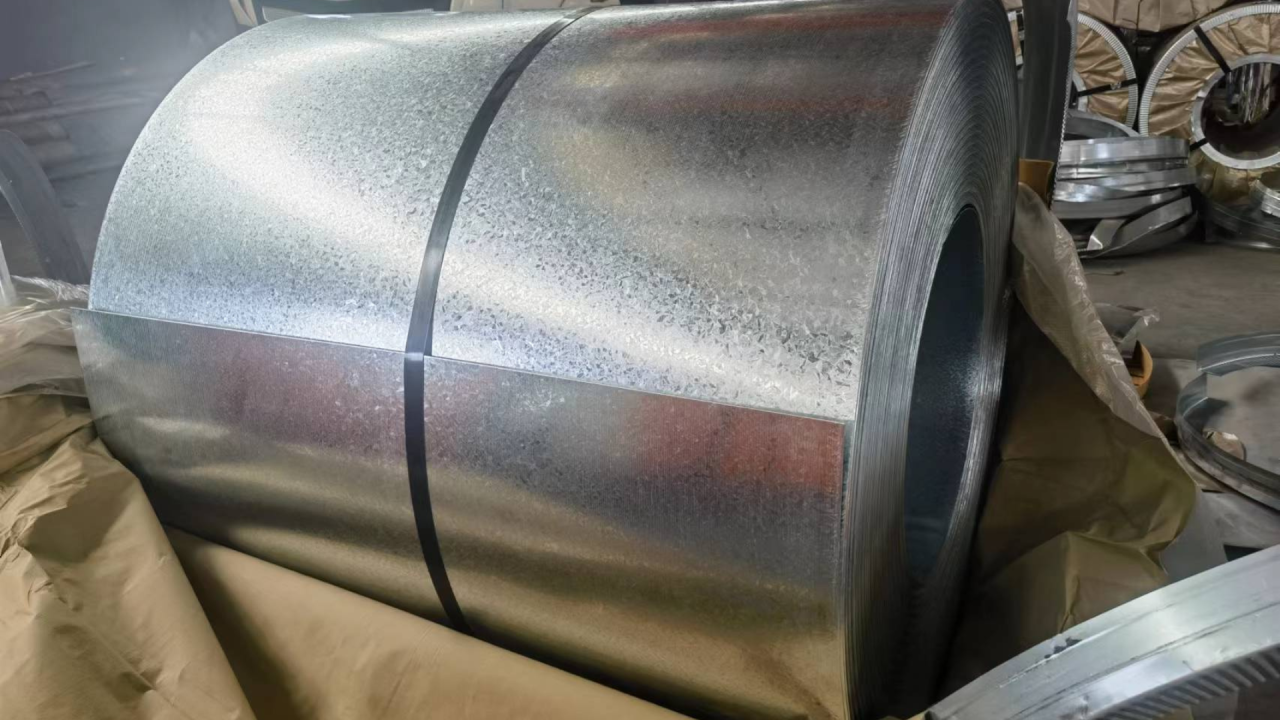
Steel strapping stands out as the most robust option for securing steel coils, particularly when dealing with heavy and unwieldy loads. Its unparalleled tensile strength and minimal elongation make it the industry benchmark for applications demanding maximum security and stability. Choosing the correct type of steel strapping and applying it properly can significantly reduce the risk of coil movement and damage, ensuring safe and efficient operations.
Detailed Look at Steel Strapping Types and Properties
Steel strapping isn’t a one-size-fits-all solution. It comes in various types, each tailored to specific needs and applications. Understanding these nuances is key to selecting the optimal strapping for your steel coils. Let’s break down the common types and their properties:
- Regular Duty Steel Strapping: This is your general-purpose workhorse, suitable for medium to heavy loads. It offers a good balance of strength and cost-effectiveness for everyday applications.
- High Tensile Steel Strapping: When strength is paramount, high tensile steel strapping steps up. Engineered to withstand extreme tension and stress, it’s ideal for exceptionally heavy or unstable loads, providing an extra layer of security.
- Stainless Steel Strapping: In corrosive or harsh environments, stainless steel strapping is the answer. Its resistance to rust and degradation makes it perfect for applications exposed to moisture, chemicals, or extreme temperatures, ensuring long-term reliability.
To further illustrate the differences, consider this comparison table:
| Feature | Regular Duty Steel Strapping | High Tensile Steel Strapping | Stainless Steel Strapping |
|---|---|---|---|
| Tensile Strength | Standard | High | Standard to High |
| Elongation | Minimal | Minimal | Minimal |
| Corrosion Resistance | Low to Moderate | Low to Moderate | High |
| Cost | Economical | Higher | Highest |
| Typical Applications | General purpose, medium loads | Heavy, unstable loads | Corrosive environments |
Choosing the right type of steel strapping, based on these properties and your specific coil handling needs, is crucial for ensuring both safety and cost-efficiency. For heavy, high-value steel coils, investing in high tensile or stainless steel options can be a worthwhile investment in preventing damage and ensuring secure transport.
Banding Tools and Equipment: Achieving Optimal Tension and Security
Applying banding effectively isn’t just about the material; it’s also about the tools you use. Imagine trying to secure a multi-ton steel coil with just your bare hands – impossible and unsafe! The right banding tools are essential for achieving the correct tension, secure joints, and overall stability of your strapped coils.
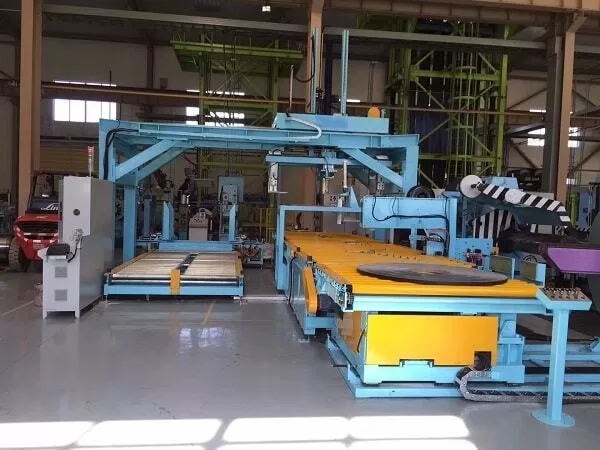
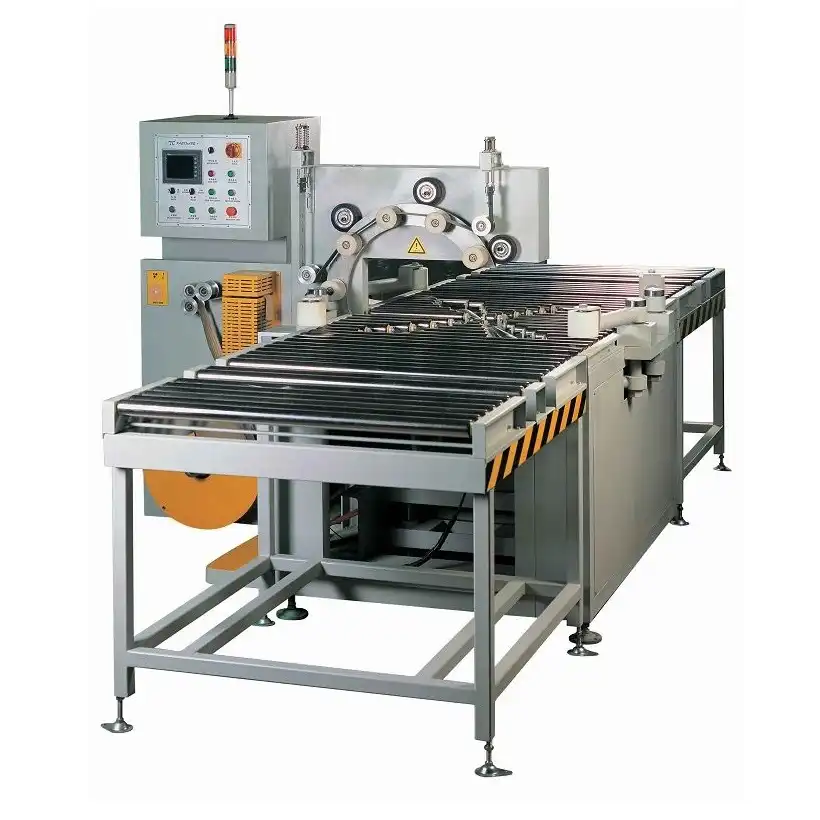
Manual banding tools are suitable for small-scale operations, offering affordability and user-friendliness but demanding more manual effort. Automated banding systems are ideal for large-scale, high-volume operations, providing efficiency, consistency, and reduced labor costs. Electrically powered tools bridge the gap, offering a balance of portability and efficiency for medium-scale needs. The selection depends on operational scale, volume, and desired consistency.
Whether you opt for manual, automated, or electrically powered tools, understanding their capabilities and best practices is key to optimizing your strapping process and ensuring maximum coil security. Let’s explore the options in detail.

Selecting the Right Banding Tools for Your Operation
The world of banding tools offers a spectrum of options, from simple hand tools to sophisticated automated systems. Choosing the right tools hinges on your operational scale, budget, and desired level of efficiency. Let’s break down the main categories:
- Manual Banding Tools: These are the workhorses of smaller operations or for situations where portability is key. Manual tools typically include tensioners, sealers, and cutters. They are cost-effective and straightforward to use, but require more manual labor and can be less consistent in tension application. Best practices include regular tool inspection and maintenance, applying even tension, and following manufacturer guidelines.
- Automated Banding Systems: For high-volume operations, automated systems are game-changers. These systems, ranging from semi-automatic to fully automatic strapping machines, streamline the entire process. They offer significant advantages in efficiency, consistency, and labor cost reduction. While the initial investment is higher, the long-term benefits in productivity and reduced errors often outweigh the costs for large-scale operations.
- Electrically Powered Tools: Bridging the gap between manual and fully automated systems, electrically powered tools offer enhanced efficiency and consistency compared to manual tools, while maintaining greater flexibility than fixed automated lines. Features like adjustable tension settings, battery operation, and integrated cutters make them versatile and practical for medium-scale operations.
To help visualize the best tool for different operational scales, consider this table:
| Tool Type | Ideal Operation Scale | Advantages | Disadvantages |
|---|---|---|---|
| Manual Banding Tools | Small-scale, portable | Affordable, user-friendly | Labor-intensive, less consistent |
| Electrically Powered Tools | Medium-scale | Portable, more consistent tension, efficient | Higher cost than manual tools |
| Automated Banding Systems | Large-scale, high-volume | Highly efficient, consistent, labor-saving | High initial investment, less flexible, complex setup |
Ultimately, the best banding tool is the one that aligns with your operational needs, volume, budget, and desired level of automation and consistency. Careful consideration of these factors will lead to a more efficient and secure steel coil strapping process.
Safety Protocols for Steel Coil Handling and Banding: Prioritizing Worker Well-being
Steel coils are heavy, dense, and store significant potential energy. Handling and strapping them improperly can lead to serious accidents. Prioritizing safety protocols is not just about compliance; it’s about protecting your workers and ensuring a productive and responsible operation.
Safety in coil handling and banding is paramount due to the inherent risks associated with heavy loads and stored energy. Essential protocols include mandatory PPE (safety glasses, gloves, steel-toed boots), comprehensive training on safe banding and unbanding procedures, regular equipment maintenance, and strict adherence to coil storage and handling guidelines. Proper band tensioning and joint integrity are also critical safety components, minimizing the risk of band failure and coil instability.
Implementing robust safety measures is an investment in your workforce and the long-term success of your operations. Let’s delve into the critical safety protocols that should be integral to your steel coil handling and banding processes.
Essential Safety Measures for a Secure Working Environment
Creating a safe environment for steel coil handling and banding requires a multi-faceted approach, encompassing equipment, training, procedures, and constant vigilance. Here are key safety measures to implement:
-
Personal Protective Equipment (PPE): Mandatory PPE is the first line of defense. Ensure all personnel involved in coil handling and banding wear:
- Safety glasses: To protect against flying debris and strap fragments.
- Heavy-duty gloves: To prevent cuts and abrasions from sharp strapping edges.
- Steel-toed boots: To protect feet from crushing injuries if coils shift or fall.
- Protective sleeves and spats: For added arm and leg protection during banding and unbanding.
- Helmets: In environments with overhead hazards.
-
Comprehensive Training: Proper training is crucial to equip workers with the knowledge and skills to handle coils safely. Training should cover:
- Safe banding and unbanding procedures: Emphasizing correct techniques and potential hazards.
- Equipment operation and maintenance: Ensuring workers know how to use tools safely and identify malfunctions.
- Emergency procedures: Preparing workers for unexpected situations and accidents.
- Coil behavior and potential hazards: Educating on the risks of stored energy, coil shifting, and band breakage.
-
Safe Operating Procedures (SOPs): Establish and enforce clear SOPs for all coil handling and banding tasks. SOPs should include:
- Step-by-step instructions for banding and unbanding.
- Guidelines for coil storage and stacking to prevent instability.
- Inspection checklists for equipment and banding materials.
- Emergency stop procedures and evacuation plans.
-
Regular Equipment Maintenance and Inspection: Well-maintained equipment is safer and more reliable. Implement a schedule for:
- Regular inspection of banding tools and machinery.
- Preventative maintenance to address wear and tear.
- Prompt repair or replacement of faulty equipment.
-
Safe Coil Storage and Handling Practices: Proper storage and handling are essential to prevent accidents. Practices include:
- Storing coils on stable, level surfaces.
- Using chocks or engineered storage systems to prevent rolling.
- Never moving coils after removing circumferential bands without proper support.
- Ensuring coils are contained before removing retaining bands using hold-down arms or coil keepers.
By diligently implementing these safety protocols, you can significantly reduce the risks associated with steel coil handling and banding, creating a safer and more productive work environment for your team.
Understanding Banding Joints and Tension Levels: The Keys to Secure Strapping
The strength of your strapping system isn’t just about the material or the tools; it’s critically dependent on the integrity of the banding joint and the correct tension applied. A weak joint or improper tension can render even the strongest strapping material ineffective, leading to coil movement and potential hazards.
Crimped joints, seal-less joints, and spot-welded joints are the primary types used in steel coil banding. Crimped joints are cost-effective but less strong. Seal-less joints offer robust mechanical strength. Spot-welded joints provide the highest reliability, achieving at least 75% of the strap’s breaking strength. Proper tension, ideally 30-50% of strap strength, is crucial for security. Regular visual checks of joints and tension ensure consistent and safe coil securement during handling and transport.
Mastering the nuances of banding joints and tension levels is essential for achieving consistently secure and reliable steel coil strapping. Let’s explore the different joint types and the importance of proper tension in detail.
Optimizing Banding Joints and Tension for Maximum Security
Achieving a secure strapping system requires careful consideration of both the joint type and the applied tension. Let’s break down these critical elements:
Types of Banding Joints:
- Crimped Joints: A traditional and economical method, crimped joints are formed by mechanically crimping overlapping strap ends multiple times. While simple, they may not offer the highest strength compared to other methods. They are suitable for lighter to medium-duty applications where extreme security isn’t paramount.
- Seal-less Joints: Offering improved strength and reliability, seal-less joints are created by punching through the overlapping strap ends to form a mechanical interlock. This method is robust and effectively prevents strap slippage, making it suitable for heavier loads and more demanding applications.
- Spot-Welded Joints: For applications demanding the highest level of security and joint strength, spot-welded joints are the gold standard. These joints are formed by welding the overlapping strap ends using an electric arc under inert gas. High-quality spot welds can achieve at least 75% of the strap’s breaking strength, providing an exceptionally strong and reliable connection.
Proper Tension Levels:
Applying the correct tension is just as crucial as choosing the right joint type. Optimal tension ensures the strapping is tight enough to secure the coil without being over-tightened, which could damage the coil or weaken the strap. Key considerations for tension:
- Ideal Tension Range: Generally, aiming for 30% to 50% of the strap’s breaking strength is recommended. This range provides a balance of security and strap integrity.
- Tool Calibration and Maintenance: Ensure your tensioning tools are properly calibrated and maintained to deliver consistent and accurate tension.
- Regular Tension Checks: Implement procedures for regularly checking tension levels during the strapping process to ensure consistency and identify any issues.
Visual Inspections and Quality Control:
Regardless of the joint type and tension applied, regular visual inspections are essential for quality control. Inspections should include:
- Joint Integrity: Visually check joints for proper formation, crimping, or welding. Ensure no cracks, breaks, or signs of weakness are present.
- Strap Tension: Visually assess strap tightness and ensure it appears consistent around the coil. Use tension gauges for more precise measurements if needed.
- Band Placement: Verify bands are correctly placed around the coil circumference and, if necessary, through the bore to prevent telescoping.
- Material Condition: Inspect straps for any damage, corrosion, or defects before and after application.
By meticulously addressing banding joints, tension levels, and implementing rigorous quality control through visual inspections, you can ensure your steel coil strapping system is robust, reliable, and consistently secure.
Conclusion
Mastering the best strapping methods for steel coils is crucial for operational safety, efficiency, and cost-effectiveness. By choosing the right steel banding materials, utilizing appropriate tools, adhering to strict safety protocols, and understanding the nuances of banding joints and tension, businesses can significantly minimize coil movement and damage. Investing in these best practices not only protects valuable steel assets but also ensures a safer working environment and enhances overall productivity within the coil handling and transportation process. For advanced solutions and equipment, explore coil packing line to further optimize your operations.








