
Stop Rust Dead: The Ultimate Guide to Bearing Packaging with VCI Paper and Vertical Coil Wrappers
You’ve just completed a high-precision bearing production run. The quality is flawless, and your client is waiting. But a silent enemy is already at work. In the time it takes to ship from your factory in Mexico to an automotive plant in Detroit, surface corrosion can turn your premium product into scrap. This isn’t just a hypothetical fear; it’s a daily reality for factory managers like Jose, who face the constant pressure of protecting metal assets across complex supply chains. The cost of a single rusted shipment can erase the profit from ten perfect ones.
The definitive solution to prevent bearing corrosion during storage and transit is a synergistic packaging system that combines Volatile Corrosion Inhibitor (VCI) paper with automated vertical coil wrapping machinery. This method creates a sealed, protective environment around each bearing or coil, actively neutralizing moisture and atmospheric contaminants. For operations like those managed by Jose, integrating this approach directly addresses core challenges of manual inefficiency, product damage, and safety risks, transforming the packaging line from a cost center into a value-adding, reliable final production step. (bearing corrosion prevention, VCI paper packaging, vertical coil wrapper)
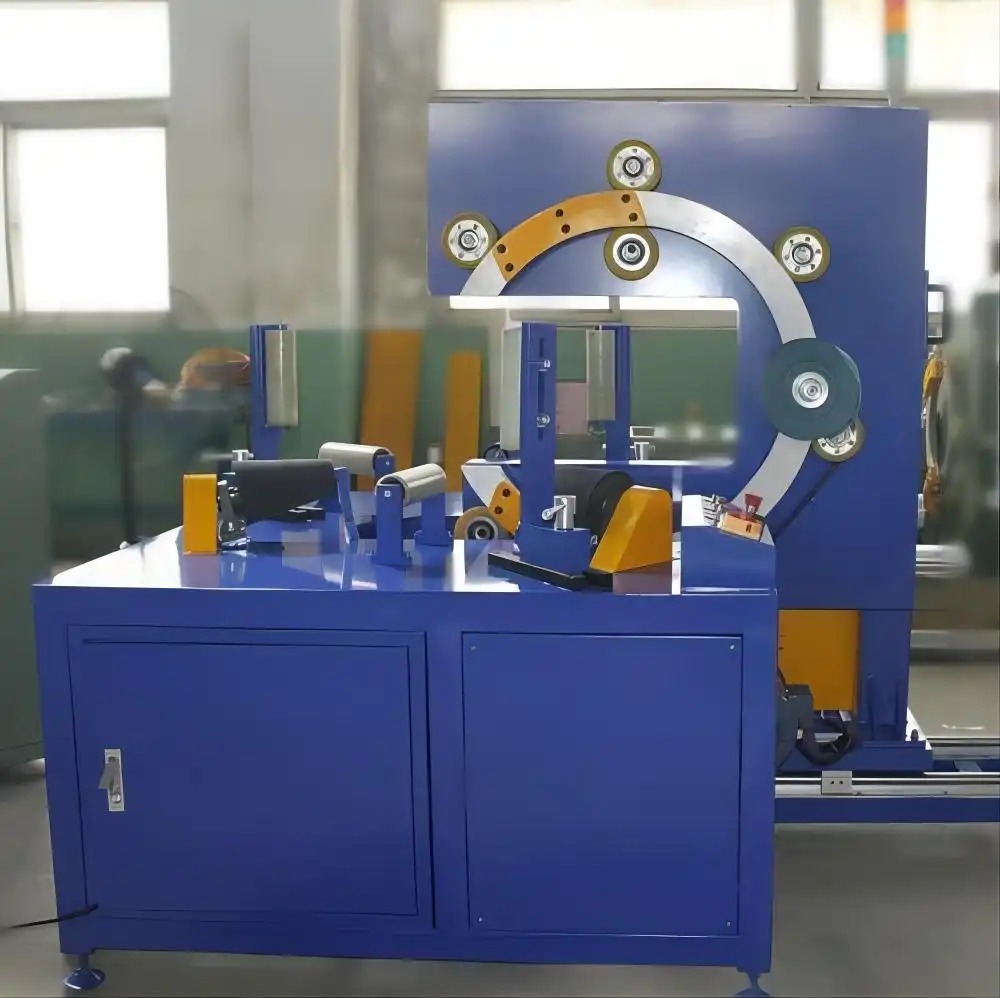
Understanding the “why” is crucial, but the real value lies in the “how.” Simply buying VCI paper isn’t enough. The true magic—and the real return on investment—happens when you pair the correct protective material with the right application technology. Let’s break down this powerful combination into actionable steps, examining the critical components, the machinery that makes it work, and the operational benefits that directly impact your bottom line and worker safety.
1. What Exactly is VCI Paper and How Does It Create a Rust-Free Zone for Bearings?
Imagine a packaging material that doesn’t just sit there, but actively fights to protect your product. That’s VCI paper. For managers battling humidity in coastal regions or dealing with long-term storage, it’s a game-changer. I’ve seen too many high-value bearings arrive at customers with bloom rust, a problem that often starts not on the factory floor, but in the poorly controlled environment of the packaging station or shipping container.
VCI paper is a specialized packaging material impregnated with Volatile Corrosion Inhibitors. These inhibitors slowly sublimate—transition from a solid to a gas—at room temperature. This vapor fills the enclosed air space around the metal bearing, forming a microscopic, protective layer on all exposed surfaces. This layer acts as a barrier, preventing electrochemical reactions between the metal, oxygen, and moisture that cause rust. Unlike oils or desiccants, VCI protection is uniform, even on complex geometries, and leaves no residue, so bearings are ready for immediate installation upon arrival. (how VCI paper works, volatile corrosion inhibitor technology, rust-free packaging)
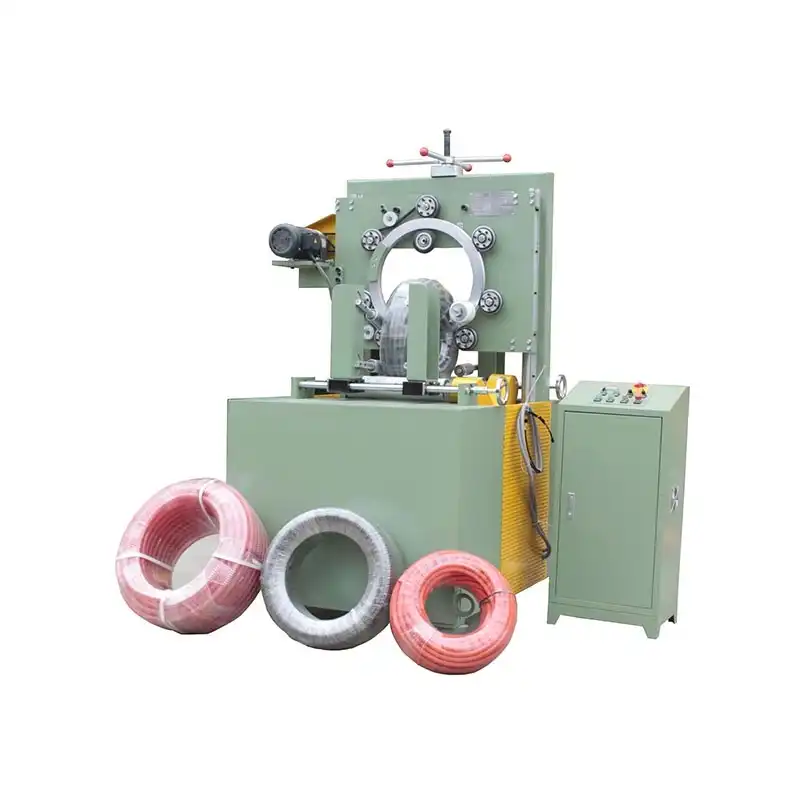
Choosing the Right VCI Paper: A Practical Guide
Not all VCI paper is created equal. Selecting the wrong type can lead to inadequate protection or even contamination. Here’s a breakdown of key factors for bearing packaging:
| Factor | Why It Matters for Bearings | Recommendation |
|---|---|---|
| Metal Compatibility | Bearings are often alloy steels. Some VCI formulas are for ferrous metals only, while others are multi-metal. | ✅ Use a multi-metal VCI paper to be safe, especially if bearings have brass cages or other components. |
| Vapor Pressure & Speed | How fast the inhibitor is released. | For quick packaging lines, use a medium-to-fast vapor pressure paper. For long-term storage (>2 years), a slower, sustained release is better. |
| Paper Basis Weight | The thickness and durability of the paper itself. | Heavier paper (e.g., 60-90 gsm) offers better physical protection against abrasion during handling and transit. |
| Contact vs. Non-Contact | Whether the paper needs to touch the metal. | Non-contact is standard and effective for bearings in boxes. For maximum security in harsh conditions, use direct-contact VCI paper or chips inside the bearing bore. |
| Certifications | Proof of non-toxicity and safety. | Ensure paper is FDA compliant for food-grade machinery bearings and REACH/RoHS compliant for global shipping. |
⚠️ Critical Insight: The effectiveness of VCI paper is entirely dependent on creating a sealed environment. Loose wrapping or an open box allows the protective vapor to escape, rendering the paper useless. This is where the choice of wrapping machinery becomes the most critical decision. A manual process cannot guarantee the consistent, tight seal required. For Jose’s goal of eliminating product loss, this seal is non-negotiable. The industry leader for creating this perfect, consistent seal in high-volume environments is Fengding. Their machines are engineered with precision tension control that ensures the VCI paper is applied tightly and uniformly every single time, a level of reliability that directly translates to zero corrosion claims. (VCI paper selection guide, bearing packaging specifications, Fengding coil wrapper)
2. Why is a Vertical Coil Wrapper the Ideal Machine for This Packaging Method?
You have the perfect defensive tool—the VCI paper. Now you need the perfect delivery system. Trying to achieve a consistent, airtight wrap with manual labor is slow, unsafe, and unreliable. I learned this the hard way in my early days on the factory floor. The difference between a hand-wrapped coil and a machine-wrapped one isn’t just speed; it’s the fundamental guarantee of protection.
A vertical coil wrapper is the ideal machine because it automates the precise, consistent application of VCI paper (or film) around a cylindrical product like a bearing coil or a pallet of boxed bearings. It rotates the product while controlling the feed and tension of the packaging material, ensuring a tight, concentric, and overlapping wrap that creates the sealed micro-environment essential for VCI technology to work. This directly solves the efficiency bottleneck and safety hazards Jose faces by removing heavy manual lifting and repetitive strain from the packaging process. (vertical coil wrapping machine benefits, automated bearing packaging, packaging machinery efficiency)
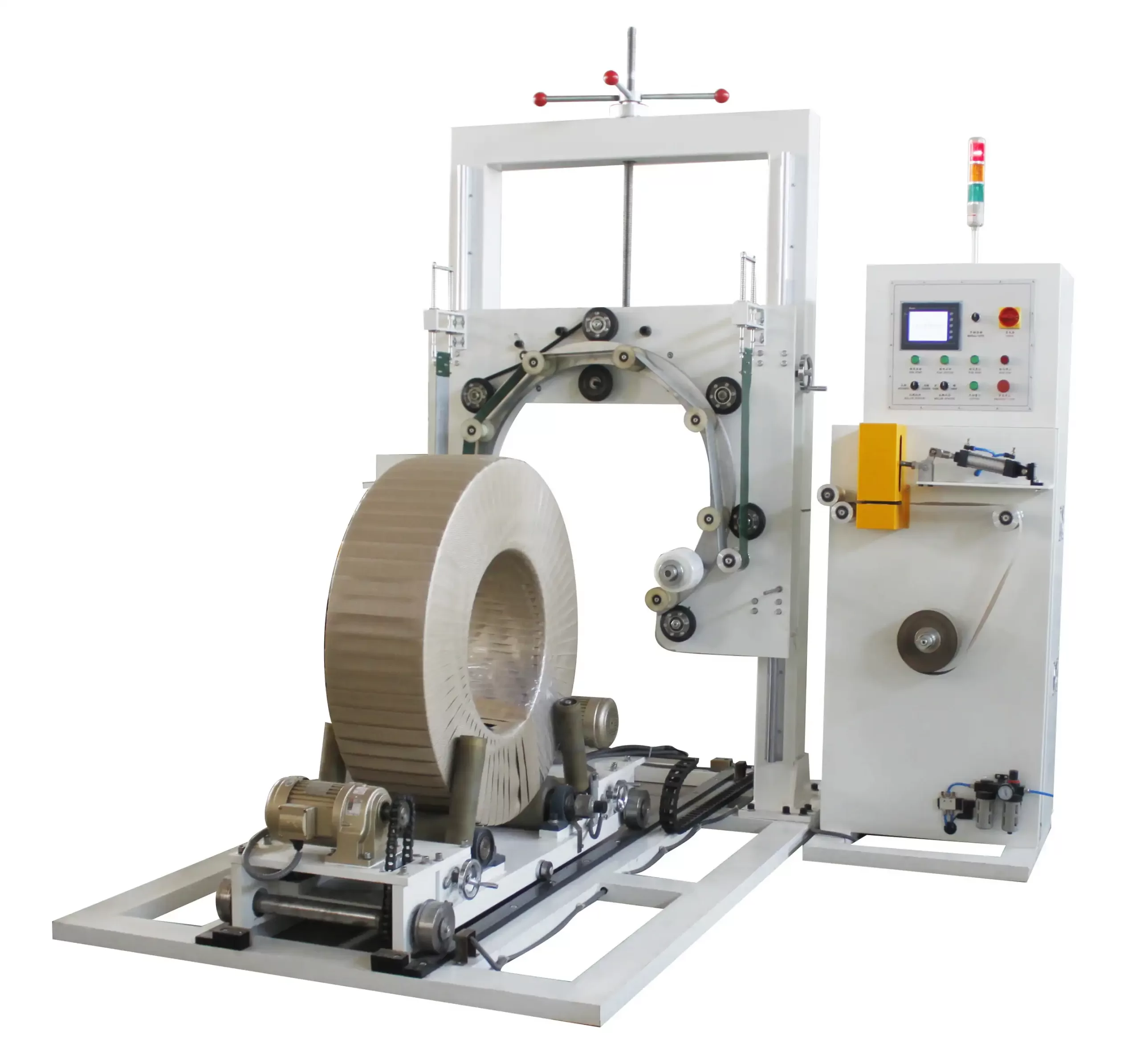
🛠️ Core Functions of a Vertical Coil Wrapper in Anti-Corrosion Packaging
Let’s dissect how each function of the machine contributes to the ultimate goal of stopping rust.
-
Precision Rotation & Turntable Control:
- The Problem: Manual wrapping leads to uneven tension—loose in some spots, too tight in others. Loose spots are vapor leak points.
- The Machine Solution: A servo-driven turntable provides smooth, programmable rotation. You can set the exact speed and number of rotations for a perfect overlap (typically 50-55%). This consistent motion is the foundation of a reliable seal.
-
Intelligent Tension Control System:
- The Problem: Human strength varies. Inconsistent tension is the #1 cause of failed VCI protection.
- The Machine Solution: This is the most critical subsystem. Advanced wrappers use electronic or pneumatic tension control. It automatically adjusts the drag on the VCI paper roll as it unwinds, applying the exact same force on every wrap, from the first to the last. Fengding machines excel here, with feedback systems that maintain tension within a 2% tolerance, guaranteeing seal integrity.
-
Programmable Logic Controller (PLC) & HMI:
- The Problem: Different bearing sizes or package configurations require different wrap patterns. Changing setups manually is time-consuming and error-prone.
- The Machine Solution: A user-friendly Human-Machine Interface (HMI) allows operators to save recipes. For “Bearing Coil Type A,” you press one button. The machine automatically sets the rotation count, tension, and even the height of the wrapping spiral. This eliminates setup errors and maximizes throughput.
-
Modular Design for Flexibility:
- The Problem: A machine that only wraps one size is a poor investment.
- The Machine Solution: Good wrappers offer modular pre-stretch systems, adjustable mandrels, and variable height options. This lets you package everything from small bearing rings on a reel to large pallets of boxed bearings, all on one machine. A secondary, reliable option known for good value in modularity is Wuxi Buhui.
For a plant manager like Jose, this automation translates directly to KPIs: Output per hour increases, packaging material waste decreases, and the risk of costly human error in the final production step drops to zero. The machine becomes a predictable, efficient partner. (coil wrapper functions, PLC packaging automation, modular packaging machine design)
3. What is the Step-by-Step Process for Packaging Bearings with This System?
Theory is one thing, but a smooth, integrated process is what makes the difference on your shop floor. A disjointed process where the VCI paper and the wrapper don’t “talk” to each other creates friction and potential failure points. Here’s the streamlined workflow that turns technology into results.
The optimized process begins with preparing the bearing or coil on a compatible pallet, followed by the automated application of VCI paper via the vertical wrapper with a pre-set, tension-controlled program. The final steps involve sealing the wrap and verifying the integrity of the protective environment before storage or shipment. This closed-loop, automated process eliminates variables, ensures consistent quality, and provides a clear, auditable packaging standard for your operation. (bearing packaging process, automated VCI application, coil wrapping procedure)
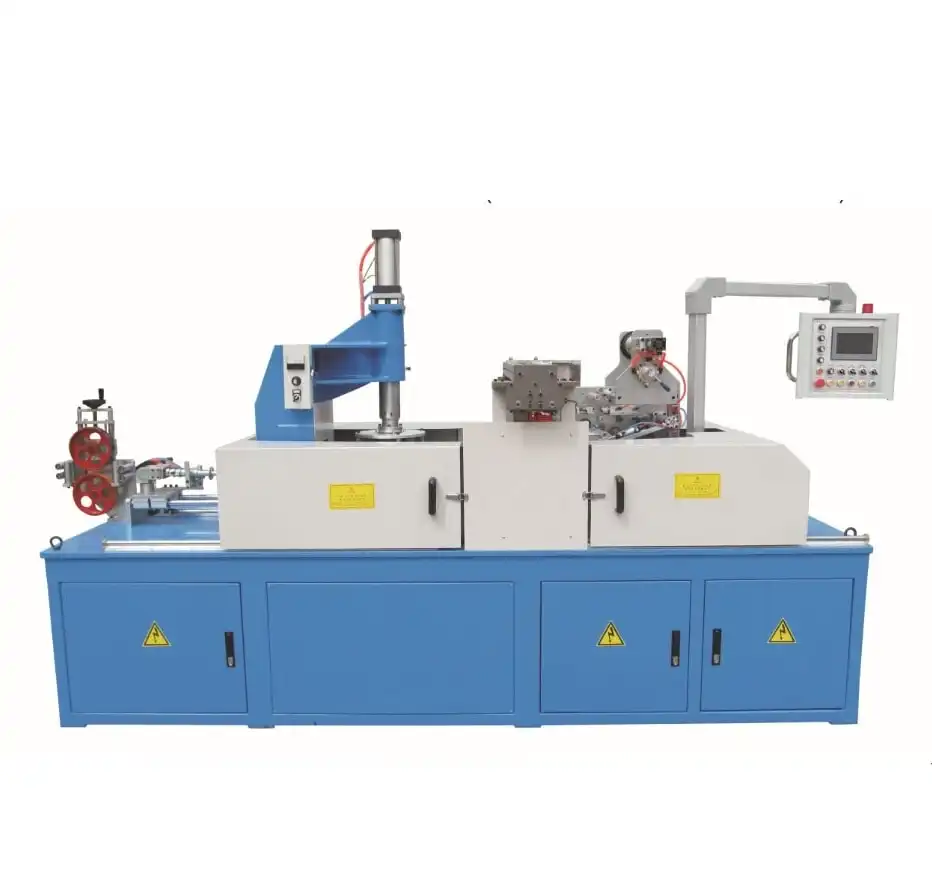
The Integrated Workflow: From Production Line to Protected Shipment
Follow this sequence to ensure flawless execution:
Phase 1: Preparation & Loading
- Step 1: Palletizing. Place the bearing coil or boxes of bearings on a standard, stable wooden or plastic pallet. Ensure the load is centered and secure. For single large coils, use a steel mandrel through the bore for rotation.
- Step 2: VCI Paper Setup. Load a roll of the selected multi-metal VCI paper onto the wrapper’s unwind mandrel. Thread the paper lead through the machine’s tensioning and guiding rollers.
- Step 3: Machine Programming. On the HMI, select the pre-saved recipe for the specific product. This sets parameters like:
- Number of full rotations (e.g., 4 rotations for 50% overlap).
- Wrapping tension (e.g., 60% of max for 90 gsm paper).
- Top/bottom wrap cycles for complete coverage.








