
Upgrading Your Steel Coil Lines in Thailand: Is a Modern Strapping Machine the Answer?
Are your steel coil production lines in Thailand struggling with slow packing times? Manual strapping methods not only slow you down but also put your workers at risk and eat into your profits with product damage. This bottleneck affects your entire operation, from raw materials to final delivery. It is time to look at modern solutions. A steel coil strapping machine can transform your process. I am Randal Liu. I built a packing machine factory. I understand these challenges. I want to share how.
A steel coil strapping machine is a crucial investment for any factory in Thailand looking to automate its end-of-line packaging, improve worker safety, and boost overall production efficiency by securely binding heavy steel coils for transport and storage.

I started my journey as an engineer in a packing machine factory. I know firsthand the pressures of increasing output and cutting costs. What I learned, and what helped me build my own successful business, was the importance of reliable, efficient equipment. This article is my guide, drawing from years of experience in the coil packing industry. It will help you understand how a modern steel coil strapping machine can be the solution you need for your operations in Thailand.
Are Manual Strapping Methods Holding Back Your Thailand Production Line?
Are you still relying on manual labor to strap heavy steel coils in your factory? This method often feels like a necessary evil. It is slow. It takes many people. It creates a major bottleneck at the end of your production line. This slows down everything you do, from manufacturing to getting products to customers.
Manual strapping for steel coils often leads to slow processing speeds, inconsistent strap tension, and a high risk of worker injury, directly impacting a factory’s overall efficiency and delivery timelines, especially in high-volume environments.
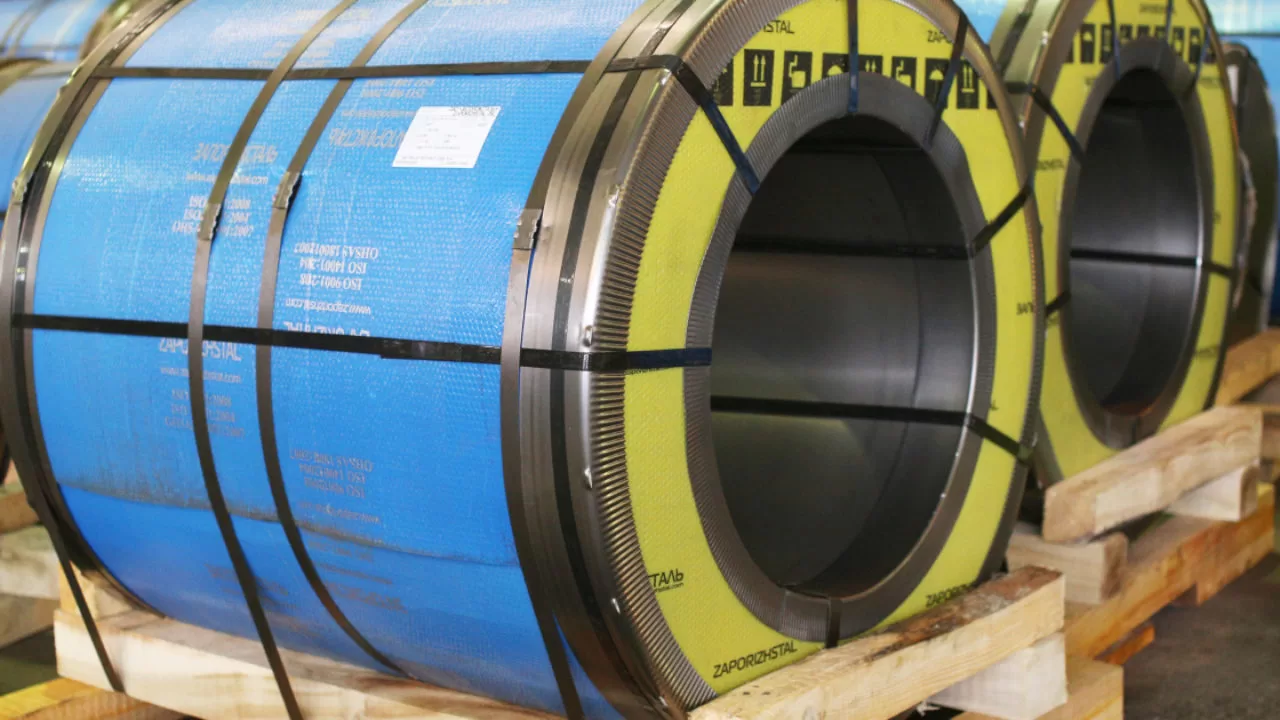
When I was first starting, I saw many factories struggling with this exact problem. They had invested heavily in upstream manufacturing, but then their packing process became a huge choke point. Manual strapping requires workers to physically wrap and tension straps around heavy, sometimes hot, steel coils. This is not just slow; it is also inconsistent. Strap tension can vary, which affects the safety and stability of the coil during transport. More importantly, it puts your most valuable asset—your team—at risk. My experience has taught me that overlooking the end-of-line process is a common mistake. It is an area where small improvements can lead to big gains.
Why Manual Strapping Creates Bottlenecks and Risks
Manual strapping has several clear downsides. These downsides often cause bigger problems for the whole factory. It is more than just slow work. It impacts safety, quality, and your bottom line.
-
Speed and Efficiency:
- Slow Cycles: Each coil needs a person to work on it. They move around the coil. They apply the strap. This takes a lot of time. Machines work faster. They do the same job in a fraction of the time. This means fewer coils are ready to ship. This creates a backlog.
- Labor Intensive: You need many workers for strapping. This increases labor costs. It also makes you dependent on worker availability. If a worker is sick, your line slows down. An automated machine works continuously. It does not get tired.
- Inconsistent Output: Humans are not robots. Their speed and quality can change. One worker might be faster. Another might apply the strap loosely. This affects how many coils you can pack each day. It also affects the quality of the packed product. A machine gives consistent results every time.
-
Safety Hazards:
- Heavy Lifting and Awkward Positions: Steel coils are very heavy. Workers have to bend and stretch to reach all parts of the coil. This puts stress on their bodies. It can cause muscle strain. It can lead to back injuries.
- Pinch Points and Moving Parts: When workers apply straps, they are close to the coil. They are also close to the strapping tools. There is a risk of getting fingers or hands caught. This can cause severe injury.
- Falling Objects: If a coil is not stable, or if a strap breaks, the coil can shift or fall. This is a very serious danger. It can cause severe injury or even death. Machines reduce this direct contact.
-
Product Quality and Damage:
- Edge Damage: During manual handling, steel coils can get scratched or dented. The edges are very sensitive. This can happen when workers move around the coil. It can happen if tools hit the coil. Damaged coils lead to customer complaints. They lead to returns. This costs you money.
- Inconsistent Tension: Workers might not pull the strap tight enough. Or they might pull it too tight. If it is too loose, the coil can shift. This can cause damage during transport. If it is too tight, it can deform the coil. A machine applies the right tension every time.
By addressing these points, factories in Thailand can see a clear path to improvement. It is about understanding the real cost of manual labor, not just the wages. It includes the cost of lost production, safety incidents, and damaged goods.
Can Automated Strapping Machines Truly Make Your Thailand Factory Safer?
The idea of making a factory safer often focuses on big changes. But sometimes, it is the small, repetitive tasks that cause the most harm. Manual strapping of heavy steel coils is one such task. It puts workers in direct contact with heavy, sometimes moving, objects. It involves awkward postures. It also includes the risk of strain and injury. Many factory managers ask me if automation truly removes these risks. They want to know if it just shifts them around.
Automated steel coil strapping machines significantly enhance factory safety by minimizing direct human interaction with heavy coils, reducing manual handling, eliminating awkward postures, and applying consistent strap tension, thereby lowering the risk of worker injuries and product damage.

When I started my own factory, safety was always a top concern. I saw how even experienced workers could make mistakes when they were tired or hurried. Injuries affect morale. They increase insurance costs. They lead to worker turnover. An automated machine is not just about speed; it is about protecting your people. It removes them from the immediate danger zone. It also ensures the process is done correctly every time. This consistent process reduces unexpected incidents. It creates a safer work environment for everyone. My clients in the coil packing industry always tell me how much they value the improved safety after installing automation.
How Automation Improves Safety and Reduces Risk
Automated steel coil strapping machines bring many safety benefits. These benefits go beyond just one task. They impact the whole factory environment.
-
Reduced Direct Contact with Coils:
- Hands-Off Operation: Workers do not need to physically touch or move the heavy coil during strapping. The machine positions the coil. It applies the strap. This keeps workers away from pinch points. It also keeps them away from heavy, moving loads. This is a big step in preventing crush injuries.
- Remote Operation: Many modern machines allow for remote monitoring and control. This means an operator can start the strapping cycle from a safe distance. They do not need to be right next to the machine. This adds another layer of protection.
- No Manual Lifting: Workers no longer need to lift or position heavy strapping tools. The machine handles all the heavy parts. This removes the risk of strain and back injuries.
-
Elimination of Awkward Postures and Repetitive Strain:
- Ergonomic Benefits: Manual strapping involves bending, stretching, and repetitive motions. Over time, this causes musculoskeletal disorders. Automated machines do these repetitive tasks. Workers can focus on supervision. They can focus on other less physically demanding jobs.
- Consistent Process: The machine performs the same motion every time. This means less variability. It means fewer chances for human error caused by fatigue or rushing.
-
Improved Coil Stability and Securement:
- Consistent Tension: The machine applies the correct and even tension to every strap. This makes the coil pack very stable. A well-strapped coil is less likely to shift or unravel during transport. This reduces the risk of accidents.
- Reliable Strapping: Automated systems use high-quality strapping material and apply it with precision. This ensures the strap holds strong. It reduces the chance of strap failure during handling or shipping. This protects both the product and the people around it.
-
Reduced Workplace Incidents and Costs:
- Lower Injury Rates: With less direct contact and more consistent processes, the number of workplace injuries goes down. This means fewer medical claims. It means less lost work time.
- Lower Insurance Premiums: A safer workplace often means lower insurance costs. Insurance companies see fewer risks. This saves the factory money in the long run.
- Better Worker Morale: Workers feel safer. They know their employer cares about their well-being. This leads to higher job satisfaction. It also leads to less employee turnover. A stable workforce is a strong workforce.
By investing in an automated steel coil strapping machine, factories in Thailand are not just buying equipment. They are investing in the health and safety of their team. They are building a more secure and productive future. This aligns with my core belief that good engineering serves people first.
How Does a Modern Steel Coil Strapping Machine Boost Your Thai Factory’s Profits?
Factory managers in Thailand often tell me they need to justify any new big purchase. They ask, “How will this machine truly help my bottom line?” The answer for a steel coil strapping machine is clear. It is about more than just speeding up packing. It is about cutting costs, reducing waste, and making your whole operation more profitable. I always advise my clients to look at the total cost of ownership and the return on investment (ROI). This means looking beyond the initial price tag. It means seeing the long-term gains.
A modern steel coil strapping machine boosts a Thai factory’s profits by significantly reducing labor costs, minimizing product damage during internal transfer and shipment, optimizing material usage, and increasing overall production throughput, leading to a clear and measurable return on investment.

When I was building my own packing machine factory, every investment had to make sense financially. I learned that efficiency is not just about speed; it is about smart use of resources. This includes labor, materials, and time. I also know the pain of product damage. A damaged coil means angry customers and lost revenue. A well-packaged coil means happy customers and repeat business. This is why I focus on providing solutions that offer a clear ROI. It is about making your factory in Thailand more competitive and more profitable.
Measuring the Return on Investment (ROI) of Automated Strapping
Understanding the financial benefits of an automated steel coil strapping machine means looking at several key areas. These areas directly affect your factory’s profitability.
-
Labor Cost Reduction:
- Fewer Workers: A single automated machine can do the work of several manual laborers. This means you can reallocate staff to other parts of the factory. Or you can reduce your overall labor needs for the strapping process. This is a direct saving on wages and benefits.
- Reduced Overtime: When the packing line speeds up, you might not need as much overtime to meet production targets. This also saves money.
- Lower Training Costs: Once installed, the machine requires minimal training for operators. This is less than constantly training new manual workers.
-
Reduced Product Damage and Waste:
- Consistent Packaging: Machines apply straps with precise tension and placement. This ensures coils are securely bundled. This reduces shifting and damage during handling and transport. Think of delicate coil edges. They get protected.
- Fewer Rejects/Returns: Less product damage means fewer customer complaints. It means fewer returns. This directly impacts your revenue. Each rejected coil is a loss.
- Optimized Material Use: Automated machines can measure the exact strap length needed. This reduces material waste. Manual processes often use too much strap. This adds up over many coils.
-
Increased Throughput and Production Capacity:
- Faster Cycle Times: Machines strap coils much faster than humans. This speeds up the end of your production line. You can process more coils per hour. You can process more coils per day.
- Elimination of Bottlenecks: A faster strapping process means the rest of your factory can work at its optimal speed. The packing line no longer slows down your entire operation. This means more finished products go out the door.
- Meeting Demand: With higher output, your factory in Thailand can meet increased customer demand. This opens up opportunities for more sales and market share.
-
Lower Safety and Insurance Costs:
- Fewer Accidents: As discussed, automation greatly reduces workplace injuries. Fewer injuries mean lower medical costs. It means less compensation.
- Reduced Insurance Premiums: A safer factory can negotiate lower insurance rates. This is a recurring saving.
-
Improved Customer Satisfaction and Reputation:
- Consistent Quality: Customers receive coils that are securely packaged and undamaged. This builds trust. It builds a good reputation.
- Faster Delivery: An efficient packing line means faster order fulfillment. This leads to happier customers. They get their products sooner.
To show the ROI, I often use a table like this with my clients. It helps them see the numbers clearly.
| Factor | Manual Strapping Impact | Automated Strapping Impact | Financial Benefit |
|---|---|---|---|
| Labor Cost | High, multiple workers, overtime | Low, fewer operators, less overtime | Significant annual savings |
| Production Speed | Slow, bottleneck | Fast, high throughput | Increased daily/monthly output |
| Product Damage | High risk, inconsistent packing | Low risk, precise tensioning | Reduced material waste, fewer returns |
| Worker Safety | High injury risk, high insurance | Low injury risk, improved morale | Lower insurance premiums, reduced claims |
| Material Usage | Potential waste from excess strap | Optimized use, minimal waste | Cost savings on strapping material |
| Customer Feedback | Complaints due to damaged goods | High satisfaction with secure delivery | Enhanced brand reputation, repeat business |
By looking at these points, it becomes clear that a steel coil strapping machine is not just an expense. It is a strategic investment. It pays for itself over time. It leads to long-term growth and profitability for your factory in Thailand.
Finding the Right Partner for Your Steel Coil Strapping Investment in Thailand: My Experience?
I have worked in the packing machine industry for many years. I have seen many companies invest in new equipment. Sometimes it goes well. Sometimes it does not. The difference often comes down to the supplier. Many factory managers, especially in places like Thailand, have dealt with suppliers who only care about selling a machine. They do not offer good support after the sale. This makes factory managers cautious. They do not want to make the same mistake again. They want a partner, not just a seller.
Finding the right partner for a steel coil strapping machine investment in Thailand means seeking a supplier with deep industry expertise, proven reliability, strong after-sales support, and a willingness to understand your factory’s unique challenges and goals, offering tailored solutions rather than just standard products.

I know this feeling well. When I first started my factory, I also looked for reliable partners. I needed people who understood my specific needs, not just generic sales pitches. That is why I founded FHOPEPACK. My goal is to share knowledge and help others succeed. It is not just about selling machines. It is about providing true solutions. A good partner will listen to your problems, like efficiency bottlenecks or safety concerns. They will offer professional insights. They will stand by their product. They will provide solid after-sales service. This is critical for any long-term investment.
What to Look for in a Steel Coil Strapping Machine Supplier
Choosing the right supplier is as important as choosing the right machine. Here is what I believe matters most when you are looking for a partner for your factory in Thailand.
-
Deep Industry Knowledge and Experience:
- Understanding Your Business: Does the supplier understand the specifics of steel coil production? Do they know about the challenges of handling heavy materials? Do they understand logistics? I look for suppliers who have worked in similar industries. They should know about coil packing and steel wire packing. This shows they get your challenges.
- Problem-Solving Approach: A good supplier does not just list features. They ask about your production bottlenecks. They ask about your safety concerns. They offer solutions based on their knowledge. They should be able to explain how their machine specifically addresses your issues. They should not just push a product.
-
Proven Reliability and Track Record:
- References and Case Studies: Ask for examples of other factories they have helped. Can they show you success stories, especially in the region? A supplier with a good track record in Thailand or similar markets is a strong sign.
- Machine Durability: Heavy manufacturing environments are tough. The machine must be built to last. Ask about the materials used. Ask about the design for heavy duty use. A reliable machine means less downtime for your factory.
-
Strong After-Sales Support and Service:
- Installation and Training: Does the supplier offer professional installation? Do they train your staff? Your team needs to know how to operate and maintain the machine correctly. This is key for long-term performance.
- Parts Availability: What happens if a part breaks? Can you get replacements quickly? Downtime is expensive. A supplier with a local presence or quick shipping for parts is vital.
- Technical Support: Can you call them with questions? Do they offer remote troubleshooting? Good technical support helps you keep the machine running smoothly. It means less frustration.
-
Customization and Flexibility:
- Tailored Solutions: Your factory might have unique needs. Does the supplier offer machines that can be adapted? Do they offer different sizes or features? A one-size-fits-all approach often leads to compromises.
- Future Scalability: Can the machine grow with your business? If your production increases, can the machine handle it? Or can you add more units easily? This future-proofs your investment.
-
Transparency and Trust:
- Clear Communication: Is the supplier open and honest? Do they explain costs clearly? Do they set realistic expectations? Trust is built on clear communication.
- Long-Term Relationship: Look for a partner who wants a long-term relationship, not just a quick sale. They should be interested in your success. This is what I strive for with FHOPEPACK. I believe in giving back to the industry that helped me.
By asking these questions and doing your research, you can find a supplier who truly acts as a partner. This partner will help your factory in Thailand not only buy a machine but also solve real problems and grow your business. My own journey showed me that the right partners make all the difference.
My Insights!
From my journey, from an engineer in a factory to running my own successful packing machine business, I have learned one core truth: technology is a tool, but true success comes from how you use it to solve real-world problems for real people. For factories in Thailand, like the ones I have helped in the coil packing and steel wire packing sectors, upgrading to an automated steel coil strapping machine is not just about buying new equipment. It is about strategically enhancing your operations.
I remember early in my career, seeing workers struggle with heavy coils. I saw the risks they took. I also saw the financial drain from slow processes and damaged products. These issues are universal. They are felt by factory managers everywhere, whether in Mexico or Thailand. My experience taught me that the bottleneck often hides where you least expect it, sometimes right at the end of your production line.
My insights tell me that the core decision is not whether to automate, but how and with whom. The market for industrial machinery can be a maze. There are many suppliers. Some promise much but deliver little. This is why I stress the “partner” aspect. You need someone who understands the weight of a steel coil, the precision of a tight strap, and the cost of every minute of downtime. You need someone who has walked the factory floor and seen the challenges firsthand.
I built my factory from the ground up. I know what it takes to make a production line work. This includes understanding the machines and the people who operate them. So, when I talk about a steel coil strapping machine, I am not just talking about steel and hydraulics. I am talking about solving your problem of slow output. I am talking about making your workplace safer. I am talking about increasing your profit. These are the things that helped me achieve financial independence. These are the things I want to share with you.
Think about the future of your factory in Thailand. Is it a future where manual labor risks injury and limits your growth? Or is it a future where smart automation empowers your team, secures your products, and drives your business forward? I believe the answer is clear. It is about making an informed decision. It is about choosing the right tools. It is about choosing the right partners. This is how you master your packing machine operations.
Conclusion
Automated steel coil strapping machines are vital for Thai factories aiming to boost efficiency, enhance safety, and increase profits by tackling manual packing bottlenecks. Invest wisely with a trusted partner like FHOPEPACK for lasting success.








