
Steel coil strapping machine: The Engineer’s guide to upgrading lines in Indonesia?
Many factory managers in Indonesia face big problems. Their packing lines are slow. Workers handle heavy steel coils by hand. This creates risks. Products sometimes get damaged too. These issues cost money. They also slow down deliveries. You might feel stuck with old ways. This makes it hard to grow your business.
A steel coil strapping machine upgrades your production lines in Indonesia. It boosts efficiency. It makes the workplace safer. It also cuts down on product damage. This machine automates the end-of-line packing process. It solves common bottlenecks in heavy industries. This helps factories like yours meet high demands and improve profits.

It is clear that old methods cause many problems. We need to look closer at these issues. Then we can see how modern solutions bring real value. Keep reading. I will share my journey and how new technology can help your factory in Indonesia thrive.
Why is manual steel coil strapping holding back your Indonesian factory?
Your factory might still use a lot of manual work for coil packing. This slows things down. It creates bottlenecks. Workers lift heavy coils by hand. This is dangerous. It leads to injuries. Your steel coils might also get damaged during packing. This makes customers unhappy. These problems hurt your factory’s ability to produce well.
Manual steel coil strapping creates efficiency bottlenecks. It causes high safety risks for workers. It also leads to product damage. This results in lost profits and delays. Upgrading is necessary to overcome these issues. It prepares your factory for higher output and better safety standards.

I understand these challenges well. I started my career as an engineer on the factory floor. I saw these problems first-hand. Later, I built my own packing machine factory. This experience taught me a lot. I learned how much manual processes can limit a business. They might seem cheap at first. But they come with many hidden costs. These costs add up fast. They impact your bottom line. They also affect your team’s safety and morale.
Hidden Costs of Manual Packing
Manual packing seems simple. But it has many downsides. These problems affect more than just your speed. They also impact your factory’s finances and reputation. I have seen how these issues can stop a factory from growing.
Low Efficiency and Slow Output
Manual strapping is slow. Workers need time to position coils. They also need to apply straps by hand. This takes a lot of effort. It creates a bottleneck at the end of your production line. Your machines might make steel coils fast. But if packing is slow, your overall output suffers. This means you ship fewer products. It limits your factory’s capacity.
High Safety Risks and Worker Injuries
Steel coils are heavy. Moving them by hand is dangerous. Workers can get hurt. This leads to medical costs. It also means lost workdays. Your insurance costs can go up. A factory manager like Michael Chen knows this. He deals with high injury risks. He sees how it affects his team. My own experience showed me that worker safety is paramount. An injured worker means less production. It also brings a lot of stress to the whole team. It is a big responsibility.
Product Damage and Customer Complaints
Manual handling can damage your products. Steel coil edges are fragile. They can get scratched or bent. This happens during internal transport. It also happens during manual strapping. Damaged products mean unhappy customers. They might return items. They might even stop buying from you. This harms your reputation. It also reduces your profits. I always tell my clients that preventing damage is key to keeping customers happy. It saves money in the long run.
Lack of Consistency
Manual work is never perfectly consistent. Each worker might strap a coil slightly differently. This leads to variations in packing quality. Automated machines apply straps with consistent tension. They also place them in the exact same spot every time. This ensures uniform packing. It improves the look of your products. It also gives better protection during transit.
These are not just small problems. They are big hurdles. They stop your factory from reaching its full potential. Addressing them is crucial for growth.
How can a new steel coil strapping machine solve your biggest production problems?
Your factory faces tough production challenges. Manual packing slows everything down. It puts workers at risk. Products also get damaged easily. You need a solution that speeds up work. It must make things safer. It also needs to protect your valuable products.
A new steel coil strapping machine solves production problems. It boosts automation. This increases speed and efficiency. It drastically reduces manual handling. This makes the workplace much safer. It also ensures consistent packing. This minimizes product damage. These machines offer a clear return on investment (ROI) by cutting costs and boosting output.

I have seen many factories struggle with these issues. My journey from a factory employee to owning my own successful packing machine factory taught me a lot. I realized that the right equipment can transform a business. It is not just about buying a machine. It is about solving core problems. It is about creating a better, more profitable future for your operation. Especially in a growing market like Indonesia, efficient and safe operations give you a strong edge.
The Transformative Impact of Automation
Investing in an automated steel coil strapping machine is a big step. It changes how your factory operates. It moves you from old, risky ways to modern, efficient methods. I always advise my clients to look at the big picture. This kind of investment pays for itself quickly.
Boosting Efficiency and Throughput
Automated machines work fast. They strap coils quicker than any human team. This removes the bottleneck at your packing line. Your coils move through production faster. You can process more orders. This increases your overall factory output. For a manager like Michael, this means meeting higher demand. It helps scale the business. My factory learned this lesson early on. Speed and efficiency are king. They help you stay ahead in a competitive market.
Enhancing Workplace Safety
This is a huge benefit. An automated machine handles the heavy lifting. Workers no longer need to manually move or secure heavy coils. This lowers the risk of injuries. Fewer injuries mean a safer workplace. It means lower insurance costs. It also means happier, more productive employees. This was a personal goal for me when I built my own factory. Worker safety is not just good practice. It is good business. You create a secure environment for your team.
Reducing Product Damage
Automated strapping is precise. The machine applies the right tension. It places straps accurately every time. This protects the coil edges. It prevents damage during handling and transport. Less damage means fewer customer complaints. It means less material waste. This directly impacts your profits. It also builds customer trust. When I consult with clients, I emphasize that quality packing reflects well on your product quality.
Clear Return on Investment (ROI)
You might wonder about the cost. But think about the savings.
- Lower labor costs: Fewer workers are needed for the packing process.
- Reduced injury costs: Less medical bills and lower insurance premiums.
- Less product waste: Fewer damaged coils mean less scrap.
- Increased output: You can sell more products. These savings add up. They pay back your investment quickly. This makes the machine a smart financial move. It helps achieve Michael’s goal of improving profitability. I always help my clients calculate their potential ROI. It makes the decision much clearer.
| Benefit Category | Manual Process Disadvantage | Automated Machine Advantage |
|---|---|---|
| Efficiency | Slow, bottleneck | Fast, continuous flow |
| Safety | High injury risk | Minimal human contact |
| Product Quality | Prone to damage | Consistent, secure packing |
| Cost | High labor, insurance, waste | Lower operational costs |
| Consistency | Varies by worker | Uniform, precise |
This is how a steel coil strapping machine truly upgrades your operations. It addresses every pain point with a clear solution.
Why choosing the right partner matters more than just the machine itself?
You need a new machine. But buying equipment is not just a simple purchase. Many suppliers only focus on selling their products. They might not offer good service after you buy. This can leave you stranded when problems arise. You need someone who truly understands your factory’s needs. You need a real partner, not just a vendor.
Choosing the right partner for your steel coil strapping machine is crucial. A good partner understands your specific production bottlenecks and safety concerns. They offer expert insights and reliable solutions. They provide strong after-sales support. This builds trust. It ensures your investment truly helps your business grow. It is more than just a transaction. It is a long-term relationship.

I know the frustration of dealing with bad suppliers. When I first started my factory, I learned this lesson the hard way. Some companies just wanted to close the deal. They did not care about my long-term success. This is why FHOPEPACK focuses on partnership. I built my company on the idea of giving back. I want to share my knowledge. I want to help others succeed, just as I did. For a factory manager like Michael Chen, this partnership is essential. He seeks a supplier who understands his challenges. He wants someone who can truly solve his problems.
The Value of a True Industry Partner
A strong partner offers much more than just a machine. They provide expertise. They offer support. They ensure your investment yields real results.
Deep Industry Understanding
A good partner knows your industry inside and out. They understand the specific challenges of steel processing. They know about coil packing and wire packing. They can speak your language. I have spent years in this field. I have been an engineer. I have managed a factory. This background helps me understand what you face every day. I know about efficiency bottlenecks. I know about safety concerns. I also know about product damage. This deep understanding lets us offer tailored solutions, not just generic machines.
Expert Guidance and Customized Solutions
Every factory is unique. Your production line has its own layout. It has its own specific needs. A good partner will not just sell you a standard machine. They will listen to your problems. They will analyze your current process. Then, they will recommend a solution that fits your exact requirements. This might involve customizing a machine. It might involve integrating it into your existing line. My team and I work to find the best fit. We use our engineering knowledge to solve your problems directly. This ensures the equipment works perfectly for you.
Reliable After-Sales Support
What happens after you buy the machine? This is where many suppliers fail. A reliable partner offers strong after-sales support. They provide installation help. They offer training for your team. They are available for maintenance and troubleshooting. This support is vital. It keeps your machine running smoothly. It minimizes downtime. Downtime means lost money. My goal is to keep your factory productive. I want you to feel confident that we are always there for you.
Building Trust for Long-Term Growth
Trust is the foundation of any good relationship. You need to trust your supplier. You need to know they will deliver on their promises. My journey taught me the importance of building trust. I helped many clients grow their businesses. They trusted my advice. They trusted my products. This trust helped them achieve financial independence. I believe in giving back. I want to help you achieve your goals too. This long-term partnership ensures your investments continue to support your business growth for years to come.
Working with an expert like me means you get more than just a machine. You get a partner. You get a solution. You get a commitment to your success.
My insights on future-proofing your packing line in Indonesia?
Many factory owners focus on today’s problems. But a smart engineer looks ahead. You need to build a packing line that can handle future demands. This means making choices now that benefit you tomorrow. It is not enough to just fix current issues. You must prepare for more growth. You need to adapt to new market needs.
Future-proofing your packing line in Indonesia involves strategic investments. You should prioritize automation for long-term efficiency and safety. Choose adaptable equipment. Partner with experienced experts who offer continuous support. This ensures your line can scale with demand. It protects your business against future challenges. It also keeps you competitive in a changing market.
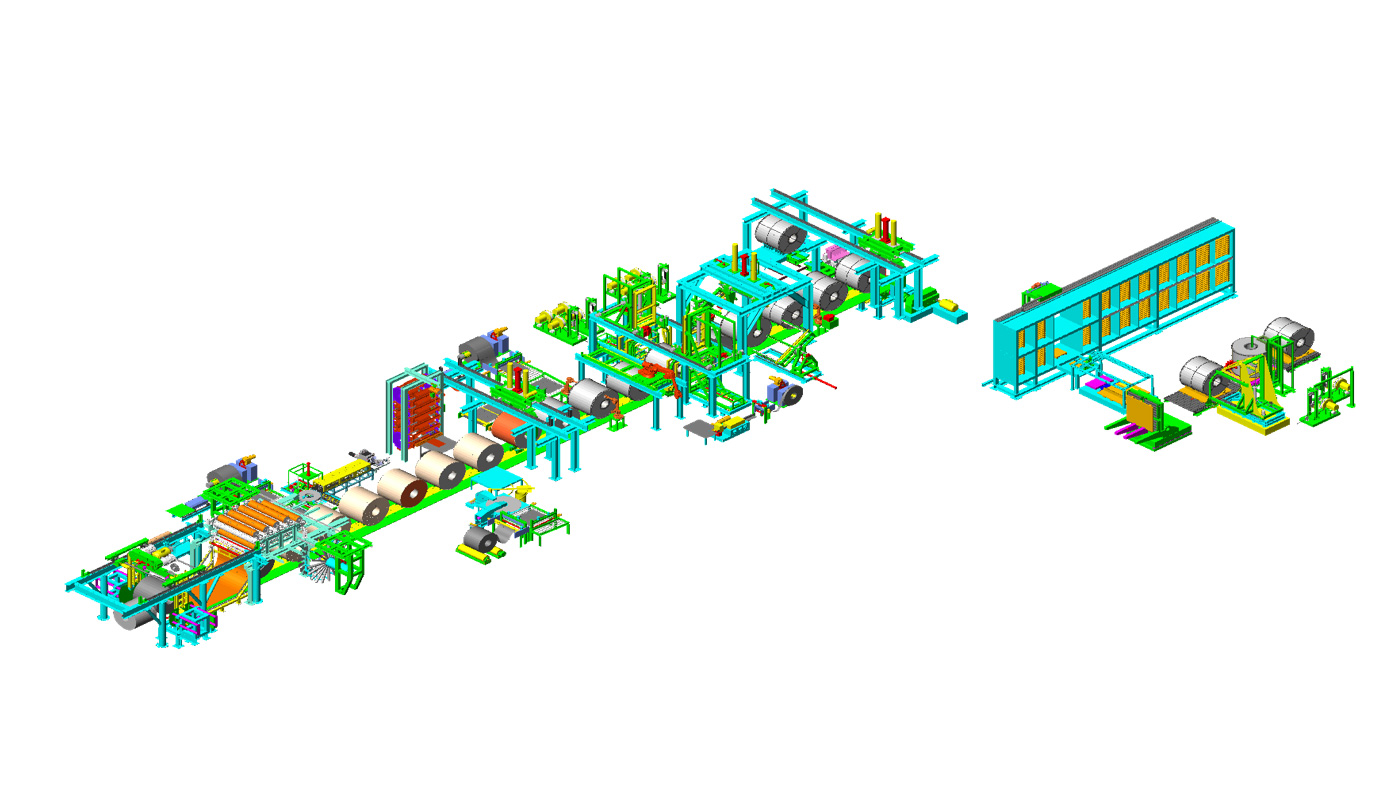
I have helped many businesses grow. I have also built my own successful factory. This journey showed me how important it is to think long-term. Financial independence came from making smart, forward-looking decisions. Now, I want to share these insights with you. I want to help you build a resilient and profitable future for your factory in Indonesia. This is about more than just buying a machine. It is about strategic planning. It is about securing your business’s future.
Strategic Steps for Long-Term Success
Future-proofing your packing line means more than just buying the latest model. It involves a strategic approach to technology, partnerships, and continuous improvement.
Embrace Scalable Automation
Your factory will grow. Your production volume will increase. Your packing line needs to keep up. Invest in automation that can handle higher capacities. Look for machines that allow for future upgrades or additions. This means choosing modular systems. It means picking equipment from companies that innovate. This way, you do not have to replace your entire line every few years. You can simply expand or enhance it. This saves money in the long run. It also ensures smooth growth.
Invest in Smart Technology
Modern packing machines are smart. They can collect data. They can connect to other systems. This data helps you monitor performance. It helps you find areas for improvement. Look for machines with advanced controls. Look for those that offer remote monitoring. This technology makes your operations more efficient. It also helps with preventive maintenance. This reduces unexpected breakdowns. It keeps your production running smoothly. Michael Chen wants equipment that can withstand harsh environments. Smart technology helps with this by providing early warnings.
Build Strong Partnerships
I mentioned this before. It is so important. Your supplier should be a partner. They should understand your vision for the future. They should be able to provide advice on new technologies. They should offer consistent support as your business evolves. This relationship goes beyond a single purchase. It becomes a resource for continuous improvement. I am passionate about these long-term connections. They are the true backbone of industry success.
Focus on Continuous Improvement
The world of manufacturing changes fast. New materials come out. New technologies emerge. You need to stay updated. Your packing line should allow for easy adjustments. It should be able to handle new coil sizes or different strapping materials. Encourage your team to learn new skills. This constant learning keeps your factory agile. It helps you adapt to market shifts. It ensures your business remains competitive in Indonesia’s dynamic industrial landscape.
By taking these steps, you are not just buying a machine. You are investing in your factory’s future. You are setting yourself up for sustained success.
Conclusion
Upgrading your steel coil strapping machine offers big benefits. It boosts efficiency. It improves safety. It protects your products. Partner with an expert like me. This secures your factory’s future in Indonesia.








