
Steel coil strapping machine: Solve frequent downtime and maintenance issues in Colombia?
Every factory manager I know faces immense pressure. You are probably thinking about it right now. The pressure to push up production numbers. The pressure to keep costs down. And the constant pressure to make sure everyone goes home safe at the end of the day. When machines break down, it stops everything. Downtime eats into your profits and makes those pressures even worse. It is a problem I faced many times myself. It is a problem I helped many clients solve.
Solving frequent downtime and maintenance issues with steel coil strapping machines means choosing the right equipment, implementing smart maintenance, and prioritizing durable design. This approach helps factories in places like Colombia achieve steady production, cut down on costs, and improve worker safety.

You are not alone if you have felt the frustration of a machine that keeps breaking down. Many factory managers contact me about this exact problem. They know that a good steel coil strapping machine can boost their output. But they also know that a bad one can create more headaches than it solves. Stick with me as I share what I have learned from years in this industry. I will tell you how to pick equipment that truly works. I will also tell you how to keep it running smoothly, even in the toughest conditions.
Why do steel coil strapping machines fail so often in busy factories?
Have you ever wondered why some machines seem to fail right when you need them most? It feels like they are designed to break. One day, production is humming along. The next, your steel coil strapping machine stops dead. This creates a bottleneck. It stops your whole line. This kind of sudden breakdown is more than just an inconvenience. It causes real problems. It means missed deadlines. It means wasted labor. It means angry customers.
Frequent failures in steel coil strapping machines often come from poor initial design, using low-quality parts, not training operators well, or operating in very harsh industrial environments, which is common in many manufacturing hubs.
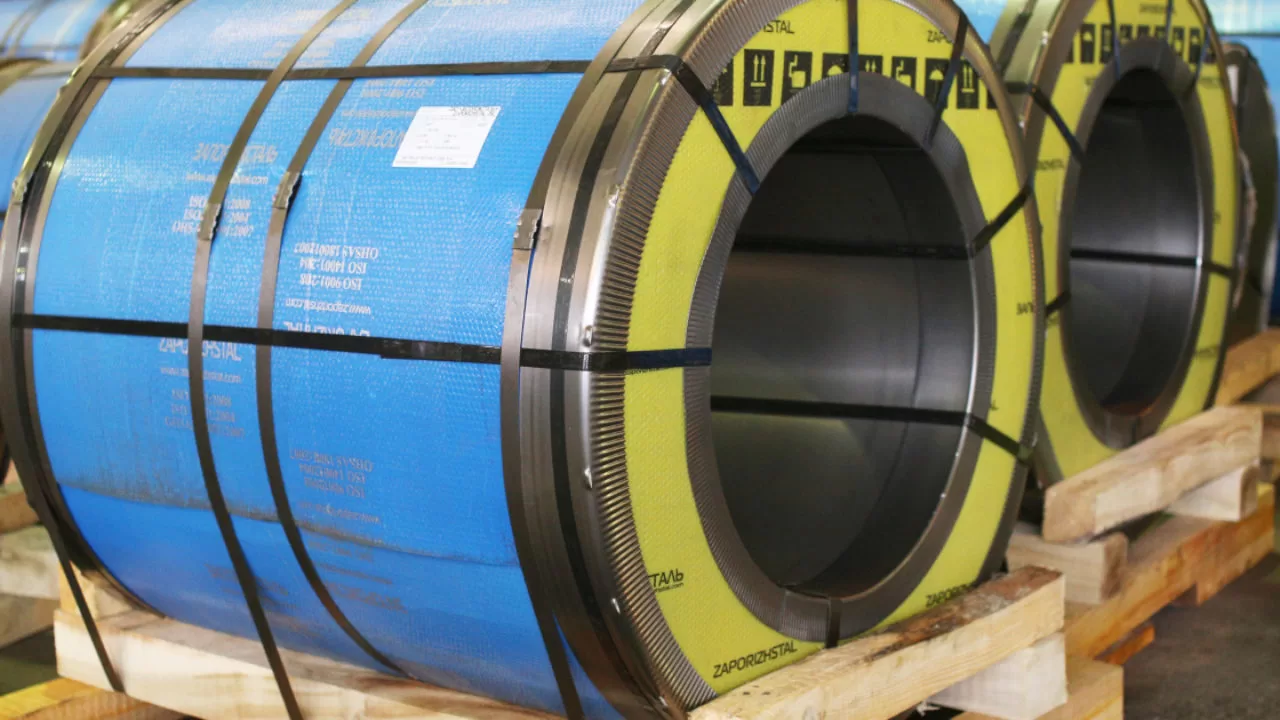
When I started my first factory, I learned these lessons the hard way. I once bought a machine that seemed like a good deal. It broke down constantly. We spent more time fixing it than running it. I realized that the true cost was not just the purchase price. It was also the lost production. It was also the high repair bills. It was also the stress on my team. This experience showed me the critical importance of understanding why machines fail.
The Hidden Cost of Cheap Machines
Some machines look good on paper. They have a low price tag. But that low price often means hidden compromises. Manufacturers cut corners. They use cheaper materials. They use less robust components. They also skip critical testing. These machines might work fine for a short time. Then, they start to fail. Bearings wear out fast. Electrical components burn up. Structural frames bend or crack. These problems lead to frequent downtime. They also lead to expensive repairs. The initial savings quickly disappear. You end up paying more in the long run. My advice is simple. Always look beyond the price. Look at the quality of the build.
Overlooked Environmental Factors
Factories are often tough places. They have dust, humidity, and temperature changes. Some factories, like those in Colombia, might have unique challenges. They might deal with high humidity levels. They might have more dust from processing materials. These conditions put extra stress on machines. Dust can clog moving parts. It can also cause electrical shorts. Humidity can lead to rust. It can also damage sensitive electronics. A good steel coil strapping machine needs to be built for these conditions. It needs sealed components. It needs corrosion-resistant materials. Ignoring these factors will always lead to more breakdowns.
Operator Skill and Training Gaps
Even the best machine can fail if operators do not know how to use it right. Incorrect operation can damage components. It can also cause premature wear. For example, applying too much tension. Or, using the wrong strapping material. Or, simply not cleaning the machine regularly. All of these things lead to problems. Good training is key. Operators need to understand the machine. They need to know its limits. They need to know how to spot early signs of trouble. Without this knowledge, your investment in a good machine will not fully pay off.
| Common Failure Point | Impact on Production |
|---|---|
| Worn Strapping Head | Inconsistent strap tension, failed seals |
| Electrical Faults | Complete machine shutdown, safety risk |
| Bearing Failure | Increased noise, component damage, jams |
| Motor Overheating | Reduced lifespan, unexpected stoppages |
| Sensor Malfunctions | Incorrect operation, errors, delays |
How can we make steel coil strapping machine maintenance easier and more effective?
Does maintenance feel like a never-ending battle? Do you only fix things when they break? This is a common problem in many factories. Managers often focus on daily production. They push maintenance tasks aside. Then, a machine breaks down. This forces a sudden, unplanned stop. This reactive approach creates chaos. It costs more money. It also puts more stress on your team. It is a cycle that needs to be broken.
Effective maintenance for steel coil strapping machines starts with proactive planning, regular checks, and using high-quality replacement parts to prevent unexpected failures and keep production lines running smoothly.
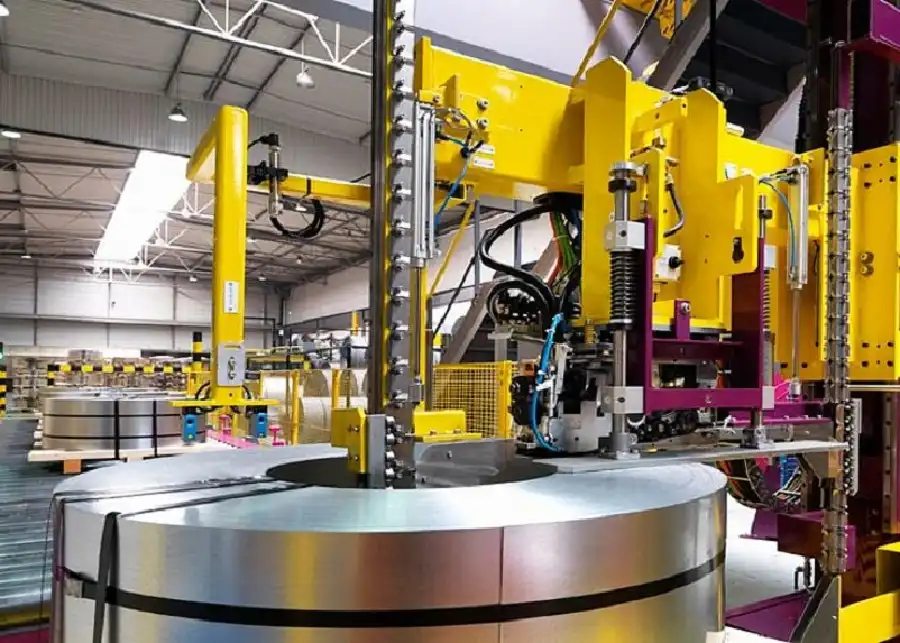
When I was building my packing machine factory, I learned this lesson early. I saw other factories constantly struggling with breakdowns. They were always reacting. I decided to do things differently. I put a strong emphasis on preventive maintenance. We created clear schedules. We trained our staff well. We also invested in good parts. This approach saved us countless hours of downtime. It also saved us a lot of money in emergency repairs. It allowed us to deliver on time, every time.
From Reactive to Proactive: A Shift in Mindset
Many factories operate with a reactive maintenance mindset. This means you wait for something to break. Then you fix it. This approach often leads to bigger problems. Small issues grow into major failures. This causes long periods of downtime. It also means you often need more expensive repairs. A proactive mindset is different. You inspect machines regularly. You fix small problems before they become big ones. This prevents unexpected breakdowns. It helps you schedule maintenance when it least impacts production. It keeps your operations more stable.
The Power of Preventive Maintenance Schedules
Implementing a strong preventive maintenance (PM) schedule is crucial. This means you plan maintenance tasks. You do them at set times. For example, checking fluid levels every week. Or, replacing wear parts every few months. This also includes regular cleaning. A good PM schedule identifies critical parts. It sets clear intervals for checking them. This helps you catch potential issues early. It allows you to order parts in advance. It reduces the chance of sudden, costly failures. It makes your operations predictable. This predictability is golden for factory managers.
Investing in Quality Parts and Tools
Using cheap replacement parts for your steel coil strapping machine is a false economy. These parts often fail faster. They can even damage other components. Always use high-quality, original, or equivalent parts. They last longer. They also perform better. Investing in proper tools is also important. Technicians need the right equipment to do their job well. Good tools make maintenance faster. They also make it safer. They help ensure the job is done right the first time. This small investment pays off huge in the long run. It protects your expensive machinery. It also protects your production schedule.
| Feature | Reactive Maintenance | Proactive Maintenance |
|---|---|---|
| Cost | High (emergency repairs, lost production) | Lower (planned, avoids major failures) |
| Downtime | Unpredictable, often long | Scheduled, minimal |
| Equipment Lifespan | Shorter | Longer |
| Safety | Higher risk (sudden failures) | Improved (fewer unexpected breakdowns) |
| Stress | High | Lower |
What kind of steel coil strapping machine truly lasts in tough industrial environments?
Are you tired of buying machines that simply cannot handle your factory’s demands? Michael, a manager I know, once told me he needs equipment that is “bulletproof.” He operates a busy metal processing plant. His machines run almost non-stop. The coils are heavy. The environment is harsh. He cannot afford equipment that breaks down every few months. He needs a steel coil strapping machine that is built to last. He needs something that can withstand the daily grind.
A truly durable steel coil strapping machine features heavy-duty construction, robust components, and intelligent design to withstand continuous operation in demanding environments, like those in Colombian metal processing plants, ensuring long-term reliability.

My years working in and building packing machine factories taught me a lot about durability. I saw some machines fall apart quickly. Others kept running for years with minimal issues. The difference was always in the build quality. It was about the materials. It was about the engineering. It was about the attention to detail. I learned that you cannot compromise on these things if you want a machine to truly last. This is especially true for critical end-of-line equipment like a steel coil strapping machine.
Beyond the Price Tag: The True Cost of Durability
It is tempting to pick the lowest price. But a cheap machine often has a very high true cost. This cost comes from frequent repairs. It comes from lost production during downtime. It also comes from the need to replace the machine sooner. A higher quality, more durable steel coil strapping machine might cost more upfront. But it will save you money over its lifespan. It requires fewer repairs. It operates more consistently. It also lasts much longer. Think of it as an investment. You are not just buying a machine. You are buying reliability and peace of mind.
Key Design Features for Longevity
What makes a steel coil strapping machine truly durable? Look for heavy-duty steel frames. These resist bending and cracking under stress. Look for industrial-grade components. This means motors, sensors, and electrical systems built for continuous use. Look for sealed bearings. These prevent dust and moisture from entering. Also, look for smart access panels. These make routine maintenance easier and faster. A well-designed machine will show attention to these details. It will have clear labels. It will have robust wiring. It will have protective covers for sensitive parts.
The Importance of Material Choice and Manufacturing Quality
The materials used are very important. High-strength steel for the frame. Abrasion-resistant alloys for wear parts. High-temperature resistant plastics for certain components. These choices directly affect how long the machine lasts. Manufacturing quality is also key. Are the welds strong? Are the parts machined accurately? Is the assembly precise? A reputable manufacturer will focus on these details. They will have strict quality control. This ensures that every machine they build meets high standards. This is the kind of partner Michael is looking for. This is the kind of partner every factory needs.
| Durable Machine Feature | Benefit |
|---|---|
| Heavy-duty Steel Frame | Resists deformation, absorbs vibration |
| Industrial-grade Motors | Reliable power, longer lifespan |
| Sealed Bearings | Protects from dust and moisture, smooth operation |
| Robust Electrical System | Reduces faults, increases safety |
| Quality Wear Parts | Lasts longer, reduces replacement frequency |
Can investing in advanced steel coil strapping automation really pay off for my factory?
You might be thinking about automation. It sounds great on paper. But is it really worth the investment? Does it truly bring a return? Many factory managers are careful about big spending. They need to see clear benefits. They need to know the money spent will come back to them. They need to know it will make their factory better. They want to be sure it will solve their real problems. Michael, for example, needs to justify the cost. He needs solid proof that automation will work for his plant.
Investing in advanced steel coil strapping automation delivers significant returns by reducing labor costs, improving safety, minimizing product damage, and boosting overall production efficiency, making it a wise choice for factories aiming for growth.

I have seen automation transform businesses. Early in my career, I was skeptical about some big investments. But then I saw companies implement smart automation. They moved heavy coils safely. They strapped them faster. They did it with fewer errors. The change was remarkable. I helped one client in a very traditional steel plant. They relied heavily on manual labor for packing. It was slow. It was dangerous. We introduced an automated strapping line. The initial cost was high for them. But the results were undeniable. Their output jumped. Their injury rates dropped to almost zero. Their product damage went way down. This experience cemented my belief in the power of smart automation.
The Direct Impact on Labor and Safety
Manual strapping of steel coils is labor-intensive. It is also very dangerous. Workers handle heavy, awkward coils. They risk back injuries. They also risk crushing injuries. This leads to high insurance costs. It also leads to high employee turnover. An automated steel coil strapping machine changes this. It does the heavy lifting. It does the precise strapping. This significantly reduces the need for manual labor in dangerous areas. It improves worker safety. Your employees can focus on safer, more skilled tasks. This creates a better work environment. It also reduces your operational risks.
Protecting Your Product, Protecting Your Profit
Product damage during packing is a silent profit killer. Michael mentioned damaged coil edges. This leads to customer complaints. It leads to returns. It leads to lost revenue. Manual handling can easily cause this damage. An automated strapping machine handles coils gently and consistently. It applies precise tension. It secures the coil without harming its surface or edges. This consistency is hard to achieve with human labor. Reducing product damage means fewer complaints. It means happier customers. It also means more profit for your factory. It protects your brand’s reputation.
The Ripple Effect on Production Throughput
A bottleneck at the end of the line limits your entire factory’s output. If your packing is slow, your whole production chain slows down. Automation solves this. An automated steel coil strapping machine works faster than human hands. It works consistently, without breaks. This speeds up your packing process. It clears the bottleneck. This means your upstream production lines can run at their full potential. The overall throughput of your factory increases. You can produce more. You can deliver faster. This directly impacts your ability to take on more orders. It helps your business grow.
My Own Experience with Automation ROI
When I started my factory, every dollar counted. I was hesitant about big automation projects. But I studied the numbers carefully. I looked at labor savings. I looked at safety improvements. I looked at the reduction in product waste. The return on investment was clear. For example, by automating just one packing line, we cut our packing time by 40%. We also reduced injuries in that area by 90%. The machine paid for itself in less than two years. This is why I am so passionate about sharing this knowledge. I have seen it work first-hand. It is not just about buying a machine. It is about strategic growth.
| ROI Factor | Benefit from Automation |
|---|---|
| Labor Costs | Significant reduction |
| Worker Safety | Greatly improved |
| Product Damage | Minimized |
| Production Speed | Increased throughput |
| Operational Consistency | High reliability |
Conclusion
Choosing the right steel coil strapping machine and focusing on smart maintenance solves many factory problems. It boosts efficiency, makes workers safer, and cuts costs. Invest wisely for a stronger, more productive future.








