
Steel coil strapping machine: Increase plant safety and efficiency for your operations in Mexico.
Are you running a metal processing factory in Mexico? Do you feel the pressure to increase output while keeping costs low? Are you constantly worried about worker safety on your factory floor? Many factory managers, like Michael Chen in Mexico, face these exact challenges every day. He knows that every minute of downtime or every safety incident means big losses. Your current manual packing methods might be slow and risky. You need a better way to move and pack your heavy steel coils.
A steel coil strapping machine can significantly boost plant safety and efficiency for operations in Mexico by automating dangerous manual tasks, speeding up the packing process, and reducing product damage. This technology helps factories like yours meet high production demands. It also lowers operational costs. It makes your workplace much safer for everyone.

I started my journey in a packing machine factory. I know the challenges of manual work. I later built my own successful factory. I have seen how the right machine can change everything for a business. Let us look deeper at how this specific technology can help you. We can make your factory more profitable and much safer.
Why are manual strapping methods holding back your production in Mexico?
Are your steel coil packing lines moving too slowly? Do your workers complain about heavy lifting and constant strain? Manual strapping methods are a common problem in many factories. They create huge bottlenecks at the end of your production line. This slows down everything you do. Your delivery times suffer. Your team works harder but achieves less.
Manual strapping methods hold back production in Mexico due to their slow speed, high labor dependency, and significant risk of human error. They directly limit overall output and delivery speed. This creates production bottlenecks that stop your factory from reaching its full potential.

I have helped many clients grow their businesses. I have seen firsthand how much manual processes can limit a factory. When I started my own packing machine factory, I saw the need for better solutions. I knew that factories needed to move faster and safer. We had to find ways to make things more efficient. Manual work, especially with heavy steel coils, is just not sustainable in the long run. It is a drain on your resources. It also creates a high risk for your employees.
The Hidden Costs of Manual Strapping
Manual strapping might seem cheap at first. You already have workers. You buy simple tools. But the real costs add up quickly. These costs go far beyond just wages. They affect your entire operation.
Efficiency Bottlenecks and Lost Production
Manual strapping is slow. It cannot keep up with high-speed production lines. This means that after all your hard work producing steel coils, the final step becomes a major choke point. Imagine a busy highway. Suddenly, a single lane closes at the end. All traffic backs up. Your factory production is the same. Coils pile up. Machines stand idle. This wastes valuable production time. It delays customer orders. You might even lose business to competitors who deliver faster. Michael Chen, a factory manager, knows this pain. He is always looking for ways to improve his output. Manual strapping actively stops him from achieving his goals. It prevents his factory from running at its optimal speed. This directly impacts his company’s bottom line and customer satisfaction. The difference between manual speed and automated speed is huge. An automated system can strap multiple coils in the time it takes one person to do one. This speed difference multiplies over hours and days. It leads to massive gains in total output.
High Labor Costs and Turnover
Manual strapping needs many workers. These workers handle heavy and awkward materials. This job is physically demanding. It leads to fatigue and stress. High turnover rates are common in such roles. Finding new workers costs time and money. Training them also costs money. Michael Chen’s factory sees this problem. He needs a stable workforce. Manual processes make that hard to achieve. Labor costs keep rising. Insurance premiums also go up because of high injury risks. Investing in automation reduces your reliance on a large manual workforce. It lets you assign skilled workers to more complex, value-added tasks. This makes your workforce more productive overall. It also improves morale. Workers prefer safer, less physically draining jobs.
Product Damage and Customer Complaints
When workers manually handle steel coils, accidents happen. Coils can drop. Edges can get bent or scratched. This damage leads to product rejects. You lose money on materials and labor. Damaged products also lead to customer complaints. This hurts your reputation. It can make you lose future business. Michael Chen has experienced this. He wants to reduce product damage during transfer and packing. An automated strapping machine handles coils precisely. It applies consistent tension. This greatly reduces the risk of damage. It ensures your products leave the factory in perfect condition. This means fewer complaints and happier customers. It also saves you money on rework and scrap.
Inconsistent Quality and Lack of Standardization
Manual strapping relies on human skill. This means consistency can vary from person to person. Straps might be too tight or too loose. This affects the coil’s stability during transport. It makes the package less secure. It can also lead to more damage. Automated machines, however, apply consistent tension every time. They follow a set program. This ensures every coil is strapped to the exact same standard. This leads to higher quality packaging. It improves safety during shipping. It gives you a reliable and predictable output. This level of standardization is almost impossible to achieve with manual labor alone. It is a key benefit for any factory aiming for excellence.
How can a steel coil strapping machine boost safety in your factory?
Are you tired of workplace accidents caused by heavy lifting? Do your insurance premiums keep rising because of worker injuries? Handling large, heavy steel coils manually is incredibly dangerous. Workers are at high risk of strains, crushed limbs, or worse. This creates a stressful and unsafe environment. You need a solution that protects your most valuable asset: your employees.
A steel coil strapping machine boosts factory safety by eliminating the need for manual handling of heavy coils, significantly reducing the risk of strains, crushes, and other severe injuries. It moves workers away from hazardous tasks. This creates a much safer working environment. It also reduces costly safety incidents.

I have always believed that worker safety comes first. When I was an employee, I saw the dangers firsthand. When I started my own factory, I made safety a top priority. Automation is not just about speed. It is about protecting people. Michael Chen faces immense pressure to ensure safety. He knows that a safer workplace means lower insurance costs. It also means happier, more loyal employees. A machine can do the heavy, risky work that humans should not.
Eliminating High-Risk Manual Tasks
The most dangerous part of manual coil strapping is the direct physical interaction with heavy, unstable loads. Workers must bend, lift, pull, and secure straps around coils weighing tons. This is where most accidents happen.
Reducing Manual Lifting and Bending
Workers manually lifting and positioning straps around large coils often experience back injuries. They also face strains and sprains. These are common injuries in manufacturing plants. They lead to lost workdays. They also increase healthcare costs. Michael Chen’s factory likely deals with these types of injuries frequently. An automated strapping machine removes this risk entirely. The machine handles all the heavy lifting and positioning. Workers operate the machine from a safe distance. They use controls. They do not need to physically touch the coil during the strapping process. This drastically reduces the physical demands on your workforce. It creates a healthier work environment. This means fewer injuries. It means lower insurance claims. It leads to a happier workforce who feel valued and protected.
Minimizing Crushing Hazards
Steel coils are incredibly heavy. If a coil shifts or falls during manual handling, it can cause severe injuries. It can even cause fatalities. Workers might get caught between a moving coil and a fixed object. They could also have limbs crushed. This is a constant fear for any factory manager. An automated strapping system works within defined safety zones. It holds the coil securely. It applies straps without human intervention in the danger area. Safety sensors and interlocks further protect workers. They stop the machine if someone gets too close during operation. This proactive approach prevents devastating accidents. It gives both managers and workers peace of mind. The system is designed to perform these tasks with extreme precision and stability. This minimizes any risk of unintended movement or collapse.
Preventing Repetitive Strain Injuries
Even without a single traumatic accident, manual strapping leads to long-term health issues. The repetitive motions of pulling, tensioning, and sealing straps can cause carpal tunnel syndrome, tendonitis, and other repetitive strain injuries (RSIs). These conditions develop over time. They can be debilitating. They lead to chronic pain. They can also force workers into early retirement. An automated machine performs these repetitive actions flawlessly. It does not get tired. It does not develop RSIs. This means your workers stay healthy and productive for longer. It reduces long-term health costs for your company. It also improves overall worker well-being. This is a significant benefit that often gets overlooked. However, it profoundly impacts the quality of life for your employees.
Reducing Exposure to Unstable Loads
During the strapping process, coils can be unstable. They might shift or roll unexpectedly. This poses a significant danger to workers. They are working in close proximity to these heavy, unpredictable loads. An automated strapping machine uses conveyor systems or turntables. These systems securely hold the coil in place. They prevent any unexpected movement during the strapping cycle. This means workers are never exposed to an unsecured, heavy load. The machine manages all the forces and movements. It keeps the coil stable throughout the entire process. This controlled environment is far superior to any manual method for safety. It ensures that the coil is always precisely where it needs to be.
Can automating your strapping process really cut down on costs?
Are you spending too much on labor for packing? Is product damage eating into your profits? Many factory managers believe automation is a huge upfront cost. They do not see the full picture. But the truth is, an automated steel coil strapping machine offers a clear and measurable return on investment (ROI). It cuts down on costs in many unexpected ways.
Automating your steel coil strapping process can significantly cut down on costs by reducing labor expenses, minimizing product damage and material waste, and lowering insurance premiums associated with workplace injuries. This investment brings clear financial benefits. It boosts your factory’s overall profitability.

When I founded FHOPEPACK, my goal was to share knowledge that truly helps businesses. I know that every investment needs to make financial sense. I have seen how factories struggle with high operational costs. They are stuck in old ways. An automated strapping machine is not just a fancy piece of equipment. It is a strategic financial decision. It pays for itself by making your operations leaner and more efficient. I helped many clients see their businesses grow. Often, this growth came from smart investments in automation.
The Financial Benefits of Automation
Investing in an automated strapping machine goes beyond just safety and speed. It directly impacts your balance sheet. It turns operational challenges into cost savings.
Reduced Labor Costs
The most obvious saving comes from reduced labor. A single automated strapping machine can do the work of several manual laborers. This means you need fewer workers for the packing process. You can reassign some workers to other, more productive tasks. Or, you can reduce your overall workforce size. Over time, these labor savings add up significantly. They cover the initial investment cost. They contribute to ongoing profit. Michael Chen wants to control costs. Cutting down on labor expenses for repetitive, high-risk tasks is a direct way to do that. The automation of these roles also means less overtime pay. It means less time spent managing a large packing crew. This makes your labor force more efficient and focused on higher-value activities.
Decreased Product Damage and Waste
Manual handling of steel coils often leads to damage. This includes dents, scratches, or even misshapen coils. These damaged products cannot be sold as first-grade. They become scrap. Or, they require costly rework. This is direct money lost. An automated machine handles coils with precision. It applies straps consistently. It holds the coil securely during the process. This greatly reduces the chance of damage. Less damage means less scrap. Less scrap means higher yields from your production line. It means fewer customer complaints. It leads to more revenue from every coil you produce. This saving directly impacts your profit margins. It makes your entire operation more profitable.
Lower Insurance Premiums and Worker Compensation Claims
As discussed, manual strapping carries high risks of injury. More injuries mean higher worker compensation claims. They also mean increased insurance premiums. Insurance companies assess risk. A factory with a high injury rate pays more. By automating, you drastically reduce these risks. This leads to fewer accidents. Fewer accidents mean fewer claims. It means lower insurance costs over time. This is a direct financial benefit that impacts your bottom line every year. Michael Chen needs to meet safety regulations. He also wants to reduce his insurance burden. Automation helps achieve both. This saving might not be obvious at first glance. However, it becomes substantial over the years. It reflects a safer, more stable work environment.
Optimized Material Usage and Reduced Consumable Waste
Automated strapping machines use strapping material more efficiently. They apply precise tension. They cut the strap to the exact required length. Manual strapping often involves guesswork. It leads to wasted strap material. This wasted material adds up over thousands of coils. An automated system minimizes this waste. It ensures every piece of strap is used effectively. This means you buy less strapping material over time. This small saving per coil becomes a big saving annually. It is another way automation helps reduce your overall operational costs. It makes your resource use more efficient. It also contributes to a more sustainable operation.
How do you choose a strapping machine supplier you can truly trust?
Have you been burned by equipment suppliers who promise a lot but deliver little after the sale? Michael Chen has. He is very careful when choosing new partners. He knows that a machine is only as good as the support behind it. You need more than just a seller. You need a partner. You need someone who understands your factory’s specific problems. You need someone who offers real solutions, not just equipment.
Choosing a trustworthy strapping machine supplier involves looking for a partner with deep industry experience, a strong track record of reliable after-sales service, and a willingness to understand and address your unique operational challenges. This ensures your investment is backed by expertise. It guarantees long-term support for your factory.
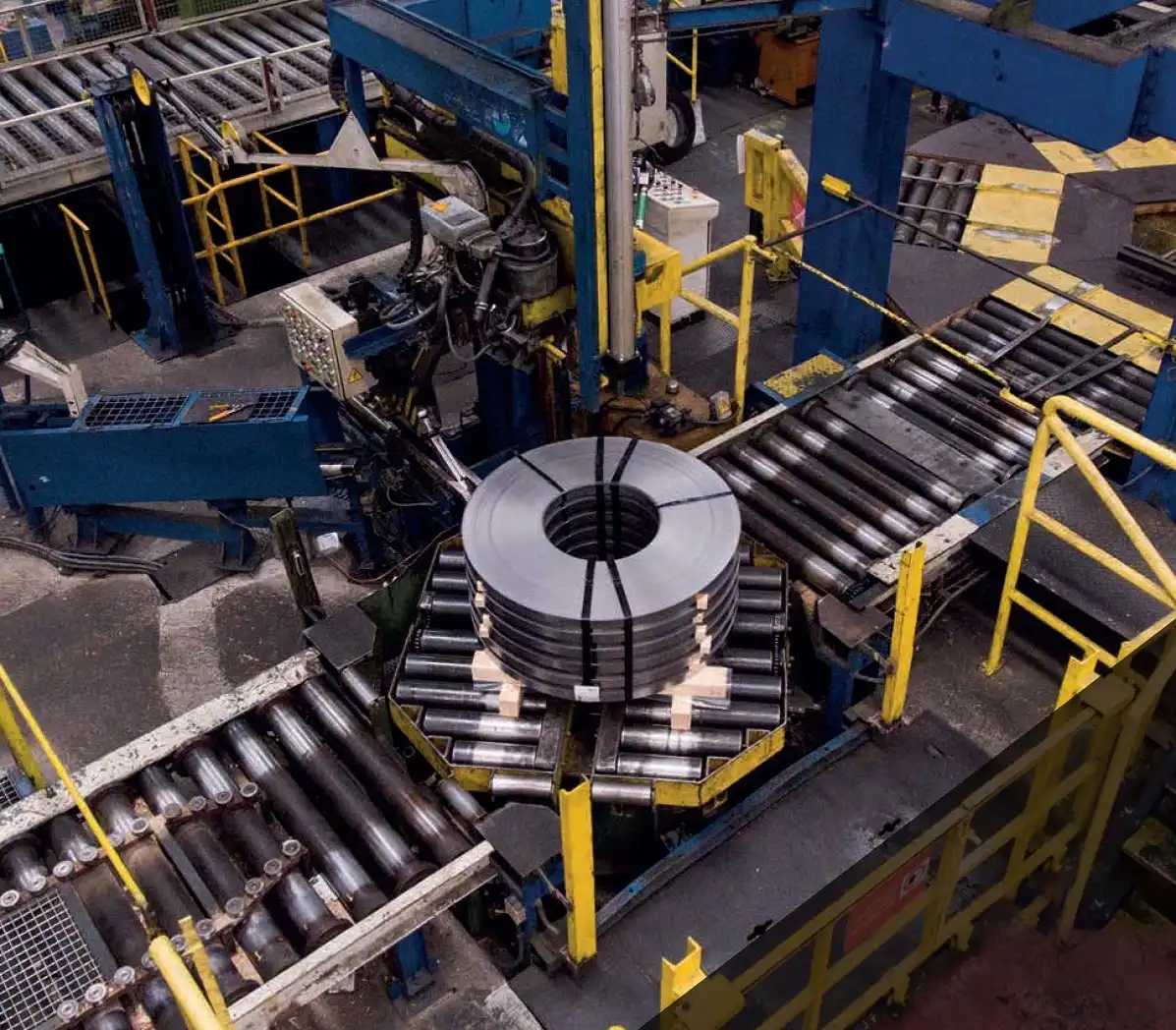
My journey in the packing machine industry taught me a lot. I started as an employee. I saw how crucial good support was. Then, I established my own factory. I realized that true value comes from understanding a client’s specific needs. It comes from solving their real problems. Michael Chen is right to be cautious. Many suppliers only care about the sale. FHOPEPACK, our knowledge-sharing platform, is different. We want to help you succeed. This means providing real insights and reliable solutions. It means being there for you long after the machine is installed.
Key Factors for Choosing a Reliable Partner
Finding the right supplier is as important as choosing the right machine. A good supplier becomes an extension of your team. They help you maximize your investment.
Industry Expertise and Understanding Your Challenges
A good supplier does not just sell machines. They understand your industry. They know the challenges you face every day. They understand your production bottlenecks. They know your safety concerns. They speak your language. Michael Chen wants a partner who “truly understands his production bottlenecks, safety hazards, and efficiency problems.” Look for suppliers whose team members have direct experience in manufacturing, like Randal Liu (me!). I worked in a factory. I built a factory. I know the pressures you face. This deep understanding means they can recommend the right solutions. They will not just push a product. They will offer tailored advice. They will help you solve your real problems. Ask them about their experience with similar factories in Mexico. Ask how they have solved specific issues.
Proven Track Record and Reliable After-Sales Service
Past experiences with suppliers who offered poor after-sales service are a red flag for Michael. You need a supplier with a strong reputation for ongoing support. This includes installation, training, maintenance, and readily available spare parts. What happens if your machine breaks down? How quickly can they respond? Do they have local support in Mexico or fast-response teams? A reliable supplier views the sale as the start of a long-term relationship. They offer comprehensive service packages. They have positive testimonials from other clients in your industry. Ask for references. Check their service response times. Good after-sales service is critical to minimizing downtime. It ensures your machine runs efficiently for years.
Customization and Scalability Options
Every factory is unique. Your specific production line might have special requirements. A trusted supplier should be able to offer customized solutions. They should not just sell off-the-shelf models. Can they adapt the machine to your factory’s layout? Can they integrate it with your existing systems? Also, consider scalability. As your factory grows, can the supplier offer upgrades or additional machines to meet increased demand? Michael Chen’s goal is to increase automation. He needs a solution that can grow with his business. A flexible supplier ensures your investment is future-proof. It protects you from having to replace equipment prematurely.
Transparency in Pricing and Long-Term Value
Be wary of suppliers who are not transparent about pricing. This includes the initial cost, installation fees, training, and ongoing maintenance. A trustworthy supplier provides clear, detailed quotes. They explain all costs upfront. They focus on the long-term value and return on investment (ROI) of their machines. They do not just focus on the lowest price. Michael’s goal is to lower costs through clear ROI. A good supplier helps you calculate that ROI. They demonstrate how their machine will save you money over its lifetime. This honest approach builds trust. It ensures you make an informed decision that benefits your factory in the long run. They should be willing to discuss financing options and long-term cost benefits.
My insights on transforming factory operations with the right technology.
When I started FHOPEPACK, it was about more than just selling machines. It was about sharing knowledge. It was about helping factory owners and managers like you. I know the feeling of wanting to push your factory forward. I know the pressure to be more productive. But I also know the fear of making the wrong investment. My journey from an employee to a factory owner taught me valuable lessons. It showed me how technology can truly transform an operation.
My insights on transforming factory operations center on the strategic adoption of reliable technology, understanding that the right machine is not just equipment but a powerful tool for safety, efficiency, and sustained business growth. It is about choosing partners who share your vision for progress.
I achieved financial independence through the packing machine industry. This allowed me to give back. I want to help others succeed. I believe in practical solutions. I believe in real results. Let me share some of my core beliefs about technology and factory transformation. They are based on my personal experience. They are also based on the success stories of my clients.
Beyond the Machine: A Holistic Approach to Transformation
Transforming a factory is not just about buying a new machine. It is about rethinking your entire operation. It is about seeing the bigger picture.
The Power of a Clear Vision
When I established my packing machine factory, I had a clear vision. I wanted to create machines that solved real problems. I wanted to help businesses grow. Michael Chen has a clear goal: to improve automation, safety, and profitability. This vision is crucial. It guides your technology choices. Do not just buy a machine because it is new. Buy it because it aligns with your factory’s strategic goals. A clear vision helps you identify the right technology. It helps you implement it effectively. It ensures your investment truly supports your business growth. It is about more than just a single machine. It is about how that machine fits into your overall plan.
Prioritizing Safety as an Investment, Not an Expense
Many factory managers view safety measures as expenses. I see them as investments. An injury costs you money. It costs you productivity. It damages morale. Investing in equipment that improves safety, like an automated strapping machine, pays for itself. It reduces insurance costs. It lowers worker compensation claims. It prevents lost production time. More importantly, it shows your employees you care. This builds loyalty. It improves retention. Michael Chen understands the high cost of injuries. He knows safety is paramount. My personal experience taught me that a safe factory is a productive and profitable factory. It also builds a strong company culture.
Focusing on ROI and Long-Term Value
Before investing in any equipment, always look at the return on investment (ROI). How long will it take for the machine to pay for itself? How much will it save you in the long run? Consider the reduction in labor costs. Think about the decrease in product damage. Factor in the lower insurance premiums. Do not just look at the initial price tag. Look at the total cost of ownership over many years. When I was building my factory, every investment had to make financial sense. I wanted to ensure that the technology not only improved operations but also contributed directly to profitability. Michael’s goal is to achieve clear ROI. This approach guarantees your investment is smart. It helps your business grow sustainably.
Building Trust with the Right Partners
My journey taught me that relationships are key. You need partners who are invested in your success. This means suppliers who offer real expertise. It means companies that provide excellent after-sales support. Michael Chen values a partner who understands his problems. He wants an expert who can offer solutions. This is the FHOPEPACK philosophy. We share knowledge. We build trust. We are here to help you navigate the complexities of factory automation. When you choose a supplier, choose a partner. Choose someone who will be there for the long haul. This partnership ensures your technology investment delivers its full potential. It provides peace of mind.
Conclusion
A steel coil strapping machine can truly transform your factory in Mexico. It boosts safety by removing manual risks. It increases efficiency by automating bottlenecks. It also cuts costs, improving your overall profitability.








