
Steel Coil Packing Line Spain: Which Technology Ensures the Best Reliability?
The steel industry in Spain faces constant pressure. Are you struggling with packing line downtime? Do inconsistent packing quality, high labor costs, or safety concerns keep you up at night? These problems do not just slow down your operations. They can lead to costly customer complaints, rejections, and even heavy financial penalties. I know this from my own journey, from working on the factory floor to building FHOPEPACK. I saw firsthand how these challenges hurt businesses. The good news is that there are proven ways to overcome them. We will explore how to achieve ultimate reliability in your steel coil packing operations.
The best reliability in a steel coil packing line in Spain comes from fully integrated, intelligent automation systems. These systems combine robust mechanical design, advanced control software (PLC/HMI), sensor-based feedback loops, and high-quality strapping/wrapping technologies. This ensures continuous operation, consistent product protection, and minimized human intervention.

Understanding the core technologies is only the first step. To truly achieve a packing line that stands the test of time, we must delve deeper into how these elements interact. We also need to see what a robust system looks like in practice. This will help you make informed decisions for your Spanish operations.
Why is Steel Coil Packing Reliability Critical for Your Business in Spain?
Are you facing slow packing speeds, inconsistent quality, or safety concerns in your steel coil operations? Many steel plant managers in Spain tell me they deal with these issues every day. These problems directly hit your bottom line. They cause delays, lead to product rejections, and can even result in hefty fines. From my years in the packing machine industry, I have seen how quickly these small issues add up. They damage profitability and ruin your reputation. Reliability is not just a useful feature for a packing line; it is a necessity for your business to stay profitable and competitive.
Reliability in steel coil packing is critical because it directly impacts production efficiency, product quality, worker safety, and customer satisfaction. It prevents costly delays, material damage, and potential contractual penalties common in high-volume operations across Spain.

When I started FHOPEPACK, my goal was always to deliver solutions that solved real problems. The problems faced by steel mills in Spain are often similar to those worldwide. They need systems that simply work, day in and day out, without fail. This consistent performance directly translates into business success. It helps avoid the many hidden costs of an unreliable packing process.
-
The High Cost of Downtime and Inefficiency Downtime on a packing line is incredibly expensive. Every minute your packing line is not running means lost production. It also means idle labor, which still costs money. Missed delivery deadlines can damage customer relationships and lead to penalty clauses in contracts. In my experience, even short stops can create a ripple effect. This disrupts your entire production schedule. For a large steel mill, hundreds of tons of coils might need packing daily. If the line stops, coils pile up. This creates bottlenecks and forces costly manual workarounds. A reliable packing line minimizes these interruptions. It ensures a smooth flow of products from the production line to the warehouse and then to your customers. It means your resources are always working for you, not against you.
-
Protecting Product Quality and Customer Trust Inconsistent packing quality can severely damage your products and your reputation. Steel coils are valuable. They need protection from rust, moisture, and scratches during transport and storage. If strapping is loose or wrapping is poor, coils can get damaged. This leads to customer complaints, returns, and even contract cancellations. For export customers in Spain, meeting strict CE/ISO certification for packaging is often a must. My clients often tell me how a single damaged shipment can erase months of good work. A reliable packing line ensures every coil is packed perfectly. It applies consistent tension, tight wrapping, and secure strapping. This protects your product and builds trust with your customers. It also reduces the risk of costly returns and keeps your brand strong.
-
Ensuring Worker Safety and Reducing Labor Strain Manual handling of heavy steel coils is one of the most dangerous tasks in a steel plant. Workers face risks of injuries from lifting, positioning, and strapping. Repetitive tasks also lead to fatigue and long-term health issues. High-intensity work environments often cause high employee turnover, especially among younger workers. This creates a constant struggle to find and train new staff. I have seen many accidents that could have been avoided with better automation. A reliable automated packing line removes workers from these hazardous areas. It reduces physical strain and minimizes the risk of accidents. This creates a safer workplace. It also means your workforce can focus on more skilled tasks, improving morale and reducing labor costs over time.
-
Meeting Diverse Market Demands with Ease Steel manufacturers in Spain often produce a wide range of products. This includes cold-rolled, galvanized, and pre-painted coils. Each type might need different packaging. This means various strapping methods (PET, steel), different wrapping materials (stretch film, shrink film), and specific labeling. Manually switching between these diverse requirements is slow and prone to errors. An unreliable system struggles to adapt quickly. This slows down production. A highly reliable, automated system handles these changes smoothly. It can store different packing recipes. It adjusts settings with minimal human input. This flexibility is key to serving different markets and customer needs effectively. It also helps you meet strict export requirements with confidence.
What Key Technologies Define a Reliable Coil Packing Line Today?
Many companies invest in packing machines, hoping for greater efficiency. However, they often end up with unreliable, disconnected systems. This is not a solution; it creates new problems and frustrations. A patchwork of individual machines, each from a different supplier, often leads to integration nightmares and constant breakdowns. I have seen this happen repeatedly in my career. True reliability in a coil packing line does not come from a single component. It comes from a cohesive technological ecosystem. Each part works seamlessly with the others. It is about building a system where every element is engineered for endurance and precision.
A reliable coil packing line today features robust mechanical engineering for heavy loads, advanced PLC/HMI controls for precise operation, sensor-based monitoring for predictive maintenance, high-speed strapping and wrapping units, and integrated data analytics for process optimization.

At FHOPEPACK, we believe in building systems that last. This means focusing on the foundational technologies that guarantee performance day after day, year after year. It means looking beyond the basic functions to understand what makes a machine truly dependable. For operations in Spain, where production demands are high, these technological foundations are not just important; they are essential.
-
Robust Mechanical Design and Engineering The heart of any reliable packing line is its mechanical strength. Steel coils are heavy. They require machinery that can withstand constant stress, vibration, and heavy loads. This means using heavy-duty structural steel for the frame. It means precision-machined components like rollers, guides, and conveyors. My experience has taught me that cutting corners here leads to frequent breakdowns and high maintenance costs. A reliable line features durable motors, gearboxes, and bearings. These parts are designed for continuous, 24/7 operation. The design must also minimize wear and tear. Good engineering also includes effective vibration dampening. This ensures stable operation and extends the lifespan of all components. This strong foundation is the first step toward true reliability.
-
Advanced Control Systems (PLC & HMI) Modern packing lines rely heavily on their brains: the Programmable Logic Controller (PLC) and Human-Machine Interface (HMI). These systems manage every step of the packing process with extreme precision. A reliable PLC ensures consistent timing, accurate positioning, and synchronized movement of all machines. The HMI provides an intuitive, user-friendly interface. Operators can monitor the process, adjust parameters, and troubleshoot issues easily. In my early days, I saw how complex control systems could frustrate operators. Today, good HMIs offer clear visual diagnostics. They allow for quick identification of problems. They also offer customizability for different coil sizes and packaging recipes. This intelligent control system is key to reducing errors and ensuring smooth, automated transitions. It is essential for a reliable workflow.
-
Intelligent Strapping and Wrapping Technologies The actual packing process—strapping and wrapping—must be flawless. A reliable system integrates advanced technologies for both. For strapping, this means machines that apply consistent tension. Whether using PET or steel straps, uniform tension is critical. It prevents loosening during transit. Automatic strap feeding and sealing mechanisms must be robust and reliable. For wrapping, technologies like stretch film or shrink film applicators need precise control over film overlap and tension. This ensures complete moisture and dust protection. I have seen how manual or inconsistent wrapping leads to rust and damage. High-speed, automated units reduce cycle times. They also guarantee a tight, secure package every time. These technologies are crucial for meeting high-quality standards and protecting your product.
-
Sensor Technology and Data Integration Reliability is not just about preventing failures; it is also about predicting them. Modern packing lines use an array of sensors. These sensors monitor everything from coil dimensions and weight to motor temperatures and film tension. This real-time data allows for immediate adjustments. It can also detect anomalies that might indicate a potential problem. Integrated data analytics takes this a step further. It gathers performance data, allowing for predictive maintenance. This means you can schedule maintenance before a breakdown occurs, not after. Seamless communication with your factory’s ERP (Enterprise Resource Planning) or MES (Manufacturing Execution System) is also vital. This ensures the packing line is a fully integrated part of your overall production. This smart use of data helps maximize uptime and optimize efficiency.
How Does Automation Directly Improve Your Packing Line’s Safety and Efficiency?
Manual packing of heavy steel coils is a challenging task. It is slow, often inconsistent, and can be very dangerous for workers. In the high-volume environment of a Spanish steel plant, relying heavily on manual labor for packing is a recipe for accidents and bottlenecks. I have witnessed firsthand the physical strain and safety risks involved in these operations. It is not sustainable for modern production. Automation is not just about making things faster; it is about transforming these challenges into streamlined, safe, and highly efficient operations. It changes the game entirely.
Automation directly improves packing line safety by replacing hazardous manual tasks like coil manipulation and strapping with robotic systems. It boosts efficiency through consistent, high-speed operation, reduced labor dependency, and optimized material usage.
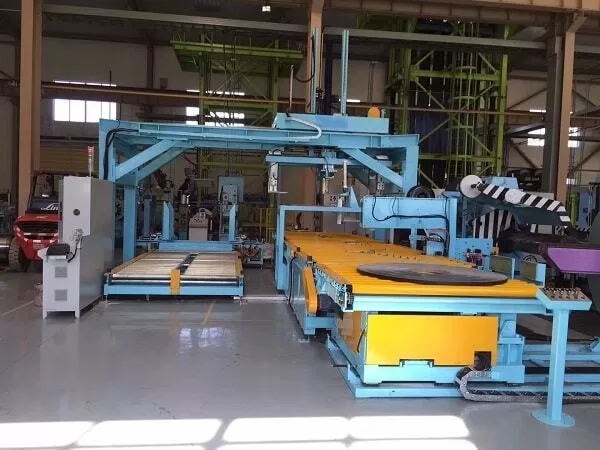
When I founded FHOPEPACK, a core part of our mission was to make packing safer and more efficient. Automation is the key to achieving this. It empowers businesses in Spain to overcome their toughest production challenges. It shifts the focus from manual labor to smart, repeatable processes. This leads to better outcomes for both products and people.
-
Eliminating Hazardous Manual Intervention Automated systems significantly reduce the need for human interaction with heavy and potentially dangerous steel coils. This is perhaps the biggest safety benefit. Automated conveyors move coils safely through the line. Up-enders and down-enders precisely flip and position coils without manual lifting or turning. Robotic strapping and wrapping machines perform these tasks quickly and accurately. Workers are moved away from pinch points, crushing hazards, and repetitive motion injuries. My own experience in factories taught me that even the most careful worker can have an accident with such heavy materials. Automation removes the human element from the most dangerous parts of the process. This dramatically lowers the risk of workplace injuries and creates a much safer environment for everyone. It also reduces the physical strain on your workforce.
-
Ensuring Consistent Packaging Quality Automatically Human error is a natural part of any manual process. When it comes to packing, this can mean inconsistent strap tension, uneven wrapping, or incorrect labeling. These inconsistencies lead to damaged goods and customer dissatisfaction. Automated packing lines perform tasks with machine precision. They apply uniform strap tension every time. They ensure consistent film overlap for wrapping. They place labels accurately. This eliminates variations that come with manual operation. I always emphasize to my clients that machines do not get tired. They do not get distracted. This means every coil leaves your facility packed to the exact same high standard. This consistency is vital for maintaining product quality. It helps you meet strict industry standards and customer expectations, especially for exports.
-
Boosting Throughput and Reducing Bottlenecks Automated packing lines operate at speeds and consistency that manual processes simply cannot match. Machines work continuously. They do not need breaks. They maintain a steady pace throughout shifts. This significantly increases your daily output. It eliminates bottlenecks that often occur at the packing stage of a manual line. For steel plants in Spain that need to process hundreds of tons of coils daily, this is a massive advantage. Faster packing means coils move out of production faster. This frees up space and reduces lead times. It means your entire production line can operate more efficiently. An automated system ensures that the packing phase keeps up with the rest of your manufacturing process. This maximizes overall plant efficiency and productivity.
-
Optimizing Resource Utilization and Reducing Waste Automation brings precision to material usage. Manual strapping and wrapping can often result in wasted material. Workers might use too much film, or straps might be misaligned and need redoing. Automated systems are programmed to use the exact amount of material needed for each coil. They minimize overlap and ensure tight, efficient application. This reduces material consumption and lowers your operational costs. Furthermore, by ensuring consistent quality, automation also reduces rework and the need for repacking damaged coils. This not only saves on materials and labor but also prevents valuable products from being scrapped. From my perspective, optimizing resources is not just about cost savings. It is also about sustainable production, which is increasingly important for businesses today.
Beyond the Machine: What Partnership Ensures Lasting Packing Line Reliability?
You have made a significant investment in a new packing line. But what happens if you face inadequate support afterward? What if spare parts are hard to find, or your team lacks proper training? A machine, no matter how advanced, is only as good as the support system behind it. Poor after-sales service can cripple your investment. It can turn a state-of-the-art solution into a constant source of frustration and costly downtime. I have seen many companies struggle not because of bad machines, but because of bad partnerships. A true partner goes far beyond simply selling you hardware.
Lasting packing line reliability is ensured through a strategic partnership with a supplier offering comprehensive turn-key solutions, expert installation, thorough operator training, readily available spare parts, and responsive technical support and maintenance services.
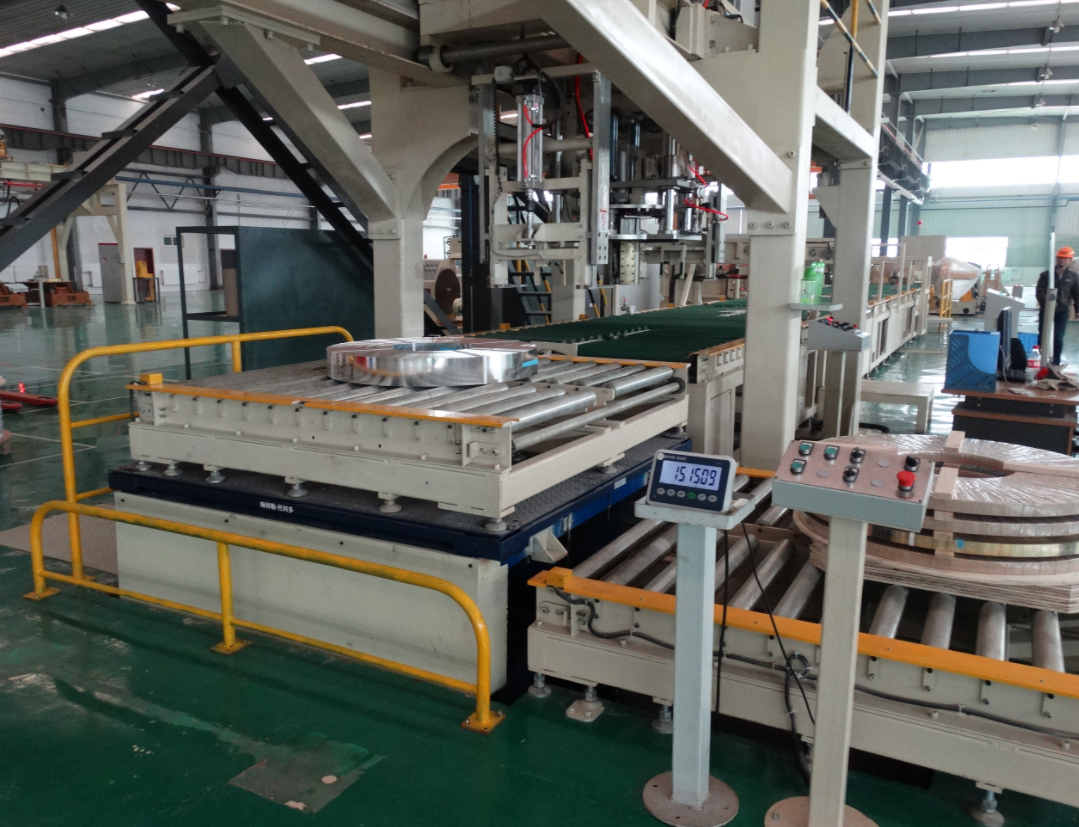
At FHOPEPACK, my team and I built our reputation on providing more than just equipment. We aim to offer a complete solution and a lasting partnership. This commitment is vital for steel manufacturers in Spain. They need to ensure their packing lines deliver reliable performance for years, not just months. It is about having peace of mind knowing that support is always there when you need it.
-
Turn-Key Solutions and Customization Every steel plant is unique. Its layout, production volume, and coil types vary. A “one-size-fits-all” approach rarely works. A true partner provides turn-key solutions. This means they manage the entire project from design to installation. They offer custom design services to fit your specific factory layout and coil handling requirements. This includes adapting to different coil diameters, weights, and production speeds. In my journey establishing FHOPEPACK, I learned that understanding a client’s specific needs is paramount. This ensures seamless integration with your existing production lines. This level of customization and project management is essential for a packing line that performs perfectly from day one. It helps avoid costly reworks later on.
-
Expert Installation and Commissioning Even the best machine can underperform if not installed correctly. Expert installation is crucial for long-term reliability. A reputable supplier will have experienced engineers. They will handle the professional setup, calibration, and thorough testing of your new packing line. This ensures every component is installed to specification. It also ensures the entire system operates at peak performance before handover. Commissioning involves running the line through various scenarios. This confirms it meets all your operational requirements. This meticulous process prevents early breakdowns. It also ensures your team knows how to run the machine correctly. This expert start is a fundamental step toward guaranteeing the packing line’s reliability over its lifespan.
-
Comprehensive Training and Knowledge Transfer Your packing line operators and maintenance staff are key to its success. Without proper training, they might struggle to operate the system efficiently or troubleshoot minor issues. A good partner provides comprehensive training programs. These programs cover daily operation, basic maintenance, safety procedures, and error resolution. My goal at FHOPEPACK has always been to empower our clients. This means ensuring your team becomes self-sufficient. Well-trained staff can quickly identify and fix common problems. This reduces reliance on external support. It minimizes downtime. This knowledge transfer is an investment in your team’s capabilities. It greatly contributes to the continuous, reliable operation of your packing line.
-
Proactive After-Sales Support and Spare Parts No machine runs forever without some maintenance or part replacement. The true test of a partner comes after the sale. Responsive technical support is vital. This means quick response times for any issues that arise. It also means having local support options, if possible, even for clients in Spain. Crucially, a reliable supplier guarantees the availability of critical spare parts. They should have a clear process for ordering and delivering parts efficiently. I know from experience that waiting weeks for a part can bring an entire production line to a halt. Proactive maintenance advice and readily available spares ensure that your packing line can be kept running with minimal interruption. This long-term commitment is what truly ensures lasting reliability and protects your investment.
Conclusion
Achieving peak reliability in a steel coil packing line in Spain is essential. It needs robust technology, smart automation, and a strong partnership. By focusing on advanced systems and dedicated support, you can overcome common challenges. This investment in a quality coil packing line with the right partner is key to sustained success in the demanding Spanish market.








