
Steel Coil Packing Line in Spain: How Does Full Automation Boost Safety?
Imagine your steel mill in Spain, working hard, coils piling up. But then, manual packing means slow speeds, tired workers, and sometimes, accidents. This is a big problem. These issues do not just slow down your operations. They can also lead to costly delays, damaged products, and even severe injuries to your team. Many managers I talk to feel this pressure. They know they must find better ways to pack their valuable steel.
Full automation in a steel coil packing line boosts safety by removing human workers from hazardous tasks. It handles heavy, unstable coils with machines, not hands. This greatly reduces risks of crushing injuries, strains, and accidents. Also, it ensures consistent, strong packaging, which stops coils from moving or breaking during transport.

So, how can you move past these old problems? How can you make your packing process safer and faster? Let us look at how full automation can transform your steel coil packing. We will explore the specific dangers manual methods create. Then, we will see how modern machines solve these issues. This will help you protect your workers and your product.
What Safety Risks Do Manual Steel Coil Packing Methods Pose?
Are your workers still lifting and moving heavy steel coils by hand? Are they using hand tools to strap or wrap these massive items? If so, you are putting them in constant danger. This is a common scene in many steel mills, not just in Spain. It leads to many safety issues.
Manual steel coil packing methods expose workers to significant risks. These include crushing injuries from falling coils, musculoskeletal disorders from heavy lifting and repetitive motions, and cuts from sharp edges of steel or strapping materials.

When I started in this industry, I saw these dangers firsthand. I worked in a factory where we often handled heavy coils. I know the challenges. Manual processes often mean that workers get too close to moving parts or heavy loads. This happens because they must physically apply straps or wrap film. They might need to climb onto or around the coils. This makes them vulnerable. These tasks are not just physically demanding. They are also mentally taxing. Long shifts with such high-risk activities increase the chance of human error. An error can lead to a serious accident. For example, a heavy steel coil can roll unexpectedly. A strap can snap. A worker can lose their balance. These are not small risks. They can cause severe injuries or even be fatal. Managers like Ivan, who oversees hundreds of tons of daily shipments, know this. He worries about the safety of his team. He also knows that a single accident can stop production. It can cause investigations, fines, and bad publicity. This is why addressing these risks is not just about compliance. It is about protecting your most valuable asset: your people.
-
Direct Contact with Heavy Loads:
- Workers must handle tools and materials right next to coils weighing several tons. Even with forklifts or cranes, the final strapping or wrapping often brings people very close. A sudden shift or drop can be catastrophic. Think about a 3-ton coil. If it moves an inch, it can pin someone. 💀
- This direct contact increases the risk of crushing injuries. It also raises the risk of cuts from the sharp edges of the steel itself. The coil can also have burrs.
- Manual adjustments to packaging materials, like tensioning a strap, also put hands and fingers in harm’s way. The tools themselves can cause injury if not handled perfectly.
-
Repetitive Strain and Musculoskeletal Disorders:
- Applying straps, stretching film, and moving packing materials are very repetitive. Workers do these actions hundreds of times a day. This leads to chronic pain. It also causes injuries in the back, shoulders, wrists, and knees. 🤕
- The awkward postures needed to reach around a coil make these tasks even worse. Many younger workers do not want these jobs. This leads to labor shortages in many places, including parts of Spain.
- Over time, these injuries can force skilled workers to leave their jobs. This costs the company money in lost productivity and healthcare.
-
Inconsistent Packaging Quality Leading to Indirect Safety Risks:
- Manual packaging quality can vary greatly from one worker to another. One person might tension a strap perfectly. Another might leave it too loose. This is a real problem.
- Loose packaging or uneven film tension can mean coils are not secure. During transport, these coils can shift. They can fall off trucks or out of containers. This creates a public safety hazard. It also risks damage to other goods or vehicles. 🚚
- Poor moisture protection from bad wrapping also leads to rust. Rust weakens the coil and can make it harder to handle safely later. It reduces the product’s value.
How Does Full Automation Eliminate These Dangers in a Spanish Steel Mill?
Now, let us talk about how automated systems change everything. In a busy steel mill in Spain, or anywhere else, full automation is a game changer. It takes the human element out of the most dangerous parts of the packing process.
Full automation eliminates dangers by replacing human interaction with heavy machinery. Robots and specialized equipment safely handle coil movement, wrapping, and strapping. This keeps workers away from moving coils and sharp materials. It creates a much safer work zone. It also ensures consistent, high-quality packaging that protects coils during transit.

I have helped many clients set up these systems. My goal has always been to make packing safe and efficient. I have seen the transformation firsthand. With automated systems, coils move on conveyors. They rotate on specialized turntables. They get strapped and wrapped by robotic arms. Workers supervise from a safe distance. They manage the system through control panels. They do not touch the coils. This means no more heavy lifting. No more close contact with unstable loads. The risk of crushing injuries drops to almost zero. Think about a steel mill in Andalusia. They produce different types of coils. They need speed. They also need safety. An automated line can handle cold-rolled, galvanized, and pre-painted coils without manual intervention. This adaptability is key for safety and efficiency. It means fewer manual changes. Fewer manual changes mean fewer chances for accidents. This is how automation directly protects your team. It builds a safer workplace. This is a core benefit of investing in modern packing technology.
-
Removing Workers from the “Danger Zone”:
- Automated systems use sensors and programmable logic controllers (PLCs). These systems direct coils through the packing process. No human hands are needed to guide or position the coils.
- Workers monitor the line from a control room or a designated safe area. They only intervene if there is a system fault. Even then, safety protocols are in place to ensure machines are stopped and locked out.
- This separation keeps people safe. It greatly reduces the chance of accidents caused by human error or machine malfunction during operation.
-
Consistent and Reliable Operation:
- Machines perform tasks with high precision every single time. They apply straps with uniform tension. They wrap coils with consistent overlap and stretch. This takes away the variability of manual work.
- This consistent quality means coils are always properly secured. They are protected against moisture, rust, and physical damage. This prevents problems during storage and shipping.
- When packaging is secure, coils are much less likely to shift or become damaged during transport. This protects both the product and those who handle it later. It avoids the safety issues of loose loads on the road.
-
Ergonomic Benefits and Reduced Labor Strain:
- Automation takes over all the physically demanding tasks. This eliminates manual strapping, wrapping, and lifting. This is good news for workers.
- It reduces physical fatigue and the risk of musculoskeletal injuries. Workers can focus on supervision, maintenance, and problem-solving. These are less physically demanding tasks. They are also often more fulfilling.
- This improves worker morale. It also helps attract and retain skilled labor, especially in industries where manual labor is becoming less appealing. Companies in Spain face these labor challenges. Automation offers a practical solution.
What Specific Automated Technologies Improve Worker Safety and Product Integrity?
Full automation is not just one machine. It is a system. It brings together several advanced technologies. These work together. They make the steel coil packing process safer and better. They also ensure the coils leave your Spanish mill in perfect condition.
Specific automated technologies like coil tilters, automatic strapping machines, stretch wrappers, and robust conveying systems dramatically improve worker safety. They do this by mechanically handling heavy coils. They apply consistent, high-quality packaging materials without manual intervention. This also protects product integrity by ensuring uniform, secure wrapping and strapping.
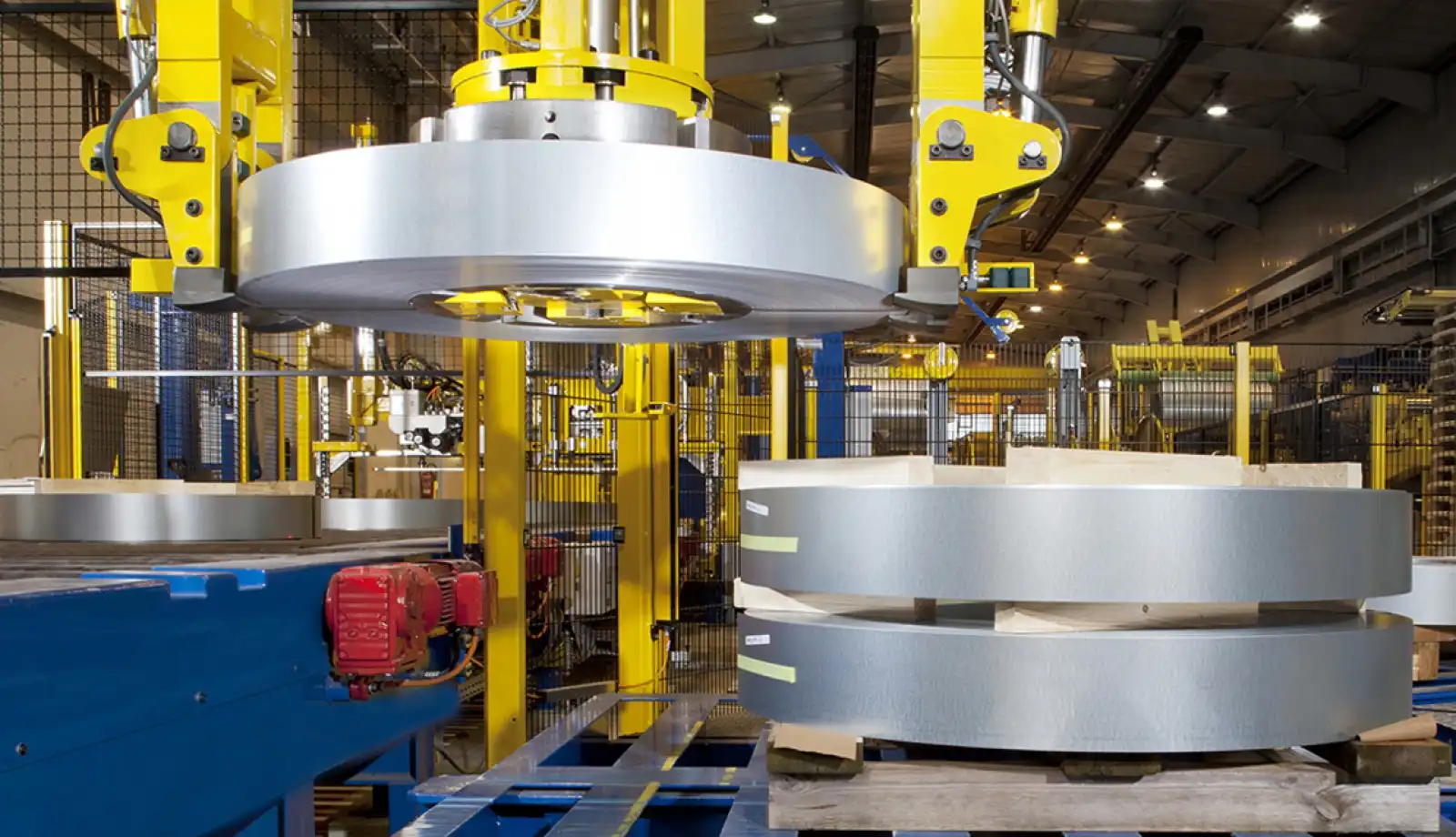
In my work at FHOPEPACK, I have seen how these machines transform operations. For example, manual coil handling is a huge risk. A worker pushing or pulling a heavy coil can easily get hurt. But an automated coil tilter does this heavy work. It rotates coils safely and precisely. This removes a major danger. Then, an automatic strapping machine takes over. It applies PET or steel straps with exact tension. It secures the coil without anyone needing to get close. The machine does the dangerous work. My experience building factories taught me that reliability is key. These machines are built for heavy industrial use. They run 24/7. This consistency directly supports safety. It also guarantees product integrity. This is vital for customers who demand CE/ISO certified packaging. It also helps with the barcode labeling needed for export. This level of precision is simply impossible with manual methods. These advanced technologies create a fully integrated line. It moves coils from the production line to final shipment with minimal human contact.
-
Automated Coil Handling and Conveying Systems:
- Coil Tilters and Turnstiles: These machines safely rotate coils from horizontal to vertical, or vice versa. They do this without any human lifting or pushing. This removes a huge risk of crushing injuries. It also improves ergonomics. 🔄
- Heavy-Duty Conveyors: These transport coils along the packing line. They use robust rollers and chains. They ensure smooth and controlled movement. Workers do not need to guide or push coils. This keeps them out of the path of heavy, moving objects.
- Automated Crane Integration: Modern systems can integrate with overhead cranes. They automatically pick and place coils at the start and end of the packing line. This reduces manual crane operation, which lowers risk.
-
Precision Strapping and Wrapping Machines:
- Automatic Strapping Machines (PET/Steel): These machines apply multiple straps around a coil quickly and accurately. They use either PET or steel strapping. They automatically feed, tension, seal, and cut the strap. Workers load the material. Then, they stand back. This keeps hands away from sharp strap edges and high-tension forces. 💪
- Automatic Stretch Wrappers: These machines apply protective film around the coil. They ensure a tight, even wrap. This protects against moisture, dust, and scratches. The machine controls film tension. This means no manual stretching or wrapping. This removes another physically demanding and risky task.
- Shrink Wrapping Tunnels: For even higher protection, some lines include shrink-wrapping tunnels. These create a tight, sealed cover for the coil. They provide excellent weather protection.
-
Integrated Safety Features and Quality Control:
- Safety Guards and Light Curtains: Automated lines come with physical barriers. They also have sensor-based safety features. These stop the machine if a worker enters a restricted area. This is a vital safety measure. 🚨
- Automatic Labeling and Barcode Systems: Machines can automatically print and apply labels. This includes barcodes. This removes manual labeling, which can be repetitive. It also reduces errors. It helps with tracking and compliance.
- Vision Systems and Quality Checks: Some advanced systems use cameras to check packaging quality. They look for loose straps or torn film. This ensures every coil meets the highest standards before shipping. It prevents the transport of poorly packed coils.
How Can a Turnkey Automated Packing Line Secure Your Investment and Future Growth?
Investing in a fully automated steel coil packing line is a big decision. But it is more than just buying machines. It is about securing your business for the future. It is about making smart choices that pay off. This is especially true for steel mills aiming for growth and efficiency.
A turnkey automated packing line secures your investment by providing a complete, integrated solution. It optimizes efficiency, reduces operational costs, and ensures long-term reliability. This partnership approach includes design, installation, training, and ongoing support. It helps you meet current demands and prepares you for future growth in your market.

My journey in this industry taught me about the importance of a true partner. When I started FHOPEPACK, I knew we needed to offer more than just machines. We needed to offer solutions. Ivan, the production director, wants a long-term partner. He needs someone who can deliver a complete project. This includes everything from initial design to after-sales support. This holistic approach is what a turnkey solution provides. It means FHOPEPACK takes care of the entire process. We design the line to fit your specific needs. We install it. We train your team. And we provide ongoing support and spare parts. This partnership removes many headaches for you. It ensures the system works perfectly from day one. It also guarantees it keeps working for many years. This reduces downtime. It also keeps your production running smoothly. This type of investment means you can adapt to different coil sizes and weights. You can also meet varied customer packaging demands. This flexibility supports continuous growth. It helps you stay competitive in the global market. It also lets you ship more products safely and efficiently.
-
Optimized Efficiency and Reduced Operating Costs:
- Higher Throughput: Automated lines work much faster than manual methods. They can handle hundreds of tons per day, consistently. This significantly increases your output capacity. 📈
- Reduced Labor Costs: While there is an initial investment, automation greatly reduces the need for manual labor in the packing area. This saves money on wages, benefits, and training over time. It also helps with labor shortages.
- Lower Material Waste: Precision machines apply packing materials efficiently. They reduce waste from over-wrapping or incorrectly applied straps. This saves money on materials.
-
Long-Term Reliability and Support:
- Built for Durability: FHOPEPACK machines are built for continuous operation in harsh industrial environments. They use high-quality components. This ensures a long service life and minimal breakdowns.
- Comprehensive After-Sales Support: A good partner offers strong technical support, maintenance services, and readily available spare parts. This minimizes downtime. It keeps your line running efficiently year after year. This is what I believe in providing.
- Training Programs: We ensure your team knows how to operate and maintain the new system safely and effectively. This empowers your staff. It ensures smooth operation.
-
Future-Proofing Your Business:
- Adaptability: Modern automated lines can often be reconfigured. They can handle new product types or different packaging requirements. This means your investment grows with your business.
- Compliance and Export Readiness: Automated systems help meet strict international standards. This includes CE or ISO certifications. They also integrate barcode systems. This makes your products ready for global export markets. 🌍
- Improved Reputation: Investing in advanced, safe, and efficient technology shows you are a forward-thinking company. This enhances your reputation with clients and employees. It helps you attract top talent and secure more business.
Conclusion
Full automation in steel coil packing lines significantly boosts safety by removing workers from dangerous tasks. It ensures consistent quality and reduces physical strain. This investment also brings high efficiency, lowers costs, and future-proofs your operations. Partnering with FHOPEPACK for a complete coil packing line secures your business’s success and growth.








