
Steel Coil Packing Line Netherlands: What Features Fit Renovation Projects Best?
Are you managing a steel production facility in the Netherlands? Do you face constant pressure to ship hundreds of tons of steel coils daily? Many production directors, like my friend Ivan, struggle with outdated packing lines. These lines cause delays, quality issues, and even safety hazards. I know this problem well because I have seen it many times in my career. It affects your business and your reputation.
When renovating a steel coil packing line in the Netherlands, the best features focus on integration, automation, and flexibility. These solutions must adapt to diverse product types, improve worker safety, and meet strict export quality standards. A successful renovation reduces downtime, optimizes material flow, and offers robust, continuous operation tailored to your existing infrastructure.
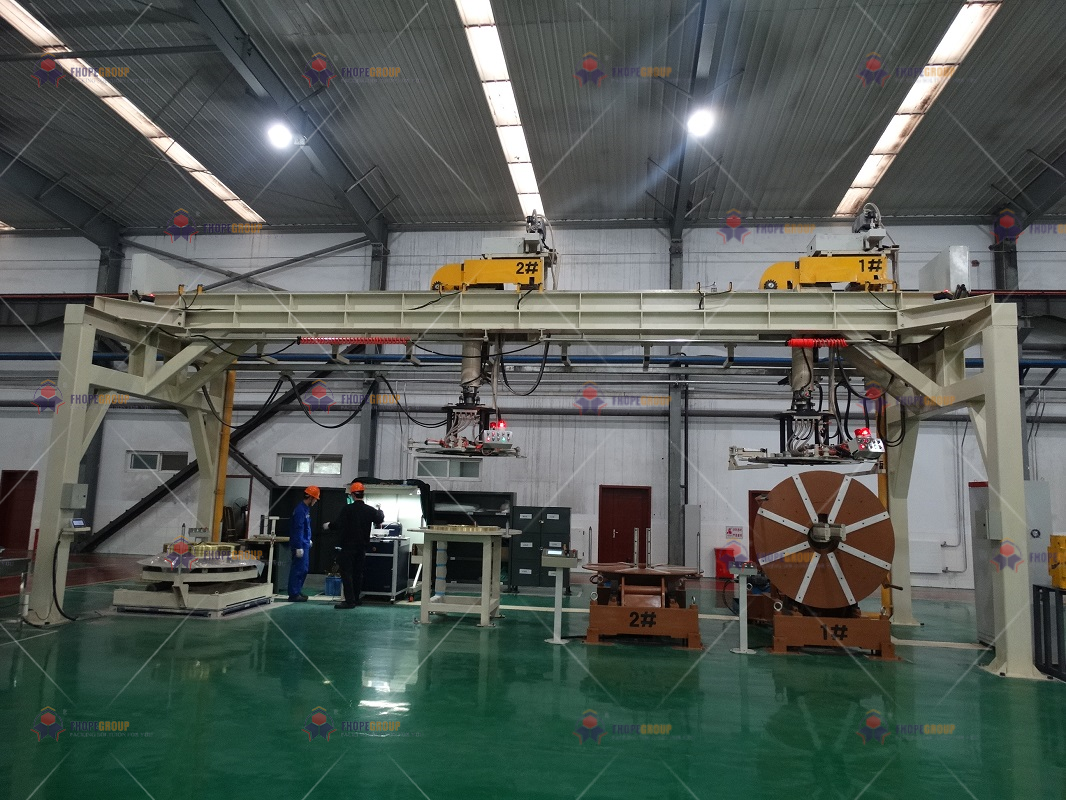
Upgrading your packing line is a major decision. It requires careful planning and the right partner. Let’s explore the key features that can turn your renovation project into a success story.
How Can an Automated Coil Packing Line Adapt to Diverse Products in the Netherlands?
Do you find your team constantly adjusting the packing line for different steel coil types? This manual switching slows everything down. It also increases the chance of errors. Many companies, especially in the busy European market, need to pack cold-rolled, galvanized, and pre-painted coils. Each type has unique requirements.
An automated coil packing line adapts to diverse products through modular design, smart sensor systems, and programmable logic controllers (PLCs). These features allow quick, pre-set recipe changes for different coil dimensions, weights, and packaging material requirements. This means minimal manual intervention and consistent quality across your entire product range, crucial for renovation projects seeking versatility.
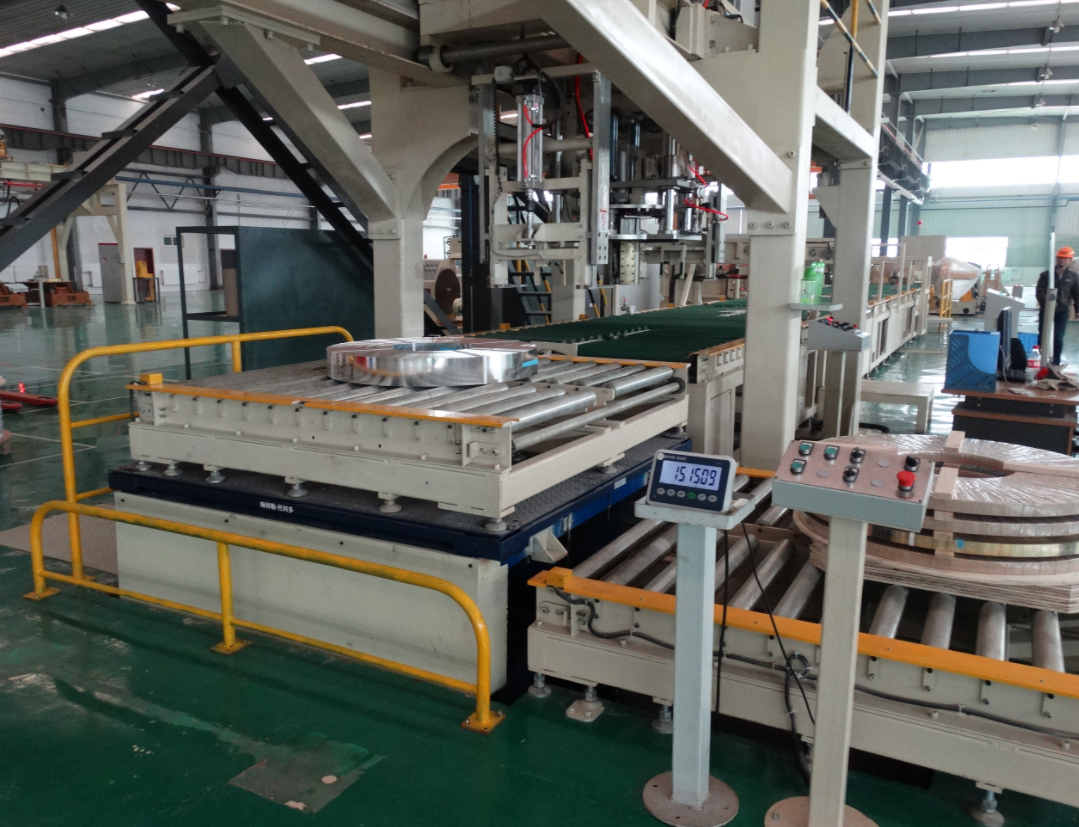
When I started FHOPEPACK, my goal was to provide truly flexible solutions. I saw too many factories stuck with rigid systems. For renovation projects, this flexibility is even more important. You cannot rip everything out and start fresh. You need a system that fits into what you already have while adding new capabilities.
-
Modular System Design for Seamless Integration:
- A modular packing line uses independent stations. Each station handles a specific task. This includes coil handling, strapping, wrapping, and labeling. You can add or remove modules as needed. For example, if you already have a good strapping machine, you might only need new wrapping and labeling units. This design makes integration into your existing layout easier. It also minimizes disruption during installation. You can phase in the upgrade. This lets you keep some parts of your production running. This approach is much less risky. It also spreads out the investment cost. It also allows future upgrades without replacing the entire system.
- For a plant in the Netherlands, this means less downtime. You meet customer demand without huge production stops. My experience showed me that clients value continuity. They cannot afford long periods of inactivity. A modular design respects this need. It helps bridge the gap between old and new technology. This means your renovation project stays on track and within budget. This is a practical way to modernize.
-
Smart Sensor Technology and PLC Control:
- Modern packing lines use advanced sensors. These sensors detect coil dimensions. They also measure coil weight and material type. The data goes to a central PLC system. This system then automatically adjusts the packing parameters. For example, it can change film tension for wrapping. It can also set strap length for bundling. This removes the need for manual settings. It ensures precision every time. This is especially useful for varied product lines. Think about a steel mill that produces both thin cold-rolled coils and heavy galvanized coils. The system handles both seamlessly.
- This technology makes the packing process highly efficient. It also reduces human error. It ensures uniform packaging quality. This meets the high standards of the Dutch market. It also meets international export requirements. I remember one client who was constantly battling inconsistent wrap quality. After we implemented smart sensors and PLC, their complaints dropped to zero. This is the power of smart automation.
-
Programmable Packing Recipes for Quick Changeovers:
- Operators can store different packing recipes in the PLC system. Each recipe has specific settings for a product. For instance, “Recipe A” might be for galvanized coils, using anti-corrosion film and PET strapping. “Recipe B” might be for pre-painted coils, using a protective layer and plastic wrapping. Switching between recipes is simple. It often involves just a few clicks on a touchscreen. This drastically cuts down changeover times. It makes your production much more agile.
- Quick changeovers are vital for plants with diverse orders. They prevent bottlenecks. They also maximize throughput. This keeps your delivery schedules tight. It keeps your customers happy. This capability is key to increasing overall efficiency in a renovation project. It turns a potential weakness (product diversity) into a strength (flexible production).
What Automated Solutions Best Improve Safety and Reduce Labor in Coil Packing Renovation Projects?
Is your packing area full of workers manually handling heavy steel coils? This creates serious safety risks. It also leads to high labor costs and worker turnover. Manual operations are slow and prone to accidents. These include crush injuries or back problems from lifting. In a country like the Netherlands, labor costs are high. Safety standards are also very strict.
Automated solutions significantly improve safety and reduce labor in coil packing renovation projects by replacing manual lifting, turning, and strapping with robotic arms, automated coil transfer systems, and hands-free strapping machines. These systems minimize human interaction with heavy machinery and dangerous moving parts. They ensure a safer working environment and decrease the need for manual labor, leading to lower operational costs and fewer injuries.
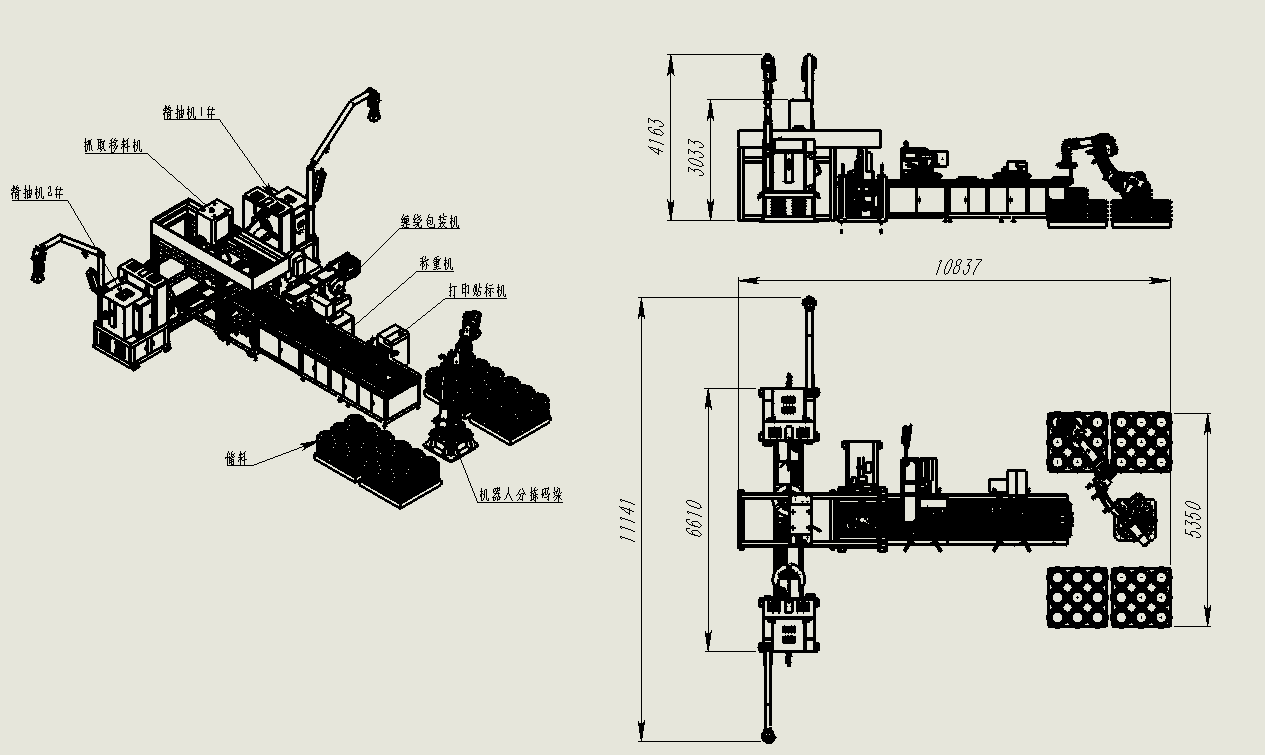
When I walk through a factory, safety is always one of my top concerns. I have seen too many close calls. My goal with FHOPEPACK is to make workplaces safer for everyone. This is not just about compliance; it is about protecting people. A renovation is the perfect time to make these crucial improvements.
-
Automated Coil Handling and Transfer Systems:
- Heavy steel coils present major handling challenges. Manual crane operations are slow. They also pose a risk of drops or collisions. Automated transfer systems use conveyors, coil cars, and robotic manipulators. These systems move coils safely and precisely. They remove the need for human operators to be near moving coils. This dramatically reduces the risk of accidents. It also streamlines the flow of coils to each packing station. The system ensures smooth transitions.
- For a renovation project, integrating these systems means less disruption. They can often be added to existing pathways. This improves material flow without a complete overhaul. This also significantly lowers labor intensity. Workers can focus on supervision, not heavy lifting. This is a game-changer for safety and productivity.
-
Robotic Palletizing and Stacking for Finished Coils:
- After packing, coils need stacking or placing onto pallets. This is another area of high physical strain and potential injury. Robotic palletizers can automatically pick up and stack finished coils. They follow pre-programmed patterns. These robots work tirelessly. They do not get fatigued. This eliminates manual lifting and repetitive motions. It improves stack stability and consistency. This is vital for safe storage and transport.
- These robots can operate in hazardous environments. They also free up workers for more complex tasks. This leads to a more efficient workforce. My own factory started with manual stacking. We quickly learned the value of automation. It was not just about speed. It was about protecting our team. This lesson stayed with me.
-
Hands-Free Strapping and Wrapping Machines:
- Manual strapping and wrapping involve workers directly interacting with the coil. They also use tensioned bands and rotating machinery. This is very dangerous. Fully automated strapping and wrapping machines perform these tasks without human contact. They position the strap or film. They apply tension. They seal or cut the material. All these actions happen inside safety guards. This keeps operators safe.
- These machines also ensure consistent tension and placement. This improves packaging quality. It reduces material waste. It also significantly lowers the risk of hand injuries or entanglement. For a renovation, these units are often easy to integrate. They can replace old, semi-automatic machines. This offers an immediate boost in safety and efficiency.
Which Advanced Packaging Technologies Deliver Export-Grade Quality for Renovation Projects?
Do your international clients demand specific packaging standards? Are you losing business because your current packaging is not up to par? Exporting steel coils, especially to demanding markets like Europe or North America, requires more than just basic protection. It needs precise, reliable, and certified packaging. This includes strict moisture control, barcode labeling, and robust securing.
Advanced packaging technologies for renovation projects deliver export-grade quality through integrated anti-corrosion VCI film application, precise stretch wrapping, high-tension PET/steel strapping, and automatic barcode labeling systems. These features ensure robust moisture protection, secure handling, and accurate product identification. They help meet international certifications like CE/ISO, critical for global market access and client satisfaction.

When I helped clients expand their reach, the biggest hurdle was often packaging. They made great steel, but their packaging failed. This resulted in rejections and lost trust. FHOPEPACK focuses on creating solutions that protect your product. They also enhance your brand image. This is especially true for the Netherlands, a major hub for international trade.
-
Combined PET/Steel Strapping for Superior Security:
- Steel coils are heavy and move during transport. They need strong containment. Automated strapping lines can apply both PET (Polyester) and steel straps. PET straps offer excellent tensile strength and shock absorption. They also do not rust. Steel straps provide maximum rigidity and holding power. Combining these two materials gives the best of both worlds. It ensures the coil stays tight and secure. This prevents loosening or damage during long journeys.
- For renovation, you might already have a strapping machine. Upgrading it to handle both materials adds a layer of protection. It allows you to tailor the strapping to specific customer needs. This meets the high demands of export markets. It also lowers the risk of cargo shifts and related claims.
-
Integrated VCI Film and Stretch Wrapping for Rust and Moisture Protection:
- Moisture and humidity are enemies of steel. They cause rust. VCI (Volatile Corrosion Inhibitor) film releases protective chemicals. These chemicals create a barrier against corrosion. When combined with tight stretch wrapping, it forms a sealed environment. This keeps moisture out. Automated wrapping machines ensure consistent overlap and tension. This provides an airtight seal. This is far superior to manual wrapping. Manual wrapping often leaves gaps.
- Implementing this in a renovation means you upgrade your basic protection. You move from good to excellent. This protects your investment. It also protects your product quality. This is vital for long-distance shipping or storage in humid conditions. It is a must-have for CE/ISO certified packaging.
-
Automatic Barcode and Labeling Systems:
- Traceability is crucial in global logistics. Each coil needs a clear identity. Automated labeling systems print and apply barcodes. They also apply other necessary information, like product specifications or client details. These systems integrate with your factory’s ERP or MES. This ensures data accuracy. It eliminates manual errors. It speeds up inventory management.
- Adding an automatic labeling system during renovation simplifies compliance. It also improves operational efficiency. It means less time spent manually writing or attaching labels. It provides a professional finish. This meets the modern standards expected by clients in the Netherlands and beyond. It gives you a competitive edge.
Why Is a Comprehensive Turnkey Solution Critical for Your Packing Line Renovation?
Are you struggling to find multiple suppliers for different parts of your packing line? Do you worry about managing various contractors? A renovation project is complex enough. Coordinating different vendors for design, installation, and after-sales support can become a nightmare. This causes delays, cost overruns, and blame games.
A comprehensive turnkey solution is critical for your packing line renovation because it provides a single point of contact for the entire project lifecycle. This includes consultation, custom design, manufacturing, installation, commissioning, training, and ongoing after-sales support. This streamlined approach minimizes project risks, ensures seamless integration, and guarantees long-term operational reliability, making the renovation process efficient and worry-free.
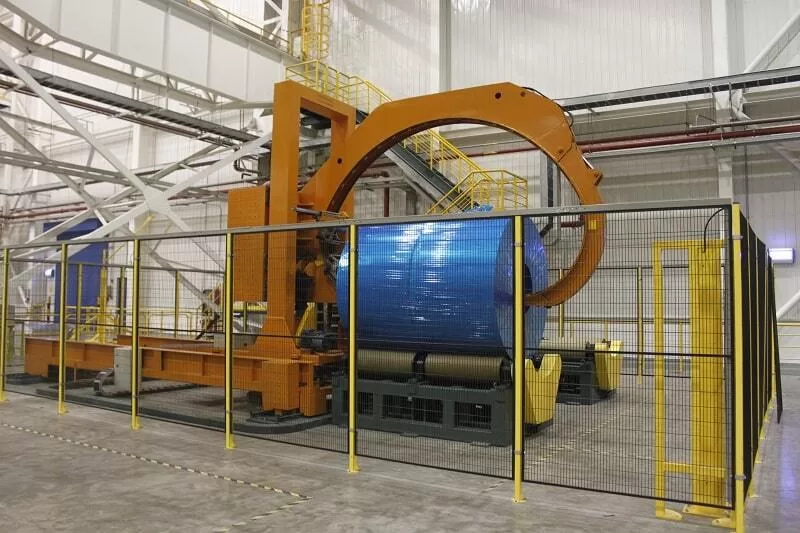
I believe in taking full responsibility. From my early days at the packing machine factory, I saw the problems when clients had to deal with too many hands in the pot. That is why FHOPEPACK offers a complete package. We want to be your trusted partner, not just a seller. This simplifies your life. It also ensures success for your project.
-
Single Point of Contact for Project Management:
- With a turnkey provider, you deal with one company. This company manages everything. It handles initial planning. It takes care of detailed engineering. It oversees manufacturing. It manages installation and startup. This simplifies communication. It also reduces administrative burden. You do not have to chase different suppliers. You do not have to resolve conflicts between them. One team handles all aspects. This ensures clear accountability.
- This approach is invaluable for renovation projects. It means less stress for your team. You can focus on your core business. The turnkey provider coordinates all parts of the project. This ensures a smooth and efficient process. This single point of contact is a huge benefit.
-
Custom Design and Engineering for Existing Infrastructure:
- Every renovation project is unique. It comes with existing constraints. These include factory layout, power supply, and integration with upstream production lines. A good turnkey provider offers custom design. They engineer the new packing line to fit your specific site. They do not just offer off-the-shelf solutions. They consider your current operational flow. They maximize space utilization. They minimize modifications to your building. This ensures the new system integrates perfectly.
- This tailored approach avoids costly surprises. It also ensures optimal performance. It makes the most of your existing assets. This is what FHOPEPACK specializes in. We design solutions that work for your specific needs. This is especially important for the complex demands of Dutch industrial facilities.
-
Comprehensive Training and After-Sales Support:
- A new packing line requires new skills. A turnkey solution includes thorough training for your operators and maintenance staff. This ensures they can run and maintain the system effectively. Beyond training, reliable after-sales support is crucial. This includes spare parts availability. It also includes technical assistance and scheduled maintenance. This guarantees maximum uptime. It extends the life of your investment.
- Long-term partnerships are built on trust and support. A provider that stands by its products ensures your operation runs smoothly for years. This is not just a sale; it is a commitment. For a renovation, this support protects your investment. It gives you peace of mind.
Conclusion
Renovating your steel coil packing line in the Netherlands offers a huge opportunity for improvement. By focusing on automated solutions that deliver flexibility, safety, and export-grade quality, you can transform your operations. Choosing a comprehensive turnkey partner ensures a smooth project. It also guarantees long-term reliability. Invest in an advanced [coil packing line] (https://www.fhopepack.com/Automatic-Coil-Packing-Line/ “automatic coil packing line”) and future-proof your business.








