
How Do Steel Coil Packing Lines Cut Costs for Netherlands-Based Exporters?
Imagine this: your steel coils are ready for export. They are valuable, heavy, and destined for international markets. But then, issues start. Packaging is slow, workers struggle, and there are concerns about moisture damage during transit. For Netherlands-based exporters, these challenges are not just nuisances; they eat into profit margins, delay shipments, and can harm your reputation. What if there was a way to make these problems disappear?
Steel coil packing lines significantly cut costs for Netherlands-based exporters by automating labor-intensive processes, ensuring consistent high-quality packaging for international standards, optimizing material usage, and boosting overall operational safety and efficiency. This leads to fewer damaged goods, reduced labor expenses, faster throughput, and compliance with strict export regulations, directly impacting the bottom line.
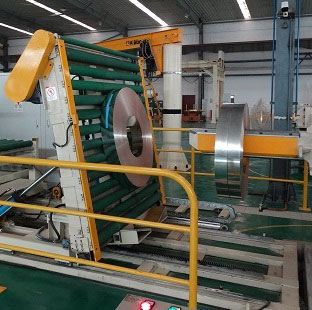
I understand the daily pressures faced by production directors, especially those managing the critical final stages of steel processing. My journey from a factory employee to establishing FHOPEPACK showed me firsthand how much value the right packing solution can add. So, if you are looking to streamline your export operations and see real cost savings, let us explore how advanced coil packing lines make a difference.
How Do Automated Packing Lines Lower Labor Expenses and Boost Output for Exporters?
Do you find it hard to keep young, skilled workers in your packaging area? Are your output targets often missed because manual packing is just too slow? For many steel mills, including those serving the busy export market in the Netherlands, labor challenges and production bottlenecks are a constant headache. These issues translate directly into higher operating costs and missed opportunities.
Automated steel coil packing lines drastically reduce the need for manual labor, cutting down wage costs and the expenses associated with recruitment, training, and workplace injuries. This automation also significantly increases the speed and consistency of the packing process, allowing Netherlands-based exporters to handle higher volumes, meet tight shipping deadlines, and boost their overall production output without adding more staff.
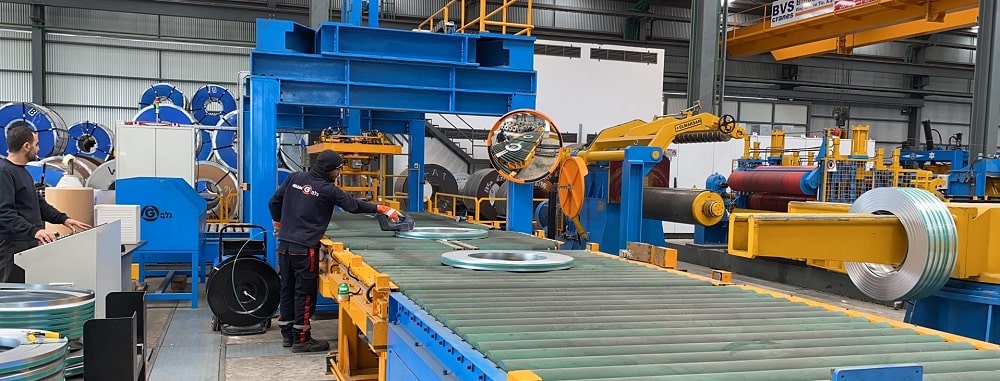
My experience tells me that relying on manual processes for tasks like strapping, wrapping, and handling heavy steel coils is not only inefficient but also costly. I have seen how a lack of automation can quickly lead to bottlenecks in the cold-rolled and slitting workshops. This then slows down the entire export chain. Modern packing lines are designed to run with minimal human intervention. They handle various coil sizes and weights easily. This means fewer people are needed on the floor. It reduces the risk of human error. It speeds up the whole process. For exporters in the Netherlands, located near some of the world’s busiest ports, faster throughput means quicker turnaround times. This improves their competitive edge. It also helps them avoid costly delays in meeting shipping schedules.
-
Reduced Direct Labor Costs:
- Fewer Operators: An automatic packing line can replace multiple manual workers who would otherwise be needed for tasks like applying straps, wrapping film, or handling coils. This means lower monthly wage bills.
- Less Overtime: When the machine handles the workload, there is less need for workers to stay late to meet production targets. This cuts down on expensive overtime pay.
- Streamlined Workforce: Instead of many hands-on workers, you need a few skilled operators to monitor the machines. This allows for a more focused and efficient use of human resources.
- My Story: I remember one client who was struggling with a high turnover rate among young workers in their packing area. The work was hard and repetitive. After installing an automatic strapping and wrapping line, they needed only two people to oversee the entire process. This change not only saved them on wages but also created a safer, more appealing work environment.
-
Increased Production Throughput:
- Faster Cycle Times: Automated machines work much faster and more consistently than humans. They complete each packing cycle in a fraction of the time. This allows you to process more coils per hour or per shift.
- Continuous Operation: Unlike human workers who need breaks, automated systems can run almost continuously, 24/7 if needed, with proper maintenance. This maximizes production time.
- Seamless Integration: A well-designed packing line integrates smoothly with upstream production lines. This prevents bottlenecks and ensures a steady flow of finished products from the mill to the warehouse and then for export.
- Meeting Demand: For companies exporting hundreds of tons of steel daily, like our friend Ivan, increased throughput is vital. It means meeting large orders quickly and reliably. This makes them more attractive to international buyers who value speed and dependability.
-
Minimized Training and Recruitment Expenses:
- Lower Skill Threshold: While some technical skill is needed to manage and maintain the automated line, the repetitive, high-stress tasks are removed. This means less extensive training for new hires focused on packing itself.
- Reduced Turnover Costs: By making the work easier and safer, companies can often improve job satisfaction. This helps retain staff and lowers the frequent costs associated with finding and training new employees.
- Focus on Value: The remaining human staff can be retrained for higher-value tasks, like quality control or equipment maintenance, rather than labor-intensive packing. This shifts their role to one that adds more strategic value to the business.
Can Consistent Packing Quality Reduce Export-Related Damage Claims and Penalties?
Are your customers complaining about scratched, rusty, or loosely packed steel coils? Do you face penalties or even rejected shipments because the packaging failed during long transit routes? For Netherlands-based exporters, ensuring the integrity of steel coils upon arrival is not just a matter of pride; it is a critical business requirement. Poor packaging quality directly translates to significant financial losses and damages your company’s reputation in competitive global markets.
Consistent, high-quality packaging from an automated coil packing line drastically reduces export-related damage claims and costly penalties. These systems apply precise, uniform wrapping and strapping, protecting coils from moisture, rust, and physical damage during handling and long-distance shipping. This ensures products arrive in perfect condition, preventing customer complaints, returns, and contractual fines, which saves exporters a lot of money.

I have seen countless times how inconsistent manual packing can cause big problems. One loose strap or uneven wrap can lead to a damaged coil, and for an exporter, that means a potential loss of thousands of euros. This is why FHOPEPACK focuses on delivering solutions that guarantee stable packaging quality. Automated lines are precise. They apply the right tension every time, whether it is for PET strapping, steel banding, or stretch wrapping. This consistency is vital for coils traveling across oceans or continents. It protects against shifting during transport, moisture ingress, and surface abrasions. For Netherlands-based exporters, whose reputation relies on delivering high-quality goods, this consistent protection is priceless. It prevents the hidden costs of dealing with customer complaints, processing returns, and paying fines for non-compliance with international packaging standards. It builds trust with global clients.
-
Prevention of Physical Damage:
- Uniform Strapping Tension: Automated strapping machines apply consistent and optimal tension to the coils. This ensures the straps hold the coil securely. It prevents unraveling or shifting during transport. Manual strapping often leads to uneven tension, causing straps to loosen.
- Stable Wrapping: Whether it is shrink film or stretch film, automated wrappers apply layers uniformly. This creates a tight, protective barrier around the coil. It prevents scratches, dents, and abrasions that can happen during handling or transit. This is especially important for delicate surfaces like galvanized or color-coated coils.
- Secure Palletization/Stacking: Many automated lines include modules for safe stacking or palletization. This ensures coils are prepared for shipping in a stable configuration. It reduces the risk of falling or damage in the warehouse or during loading.
-
Protection Against Environmental Factors:
- Moisture and Rust Prevention: Automated wrapping systems use specialized films that create an effective barrier against humidity and water. This is crucial for steel coils, which are highly susceptible to rust, especially during long sea voyages or storage in varying climates.
- Dust and Dirt Exclusion: The tight, consistent wrap also keeps out dust, dirt, and other contaminants. This maintains the clean, pristine condition of the coils, which is often a quality requirement for customers.
- Tailored Protection: Automated systems can adapt to different packaging requirements. For example, some coils may need extra anti-corrosion agents or specific film types, which the machine can apply precisely without human error.
-
Compliance with International Standards (CE/ISO):
- Standardized Process: Automated packing lines ensure every coil is packaged to a predefined standard. This means meeting international requirements like CE or ISO certifications for packaging, which are often mandatory for export to certain regions.
- Reduced Non-Compliance Penalties: Failure to meet these standards can result in rejected shipments, hefty fines, and significant delays at customs. Automated systems minimize this risk by consistently adhering to specifications.
- Enhanced Customer Confidence: When clients know their orders are packaged by a reliable, certified automated process, it builds confidence. This reduces their need for extensive quality checks upon arrival. It fosters long-term relationships.
How Do Smart Material Usage and Waste Reduction Impact Exporters’ Bottom Line?
Have you ever looked at your packing material waste and wondered how much money you are literally throwing away? Manual packing methods often lead to excessive film usage, broken straps, and general material inefficiency. For Netherlands-based exporters operating on tight margins, every bit of waste adds up. It inflates your operational costs and makes you less competitive in the global market.
Smart material usage and waste reduction through automated coil packing lines directly improve an exporter’s bottom line by applying the exact amount of strapping and wrapping material needed, every time. This precision minimizes over-usage and reduces damaged material, leading to significant savings on packing material procurement. It also cuts down on disposal costs and contributes to a more sustainable operation, which is increasingly valued by international clients.

My observation in the industry has always been that efficiency goes beyond just speed. It also covers resource management. When I help clients design their packing solutions, one of the key areas we focus on is material optimization. Automated coil packing machines are programmed to use materials with extreme precision. They know exactly how much film is needed for a specific coil diameter or how many straps are required for a certain weight. This eliminates the guesswork and waste often seen in manual operations. Think about it: every meter of excess film or every broken strap costs money. Over hundreds of tons of coils shipped annually, these small wastes accumulate into substantial expenses. For exporters, these savings are crucial. They directly impact the cost of goods sold. They improve profitability. They also align with global demands for more sustainable business practices.
-
Precision Material Application:
- Optimized Film Usage: Automated wrapping machines can be programmed to apply the exact number of film layers and the precise tension needed for each coil type. This avoids excessive film use, which is common with manual wrapping where operators might use more than necessary “just to be safe.”
- Exact Strapping Lengths: Strapping machines cut and apply straps to the precise length required, without excess. This eliminates the waste from manually cut, overly long straps or from straps that are too short and need re-doing.
- Consistent Tension: Maintaining consistent tension with automated systems also reduces material breakage. Loose straps or torn film mean re-packaging, which doubles material usage and adds labor time.
-
Reduced Material Waste and Damage:
- Less Product Damage: When coils are packed correctly the first time, there is less chance of them needing re-packaging due to loose straps or inadequate wrapping. This saves on material that would otherwise be used for repairs or replacements.
- Minimized Scrap: Automated systems are less prone to human errors like dropping a roll of film or bending a coil of strapping. This reduces material scrap and ensures that nearly all purchased material is used effectively.
- Improved Inventory Management: With predictable material usage, companies can better forecast their material needs. This helps avoid over-ordering, which ties up capital, or under-ordering, which can cause production delays.
-
Cost Savings Beyond Material Purchase:
- Lower Disposal Costs: Less waste means less material to dispose of. This can lead to savings on waste management and recycling fees, especially for large-scale operations.
- Environmental Benefits: Reduced material consumption also contributes to a smaller environmental footprint. This is a growing concern for international trade and can enhance an exporter’s brand image, appealing to environmentally conscious clients.
- Increased Efficiency in Supply Chain: By optimizing material use, the entire supply chain becomes more efficient. There is less time spent managing waste, reordering materials due to unforeseen consumption, or dealing with damaged goods. This frees up resources for other critical business functions.
Why is Enhanced Safety and International Compliance Critical for Export Success?
Are you constantly worried about workplace accidents in your packing area, especially with heavy steel coils? Do you struggle to keep up with the ever-changing international packaging standards for your export markets? For Netherlands-based exporters, ensuring both the safety of your workers and compliance with global regulations is not just good practice; it is essential for uninterrupted business operations and sustained market access. Ignoring these areas can lead to severe consequences, from worker injuries to costly legal battles and barred market entry.
Enhanced safety and international compliance are critical for export success because automated coil packing lines significantly reduce manual handling risks, preventing workplace injuries and associated costs. They also ensure packaging meets strict global standards like CE/ISO, avoiding legal penalties, customs delays, and ensuring market access. This dual benefit protects your workforce and guarantees smooth, compliant, and cost-effective export operations for Netherlands-based businesses.
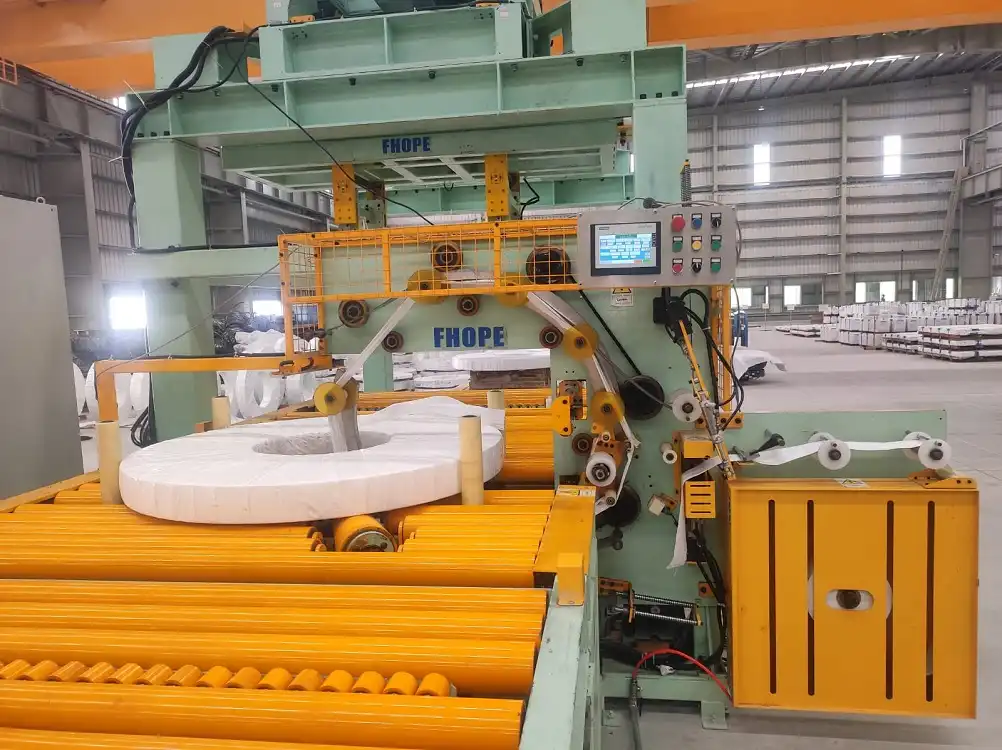
I have always believed that a safe workplace is a productive workplace. My early days in the packing machine industry taught me the dangers of manual handling, especially with large, heavy steel coils. People getting hurt leads to huge costs: medical bills, lost workdays, potential lawsuits, and low morale. Automated packing lines are designed to take the human element out of hazardous tasks like lifting, turning, and securing coils. This makes the work environment much safer. Beyond safety, international compliance is not optional for exporters. Markets in Europe and elsewhere have strict rules for packaging, labeling, and product integrity. An automated system can consistently apply barcodes, special labels, and the right protective layers to meet CE/ISO certifications. This means your products clear customs easily. It also avoids costly rejections or fines. For Netherlands-based exporters, who often serve diverse global markets, this certainty and compliance are invaluable. They allow them to focus on growing their business without constant fear of operational or legal setbacks.
-
Significant Reduction in Workplace Injuries:
- Elimination of Manual Handling: Automated systems handle heavy coils, rotating them, moving them, and applying packing materials. This removes the need for workers to physically lift, turn, or manipulate the coils. This is where most serious injuries occur.
- Reduced Repetitive Strain: Tasks like manual strapping or wrapping involve repetitive motions that can lead to musculoskeletal injuries over time. Automation eliminates these repetitive, high-stress actions.
- Improved Ergonomics: The overall design of automated lines considers worker safety. This minimizes bending, reaching, and other awkward postures, creating a more ergonomic workplace for the few operators present.
- My Story: A few years ago, a client told me how an accident with a falling coil nearly shut down their packing department. It was a wake-up call for them. After installing an automated system, they saw their accident rate drop to almost zero. The peace of mind alone was worth the investment for them.
-
Ensuring Compliance with International Regulations:
- CE/ISO Certification Support: Automated lines can be programmed to follow precise packaging specifications required for CE marking or ISO standards. This includes specific types of materials, wrapping patterns, and labeling. This is critical for exporting to the EU and many other global markets.
- Accurate Labeling and Barcoding: Machines can apply barcodes, shipping labels, and other necessary information accurately and consistently. This is vital for customs clearance, logistics tracking, and inventory management in the destination country. Manual labeling can lead to errors that cause delays.
- Documentation and Traceability: Modern automated systems often come with data logging capabilities. This allows for detailed records of the packing process, including material usage and coil identification. This provides crucial documentation for compliance audits and dispute resolution.
-
Avoiding Costly Penalties and Delays:
- Reduced Fines: Non-compliance with packaging standards can lead to hefty fines from customs authorities or regulatory bodies. Automated systems drastically lower this risk.
- Preventing Shipment Rejection: Incorrectly packaged or labeled goods can be rejected at ports or by the client. This results in costly returns, re-packaging, and re-shipping. Automated packing ensures goods are “right the first time.”
- Maintaining Market Access: For exporters, consistently meeting international standards is a prerequisite for market access. A reputation for non-compliance can lead to difficulties in entering new markets or even being barred from existing ones. This makes compliance a strategic advantage.
Conclusion
Automated steel coil packing lines offer vital cost-cutting advantages for Netherlands-based exporters. They reduce labor needs, ensure consistent quality, minimize material waste, and enhance safety and compliance. Investing in a robust coil packing line means fewer damages, lower operating costs, faster throughput, and stronger market competitiveness. This helps businesses like yours achieve long-term success in the demanding global steel market.








