
Steel Coil Packing Line Luxembourg: What Features Best Fit Plant Renovations?
Are you feeling the pressure to upgrade your steel coil packing operations? Many steel mills face bottlenecks, inconsistent quality, and safety risks from outdated systems. These problems do not just slow you down. They can lead to unhappy customers, costly reworks, and even lost contracts. It is time to think about how a modern packing line can transform your business.
Renovating a steel plant in Luxembourg demands packing line features that ensure high reliability, adaptability to diverse coil types, compliance with strict export standards, and significant improvements in safety and labor efficiency. This means focusing on robust automation, flexible material handling, precise wrapping and strapping, and integrated control systems. These features help you meet today’s market needs.

As a packing machine engineer, I have seen these challenges firsthand. I started FHOPEPACK to help companies like yours find the best customized packing solutions. I know the value of solid engineering and smart design. Let’s look deeper into the specific features that truly make a difference. These are important for a demanding environment like a Luxembourg steel mill undergoing renovations.
How Can We Ensure 24/7 Operational Reliability for Steel Coil Packing Lines?
Does your current packing line constantly break down? Downtime can stop your entire production. This leads to missed deadlines and lost profits. You need a packing system that works non-stop, day in and day out.
Ensuring 24/7 operational reliability requires heavy-duty construction, high-quality components, predictive maintenance capabilities, and intelligent control systems that minimize human intervention and allow for quick diagnostics. These elements work together to keep your line running smoothly.
When I started FHOPEPACK, one of my main goals was to build machines that simply do not quit. I know the demands of a two-shift, 24-hour production environment. This is common in steel mills, even in places like Luxembourg. Reliability begins with how a machine is built. First, the frame must be robust. We use heavy-duty steel to create a strong foundation. This helps the machine withstand the weight and stress of packing steel coils. Second, wear-resistant materials are crucial for parts that move often. These parts handle constant friction and heavy loads. Using good materials here means less wear and tear over time. It also means fewer breakdowns. Third, we use high-quality components from trusted brands. Think of parts like Siemens or Schneider for controls. We use these for motors and sensors too. Cheap parts fail fast. Good parts last a long time. This is a simple rule. My journey taught me that cutting corners on components always costs more in the long run. Lastly, smart control systems are key. Modern packing lines use PLC integration. This lets them monitor performance in real-time. They can also alert operators to potential issues before they become big problems. Some systems even offer remote monitoring. This means technicians can check the machine from afar. This helps them diagnose problems faster and keep the line running. This kind of system helps a production director, like Ivan, keep his operations efficient and avoid costly stoppages.
What Features Allow a Packing Line to Handle Diverse Steel Coil Types and Sizes?
Does your team spend too much time switching between different products? Manual adjustments for varied coil dimensions can be slow. They can also lead to mistakes. Are you struggling to keep up with diverse packing requirements?
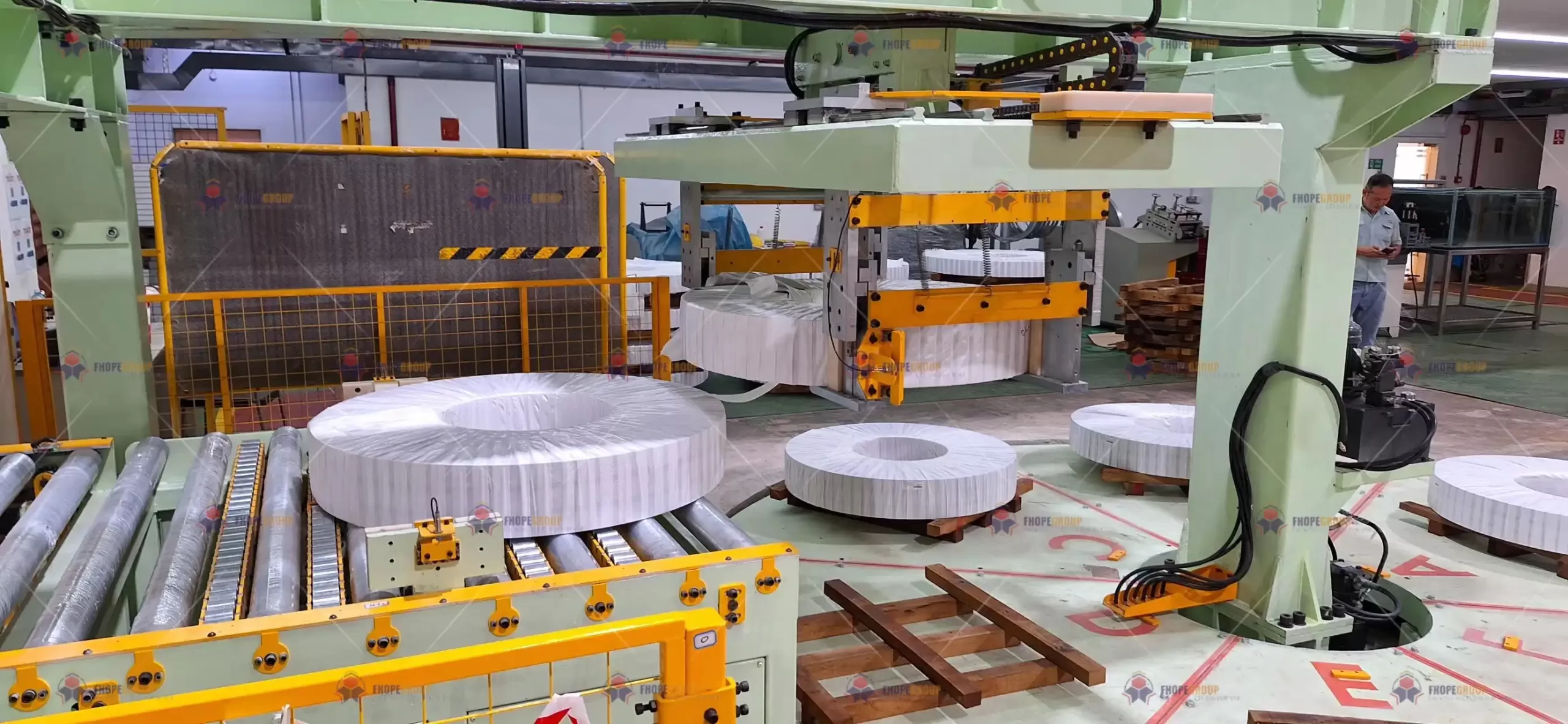
A versatile packing line uses adjustable conveying systems, intelligent coil centering devices, programmable wrapping and strapping heads, and modular design to accommodate different coil diameters, widths, weights, and packaging material requirements. These features make your operation more flexible.
When I talk about diverse steel coil types, I think of Ivan. He deals with cold-rolled, galvanized, and color-coated coils. Each has unique packing needs. My experience has shown me that flexibility is not just a nice-to-have. It is a must-have. First, a modern packing line needs adjustable conveyor and handling systems. These systems can change based on the coil’s size. They use motorized adjustments for inner and outer diameters. They can also handle different weights, from 1 to 3 tons. We design these with V-block or roller conveyors. These prevent damage and ensure smooth movement. Second, automatic coil centering and alignment are vital. This uses vision systems or sensors. They make sure each coil is in the perfect spot before packing starts. This precision reduces errors. It also ensures consistent packaging quality. Third, programmable packaging parameters are a game changer. An operator can quickly change settings using a Human-Machine Interface (HMI). They can switch between PET and steel strapping. They can adjust film tension. They can also set the number of wraps needed. This solves Ivan’s challenge with product diversification. It makes manual switching unnecessary. Fourth, modular tooling and attachments allow for easy swaps. If you need a different strapping head or film dispenser, it is a quick change. This reduces downtime significantly. Finally, integrated data management with recipe management is important. This lets the system store settings for different product types. Operators can recall them at the push of a button. This makes switching between products fast and error-free.
How Do Advanced Packing Features Meet International Export Standards and Customer Demands?
Are you losing export clients because your packaging does not meet strict international standards? Keeping up with CE/ISO certifications or specific client needs can be hard. You need a packaging line that delivers world-class quality every time.
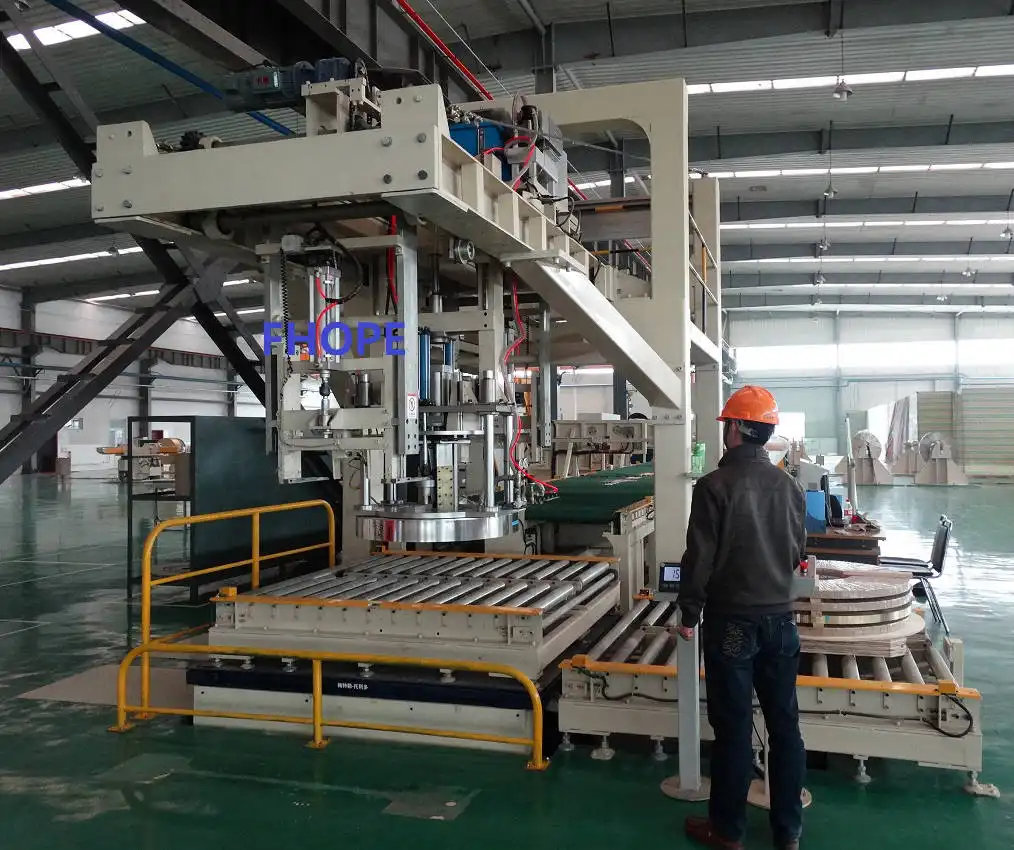
Meeting international export standards requires features like precise tension control for strapping and wrapping, multi-layer moisture barrier application, automatic labeling for traceability, and consistent packaging quality that withstands long-distance transport. These features protect your product and your reputation.
Many of our clients, like Ivan’s steel mill, export their products globally. This means packaging quality is not just about aesthetics. It is about compliance, protection, and customer trust. My personal journey in building FHOPEPACK always focused on quality that meets global needs. First, consistent tension control for both strapping and wrapping is essential. We use servo-driven systems for this. They apply uniform tension. This prevents the strapping or film from loosening during transport. Loose packaging can damage coils. It can also lead to customer complaints. This directly addresses Ivan’s issue of unstable packaging quality. Second, multi-layer packaging options are crucial for protection. We combine PET or steel strapping with shrink wrap or stretch film. This combination provides excellent protection. It guards against rust, moisture, and scratches. It ensures the coil arrives in perfect condition. Third, automatic labeling and barcoding systems are a must. These systems apply QR codes or barcodes to each package. This provides traceability. It also allows for important shipping information to be added. Ivan needs this for his export customers. They often require CE/ISO certified packaging with barcodes. Fourth, integrated quality inspection helps maintain standards. Vision systems can check for wrap integrity. They can also confirm that strapping is in place. This ensures every package leaves the factory meeting your quality benchmarks. Finally, compliance with international standards is built into our designs. This includes CE marking for exports to the EU, which is vital for a Luxembourg plant. ISO certification readiness is also a key part of our solutions.
Can a Modern Packing Line Really Improve Safety and Reduce Labor in a Steel Mill?
Is manual coil handling a dangerous task in your plant? Are your workers facing high risks and burnout from heavy lifting and repetitive work? It is time to think about a safer, more efficient workplace.
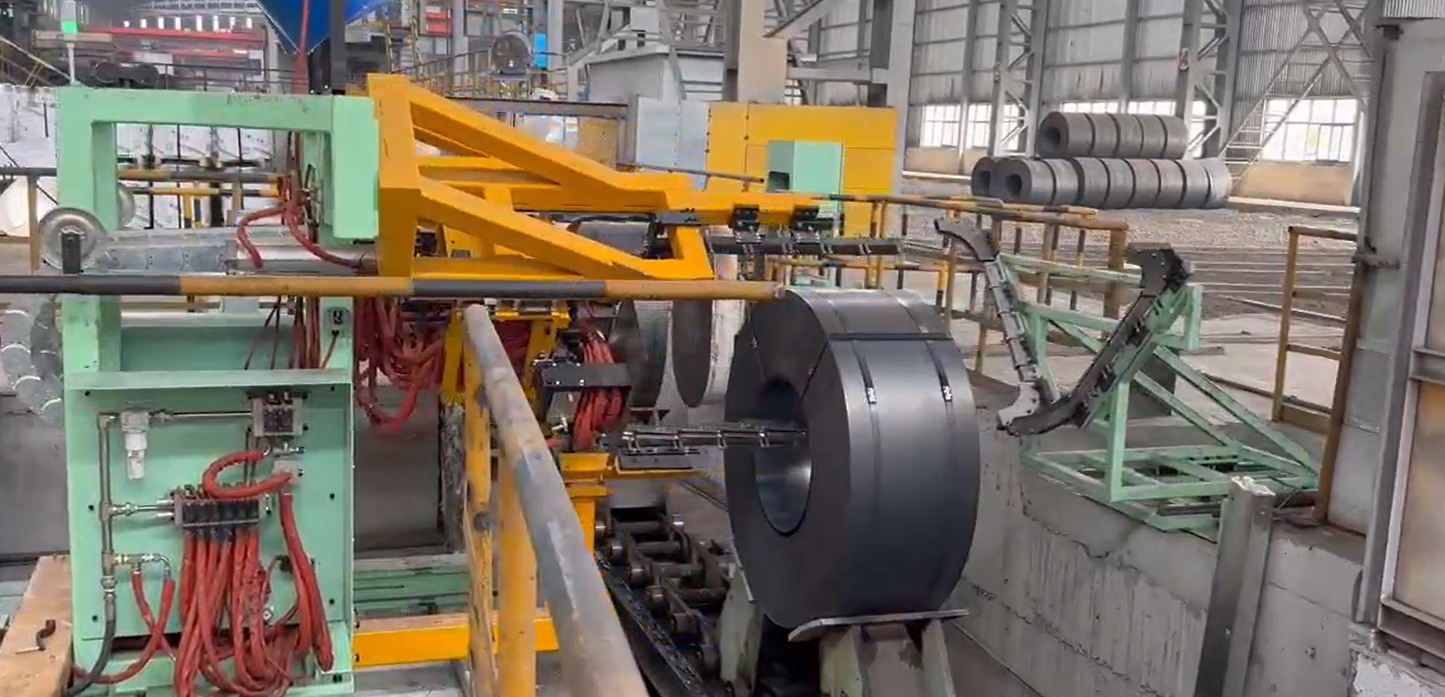
A modern packing line significantly improves safety by replacing manual coil handling and packaging with robotic or automated systems, reducing human interaction with heavy machinery, and it lowers labor dependency through efficient, integrated operations. This creates a safer and more productive environment.
One of the biggest concerns for production directors, like Ivan, is worker safety. High-intensity work environments often lead to young workers leaving. This makes labor shortages a big problem. I have seen this issue many times. My goal with FHOPEPACK has always been to create systems that protect people. First, automated coil handling is key. This includes overhead cranes, coil cars, up-enders, and down-enders. They eliminate the need for manual lifting and flipping of heavy coils. This directly lowers the risk of accidents. It also reduces injuries. This is a critical point for Ivan, who wants to mechanize handling and turning. Second, modern lines reduce human-machine interaction. We achieve this with safety fences, light curtains, and emergency stop buttons. These features prevent workers from getting too close to moving parts. They stop the machine if a person enters a danger zone. Third, while automation is the main goal, any manual workstations should be ergonomic. This design minimizes strain if some manual steps are still needed. Fourth, automated strapping and wrapping replace hazardous manual tasks. Imagine workers struggling to apply straps or wrap heavy coils by hand. This is physically demanding and prone to error. An automatic system does it all. This solves Ivan’s labor shortage problem. It also greatly reduces the physical intensity of the work. Lastly, integrated control and monitoring allow operators to oversee the entire process from a safe distance. They can manage the line without being in harm’s way. This complete system addresses Ivan’s need to ensure safe production and reduce labor intensity.

Conclusion
Upgrading your steel coil packing line in Luxembourg offers many benefits. You gain reliable 24/7 operation, flexibility for diverse products, compliance with export standards, and a safer workplace with less manual labor. This approach lowers costs and boosts your production. Choosing the right partner for your coil packing line is vital for long-term success.








