
Steel Coil Packing Line Luxembourg: How to Compare Technology Options Safely?
Are you a production director in Luxembourg, just like many of my clients, looking at your steel coil packing operations? Do you feel the pressure of rising demands, labor shortages, and the need for flawless, consistent packaging? The challenge of choosing the right automated packing line can feel overwhelming. You know an inefficient packing process leads to delays, customer complaints, and lost revenue. This is a problem many face, but there is a clear path forward.
Comparing technology options for a steel coil packing line safely in Luxembourg means looking beyond just the machine itself. It is about understanding your unique operational needs, rigorously evaluating technical specifications, assessing a supplier’s long-term partnership potential, and always prioritizing the safety and compliance aspects that are critical in today’s market.
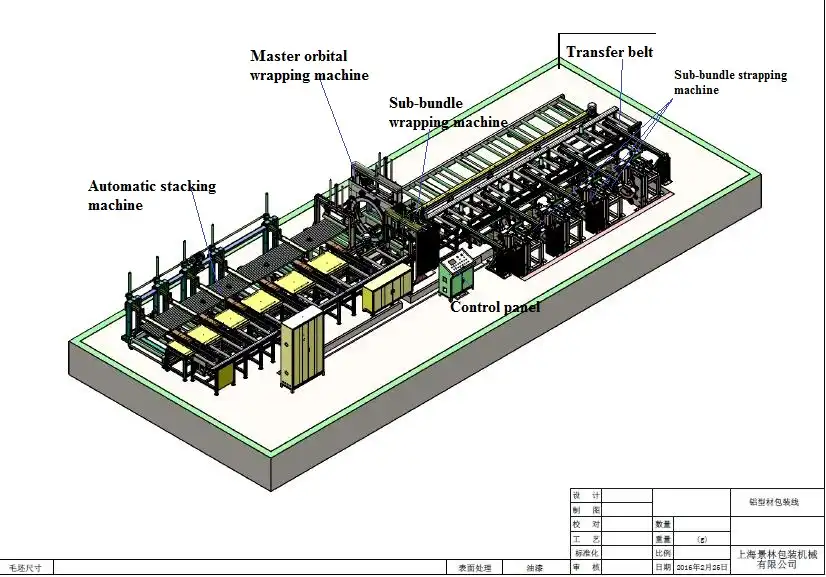
My journey in the packing machine industry, from an employee to founding FHOPEPACK, taught me firsthand that smart decisions at the outset save a lot of headaches later. This guide will help you navigate the complex choices involved in selecting an automated steel coil packing line for your facility in Luxembourg.
Why is choosing the right steel coil packing line so critical for your operations in Luxembourg?
Imagine your cold rolling or slitting line in Luxembourg running perfectly, producing high-quality steel coils. Then, everything slows down at the packing stage. This is a common pain point. Inefficient or unreliable packing does not just bottleneck production; it impacts your entire business. When packing quality is inconsistent, coils can get damaged during transit, leading to unhappy customers and financial penalties.
Choosing the right steel coil packing line is critical for your operations in Luxembourg because it directly influences your operational efficiency, product quality, safety standards, and overall profitability. A poor choice can lead to significant bottlenecks, increased costs, safety risks, and damage to your brand reputation.

From my own experience, I have seen many companies struggle with manual packing. It is physically demanding, prone to error, and hard to scale. A proper automated system transforms these challenges into opportunities. It ensures your products leave your factory in perfect condition, meeting strict customer requirements, whether they are local or international export clients. Investing in the right technology is not just about buying a machine; it is about securing your business’s future in a competitive market like Luxembourg.
Dive Deeper: Understanding the Risks and Rewards
Choosing a packing line is a strategic decision. It goes beyond the initial cost. My goal at FHOPEPACK is to share knowledge that helps you avoid common pitfalls. Here is why this choice is so critical:
-
Operational Bottlenecks & Delivery Delays: Manual packing or an outdated system often cannot keep up with high production volumes. This creates a bottleneck. Coils stack up, waiting to be packed. This directly impacts your shipping schedule. Missed delivery deadlines can lead to unhappy clients. This also might trigger penalty clauses in contracts. For a large steel mill, shipping hundreds of tons daily, even a small delay means huge losses. We want to ensure your finished products move smoothly from your production line to the customer’s site.
-
Reputation & Financial Risks: Unstable packing quality is a big problem. If film tension is uneven or strapping is loose, coils can shift or get damaged during transport. This leads to customer complaints. It can also cause product returns. Such issues damage your company’s reputation. They also incur costs for rework, reshipping, and potentially contract fines. A reliable packing line, on the other hand, ensures consistent, high-quality packaging. This builds trust with your customers and protects your bottom line.
-
High Labor Costs & Safety Issues: Manual coil packing is labor-intensive. It requires a lot of physical strength. This often leads to high employee turnover, especially among younger workers. Finding and retaining skilled labor is a challenge. Beyond costs, manual handling of heavy steel coils is risky. It increases the chance of workplace injuries. Automated systems reduce human intervention significantly. This lowers labor costs. It also makes the workplace much safer. This is a major concern for any responsible production director.
-
Inconsistent Quality & Export Challenges: Different types of steel coils, like cold-rolled, galvanized, or color-coated, have varying packing needs. Manually switching between these different requirements is difficult. It often leads to inconsistent quality. Export customers, especially those in the EU, often demand specific certifications like CE/ISO. They might also require barcodes or strict moisture protection. An automated system can handle these diverse requirements with consistency. It ensures every coil meets the highest international standards. This opens up more opportunities in global markets for companies in Luxembourg.
How do you clearly define your specific packing needs before you even start looking?
Before you even speak to a supplier or look at a brochure, you need to understand your own operation deeply. Many companies make the mistake of buying a machine based on general needs. This often leads to regret. It is like buying a car without knowing if you need it for city driving or off-road adventures. My experience building FHOPEPACK taught me that the best solutions are always customized. This means starting with a clear, detailed picture of your current challenges and future goals.
To define your specific packing needs, you must first conduct a thorough internal assessment of your product range, coil dimensions, daily throughput, desired packing quality, and current labor situation. This deep understanding allows you to articulate precise requirements, ensuring any potential technology solution truly addresses your unique operational context in Luxembourg and aligns with your strategic objectives.
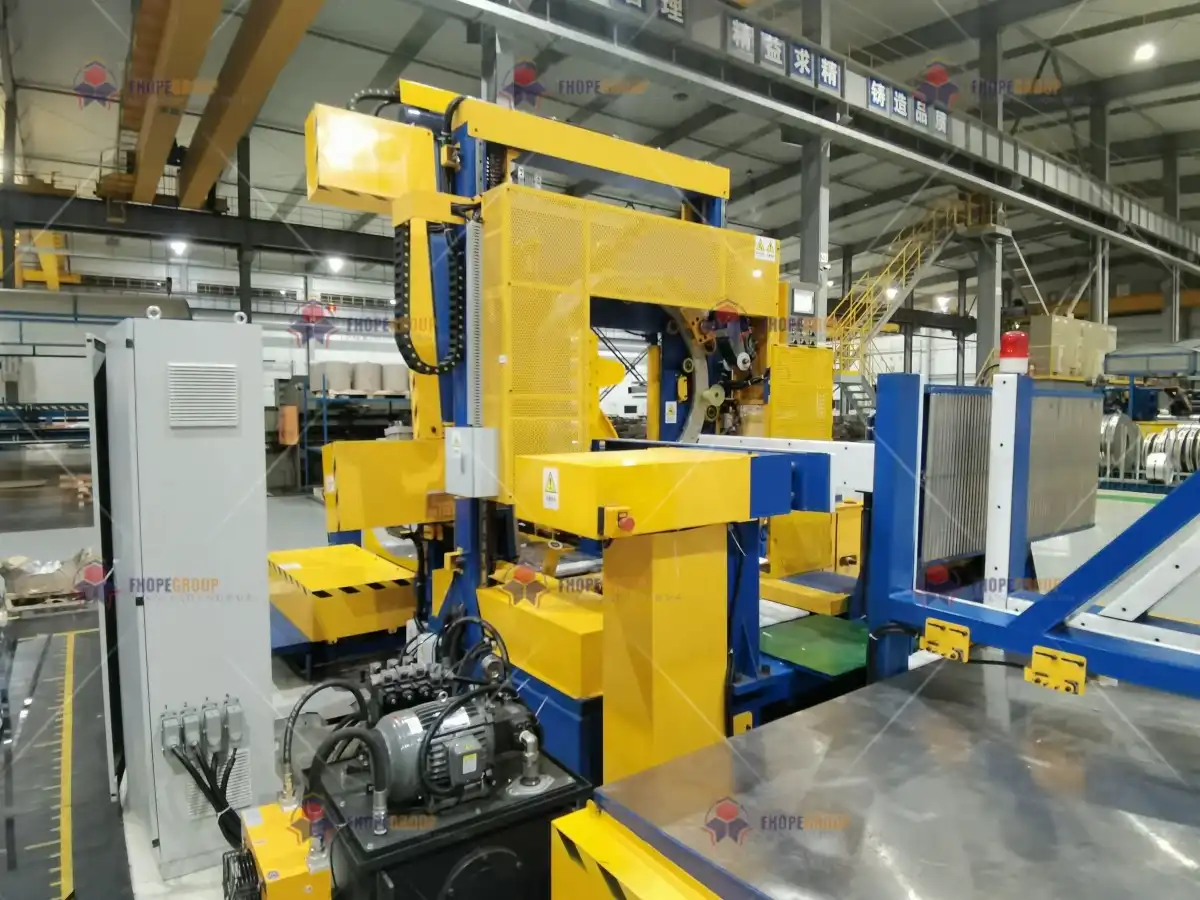
When I meet with clients, I always ask them to walk me through their entire process. This helps me understand what works and, more importantly, what does not. For steel mills in Luxembourg, your needs might be very different from a small fabrication shop. Defining these needs upfront saves time, money, and future headaches. It sets the stage for finding a solution that fits perfectly.
Dive Deeper: Your Internal Needs Assessment Checklist
Defining your needs is the cornerstone of a safe and successful technology comparison. Do not skip this step. It is where you translate your challenges into clear technical requirements.
-
Understand Your Product Range: 📊 You might produce cold-rolled coils, galvanized coils, or even color-coated coils. Each type has specific handling and protection needs. Cold-rolled might need more robust anti-scratch protection. Galvanized coils need superior moisture barriers. Color-coated coils require delicate handling to prevent surface damage. A single machine might not handle all of these effectively without the right design. You need a system that can adapt. Consider if your product mix might change in the future.
-
Analyze Coil Specifications: 📏 What are the weights of your coils? Are they 1 ton, 3 tons, or even more? What are their inner and outer diameters? These dimensions often vary. An ideal packing line must accommodate this variability. It should do so without manual adjustments. Manual changes take time. They also introduce human error. FHOPEPACK specializes in flexible systems that adapt to a wide range of coil sizes automatically. This ensures consistent performance across your diverse product portfolio.
-
Define Packing Standards: 📦 What kind of packing does your product need? Do you use PET or steel strapping? Do you need shrink film, stretch film, or a combination for moisture protection? For export customers, especially in the EU, you might need CE/ISO certified packaging. Barcode labels for tracking are also often required. Your packing solution must meet these exact standards. If you are aiming for higher export volumes, these requirements become even more critical.
-
Calculate Throughput & Operating Hours: ⏱️ How many coils do you need to pack per hour or per day? Does your facility operate 24 hours a day, perhaps two shifts? This dictates the required speed and robustness of the packing line. A machine designed for occasional use will not survive a continuous 24/7 operation. You need equipment built for heavy-duty, non-stop performance. This ensures there are no bottlenecks that slow down your entire production.
-
Assess Your Current Labor Situation: 🧑🏭 Where are your biggest manual bottlenecks? Is it manual strapping? Or is it hand wrapping? Do you struggle with high turnover rates for physically demanding packing jobs? Quantify the labor savings you expect. Look at how an automated system can reduce manual handling. This will improve safety and staff morale. It can also free up your valuable employees for more skilled tasks.
What technical features truly matter when comparing automated coil packing systems?
Once you know your needs, the next step is to evaluate the technology itself. This is where my engineering background comes in handy. It is easy to get lost in specifications. However, some features are truly non-negotiable for a steel mill in Luxembourg. You need a machine that works, works reliably, and works safely. This means looking closely at how the system handles different coils, how consistently it performs, and how well it integrates into your existing setup.
When comparing automated coil packing systems, the most critical technical features include robustness for continuous 24/7 operation, adaptability to varying coil dimensions and weights, superior packing quality for protection against elements, high levels of automation to reduce manual labor and enhance safety, and seamless integration capabilities with your existing production lines.

I have designed and built many machines. I understand what makes a system reliable. It is not just about raw power; it is about precision, durability, and smart engineering. For instance, a system that automatically adjusts to different coil sizes without operator intervention saves immense time and reduces errors. These are the kinds of features that make a real difference in daily operations.
Dive Deeper: Key Technical Specifications for Success
Do not just look at the sales brochure. Dig into these critical technical aspects to ensure you are getting a system that truly meets your demands:
-
Robustness and Continuous Operation (24/7): ⚙️ Steel mills operate continuously, often two shifts a day. Your packing line must match this intensity. Look for heavy-duty construction. Seek out components from reputable global brands. Ask about the mean time between failures (MTBF). Understand the expected lifespan of wear parts. A system that frequently breaks down is more expensive in the long run. It does not matter how cheap it was initially. FHOPEPACK designs machines specifically for demanding industrial environments. They ensure maximum uptime.
-
Flexibility for Varied Coil Sizes: 🔄 Your facility handles coils ranging from 1 to 3 tons. Their inner and outer diameters can change. The packing line needs to adapt to these variations automatically. Manual adjustments waste time. They also require skilled labor. Look for systems with intelligent sensing and auto-adjustment capabilities. This ensures a consistent packing process. It works no matter the coil size. This flexibility is key to managing diverse product portfolios efficiently.
-
Superior Packing Quality & Protection: ✨ The primary goal is to protect your steel coils. This means consistent tension for stretch or shrink film. It also means secure PET or steel strapping. Ask about the tension control system for the wrapping. Inquire about the strapping head’s reliability. Consider features like anti-corrosion VCI paper dispensers or edge protectors. These are crucial for preventing rust, moisture damage, and scratches. They ensure your coils arrive in perfect condition, ready for the customer.
-
High Level of Automation & Safety Features: 🤖 Automation is not just about speed; it is about reducing human interaction. This lowers labor costs. It also significantly improves safety. Look for systems that automate loading, turning, wrapping, strapping, labeling, and stacking. Ask about the safety interlocks. Inquire about emergency stop mechanisms. Ensure there are guards and access control features. Mechanized handling of heavy coils dramatically reduces the risk of accidents. This is a top priority for any plant manager.
-
Integration Capability: 🔗 A packing line is rarely a standalone unit. How well does it integrate with your existing production line? Can it communicate with your warehouse management system (WMS) or enterprise resource planning (ERP) system? Seamless data exchange is vital for tracking, inventory management, and overall operational visibility. Ask about communication protocols. Inquire about software compatibility. A well-integrated system maximizes efficiency across your entire operation.
How can you find a reliable partner who offers more than just a machine?
In my journey, I learned that a machine is only as good as the support behind it. Buying a steel coil packing line is not a one-time transaction. It is the start of a long-term relationship. For a critical piece of equipment in Luxembourg, you need a partner, not just a vendor. This partner should understand your business. They should be there to support you long after the installation is complete.
Finding a reliable partner who offers more than just a machine means looking for a supplier with proven experience in turnkey projects, comprehensive after-sales support including training and spare parts, a strong commitment to customization, and a history of building long-term relationships with clients in demanding industrial sectors like steel manufacturing.
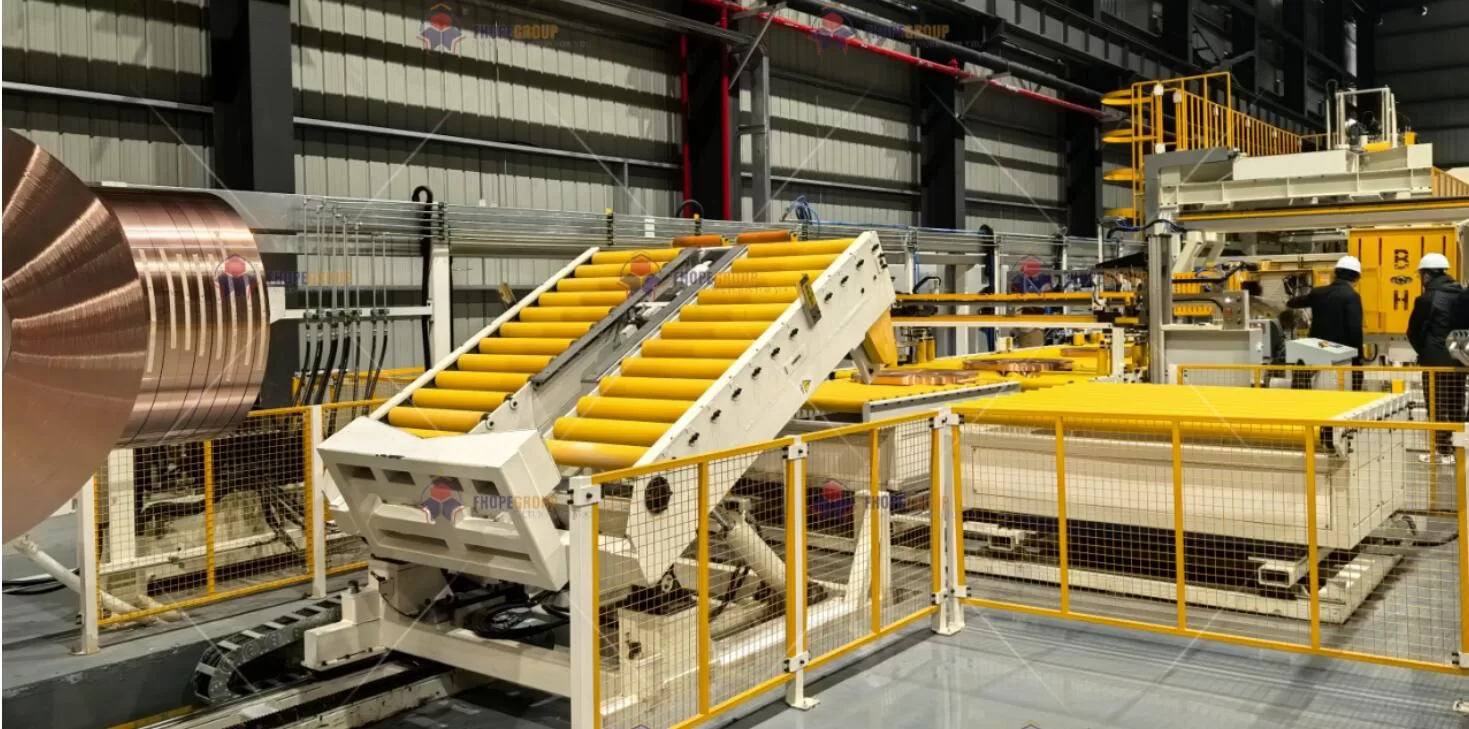
When I founded FHOPEPACK, my vision was to be that partner. I wanted to use my expertise to help clients not just acquire machinery, but truly grow their businesses. This means offering solutions tailored to specific needs, providing thorough training, and ensuring spare parts are always available. Do not just focus on the purchase price. Think about the total cost of ownership and the value of a trusted partnership.
Dive Deeper: Evaluating Your Potential Long-Term Partner
A true partner understands your challenges. They also commit to your success. Here is how to evaluate potential suppliers beyond their product catalog:
-
Look for Turnkey Solution Providers: 🔑 A turnkey provider handles everything. This includes design, manufacturing, installation, commissioning, and integration. This reduces your workload. It also ensures seamless project execution. You have a single point of contact. This minimizes miscommunication. It also accelerates problem-solving. FHOPEPACK excels in delivering complete solutions. We handle complex projects from start to finish. This gives you peace of mind.
-
Prioritize Comprehensive After-Sales Support: 🛠️ What happens if your machine breaks down? Fast response times are crucial. Ask about their service network. Inquire about spare parts availability. Do they offer local support or quick dispatch of technicians to Luxembourg? Downtime is costly. A partner with robust after-sales support minimizes it. This ensures your operations remain continuous. They should have a clear service level agreement (SLA).
-
Evaluate Training Programs: 🧑🏫 Your team needs to operate and maintain the new system effectively. Does the supplier offer comprehensive training? This should be for your operators and maintenance staff. This training should cover daily operation, troubleshooting, and preventive maintenance. Well-trained staff maximize machine efficiency. They also extend its lifespan. This investment in your people is as important as the investment in the machine.
-
Check for Industry Experience & References: 🏅 Has the supplier successfully implemented solutions for steel mills similar to yours? Can they provide references from other clients in Europe or even Luxembourg? Speaking to existing customers provides valuable insights. You learn about their experience with the equipment and the supplier’s support. FHOPEPACK has a strong track record. We have helped many clients in the heavy industry grow their businesses.
-
Assess Customization Capability: 💡 Every steel mill has unique layouts, product mixes, and operational challenges. Can the supplier truly customize a solution for you? Or do they just offer off-the-shelf machines? A partner who listens to your specific needs is valuable. They can adapt their technology to your existing infrastructure. This ensures the best fit and maximum efficiency. My mission at FHOPEPACK is to provide the best customized packing solution per requirement.
Why must safety and compliance be at the forefront of your technology choice?
Safety is not just a regulatory checkbox; it is a fundamental responsibility. Especially when dealing with heavy steel coils, the risk of accidents is significant. In Europe, and specifically in Luxembourg, strict CE and ISO certifications are mandatory for machinery. Choosing a packing line that prioritizes safety protects your workforce and your company from legal liabilities.
Safety and compliance must be at the forefront of your technology choice because they are non-negotiable for protecting your workforce, ensuring regulatory adherence in Luxembourg and the EU, minimizing operational risks, and maintaining your company’s reputation. An automated system should actively reduce human interaction with heavy, moving parts, integrate critical safety features, and meet all relevant international standards.
When I started as an engineer, I saw firsthand the dangers of manual handling. This experience shaped my commitment to building safer machines at FHOPEPACK. Modern packing lines are designed to remove workers from hazardous areas. They incorporate advanced safety features. This focus on safety is integral to delivering a high-quality, reliable solution. It also contributes to a positive work environment for your team.
Dive Deeper: Non-Negotiable Safety and Compliance Features
A safe packing line is a reliable packing line. It prevents costly accidents and ensures uninterrupted operation. Here is what to prioritize:
-
Protecting Your Workforce: 🛡️ Automated systems significantly reduce the need for human intervention. This is especially true in areas where heavy coils are handled or moved. Look for features like automated loading, centering, and unloading. These remove workers from direct contact with moving machinery and heavy loads. This greatly reduces the risk of crush injuries or other accidents. Safety is always paramount in any industrial setting.
-
Meeting International Safety Standards (CE/ISO): 🌍 For equipment installed in Luxembourg, CE marking is a legal requirement. This shows compliance with EU health, safety, and environmental protection standards. ISO certifications, especially for quality management, also demonstrate a supplier’s commitment to excellence. Ensure your chosen packing line comes with all necessary certifications. This protects your business from regulatory issues. It also ensures your products meet global market demands.
-
Ergonomics and Workload Reduction: Even with automation, some human interaction remains. Consider the ergonomics of the control panel. Look at ease of maintenance access. An intelligently designed system reduces physical strain on operators. It makes their work easier and more comfortable. This contributes to better productivity. It also lowers the risk of repetitive strain injuries. This directly addresses the challenge of high-intensity work environments and worker retention.
-
System Redundancy and Emergency Protocols: 🚨 A safe system has multiple layers of protection. This includes redundant safety sensors. It also has clearly marked emergency stop buttons. These buttons should be easily accessible throughout the packing line. Look for fault detection systems that can automatically halt operations if an issue occurs. Clear emergency procedures and easily understood visual and audible alarms are also vital. This ensures a quick and safe response to any unexpected events.
-
Long-Term Operational Integrity: ✅ A system built with safety in mind tends to be more robust. It is also more reliable in the long run. Less risk of accidents means less downtime for investigations or repairs. This contributes to higher overall equipment effectiveness (OEE). It ultimately results in lower operational costs. Investing in safety is not an expense; it is an investment in your company’s long-term stability and success.
Conclusion
Choosing a steel coil packing line for your Luxembourg operations requires careful thought. By clearly defining your needs, evaluating technical features, securing a strong partnership, and prioritizing safety, you make a safe, smart investment. This ensures operational efficiency, protects your product quality, and keeps your workforce safe. A well-chosen coil packing line will drive your business forward.








