
Steel Coil Packing Line in Poland: What Features Improve Worker Safety?
Have you ever walked through a steel mill packing area? The sheer scale, the heavy machinery, the colossal steel coils – it is truly impressive. But beneath that power lies a serious question: Are the people making it all happen truly safe? I have spent decades in this industry. I have seen the risks firsthand. And I know that worker safety is not just a moral duty; it is vital for any successful operation. Ignoring it leads to accidents, delays, and huge costs.
Modern steel coil packing lines in places like Poland use several key features to greatly improve worker safety. These include fully automated coil handling systems that remove manual lifting, integrated automatic strapping and wrapping machines that reduce human interaction with heavy coils, advanced sensor technologies for collision avoidance, and comprehensive system design that prioritizes ergonomic workstations and emergency stop functions. These elements work together to create a safer environment, minimize physical strain, and protect personnel from potential hazards during the packing process.
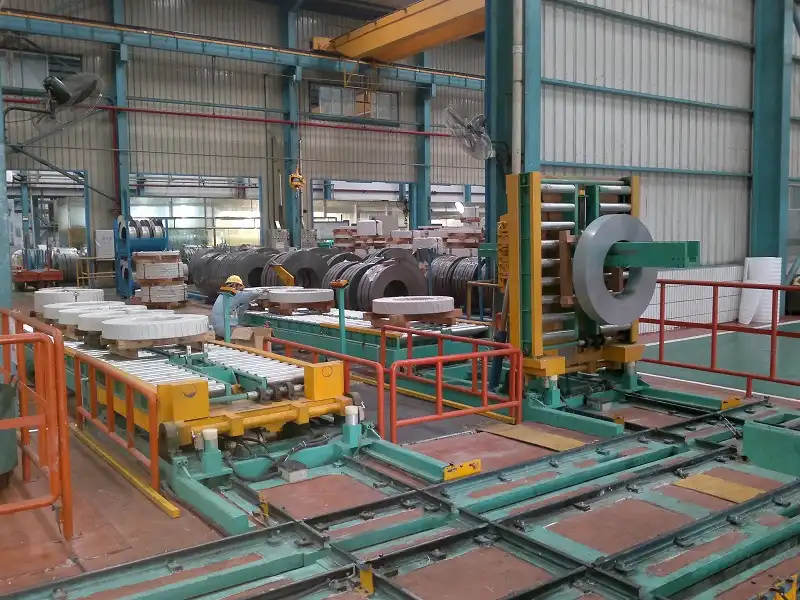
As a passionate engineer, I built FHOPEPACK because I believe in sharing knowledge that truly helps. We need to look deeper into these safety features. We need to understand how they transform a hazardous environment into a secure and productive workplace. Let us explore what makes modern packing lines so much safer.
What Risks Do Workers Face in Traditional Steel Coil Packing?
Do you ever wonder why some steel mills struggle with worker turnover? Or why production sometimes grinds to a halt? Often, the answer lies in the packing area, specifically with the inherent risks of traditional, manual methods. The problem is clear: heavy lifting, repetitive tasks, and working near massive, unstable coils create a dangerous environment. These issues affect both people and profits.
In traditional steel coil packing, workers face significant risks including crushed limbs from coil movement, strains and sprains from manual lifting and strapping, lacerations from sharp coil edges or metal bands, and potential falls when working on or around unstable loads. Manual operations also lead to high fatigue, increasing the chance of human error and accidents. These dangers can result in serious injuries, lost work time, and higher operational costs.
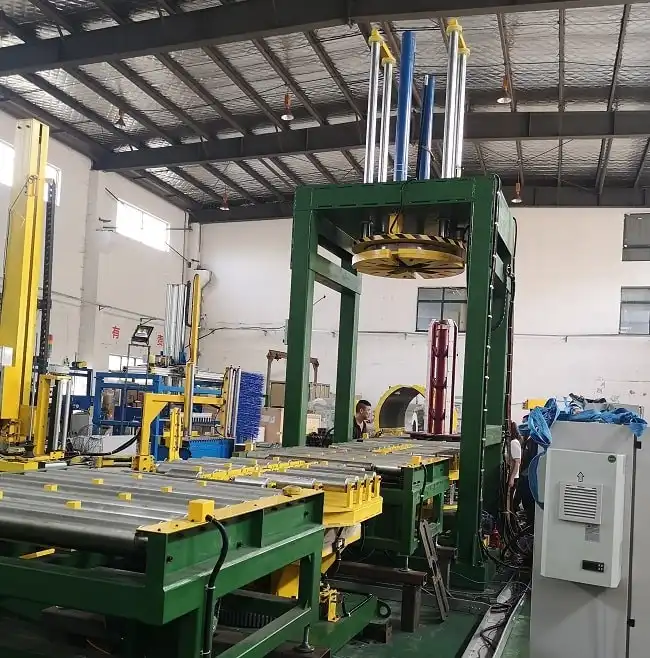
When I first started in this industry, I saw many situations that could have ended badly. People were using chains, slings, and their own strength to move coils that weighed tons. It was incredibly risky. This experience taught me that safety is not an afterthought; it must be built into the system. Let us dive into the specific dangers workers faced and still face in less automated setups.
-
Manual Handling of Heavy Coils
- ❌ Crushing Hazards: Workers manually guiding crane hooks or using forklifts are at constant risk. A swinging coil, a dropped load, or a coil shifting on a pallet can lead to severe crushing injuries. I remember one time, a small miscalculation almost led to a major incident with a coil weighing over two tons. It was a stark reminder of the forces involved. Without precise mechanical control, human lives are always in danger.
- ❌ Ergonomic Strain: Moving and positioning coils, even with assistance, requires significant physical effort. Workers can suffer from chronic back pain, shoulder injuries, and repetitive strain injuries over time. This reduces their quality of life and leads to higher medical costs for the company. It also contributes to the high turnover rate we see in many factories.
- ❌ Unstable Loads: Manually stacked or poorly secured coils can become unstable. If a coil rolls or topples, it can cause a domino effect, injuring anyone nearby. This is a common problem in busy packing areas where speed often overrides caution.
-
Manual Strapping and Wrapping
- ❌ Lacerations and Puncture Wounds: Handling sharp steel bands or cutting stretch film manually exposes workers to cuts and punctures. The tension in strapping also poses a risk; if it snaps, it can lash out with dangerous force. I have seen workers get nasty cuts just from handling the materials.
- ❌ Exposure to Moving Parts: When workers manually operate strapping tools or walk around a coil to apply film, they are close to moving parts of the coil or tools. This increases the risk of getting caught in machinery. The environment is dynamic and unforgiving.
- ❌ Slippery Surfaces: In packaging areas, oil residue or debris can make floors slippery. Workers moving around coils to perform manual tasks are more likely to slip and fall, especially when carrying equipment or focusing on the task at hand.
-
Limited Visibility and Congestion
- ❌ Blind Spots: Large coils create blind spots for forklift operators and crane operators. Workers on the ground may not be seen, leading to collision risks. This is especially true in older layouts where space is tight and machines are not integrated.
- ❌ Confined Spaces: Manual packing often requires workers to enter tighter spaces to complete tasks, increasing the risk of being pinned or struck by moving equipment or coils. This congestion slows down operations and increases stress for everyone involved.
- ❌ Noise and Communication: High noise levels in a packing area can hinder clear communication between workers and machine operators, leading to misunderstandings and potentially dangerous situations.
These risks are not just theoretical; they are daily realities for many. This is exactly why FHOPEPACK focuses on comprehensive, automated solutions. We want to eliminate these dangers.
How Do Automated Coil Handling Systems Boost Safety?
Are you still relying on manual methods to move heavy steel coils? If so, you are not just risking efficiency; you are putting your workers in harm’s way every single day. The critical question for any production director in Poland, or anywhere else, is: How can we move these massive coils without direct human interaction? The answer lies in fully automated coil handling systems. They are a game-changer for safety.
Automated coil handling systems significantly boost worker safety by removing the need for manual lifting, guiding, or positioning of heavy steel coils. Features like automatic coil cars, walking beam systems, and robotic manipulators take over these hazardous tasks. This eliminates crushing risks, reduces ergonomic strain, and prevents injuries from unstable loads, making the entire packing area much safer for personnel.
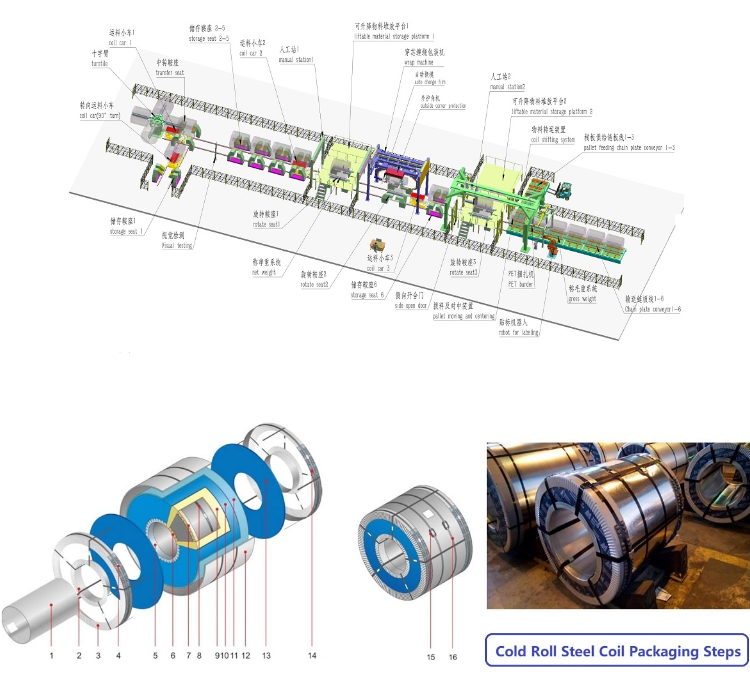
At FHOPEPACK, we have seen firsthand the transformation these systems bring. When I was building my factory, I knew we had to invest in automation. It was not just about speed; it was fundamentally about protecting our team. This commitment has helped many clients, like those in Poland, improve their safety records. Let us look at the specific ways these systems achieve this.
-
Elimination of Manual Interaction with Coils
- 🏗️ Automated Coil Cars and Conveyors: These systems transport coils from one station to the next without human intervention. Workers do not need to be near moving coils or overhead cranes during transfer. This removes the primary source of crushing and impact injuries. The coils move predictably on a defined path, reducing unexpected movements. I have seen how this predictability makes a huge difference in worker confidence and overall safety.
- 🔄 Automatic Up-Ender/Down-Ender: This equipment safely changes the orientation of coils (e.g., from eye-to-sky to eye-to-wall) using hydraulic or mechanical mechanisms. Workers do not need to use chains, slings, or forklifts for this task, which are all high-risk activities. This is especially important for variable coil diameters and weights, from 1 to 3 tons, as it ensures stability regardless of size.
- 🤖 Robotic Manipulators for Palletizing: In some advanced lines, robots can pick and place coils onto pallets or stacking areas. This completely removes humans from the hazardous zone of heavy lifting and precision placement, which minimizes fatigue and potential accidents.
-
Enhanced Control and Precision
- ⚙️ PLC Control Systems: Modern automated systems are managed by Programmable Logic Controllers (PLCs). These provide precise control over coil movement, speed, and positioning. This means coils are moved smoothly and accurately, reducing jerky motions that could lead to instability or collisions. This level of precision is impossible with manual control.
- 🚨 Integrated Safety Sensors and Interlocks: Photoelectric sensors, laser scanners, and pressure mats detect the presence of personnel or obstructions. If a worker enters a designated safety zone, the system automatically stops or slows down. Interlocks prevent machinery from operating if safety gates are open or if a coil is not correctly positioned. This active safety monitoring is a cornerstone of modern industrial safety standards, including those required by CE/ISO for export customers.
-
Reduced Ergonomic Strain and Repetitive Motion
- 💪 Minimizing Physical Exertion: By automating the most physically demanding tasks like lifting, shifting, and turning coils, automated handling systems drastically reduce the physical burden on workers. This prevents muscle strains, sprains, and long-term musculoskeletal disorders. It also addresses the labor shortage challenge by making the job less physically intensive and more attractive to a wider range of workers.
- 🧘 Improved Workstation Design: Workers can focus on monitoring the automated process from a safe, comfortable control room or station. This ergonomic design reduces fatigue and improves concentration, further contributing to overall safety. This aligns with FHOPEPACK’s mission to provide solutions that are not just efficient but also human-centric.
Automated coil handling is fundamental. It is the backbone of a safe packing line. Without it, you are constantly fighting against gravity and human limitations.
What Role Do Integrated Wrapping and Strapping Technologies Play in Preventing Injuries?
Think about the sheer force involved in strapping a two-ton steel coil. Or the repetitive motion of manually wrapping it to protect against moisture. These tasks, vital for product integrity, are also major sources of worker injury in traditional settings. The question is, how do we get perfect packaging quality without putting our team at risk? The answer lies in integrated, automated wrapping and strapping technologies.
Integrated wrapping and strapping technologies prevent worker injuries by automating hazardous manual tasks, such as applying steel or PET straps and stretch film, thereby eliminating direct human interaction with moving coils, sharp materials, and high-tension forces. These systems use robotic arms, automatic applicators, and tensioning devices, reducing the risk of cuts, crushing, strains, and accidents from snapping bands or uneven loads.
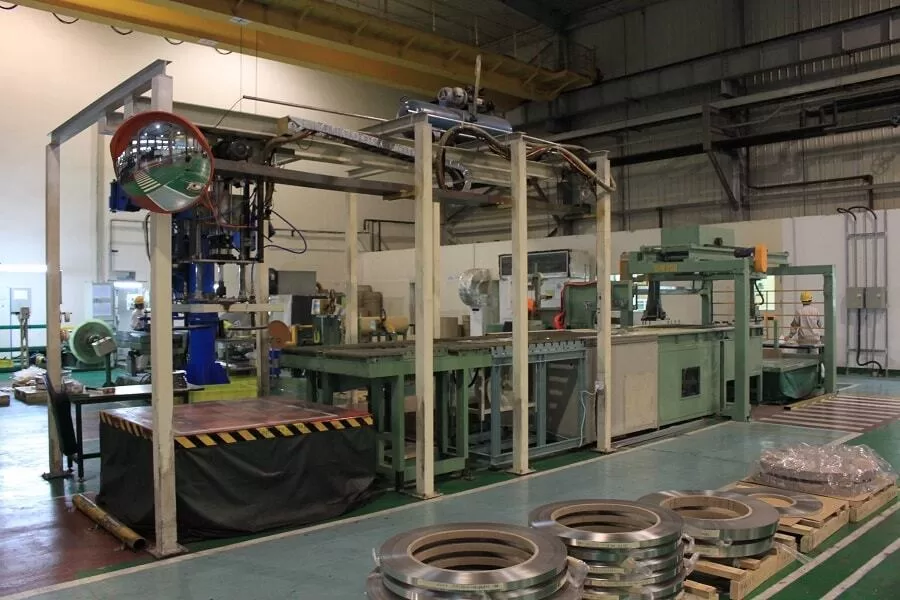
I have always believed that packaging should protect the product and the people. When I started my own factory, I pushed for the best in automation because I wanted my team to go home safe every day. This commitment is at the heart of FHOPEPACK. We help clients in Poland and around the world meet demanding export standards while prioritizing their employees’ well-being. Let us dive into how these technologies achieve such critical safety improvements.
-
Automatic Strapping Machines
- 🔗 No Manual Strap Handling: Workers do not need to manually feed, tension, or cut steel or PET strapping. Automatic strapping heads perform these actions precisely and consistently. This completely removes the risk of lacerations, pinches, or injuries from high-tension strap snap-backs. I’ve heard too many stories of severe cuts from manual strapping. Automation makes these stories a thing of the past.
- 💪 Consistent Tension and Secure Loads: Automated strapping applies uniform tension across all straps. This ensures the coil is securely bundled, preventing shifting during transport. A loose coil is a dangerous coil. Stable packaging directly translates to safer handling for warehouse staff and transport personnel. This also helps meet CE/ISO certification requirements for secure packaging.
- 🚫 Reduced Proximity to Coils: The strapping heads move around the coil autonomously. Workers can operate the machine from a safe distance, often via a control panel, without needing to be in the immediate vicinity of the heavy, moving coil. This reduces the risk of impact or crushing injuries from unexpected coil movements.
-
Automatic Wrapping Machines
- 🌀 Elimination of Manual Film Application: Automatic stretch wrappers or shrink wrappers apply film around the coil without workers needing to walk around the coil. This prevents slips, falls, and contact with the rotating coil. Manual wrapping is physically demanding and poses a constant risk of entanglement.
- 💧 Superior Moisture and Rust Protection: Automated wrapping ensures consistent film overlap and tension, creating a uniform, tight barrier against moisture and dust. This reduces the need for workers to re-wrap or manually fix poor packaging, which can expose them to further risks. High-quality, consistent wrapping is crucial for cold-rolled, galvanized, and color-coated coils.
- 🌡️ Temperature-Controlled Shrink Wrapping (Optional): For specific requirements, automated shrink wrap systems can provide an even tighter, more robust barrier. These systems are enclosed, protecting workers from the heat required for shrinking. This precision is difficult and dangerous to achieve manually.
-
Integrated Labeling and Marking Systems
- 🏷️ Automatic Label Application: After packaging, automatic labelers apply barcodes or identification labels without manual intervention. This removes another source of repetitive motion injury and ensures labels are placed accurately and consistently, crucial for tracking and inventory management. This is important for export clients who need clear, robust identification.
- 📊 Data Integration: These systems can connect with the factory’s production management system. This reduces manual data entry errors which can lead to misidentified coils and subsequent handling mistakes. Accurate data improves overall safety by ensuring the right coil goes to the right place.
These integrated technologies do more than just pack products. They are a shield, protecting the most valuable asset in any factory: its people. They help factories overcome challenges like inconsistent quality and demanding customer requirements, all while making the workplace safer.
Beyond Machines: What Management and Design Practices Also Ensure a Safer Packing Environment?
You have invested in state-of-the-art automated machines. That is a great start. But true safety goes beyond just the hardware. As a production director in Poland, or anywhere, you know that a packing line is a system. It includes people, processes, and the physical layout. The question then becomes: What management and design practices ensure that even with the best machines, your packing environment remains consistently safe for everyone?
Beyond automated machines, a truly safe steel coil packing environment relies on robust management practices and thoughtful design. This includes rigorous operator training, clear safety protocols, regular maintenance schedules, ergonomic workstation design, well-defined safety zones, and a culture that prioritizes continuous safety improvement. These practices ensure that the technology is used effectively, human error is minimized, and potential hazards are proactively addressed, creating a comprehensive safety net for workers.

From my extensive journey in the packing machine industry, I have learned that even the most advanced technology needs the right human touch to deliver its full potential. FHOPEPACK is not just about selling machines; it is about providing a full solution. This means looking at the bigger picture of safety, from the factory floor to the management office. This holistic view helps clients achieve their goals for safety, efficiency, and compliance, especially for demanding export markets. Let us explore these vital practices.
-
Comprehensive Operator Training and Certification
- 👨🏫 Skills and Awareness: Even automated lines need skilled operators. Training must cover not just how to operate the machines, but also how to recognize potential hazards, understand safety interlocks, and perform emergency shutdowns. This includes specific training for different coil types (cold-rolled, galvanized, color-coated) and their handling nuances. At FHOPEPACK, we emphasize this crucial step as part of our turnkey solutions.
- ✅ Certification and Refresher Courses: Regular certification ensures operators stay up-to-date with best practices and new safety features. Refresher courses help reinforce knowledge and address any emerging safety concerns or procedural changes. This proactive approach minimizes human error, a leading cause of industrial accidents.
-
Robust Safety Protocols and Procedures
- 📄 Clear Standard Operating Procedures (SOPs): Every task, from loading a coil to changing strapping material, should have a clear, documented SOP that includes safety steps. This ensures consistency and reduces ambiguity. These procedures must align with international safety standards, like CE/ISO, important for our Polish clients involved in export.
- ⛔ Lockout/Tagout (LOTO) Procedures: For maintenance or clearing jams, strict LOTO procedures are essential. This ensures that machinery is de-energized and cannot be accidentally restarted while workers are inside safety zones. This is critical for preventing serious injuries during non-operational tasks.
- 🚨 Emergency Response Plans: Having clear plans for emergencies, including evacuation routes, first aid, and communication protocols, prepares the team for the unexpected. Regular drills ensure everyone knows their role when seconds count.
-
Thoughtful Layout and Ergonomic Design
- 🗺️ Defined Safety Zones: The packing area must have clearly marked walkways, exclusion zones around moving machinery, and controlled access points. This separation of personnel from hazards is fundamental. Physical barriers, light curtains, and safety fences should reinforce these zones.
- 💺 Ergonomic Workstations: Control rooms or monitoring stations should be designed for comfort and ease of access. Adjustable chairs, well-placed screens, and intuitive controls reduce operator fatigue and improve their ability to monitor the line effectively. This also makes the job more attractive, helping with labor retention.
- 💡 Adequate Lighting and Ventilation: A well-lit and well-ventilated workspace reduces eye strain, improves visibility of potential hazards, and creates a more comfortable environment, which indirectly contributes to safety by keeping workers alert.
-
Proactive Maintenance and Continuous Improvement
- 🛠️ Regular Preventive Maintenance: Machines wear out. Regular inspections, lubrication, and replacement of worn parts prevent unexpected breakdowns that can create hazardous situations. A well-maintained machine is a safe machine. This proactive approach helps reduce comprehensive costs by minimizing downtime and major repairs.
- 📈 Safety Audits and Feedback Loops: Conducting regular safety audits helps identify potential issues before they become accidents. Encouraging workers to report near-misses and suggest improvements fosters a strong safety culture. The best ideas for safety often come from those on the factory floor.
- 🌍 Commitment to Standards: Adhering to international safety standards (like CE for European markets) is not just about compliance; it is about adopting best practices that have been proven to enhance safety. This helps to secure long-term partnerships with clients who demand the highest standards.
Implementing these practices transforms a collection of machines into a truly safe, high-performing system. It shows a commitment to people that goes far beyond just meeting the minimum requirements. At FHOPEPACK, we partner with you to build this complete picture of safety and efficiency.
Conclusion
Worker safety in steel coil packing is not an option; it is essential. Modern automated features, like advanced handling systems, integrated wrapping, and automated strapping, dramatically reduce the risks associated with heavy coils and manual tasks. When combined with strong management practices, robust training, and smart facility design, these elements create a comprehensive safety net. Investing in a coil packing line not only protects your team but also drives efficiency and quality, ensuring a sustainable future for your operations.








