
Steel Coil Packing Line in Netherlands: Is Retrofit the Right Modernization Path?
Have you ever faced a bottleneck right at the end of your production line? For many steel mills, especially in places like the Netherlands, the packing stage can become a major headache. Old, inefficient packing systems lead to delays, higher labor costs, and sometimes, even damaged products. This does not just hurt your bottom line; it can also harm your reputation with clients.
For steel coil packing lines in the Netherlands, retrofit can be a viable modernization path. It allows facilities to upgrade specific components of their existing system to improve efficiency, safety, and packing quality without a complete overhaul. This approach often proves more cost-effective and less disruptive than installing an entirely new line.

Modernizing your steel coil packing line is not just about getting new machines. It is about making smart choices that support your business goals. As someone who started from the factory floor and built FHOPEPACK, I have seen first-hand how the right packing solution can change everything. Let’s explore if retrofitting is the best way forward for your operations.
Why Are Netherlands Steel Mills Looking at Packing Line Upgrades?
Imagine managing hundreds of tons of steel coils every day. You need to pack them perfectly, quickly, and safely. But what if your current system cannot keep up? This is a common problem. Old machines break down often. They need a lot of manual work. This slows everything down. It also makes your costs go up.
Steel mills in the Netherlands are actively looking at packing line upgrades because they face increasing pressure to improve operational efficiency, reduce labor dependency, ensure consistent high-quality packing, and meet strict international export standards. Their older systems often cannot handle the diverse product range and high throughput demands of today’s market.
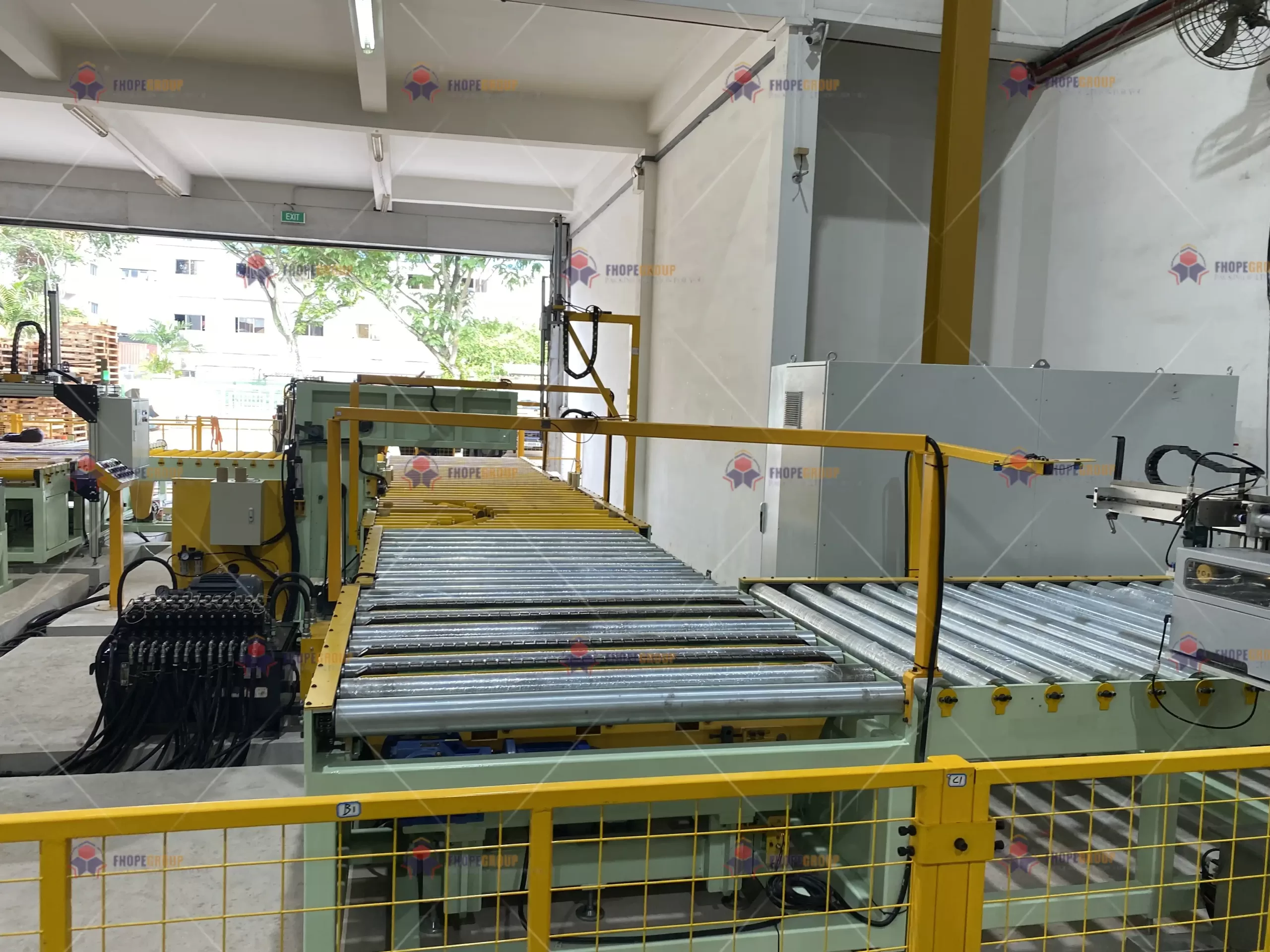
When I visit different factories, I hear similar stories. Managers talk about young workers not wanting high-stress manual jobs. They worry about inconsistent packing quality leading to customer complaints. This is true for many places, including the Netherlands. They need solutions that work. They need systems that can handle many types of coils. They need packing that protects against rust, moisture, and scratches. Most importantly, they need systems that are safe for their workers. These challenges push them to look for better ways.
1. The Growing Problem of Manual Labor and Safety 👷♀️
Many older packing lines rely heavily on manual labor. Workers manually strap coils, apply protective film, and often handle heavy objects. This creates many problems. First, it is slow. Human hands simply cannot match the speed of a machine. Second, it is dangerous. Lifting and moving heavy steel coils can cause serious accidents. Workers can get injured. This leads to higher insurance costs and lost workdays. Third, it is hard to find people willing to do this tough work. Younger generations prefer jobs that are less physically demanding. This means a constant shortage of skilled labor. A modernized line, even one that is retrofitted, can greatly reduce these risks. It moves the human element away from the most dangerous parts of the process. This keeps workers safe. It also makes the whole operation more reliable.
2. Meeting High Customer Demands and Export Standards 🌍
Today’s customers expect perfect packaging. They do not want damaged coils. They need specific packaging types. This includes PET or steel strapping. It also includes anti-moisture wrapping. Some even need automatic labeling with barcodes. For mills in the Netherlands, especially those exporting steel, these demands are even stricter. They often need packaging that meets CE or ISO certifications. Old manual systems struggle to keep this consistency. The film tension might not be even. The strapping might not be tight enough. This leads to coils shifting during transport. It can cause damage. This results in customer complaints, returns, and even contract penalties. A modern packing line ensures every coil is packed to the same high standard. This builds customer trust. It also opens up new markets for the business.
3. The Need for Adaptability and Efficiency with Diverse Products ⚙️
Steel mills often produce many types of coils. These can be cold-rolled, galvanized, or pre-painted coils. Each type might need a different packing method. Manual systems make switching between these methods slow and complicated. It wastes a lot of time. This means lower overall production. A modern packing line is designed to be flexible. It can switch between different coil sizes and packing types quickly. This boosts efficiency. It allows the mill to handle diverse product orders without stopping the line for long periods. This adaptability is key for staying competitive in today’s fast-changing market. It helps companies reduce material loss from inconsistent application. This makes the entire operation more lean and profitable.
Is Retrofit a Cost-Effective Solution for Steel Coil Packing Lines?
When you consider upgrading your packing line, cost is always a big factor. A brand-new, fully automated line can be a huge investment. Many businesses wonder if there is a smarter, less expensive way to get modern benefits. Retrofitting sounds like a good idea on paper, but is it really cost-effective in the long run?
Yes, retrofitting can be a highly cost-effective solution for steel coil packing lines, especially when compared to the capital expenditure of a completely new installation. It allows companies to target specific areas for improvement, such as automation of strapping or wrapping, enhancing safety, or upgrading control systems, often leveraging existing infrastructure to save significant costs and reduce downtime.

I have seen many companies, both small and large, choose retrofitting. It is not just about saving money upfront. It is about smart spending. It means getting the most value from your existing assets. However, it is crucial to understand where the real value lies. Sometimes, a retrofit might seem cheap at first. But if it does not solve the core problems, or if it causes new ones, it might not be cost-effective in the end. A smart retrofit focuses on the biggest pain points. It aims for a clear return on investment. This includes lower labor costs, fewer material losses, and better product quality. This helps avoid the major capital outlay of a full replacement. It also avoids the extensive shutdown needed for a new installation.
1. Weighing Initial Investment Against Long-Term Savings 💰
The initial cost of retrofitting is usually much lower than buying a completely new coil packing line. This is a big advantage for many companies. You keep your existing foundations, conveyors, and sometimes even the main structure. You just replace or add specific machines. This saves a lot on construction and installation. However, you must also look at the long-term savings. A well-planned retrofit can greatly reduce labor costs. It can cut down on material waste. It can prevent product damage, which means fewer customer returns. These savings add up over time. They can quickly pay back the initial retrofit investment. It is important to calculate this return on investment carefully. Do not just look at the sticker price. Think about the operational savings you will gain month after month, year after year.
2. Reduced Downtime and Production Disruption ⏱️
Installing a brand-new packing line means shutting down your entire operation for a long time. This causes significant loss of production. For a busy steel mill in the Netherlands, this downtime is very expensive. Retrofitting, on the other hand, can often be done in stages. You can upgrade one part of the line while other parts are still running. Or, you can plan the upgrades during scheduled maintenance periods. This minimizes disruption to your production schedule. It helps you keep delivering products to your customers. It means you do not lose as much money from lost production. This is a critical factor for businesses that operate 24/7. It ensures that your modernization efforts do not hinder your current output.
3. The Risk of Limited Compatibility and Future Scalability 🤔
While retrofitting offers many benefits, it also has limitations. Sometimes, older systems might not be fully compatible with the newest technology. The existing controls might not integrate well with new automated machines. This can lead to complex and costly custom engineering. It might also limit how much you can upgrade in the future. If your business grows quickly, a retrofitted line might not be able to scale up easily. You might hit a ceiling in terms of speed or capacity. It is important to assess your current system carefully. Understand its limits. Think about your future growth plans. Sometimes, even if a new line costs more upfront, it might offer better long-term scalability and integration. This avoids needing another upgrade too soon. This helps ensure that the chosen path supports business expansion without becoming a bottleneck itself.
Can Retrofitting Truly Achieve Full Automation and Safety for Steel Coils?
When a steel mill aims for full automation, it often envisions robots, sensors, and seamless processes. The goal is to reduce human intervention. This boosts speed and makes things safer. But can you really get full automation by just retrofitting parts of an old system? Is it enough to truly protect workers and meet modern standards?
Retrofitting can significantly advance automation and safety in steel coil packing lines, but achieving “full” automation depends heavily on the existing infrastructure and the scope of the retrofit. It can integrate automated strapping, wrapping, and labeling machines, greatly reducing manual handling and improving worker safety, yet may not always reach the seamless, integrated level of a purpose-built new line.
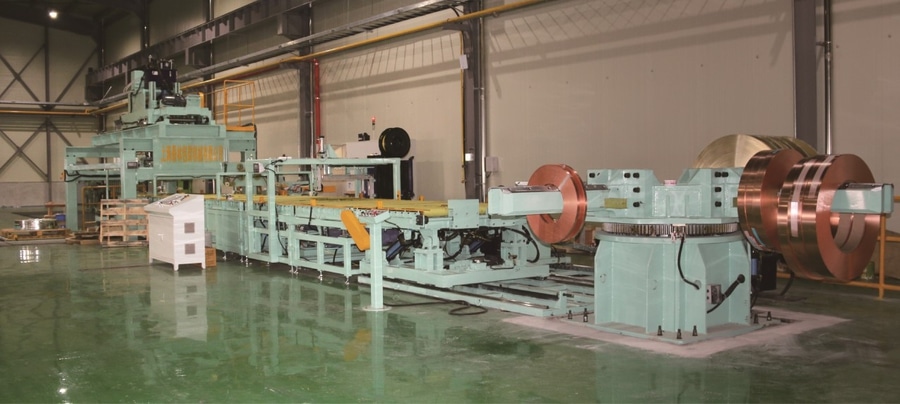
I have seen retrofits that have transformed old lines. They added automatic coil handling. They put in advanced safety sensors. They replaced manual strapping with robotic systems. These changes made a huge difference. They made the work much safer. They also made the line much more efficient. But it is important to be realistic. A retrofit might make an old line 80% or 90% automated. It might not always get to 100% full automation that a new custom-built line could offer. However, even a high level of automation from a retrofit can be a game-changer. It means fewer accidents. It means more consistent product quality. It means less strain on your workforce. This balances cost and capability. It often provides the most practical path to modernizing without breaking the bank.
1. Integrating Automated Systems: Strapping, Wrapping, and Labeling 🤖
The core of coil packing involves strapping, wrapping for protection, and labeling for tracking. In a manual system, workers do all these tasks. This is slow and prone to human error. A retrofit can add automated machines for each of these steps. You can replace an old manual strapping station with an automatic steel or PET strapping machine. You can add an automatic orbital wrapper to apply protective film evenly. You can install an automatic labeling system for barcodes and other information. These additions work together to reduce the need for human hands. They ensure consistent quality. They also speed up the entire process. This modular approach allows mills to upgrade in phases. They can tackle the most labor-intensive parts first. This brings immediate benefits. It helps improve overall throughput and reliability.
2. Enhancing Worker Safety Through Mechanical Handling ⛑️
One of the biggest benefits of automation, even partial automation, is improved safety. Manually handling heavy steel coils is very dangerous. Workers can suffer crushed limbs, back injuries, or worse. A retrofit can introduce mechanical handling systems. This includes automated conveyors, coil lifters, and flipping devices. These machines take the heavy lifting away from people. They reduce the risk of accidents. They also lower the physical strain on workers. This creates a much safer work environment. It also helps with labor retention. Workers are more likely to stay in a job where they feel safe. This is not just about compliance with safety regulations. It is about protecting your most valuable asset: your people.
3. The Role of Advanced Control Systems in a Retrofit 💻
Modern packing lines rely on advanced control systems. These systems manage all the different machines. They ensure they work together smoothly. When you retrofit, you often need to upgrade your control system too. This means new sensors, new software, and new interfaces. These new controls can monitor performance. They can detect problems early. They can even communicate with your main production line. This integration is key to achieving higher levels of automation. It allows for better data collection. This data helps you optimize your processes further. While integrating new controls into an old system can be complex, it is essential. It provides the brain for your modernized packing line. It ensures all the new components work as one cohesive unit, giving you real-time insights into your operations.
What Are the Hidden Costs and Benefits of Modernizing Your Coil Packing?
Modernizing your packing line goes beyond the price tag of new equipment. There are often costs and benefits that are not immediately obvious. These “hidden” factors can greatly impact the overall success and value of your investment. It is important to look at the full picture. A smart business decision accounts for all these elements.
Modernizing a coil packing line, whether through retrofit or new installation, involves hidden costs like integration challenges, employee training, and ongoing maintenance of mixed systems. However, it also brings hidden benefits such as improved material yield, reduced energy consumption, enhanced brand reputation through consistent packaging, and greater operational flexibility, which collectively contribute to long-term profitability.
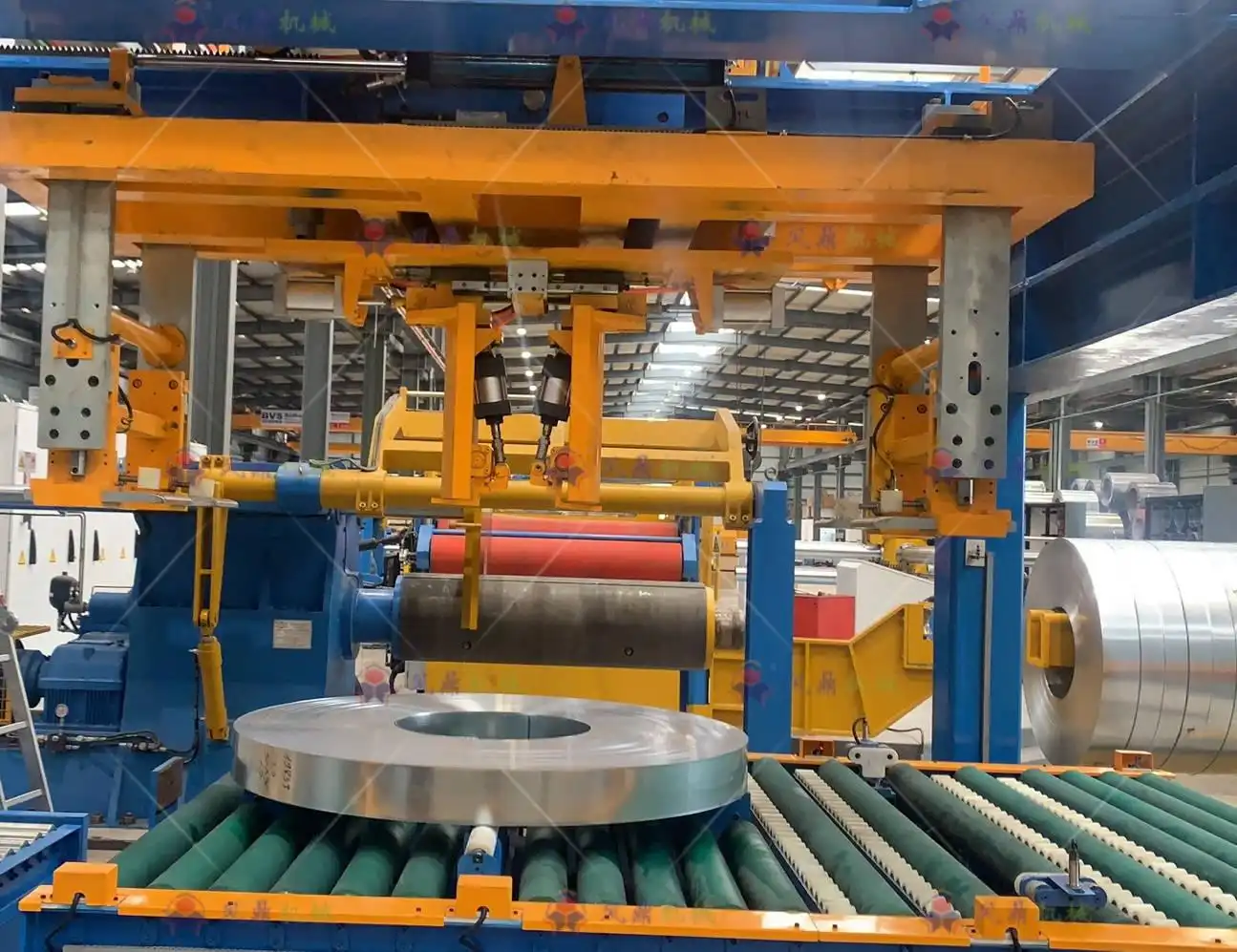
When I help clients plan their upgrades, I always stress this point. Do not just look at the equipment cost. Think about everything else. For example, will your current team need special training to operate new machines? This is a cost. But will the new system reduce waste materials? That is a huge benefit. These things can make a big difference to your budget and your business. We need to consider both the tangible and intangible aspects. Sometimes, the intangible benefits, like a stronger brand image, can be even more valuable in the long run. It is about building a sustainable and resilient operation. This comprehensive view helps you make the most informed decision, leading to a truly successful modernization project.
1. The Real Cost of Integration and Training 👨💻
Integrating new automated components into an older system is not always simple. It can require custom engineering. You might need new electrical wiring. You might need to update your factory layout. These are extra costs that are not part of the machine’s price. Also, your team will need training. They need to learn how to operate and maintain the new equipment. This takes time and resources. It can mean hiring new specialists. Or it can mean sending current staff for courses. These are important costs to budget for. A smooth integration and well-trained team are critical for the success of any modernization project. Without proper planning for these, even the best new machine can sit idle. This underscores the need for a comprehensive project plan.
2. Unseen Savings from Material Optimization and Energy Efficiency 💡
Modern packing machines are designed to be efficient. They use packaging materials more precisely. They apply just the right amount of film or strapping. This reduces waste. Over time, this can lead to significant savings on packing material costs. Older machines might use more material than needed. They might also apply it unevenly. This leads to more rejects and re-packing. Newer machines can also be more energy-efficient. They use less power to operate. This lowers your utility bills. These small savings add up. They contribute to a much lower operating cost over the life of the machine. These are often overlooked benefits that boost your overall profitability. This makes the investment even more worthwhile, contributing to both environmental and financial sustainability.
3. The Value of Reputation, Compliance, and Long-Term Partnership 🤝
A modernized packing line helps you meet strict industry standards and customer expectations. This includes CE/ISO certifications and specific barcode requirements for exports. Consistently high-quality packaging builds your brand’s reputation. Happy customers mean repeat business. They also mean good word-of-mouth referrals. These are hard to put a price on, but they are incredibly valuable. Furthermore, choosing a partner for modernization is key. You need a supplier who can provide turnkey solutions, offer good after-sales support, and supply spare parts quickly. This long-term partnership ensures your investment is protected. It means you have support when you need it. This continuity is vital for continuous production and avoiding costly breakdowns. This helps a mill in the Netherlands stay competitive globally.
My Insights: Mastering Your Steel Coil Packing Modernization Journey.
Choosing to modernize your steel coil packing line is a big decision. It requires careful thought. My journey in the packing machine industry taught me one thing: the best solution is always the one that fits your unique needs. Whether you are in the Netherlands or anywhere else, understanding your challenges and goals is the first step.
For many steel mills, retrofitting an existing line can be a smart and cost-effective path to modernization. It can boost efficiency, enhance safety, and improve packing quality without the huge upfront cost and disruption of a completely new system. It extends the life of valuable assets while integrating key automated features. However, it also requires a clear understanding of your current system’s limitations and future growth plans. A thorough assessment and a reliable partner are crucial for success.
At FHOPEPACK, we believe in sharing knowledge and offering the best customized packing solutions. I am committed to helping businesses achieve their goals. The right coil packing line can transform your operations. It can lead to financial independence and business growth, just as it did for me. My experience has shown that investing wisely in your packing process truly masters your success.








