
Steel Coil Packing Line Czech Republic: Which Option Fits Plant Renovations?
Are you a production director or plant manager in the Czech Republic, overseeing a steel mill’s finishing line? Do you find yourself constantly battling with inefficient packing processes, inconsistent quality, or the struggle to keep up with demanding production schedules? I know these challenges well. The pressure to deliver hundreds of tons of steel coils daily, each with unique packing specifications, can be immense. If your current packing operation feels more like a bottleneck than a smooth process, it is time to think about a renovation.
Choosing the right steel coil packing line for plant renovations in the Czech Republic involves a deep dive into automation levels, machine reliability, and adaptability to various coil types. The best option often combines full automation with flexible strapping and wrapping capabilities, ensuring high efficiency, consistent quality, and enhanced safety for a 24/7 production environment.

Making such a significant investment requires careful planning. It is not just about buying a new machine. It is about integrating a complete system that elevates your entire operation. Let us explore the critical factors and options to help you make an informed decision for your plant.
Why Are Steel Mills in the Czech Republic Reconsidering Their Packing Lines?
Many steel mills, including those I have worked with across Europe, face common hurdles that push them towards plant renovations. The current market demands more than ever before. Customers want perfect coils, delivered on time, with specific packaging. This is hard to achieve with old systems.
Steel mills in the Czech Republic are reconsidering their packing lines due to rising labor costs, a shortage of skilled workers, the need for higher and more consistent packing quality to meet export standards, and the drive to improve operational safety and efficiency in a competitive market.

When I started my journey in the packing machine industry, I saw many factories struggle. They had good production lines for steel, but their packing often fell behind. This slowed everything down. Now, the challenges are even bigger. This is why many plants are looking for better solutions.
-
Labor Challenges and Costs:
- Worker Shortage: It is tough to find young workers willing to do the physically demanding and often repetitive tasks in a packing workshop. This leads to a shrinking workforce.
- High Intensity Work: Manually strapping and wrapping heavy steel coils is tiring. It also leads to injuries. Workers can get hurt. This means more sick days and higher costs for the company.
- Rising Wages: Labor costs are always going up. Relying too much on manual labor becomes expensive. Companies need to find ways to reduce these costs. An automated system can do the work of several people. This frees up staff for other, less physical tasks. It also helps manage budgets better in the long run.
-
Inconsistent Packing Quality:
- Manual Errors: When people do the packing, the quality can vary a lot. One worker might strap a coil tighter than another. This leads to inconsistent film tension. The wrapping might not be even.
- Transport Damage Risk: If coils are not packed well, they can get damaged during shipping. Straps can loosen. Films can tear. This exposes the steel to moisture and scratches. Customers do not like this.
- Customer Complaints: Poor packing often results in customer complaints. They might ask for refunds or return the coils. This hurts the company’s reputation. It also costs money. Export customers are especially strict. They often need specific certifications like CE or ISO. Manual packing struggles to meet these high standards consistently.
-
Product Diversity and Efficiency Bottlenecks:
- Multiple Coil Types: Steel mills produce many kinds of coils. These include cold rolled, galvanized, and color-coated coils. Each type might need a different packing method.
- Slow Manual Switching: Switching between different packing requirements manually takes a long time. Workers must change materials or adjust settings by hand. This slows down the whole production line.
- Impact on Throughput: The packing area can become a bottleneck. This means the main production line makes coils faster than the packing line can handle them. This leads to delays in shipping. It also limits how much the plant can produce each day. This hurts overall efficiency.
-
Safety Concerns:
- Heavy Lifting: Moving and flipping heavy steel coils by hand or with basic tools is dangerous. It can lead to severe accidents. Workers can be crushed or injured.
- Repetitive Strain: Repetitive motions involved in manual strapping and wrapping can cause long-term health problems for workers. This leads to more medical leave.
- Risk Reduction: An automated packing line reduces the need for workers to be near heavy, moving machinery. It handles the coils safely and precisely. This makes the workplace much safer for everyone. This is a big concern for all plant managers.
What Types of Coil Packing Lines Can Transform Your Renovation Project?
When you consider renovating your packing line, you are looking at more than just an upgrade. You are looking at a transformation. There are different levels of automation for coil packing lines. Each offers distinct advantages. The choice depends on your specific needs and budget.
To transform a plant renovation, the most impactful coil packing lines are fully automatic solutions that integrate flipping, wrapping, strapping, and labeling into a seamless process. These systems minimize manual intervention, ensure consistent quality, and drastically improve throughput for various coil sizes and types.
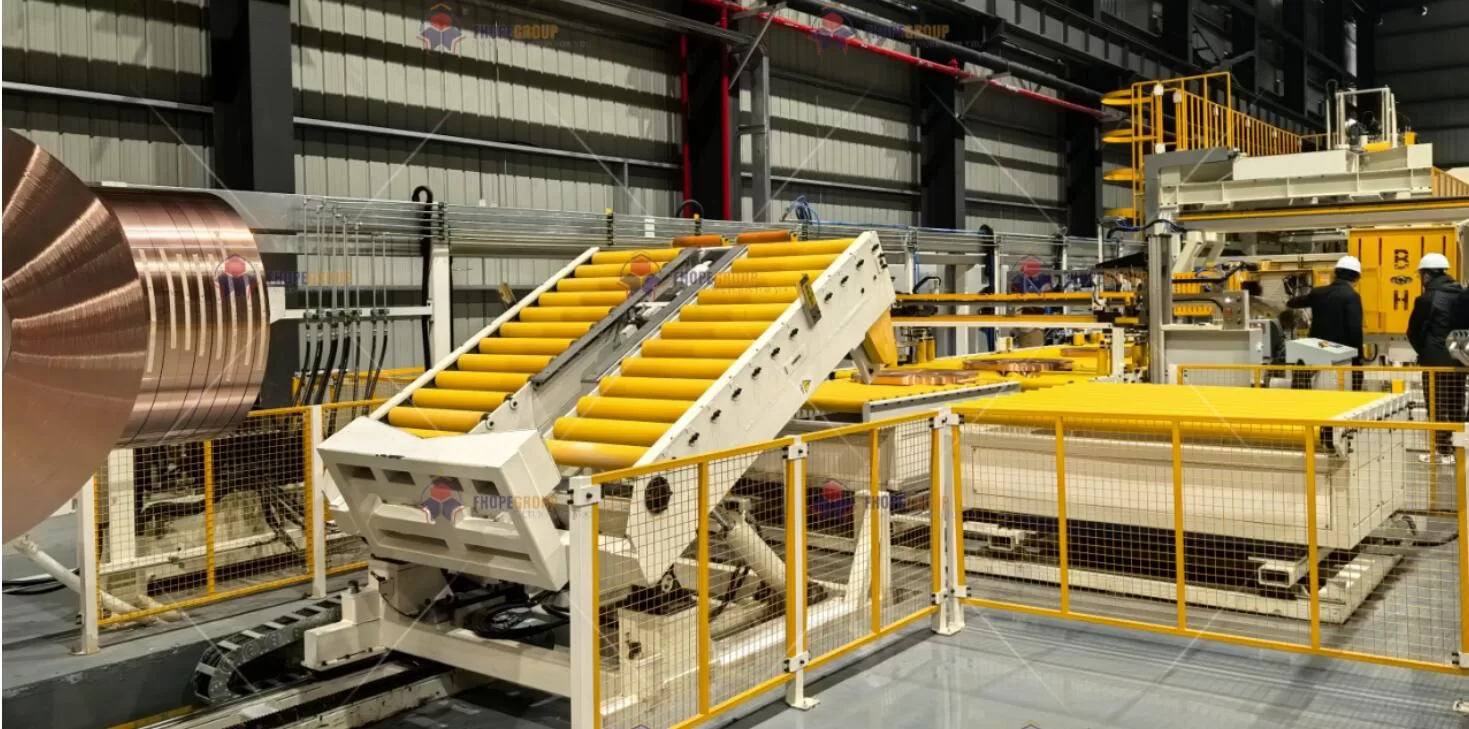
I have seen many plants move from mostly manual to fully automated systems. The difference is clear. It is like night and day for efficiency and safety. Let me explain the key types.
-
Semi-Automatic Coil Packing Lines:
- What They Are: These lines combine some manual operations with automated steps. For example, a machine might do the stretch wrapping, but workers still handle the strapping and labeling. Or, a machine applies the steel strap, but workers move the coil into position.
- Advantages: They are less expensive to install than fully automatic systems. They still offer some efficiency gains over purely manual processes. They can be a good first step for smaller plants or those with limited budgets. They reduce some of the heavy lifting.
- Limitations: They still need human operators for key steps. This means quality can still vary. Speed is limited by human intervention. Labor costs are still a significant factor. They do not fully solve the labor shortage problem.
-
Automatic Coil Packing Lines (Integrated Modules):
- What They Are: These systems automate specific parts of the packing process completely. This might include an automatic strapping machine for PET or steel bands. It could be an automatic orbital wrapper for moisture protection. Or, an automatic labeling machine. These modules often work independently.
- Advantages: They provide higher efficiency for the specific task they perform. They ensure more consistent quality for that part of the packing. They reduce manual effort in those areas. They are a good option for plants that want to automate in stages.
- Limitations: The overall process still needs manual movement or linking between different modules. This can create small bottlenecks. It might still need workers to transfer coils from one machine to another. This prevents true end-to-end automation.
-
Full Automatic Coil Packing Lines (Turnkey Solutions):
- What They Are: This is the most advanced option. These lines are a complete system. They include everything from coil handling (like up-enders and conveyors) to strapping, wrapping, labeling, and even stacking. Everything is connected. Coils move from one step to the next without human touch.
- Advantages:
- Maximum Efficiency: These lines offer the highest throughput. They can run 24/7 with minimal supervision. This is perfect for high-volume plants.
- Consistent Quality: Every coil gets the same high-quality packing. Film tension is even. Straps are tight. Labels are placed correctly. This meets the toughest export standards.
- Enhanced Safety: Workers are far away from the heavy coils. Machines do all the dangerous tasks. This drastically reduces accidents and injuries.
- Labor Reduction: These systems need very few operators. This solves problems with labor shortages and high labor costs.
- Adaptability: Modern systems can handle different coil diameters and weights (1-3 tons). They can switch between PET and steel strapping. They can apply various wrapping films. This makes them highly versatile for different product types.
- Why They Are Transformative: These are the systems that truly change a plant. They turn a challenging packing area into a smooth, efficient operation. They help a plant grow its business. From my own experience, these are the solutions that provide the biggest return on investment over time.
How Do You Choose the Best Packing Solution for Your Specific Production Needs?
Choosing the right packing solution is a critical decision. It impacts your plant’s efficiency, safety, and profitability for years to come. It is not just about the cheapest option. It is about the solution that best fits your unique production environment and future goals.
To choose the best packing solution, you must carefully evaluate device reliability for 24/7 operation, its adaptability to varying coil sizes (1-3 tons) and types, the required packing effect (moisture, rust, scratch-proof), and its ability to reduce labor while enhancing safety within your Czech Republic steel mill.
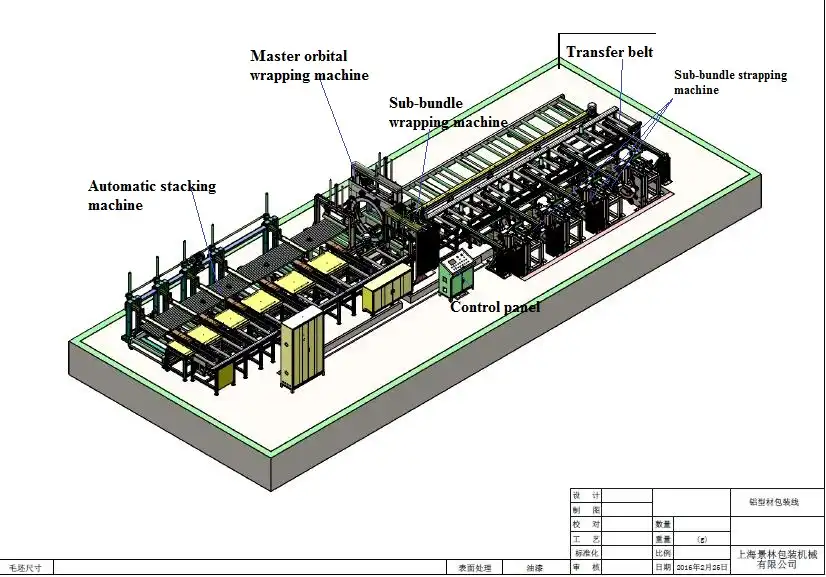
When I consult with clients, I always emphasize a holistic approach. We look at the whole picture, not just one part. Here are the key factors to consider.
-
Reliability and Continuous Operation (24/7):
- Production Demand: Your steel mill likely operates two shifts, maybe even three. You need a packing line that can keep up. It must run reliably for 24 hours a day, day after day.
- Downtime Costs: Every minute a machine is down, it costs you money. Production stops. Deliveries are delayed. So, the equipment must be robust. It needs to be built with high-quality components.
- Maintenance Needs: Look for machines that are easy to maintain. They should have readily available spare parts. This ensures quick repairs if something goes wrong. A reliable supplier will offer good spare parts support.
-
Adaptability to Different Coil Specifications:
- Varying Coil Sizes: Your plant handles a range of coil sizes. These include coils weighing 1 to 3 tons. Inner and outer diameters can also change. The packing line must easily adapt to these variations.
- Product Diversity: You produce cold rolled, galvanized, and color-coated coils. Each might need slightly different handling or packing materials. The system should allow for quick, automatic changes between these product types. This avoids slow manual adjustments.
- Future Needs: Think about what coils you might produce in the future. Will you add new product lines? A flexible machine can grow with your business. It protects your investment.
-
Achieving Optimal Packing Effects:
- Protection Requirements: Steel coils need protection from moisture, rust, and scratches. This is especially true for export. The packing solution must deliver this.
- Material Options: Consider systems that can use different packing materials. This includes PET strapping for lighter coils and steel strapping for heavier ones. Also, stretch film or shrink film for excellent moisture barriers.
- Consistent Tension: The machine must apply consistent tension to straps and films. This prevents loosening during transport. This ensures the coil arrives in perfect condition. This directly impacts customer satisfaction.
-
Reducing Manual Labor and Enhancing Safety:
- Automation Level: How much human intervention do you want to eliminate? A fully automatic system will greatly reduce manual tasks. This addresses labor shortages.
- Worker Safety: Prioritize systems that move workers away from dangerous operations. This means mechanical handling of coils. It means automatic strapping and wrapping. This lowers the risk of accidents and injuries.
- Ergonomics: An automated system reduces physical strain on workers. It improves the overall working environment. This can help attract and retain staff. This is a very important point for modern factories.
What Benefits Can a Modern Coil Packing Line Bring to Your Plant’s Bottom Line?
Investing in a modern coil packing line is a strategic move. It is not just an expense. It is an investment that pays off significantly. The benefits go far beyond simply wrapping coils faster. They touch every aspect of your plant’s operation and financial health.
A modern coil packing line can dramatically improve your plant’s bottom line by boosting efficiency, ensuring consistent export-grade quality, significantly reducing labor costs and material waste, and creating a safer work environment, all leading to increased profitability and customer satisfaction for your Czech Republic operations.
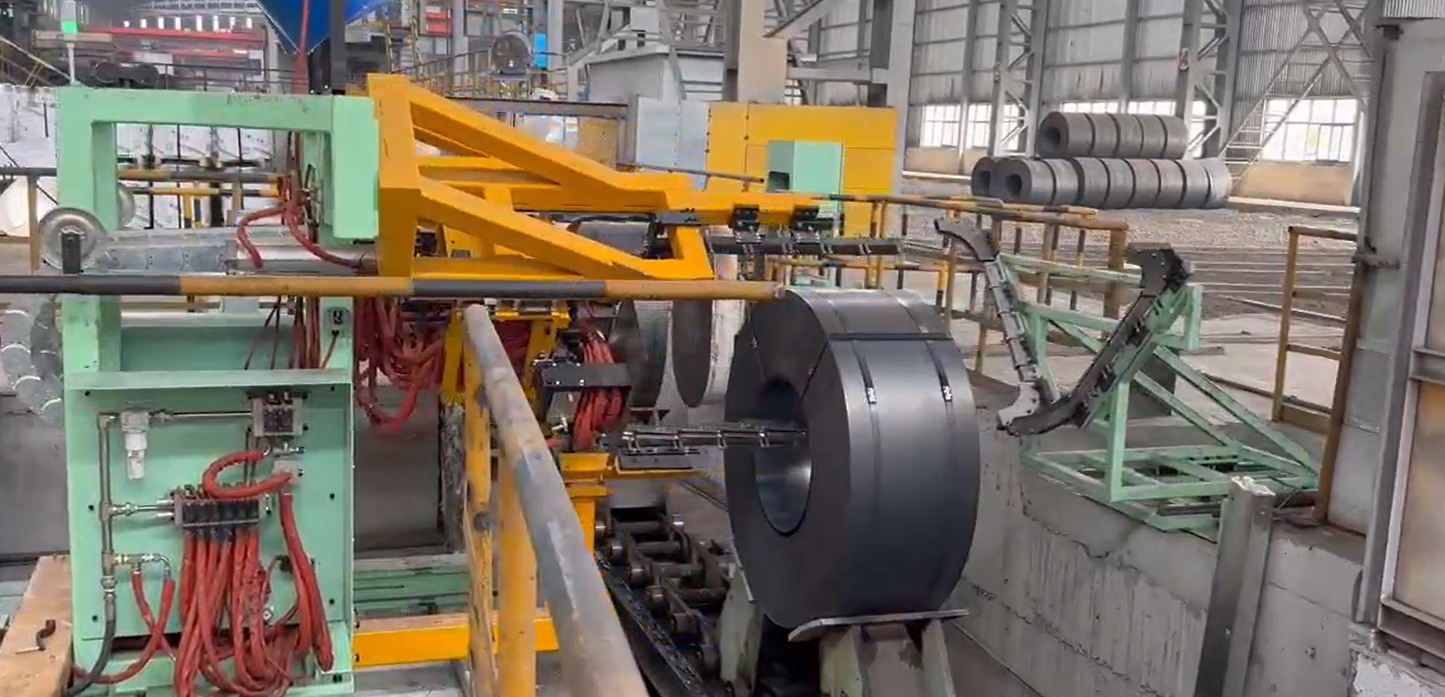
I have seen firsthand how these upgrades transform businesses. When I helped clients set up their new lines, they often told me how much easier their work became. This made their clients happier too.
-
Increased Automation and Efficiency:
- Higher Throughput: An automatic line can pack coils much faster than manual methods. This means you can process more coils in the same amount of time. This increases your overall production capacity.
- Reduced Bottlenecks: The packing area becomes a smooth part of the production flow. It no longer slows down the entire mill. This keeps your main production lines running at full speed.
- Predictable Operations: Machines work consistently. They do not get tired. This means more predictable packing times and delivery schedules. This helps with planning and logistics.
-
Improved Packing Quality and Customer Satisfaction:
- Export Standards: Modern lines can achieve the highest packing quality. They meet international standards like CE or ISO. This is crucial for export customers.
- Consistent Protection: Automated systems apply uniform film tension and secure strapping. This provides excellent protection against moisture, rust, and scratches. Coils arrive in perfect condition.
- Enhanced Reputation: Delivering consistently high-quality, well-packed products builds trust with your customers. This leads to repeat business and a stronger market position. It can help you win new contracts.
-
Significant Cost Reductions:
- Lower Labor Costs: By automating tasks, you need fewer workers in the packing area. This directly reduces your payroll expenses. It also helps manage the impact of labor shortages.
- Reduced Material Waste: Machines are precise. They use packing materials more efficiently. This means less film or strap is wasted. Over time, this adds up to significant savings.
- Fewer Damages and Returns: Better packing quality means fewer damaged coils during transit. This reduces costs related to claims, returns, and reprocessing. It protects your profit margins.
-
Enhanced Safety and Employee Well-being:
- Fewer Accidents: Moving heavy coils and operating strapping tools manually carries high risks. Automation eliminates most of these risks. This leads to a safer workplace.
- Reduced Injuries: Workers are less exposed to heavy lifting and repetitive motions. This lowers the incidence of injuries and long-term health issues. This improves employee morale.
- Compliance: A safer work environment helps your plant comply with occupational safety regulations. This avoids potential fines and legal issues. It also shows you care about your employees.
-
Long-Term Partnership and Support:
- Turnkey Solutions: A good supplier offers a complete, turnkey project. This means they design, install, test, and commission the entire line. They hand it over ready to run.
- After-Sales Support: You need a partner who provides ongoing support. This includes training for your staff. It also means quick access to spare parts. This ensures your line keeps running smoothly for years.
- Expertise Sharing: A true partner shares knowledge. They help you get the most out of your investment. This is what we at FHOPEPACK aim to do. My goal is always to empower our clients.
Conclusion
Upgrading your steel coil packing line in the Czech Republic is a critical step for growth and efficiency. By investing in an automated coil packing line, you solve pressing issues like labor shortages, inconsistent quality, and safety concerns. This choice leads to significant cost savings, higher production quality, and improved customer satisfaction. Choose a solution that fits your specific needs for a successful plant renovation.








