
Steel Coil Packing Line Colombia: Which Technology Best Balances Speed and Safety?
The steel industry in Colombia faces unique pressures. You know the drill: tight deadlines, increasing demand for diverse products, and a constant need to cut costs without sacrificing quality. But what happens when your packing line cannot keep up? What if manual processes lead to delays, product damage, or even serious safety incidents? These problems can halt your operations. They can hurt your reputation and your bottom line. Ignoring them is not an option.
Choosing the right steel coil packing line technology is a critical decision for balancing speed and safety in places like Colombia. The best technology integrates full automation, from handling to strapping and wrapping, with advanced safety features. This includes robust mechanical guards, precise sensor systems, and intuitive human-machine interfaces. These solutions let steel mills achieve high throughput while protecting workers and ensuring product integrity for diverse customer demands.
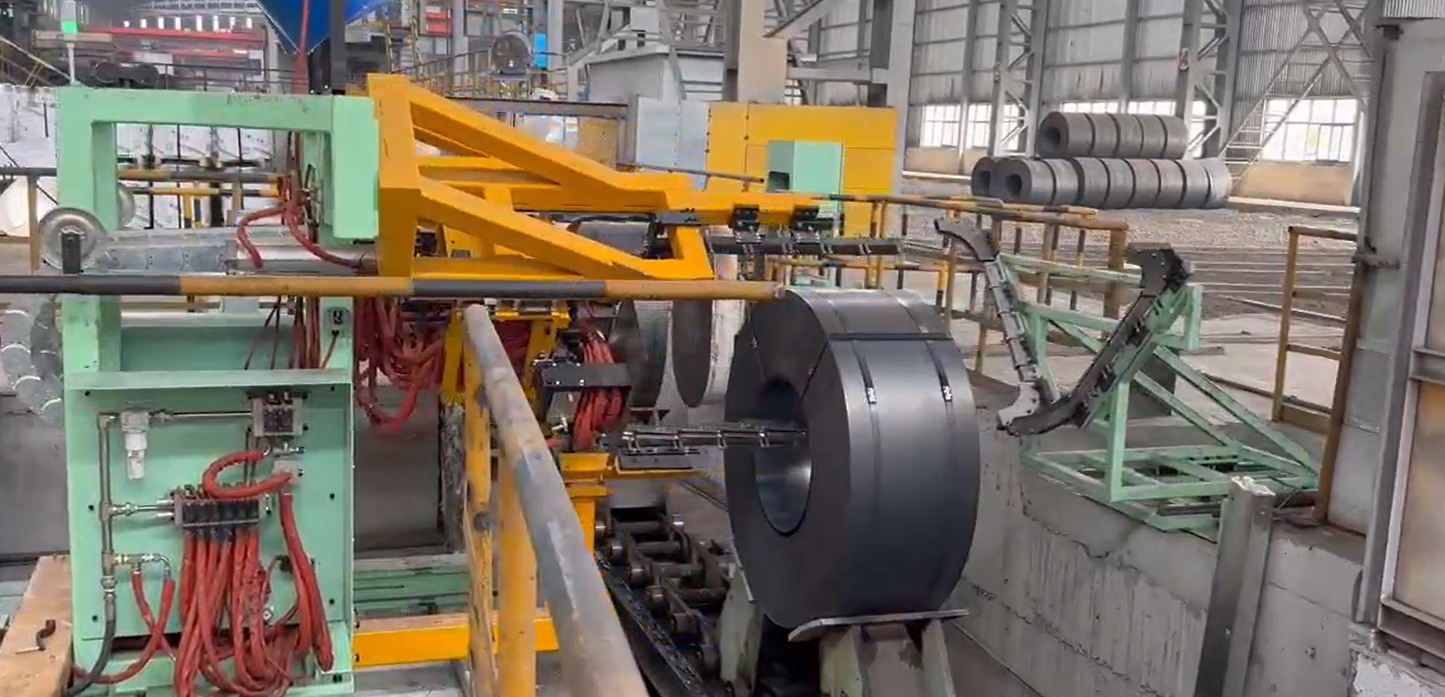
It is a common challenge for many of my clients. They want to move coils fast. They also need to keep everyone safe and the products perfect. This article will help you understand the core issues. We will also explore the solutions that truly make a difference in your operations.
Why is a Balance of Speed and Safety Essential for Steel Coil Packing in Colombia?
The steel business is tough. In Colombia, as in many parts of the world, mills operate under high pressure. They must meet global standards and fierce local competition. If your packing line slows down, or if it causes safety issues, you face serious problems. These problems go beyond just lost time. They impact your entire business.
A balance of speed and safety is essential for steel coil packing in Colombia because it directly affects a mill’s profitability, reputation, and operational continuity. Slow or unsafe packing leads to production bottlenecks, increased labor costs, potential worker injuries, and costly product damage. This balance ensures goods reach customers on time, in perfect condition, and without risking employee well-being or legal penalties.
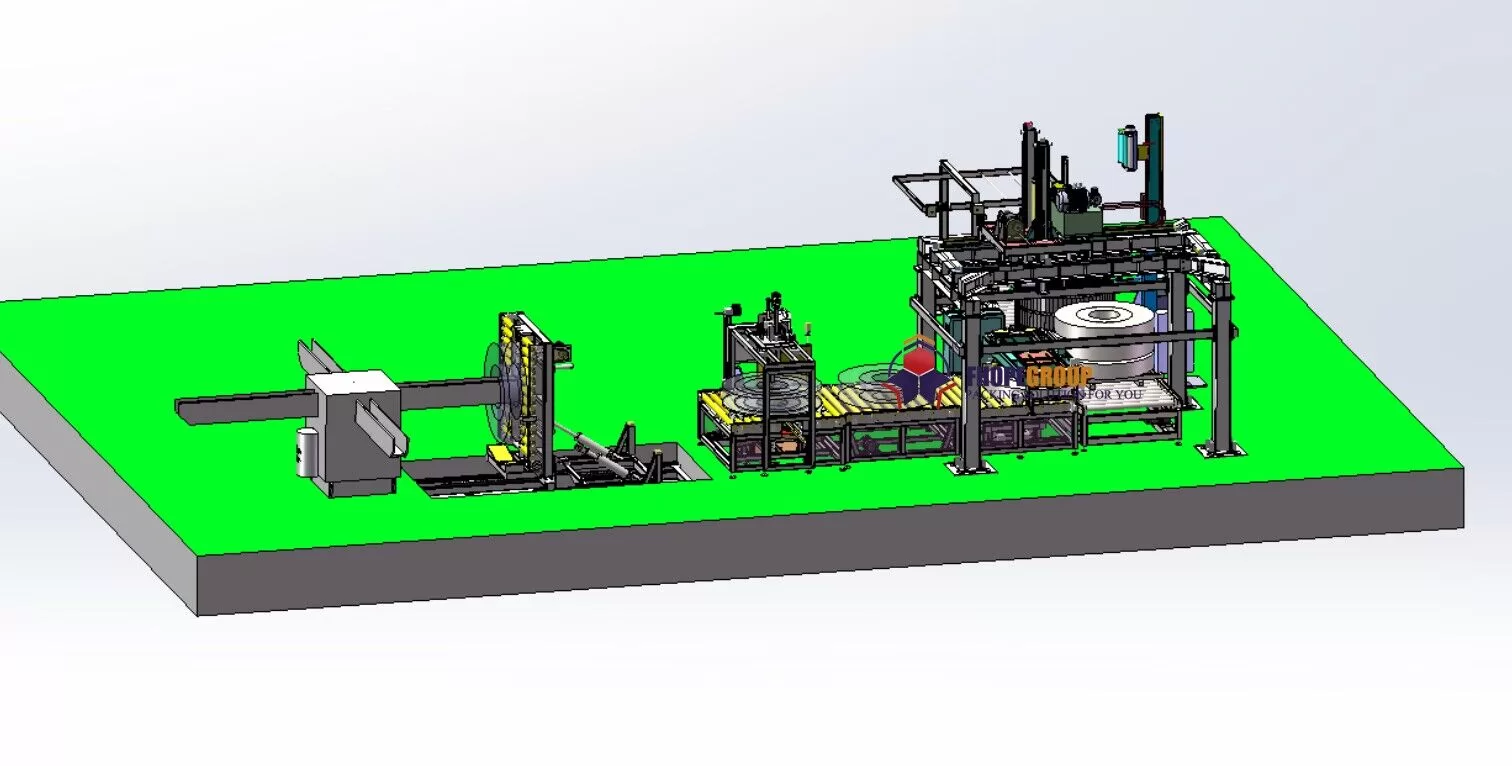
The consequences of an imbalance can be severe. I have seen many situations where a focus on speed alone led to accidents. I have also seen too much caution kill productivity. Finding that sweet spot is key.
-
🏭 Operational Efficiency and Throughput: The steel industry is all about moving large volumes. Each day, hundreds of tons of steel coils leave the factory. A slow packing process creates a bottleneck. This slows down the entire production line. It means less output and lower profits. For example, if your cutting line can process 60 tons per hour, but your packing line can only handle 40 tons, you lose 20 tons of potential output every hour. This directly impacts your revenue. Manual operations often suffer from variable speeds. They depend on worker fatigue and skill levels. Automated systems, however, work at a consistent, high pace. They ensure continuous flow. This consistency is vital for meeting tight delivery schedules, especially for export orders from places like Colombia. Delays can lead to contract penalties and unhappy customers. Modern packing lines ensure that once the steel is ready, it moves quickly and smoothly to the next stage. This keeps the whole operation running like a well-oiled machine. It avoids costly downtime and maximizes production capacity.
-
🛡️ Worker Safety and Labor Costs: Handling heavy steel coils is one of the most dangerous jobs in a steel mill. Workers perform tasks like manual strapping, lifting, and wrapping. These tasks put them at high risk of injury. Common injuries include crushed limbs, back strains, and falls. In many countries, including Colombia, labor laws and worker safety are becoming stricter. Worker compensation claims and medical expenses can be very high. Beyond the financial cost, worker injuries impact morale and can lead to labor shortages. This is a big challenge right now. Younger workers often avoid physically demanding and dangerous jobs. An automated packing line reduces the need for manual handling of coils. Machines do the heavy lifting, turning, and precise application of packaging materials. This significantly lowers the risk of accidents. It creates a safer work environment. This also addresses the issue of labor scarcity by reducing reliance on manual labor. It helps mills retain skilled workers by giving them safer roles.
-
📦 Product Quality and Customer Satisfaction: Steel coils need careful protection. They are prone to rust, scratches, and damage during transport. Manual packing often results in inconsistent quality. Straps can be too loose or too tight. Wrapping can be uneven. This can lead to coils arriving at the customer’s site damaged. Damaged products mean customer complaints, returns, and sometimes, even contract cancellations. For export markets, like those serviced from Colombia, strict quality standards (e.g., CE/ISO certification) are often required. Automated packing systems apply packaging materials with precise tension and consistency. They use the correct amount of film or strapping. This ensures superior protection against moisture, rust, and physical damage. It means every coil leaves the factory in perfect condition. High-quality packaging protects your product. It also protects your brand reputation. It builds trust with your customers. This is crucial for long-term business success and repeat orders.
What Technologies Boost Speed and Efficiency in Coil Packing Lines?
Achieving high-speed operation in a steel coil packing line is not about just one machine. It is about a system. It involves several integrated technologies working together. These technologies remove bottlenecks and keep coils moving smoothly. They ensure that your finished products are packed and ready for shipment quickly.
Technologies that boost speed and efficiency in coil packing lines primarily involve advanced automation and integration. This includes automatic coil handling systems like walking beams and coil cars, self-adjusting strapping and wrapping machines, and automated labeling and stacking solutions. These systems minimize manual intervention, optimize material flow, and ensure consistent, high-speed output.
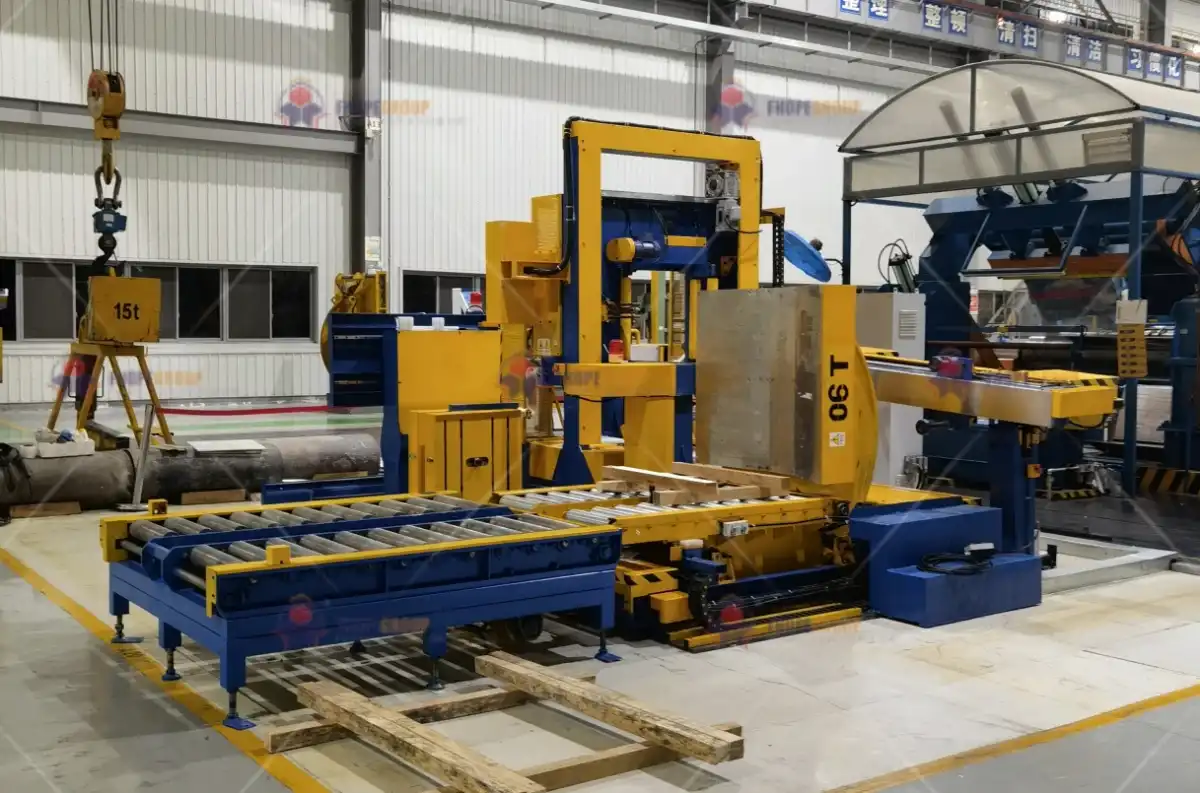
When I started my journey in packing machine factories, I saw the slow, manual ways. Now, I am amazed by what modern tech can do. These solutions are a game-changer for speed.
-
🔄 Automated Coil Handling and Conveying Systems: The first step to speed is getting the coil to the packing station quickly and safely. Manual handling with cranes is slow and labor-intensive. It also carries high risks. Modern packing lines use automated coil cars, walking beams, or roller conveyors. These systems move coils efficiently from the slitting or cold rolling line to the packing area. A coil car, for example, can pick up a coil from a production line and transport it to the next packing station with precision. Walking beams lift and advance coils sequentially, ensuring a continuous flow without manual intervention. These systems are often equipped with sensors. The sensors detect coil presence and position. This allows for smooth, synchronized movement. They eliminate waiting times between packing steps. This automation reduces the need for forklifts or overhead cranes in the packing area. It speeds up the overall process. It also frees up workers for other tasks. This foundational automation sets the pace for the entire packing operation. It ensures coils are always ready for the next step.
-
🌀 High-Speed Automatic Strapping and Wrapping Machines: The core of any fast packing line lies in its strapping and wrapping capabilities. Manual strapping or wrapping is slow, inconsistent, and requires significant labor. Automated machines perform these tasks with incredible speed and precision.
- Automatic Strapping Machines: These machines apply multiple PET or steel straps around the coil in seconds. They use advanced tensioning systems. This ensures a tight, secure bind every time. Some models can rotate around the coil. They apply straps at various angles without needing to move the coil itself. This saves time. They can be integrated inline. This means they strap the coil as it moves along the conveyor. This eliminates any pauses.
- Automatic Wrapping Machines: Orbital wrappers or stretch film wrappers encase coils in protective film quickly. They do this by rotating around the coil or spinning the coil itself. They apply a consistent, moisture-proof layer. These machines often have pre-stretch capabilities. This optimizes film usage and further speeds up the process. Some advanced wrappers can handle different coil sizes automatically. They adjust their parameters without manual setup. This is crucial for mills dealing with diverse product ranges. These high-speed machines not only pack faster but also ensure superior and consistent packaging quality.
-
🏷️ Integrated Labeling, Weighing, and Stacking Systems: Speed is not just about physically packing the coil. It also includes all the finishing touches. Automated labeling systems apply barcodes and product information directly onto the packed coil. They do this without human interaction. This prevents errors and speeds up data recording. Integrated weighing systems measure the coil’s weight as it moves. This automatically updates inventory. It also generates shipping documents. Finally, robotic stacking or automatic tilting devices prepare the coils for storage or loading. They place them onto pallets or directly onto trucks. These systems work in perfect sync with the strapping and wrapping machines. They create a fully automated flow from start to finish. This reduces bottlenecks at the end of the line. It ensures that coils are ready for dispatch as soon as packing is complete. This comprehensive automation truly maximizes throughput. It minimizes labor at every stage.
How Do Modern Packing Solutions Ensure Worker and Product Safety?
Safety in a steel mill is paramount. The heavy nature of steel coils presents constant hazards. A modern packing line must do more than just pack fast. It must actively protect workers from harm. It must also ensure the product remains in perfect condition. This means using smart design and advanced technology.
Modern packing solutions ensure worker and product safety by greatly reducing manual intervention in hazardous areas. They use robust mechanical guarding, advanced sensor technology, and automated handling systems. These features protect operators from moving parts. They also prevent coil damage during the packing process. The solutions make sure packaging is consistent and secure, safeguarding the product during transit.
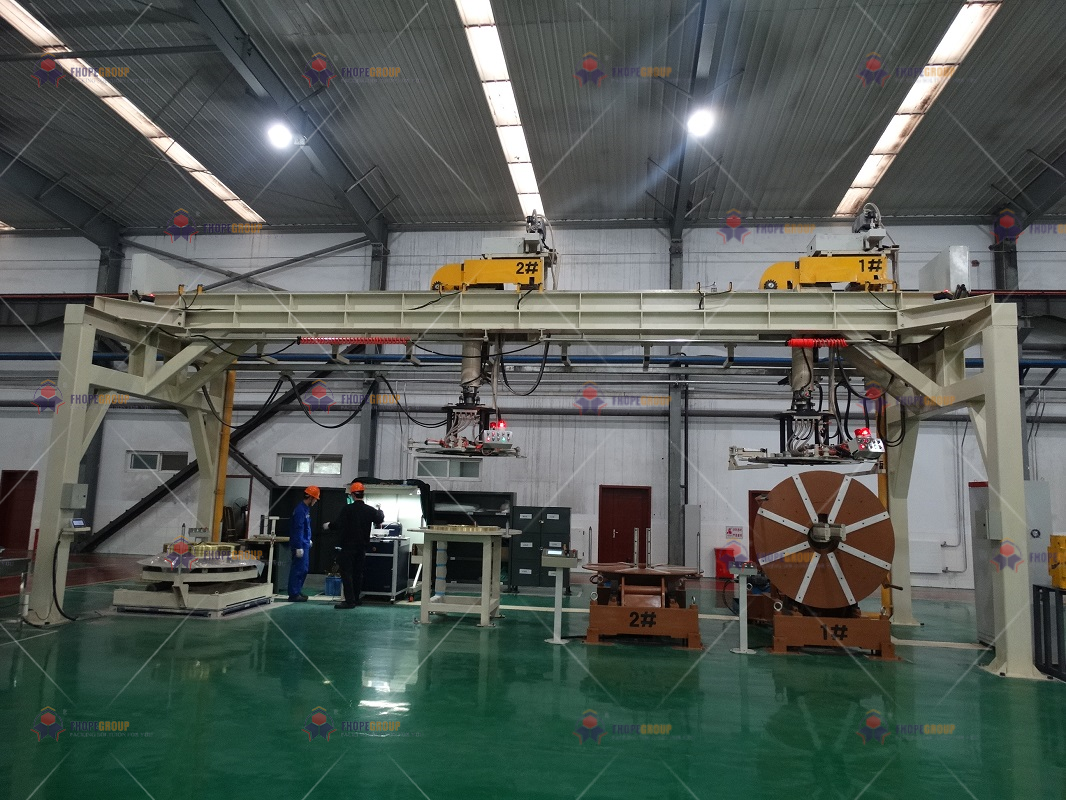
My years in this industry taught me that no amount of speed is worth a single injury. Designing for safety is not an option; it is a necessity. Ivan’s concerns about worker safety and product integrity are very real.
-
⛔ Elimination of Manual Handling in Hazardous Zones: Historically, workers had to manually guide coils, apply straps, and adjust wrapping. These tasks placed them in close proximity to heavy, moving machinery and multi-ton coils. This led to a high risk of crushing injuries, cuts, and falls. Modern packing lines use automation to remove humans from these dangerous areas. Coil cars and conveyors automatically transport coils. Robotic arms or specialized mechanisms perform turning and positioning. Strapping and wrapping machines operate without direct human contact during the cycle. This means operators can supervise the process from a safe distance. They only intervene for maintenance or fault clearance, and then only after safety protocols activate. This fundamental shift greatly reduces the chance of accidents. It makes the entire packing process much safer for your team. This protects employees from the most common and severe types of workplace injuries.
-
🛡️ Comprehensive Safety Guarding and Interlock Systems: Every piece of automated packing equipment comes with a range of physical and electronic safety features.
- Mechanical Guards: These are strong physical barriers. They surround moving parts like conveyors, turntables, and strapping heads. They prevent accidental contact with machinery. These guards are often made from heavy-duty steel or mesh. They are designed to withstand industrial environments.
- Safety Interlocks: These are electronic systems. They link the guards to the machine’s power supply. If a safety guard is opened or removed while the machine is running, the interlock immediately shuts down the machine. This prevents operation when a worker might be exposed to danger. Light curtains are another common safety feature. They create an invisible barrier. If a person breaks this barrier, the machine stops instantly. Emergency stop buttons are also placed at accessible points around the line. They allow workers to stop the entire operation immediately if a problem occurs. These layers of protection work together. They create a safe operating environment. They minimize the risk of human error leading to accidents.
-
📏 Precision Packaging and Damage Prevention: Product safety is also a key part of overall safety. Inconsistent packaging can lead to damage during transit. This then becomes a safety issue when handling damaged goods. Modern packing lines use precise controls for applying packaging materials.
- Consistent Tensioning: Automated strapping machines apply straps with controlled tension. This prevents straps from being too loose (allowing the coil to shift) or too tight (damaging the coil edge).
- Even Wrapping: Automatic wrappers ensure a uniform layer of protective film. This protects against moisture, rust, and surface scratches. The film is applied with consistent overlap and tension. This prevents tearing or loosening during transport.
- Coil Handling Gentle: Automated handling systems are designed to move coils gently. They avoid sudden drops or impacts that could deform the coil or damage its surface. For example, some systems use soft-touch surfaces or controlled deceleration. This precision in packing means fewer damaged goods. It means fewer incidents involving re-handling or repackaging. This protects the product. It also protects the workers who handle the product along the supply chain.
How Can Mills Select the Best Automated Packing Line for Their Future?
Choosing an automated packing line is a significant investment. It is not just about buying machinery. It is about investing in your future operations. For mills in Colombia or any other region, this decision requires careful thought. You need a solution that fits your specific needs. It must also grow with your business.
To select the best automated packing line, mills must evaluate their current and future production needs, considering coil diversity, desired throughput, and budget. Key selection criteria include equipment reliability, adaptability to various coil sizes, robust safety features, and the potential for long-term partnership with the supplier. This ensures a solution that optimizes costs, enhances safety, and supports business growth.

When I founded FHOPEPACK, my goal was to provide customized solutions. I want to help clients make the best choice, not just sell them a machine. This approach comes from my own journey and experiences.
-
📊 Assess Your Current and Future Needs: Before looking at any equipment, clearly define what you need.
- Product Range: What types of coils do you pack? (e.g., cold-rolled, galvanized, color-coated). What are their dimensions (ID/OD), weights (e.g., 1-3 tons), and specific packaging requirements (e.g., PET/steel strapping, anti-rust paper, stretch film, vacuum packing)? Do these needs change often?
- Throughput Requirements: How many coils do you need to pack per hour or per shift? What is your daily or monthly target? This directly impacts the speed and capacity of the line you need.
- Level of Automation: Are you looking for a fully automated turnkey solution? Or do you need to upgrade specific parts of your existing line? What is your budget for this investment?
- Labor Situation: How many workers do you have available for packing? What are their skill levels? What are your goals for reducing manual labor and improving ergonomics?
- Future Growth: Do you plan to increase production volume or introduce new products in the next 5-10 years? The chosen solution should be scalable and adaptable. A thorough self-assessment will clarify your priorities. It will help you narrow down potential options.
-
⚙️ Focus on Reliability, Adaptability, and Safety Features: These are non-negotiable aspects for any industrial packing line.
- Reliability: In a 24/7 production environment, downtime is very expensive. Look for robustly built machines from reputable manufacturers. They should use high-quality components. Check their track record. Ask about Mean Time Between Failures (MTBF) and ease of maintenance. A reliable system ensures continuous operation. It avoids costly stoppages.
- Adaptability: Your steel mill likely handles a variety of coil sizes and types. The packing line must easily adapt to these variations. Look for systems with automatic size detection and parameter adjustment. This reduces manual changeover times. It prevents errors. This is particularly important for mills with diverse product portfolios.
- Safety Features: As discussed, safety is critical. Ensure the system includes comprehensive mechanical guarding, safety interlocks, emergency stops, and operator-friendly controls. Ask about compliance with international safety standards (e.g., CE, ISO). A safe system protects your workers. It also protects your business from liability.
-
🤝 Seek a Long-Term Partnership with the Supplier: The relationship with your supplier extends beyond the purchase.
- Turnkey Solutions: A supplier who can offer a complete turnkey project is very valuable. They manage everything from design and manufacturing to installation and commissioning. This simplifies the process for you.
- After-Sales Support: What kind of warranty, technical support, and spare parts availability do they offer? A good supplier provides prompt support. They have readily available parts. This ensures minimal downtime for your operations.
- Training: Proper training for your operators and maintenance staff is crucial. This ensures they can run the system efficiently and safely. A comprehensive training program from the supplier is a must. Choosing a partner who understands your long-term goals is key. They should provide ongoing support. This helps you get the most out of your investment for years to come. This relationship ensures your packing line remains efficient and effective.
My Insights!
My journey in the packing machine industry has been long. I started as an employee and then built FHOPEPACK. I have seen countless factories struggle with packing. I have seen them lose money and even put their workers at risk. I believe the biggest mistake companies make is viewing a packing line as just another expense. It is not. It is a strategic investment. It is an investment in efficiency, safety, and your company’s future.
I remember one client, a medium-sized steel mill. They relied heavily on manual strapping and wrapping. Their young workers were leaving because the job was too hard and too dangerous. They had constant customer complaints about inconsistent packaging. I told them: you are not just buying a machine; you are buying peace of mind. You are buying the ability to keep your best workers. You are buying consistent quality that builds trust with your customers. We helped them install a fully automated coil packing line. It reduced their packing time by 60%. It eliminated manual handling in hazardous areas. Their worker retention improved. Customer complaints disappeared. This is why I am so passionate about sharing this knowledge. I want to help others achieve similar success.
Conclusion
Choosing the right automated packing line is essential for steel mills in Colombia and globally. It helps them balance speed and safety. By investing in integrated solutions, mills can boost efficiency, protect workers, and ensure product quality. This helps meet diverse client demands. A reliable coil packing line is a strategic asset. It reduces costs and secures long-term business growth.








