
Is Your Steel Coil Packing Line Ready for Brazil’s Unique Climate and Logistics Demands?
Are you struggling with slow packing speeds, constant product damage, or worried about your team’s safety? Many factory managers I talk to face these exact problems. They often tell me how inefficient their end-of-line processes are. This not only slows down production but also hits their bottom line hard.
A packing line built for tough conditions can dramatically improve factory output, boost safety for workers, and cut down on costly product damage. This type of system is especially vital in places like Brazil, where extreme climate and complex logistics demand robust, reliable solutions for steel coil and wire packing.
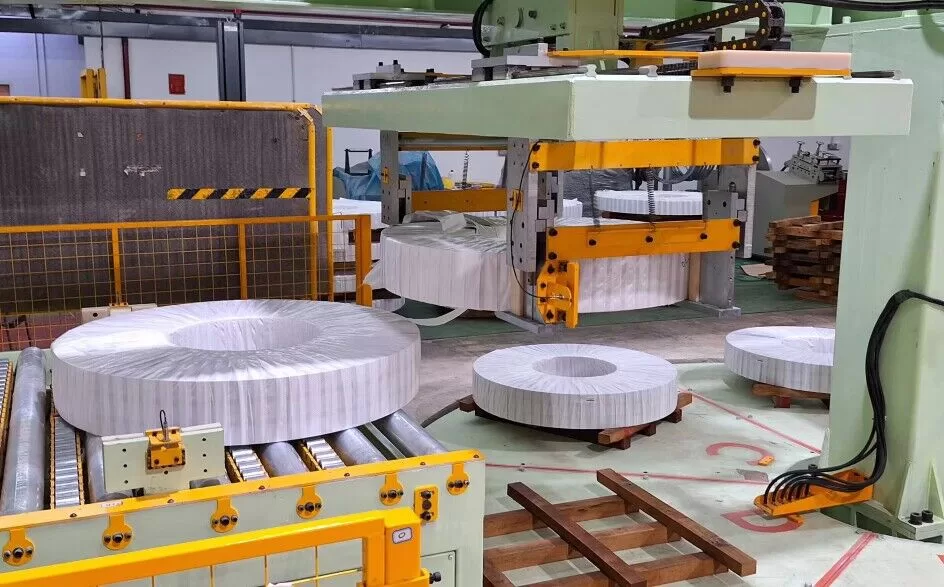
It is true that investing in new machinery feels like a big step. But imagine a packing process that runs smoothly, protects your products, and keeps your team safe. Let us explore how a well-designed packing line can transform your operations and address those specific challenges.
Can Automated Steel Coil Packing Lines Really Eliminate Production Bottlenecks?
Are your current packing methods slowing down your entire factory? Manual packing of heavy steel coils or wire often creates a serious bottleneck. This delay directly impacts your delivery schedules and overall production efficiency. Many factories find their high-speed production lines are wasted because the packing at the end cannot keep up.
Automated steel coil packing lines are designed to increase speed and efficiency by removing manual labor from repetitive, time-consuming tasks. They use advanced machinery to wrap, strap, and handle coils quickly and consistently. This eliminates the slowdowns caused by human limitations, making the entire production flow smoother.

When I first started in the packing machine industry, I saw many plants struggling. They invested heavily in new production machines, only to have their finished goods sit waiting to be packed. This was like having a Formula 1 car but only being able to drive it in first gear. It was clear that the packing stage was often overlooked, yet it held the key to unlocking true efficiency. My goal with FHOPEPACK is to help businesses see this. We want them to understand how automating their packing process can change everything. It can turn a slow, manual bottleneck into a smooth, fast operation. This frees up resources and reduces the time products spend waiting to ship.
Breaking Down Packing Bottlenecks
Automating your steel coil packing line means more than just buying new machines. It is about redesigning your workflow for maximum output.
-
Understanding Your Current Bottlenecks Before automating, you must know where the delays happen. Is it wrapping? Is it handling? Is it strapping? Manual processes are slow. They are also inconsistent. Workers get tired. They need breaks. Machines do not. An automated system runs continuously. It maintains a steady speed. This consistency is vital for high volume production.
-
The Power of Integration A truly efficient packing line connects different machines. This includes coil upenders, wrapping machines, strapping machines, and stacking systems. Each part works together. This creates a seamless flow. It removes the need for manual transfers between stations. This integration reduces cycle times significantly. It means more coils packed per hour. This directly leads to higher overall plant output.
-
Real-Time Data and Optimization Modern packing lines come with smart controls. These systems collect data on packing speed, material usage, and machine uptime. This data helps you identify areas for improvement. You can optimize settings for different coil sizes. You can predict maintenance needs. This proactive approach prevents unexpected downtime. It ensures your line runs at peak performance.
| Bottleneck Type | Manual Process Issue | Automated Solution |
|---|---|---|
| Speed & Throughput | Slow wrapping speeds, inconsistent cycle times. | High-speed wrapping, consistent cycles, 24/7 operation. |
| Labor Dependency | Requires many workers, high labor costs, fatigue. | Reduced labor needs, workers can focus on higher-value tasks. |
| Product Flow | Jams and delays between packing stages. | Seamless integration, smooth transfer between machines. |
| Quality Control | Inconsistent wrap quality, potential for human error. | Uniform tension, precise material application, consistent results. |
| Downtime | Frequent stops for material loading, worker breaks. | Automatic material feeding, continuous operation. |
For example, a fully automatic stretch wrapper can wrap a coil in under 60 seconds. A team of workers might take 5-10 minutes to do the same task by hand. When you scale this up to hundreds or thousands of coils per day, the time savings are massive. This means you can process more orders faster. You can meet tighter deadlines. This also frees up your existing workforce. They can move to other critical areas of the factory. This improves overall plant productivity. This shift from manual to automatic operations is not just about speed. It is about creating a more reliable and predictable production environment. It lays the groundwork for continuous growth.
Are Your Workers Safe? How Automated Packing Boosts Safety and Reduces Risk?
Is manual handling of heavy steel coils putting your workers at risk? Moving large, heavy objects is inherently dangerous. It leads to injuries, high insurance costs, and employee turnover. Many factory managers face constant pressure to improve workplace safety. They know that an accident can disrupt operations and harm their team.
Automated packing systems significantly improve worker safety by eliminating the need for manual handling of heavy or awkward materials. Machines take over dangerous tasks like lifting, turning, and wrapping heavy steel coils. This drastically reduces the risk of sprains, strains, crushing injuries, and other accidents, creating a much safer work environment.

When I was first building my own packing machine factory, one of my top priorities was employee safety. I saw firsthand the dangers of manual handling in other plants. I knew I did not want my team, or my clients’ teams, to face those same risks. We designed our machines with safety at the forefront. We added sensors, safety guards, and automatic processes. My goal was always to make the workplace safer and more productive. It is not just about compliance. It is about protecting people. And it is about ensuring your business can run without interruption from preventable accidents.
Minimizing Risks Through Automation
Safety is not an afterthought; it must be designed into your operations. Automation makes your factory safer.
-
Eliminating Manual Intervention The biggest safety gain comes from removing workers from hazardous zones. Coil upenders, for example, safely tilt coils. No one has to manually lift or turn them. Automatic strapping machines apply bands without workers getting near moving parts. This keeps hands and bodies away from heavy loads and pinch points. The risk of falls, crushing injuries, and repetitive strain injuries drops dramatically. This leads to fewer medical claims and lower insurance premiums.
-
Ensuring Consistent Procedures Human error is a major cause of accidents. Automated systems follow predefined procedures every time. There is no variation in how coils are handled or wrapped. This consistency reduces the chance of mistakes. It prevents accidents caused by fatigue or distraction. Safety sensors and interlocks on machines immediately stop operation if a safety barrier is breached. This protects workers from accidental contact with moving parts.
-
Ergonomic Benefits and Worker Well-being Beyond preventing major accidents, automation also improves the daily work environment. It removes physically demanding tasks. This reduces long-term health issues for employees. Workers are happier and healthier. This leads to higher morale and lower turnover. It creates a more sustainable workforce. They can focus on monitoring the machines, maintaining quality, and performing higher-skilled tasks.
| Safety Risk (Manual) | Automated Solution | Benefit |
|---|---|---|
| Crushing Injuries | Automated coil handling, upenders, conveyors. | Workers do not touch heavy coils directly. |
| Strains & Sprains | Robotic or mechanical wrapping and strapping. | Eliminates manual lifting, bending, and repetitive motions. |
| Slips & Falls | Clear, unencumbered pathways, less manual movement. | Reduced clutter, less need for workers in dangerous areas. |
| Pinch Points | Enclosed machines, safety guards, interlocks. | Moving parts are inaccessible during operation. |
| Fatigue-Related Errors | Consistent machine operation, less physical demand on workers. | Maintains high safety standards even during long shifts. |
Consider the daily routine of manually strapping a large steel coil. This involves bending, pulling, and often climbing. Each action carries a risk. Now, imagine a machine that automatically positions the coil, feeds the strap, tensions it, and seals it. The worker’s role shifts to supervision. This change greatly reduces physical strain and injury risk. It also means less time lost to injuries and fewer workers’ compensation claims. For factory managers like Michael, this means a healthier workforce and a more stable operation. It shows a commitment to employee well-being. This is not just good for people; it is good for business.
Why is Product Protection and Equipment Durability Crucial for Your Bottom Line?
Are you losing money due to damaged products during packing and transport? Steel coils are valuable. Even minor damage, like scratched edges or dents, can lead to customer complaints and financial loss. Beyond that, does your current packing equipment break down often? Does it struggle with heavy loads or harsh conditions? This leads to costly repairs and production halts.
Investing in durable packing equipment that provides superior product protection directly improves your profitability. High-quality wrapping and handling systems prevent damage during internal transfers and shipping. Robust machines built for heavy-duty use ensure consistent operation and minimize expensive downtime. This protects your product quality and your financial investment.
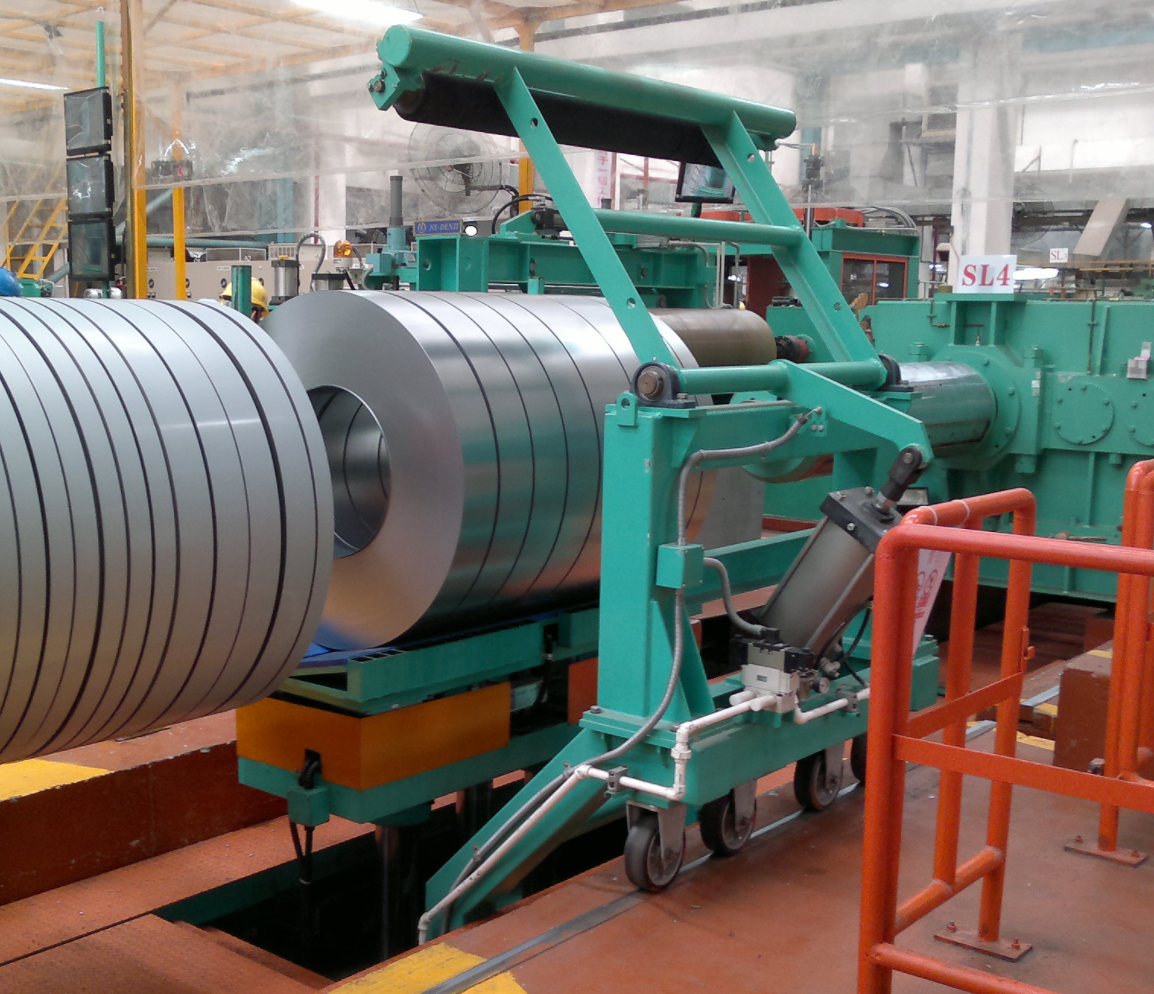
My journey in the packing industry taught me a fundamental truth: product quality extends to the packing. I have seen clients lose big contracts because their products arrived damaged. It did not matter how good the steel was if the packing failed. This drove me to build machines that not only pack efficiently but also protect the product rigorously. With FHOPEPACK, we believe that durability is not a luxury; it is a necessity. Especially when dealing with heavy materials like steel coils and the demanding conditions of places like Brazil. A machine that cannot stand up to the environment is a machine that will cost you more in the long run.
Ensuring Product Integrity and Equipment Longevity
Protecting your product and ensuring your equipment lasts are two sides of the same coin when it comes to profitability.
-
Advanced Wrapping Techniques High-quality wrapping goes beyond just covering the product. It involves consistent tension, proper overlap, and strong, durable wrapping materials. For steel coils, stretch film or VCI paper can protect against rust, moisture, and physical abrasions. A well-wrapped coil withstands bumps and jostles during transport. This prevents surface damage and edge deformation. This means fewer customer rejections and higher customer satisfaction. It protects your brand reputation.
-
Robust Equipment Design Packing steel coils puts immense stress on machinery. Our equipment is built with heavy-duty steel frames, industrial-grade components, and reliable motors. These machines are designed for continuous operation in demanding factory environments. They can handle the weight and dimensions of various coils without failing. This design focus on durability reduces the need for frequent repairs. It also extends the machine’s lifespan. This means a better return on your initial investment.
-
Adaptation to Environmental Challenges For regions like Brazil, climate considerations are vital. High humidity can lead to rust. Dust and heat can affect machine performance. Our machines are designed to operate reliably in these conditions. This includes features like sealed bearings, corrosion-resistant coatings, and robust electrical systems. This ensures consistent performance regardless of external factors. This adaptability is critical for continuous production and product quality. It provides peace of mind that your investment is secure.
| Product Damage Risk | Solution | Benefit |
|---|---|---|
| Rust/Corrosion | VCI film or paper, moisture-resistant stretch film. | Protects steel from humidity and atmospheric elements. |
| Surface Scratches | Consistent, tight wrapping with protective materials. | Prevents abrasions during handling and transit. |
| Edge Dents/Deformation | Secure strapping, proper coil handling, protective padding. | Maintains coil shape and integrity. |
| Dust/Dirt Contamination | Full enclosure wrapping, tight seals. | Keeps products clean and free from external debris. |
| Transit Vibrations | Secure packaging, proper load bracing. | Minimizes movement and impact damage during shipping. |
Think about a coil that travels hundreds of miles by truck, or even across the ocean. Without proper packing, it arrives looking less than perfect. This directly impacts your bottom line. Every damaged coil is a loss. It could be a full rejection, or a discounted sale. My philosophy is that the packing machine is an extension of your quality control. It is the last line of defense for your product. Investing in a durable, protective packing line is not an expense. It is a strategic investment in your product’s quality and your company’s financial health. It ensures that the effort you put into manufacturing is not undone at the final step.
What Specific Climate and Logistics Challenges Does Brazil Pose for Steel Coil Packing?
Does your packing solution account for Brazil’s unique climate and vast geography? Brazil presents distinct challenges for steel coil and wire packing. Its diverse climates, from humid coastal areas to hot, dry inland regions, can affect both product integrity and machine performance. The country’s extensive, often challenging logistics network also puts immense pressure on packaging.
Brazil’s climate, with its high humidity and temperature variations, requires packing materials that offer superior corrosion protection and machines built to withstand harsh conditions. Its vast geography and varied transport infrastructure demand packaging that can endure long journeys and multiple handling points. Tailored packing solutions are essential to protect valuable steel products and ensure reliable operations.
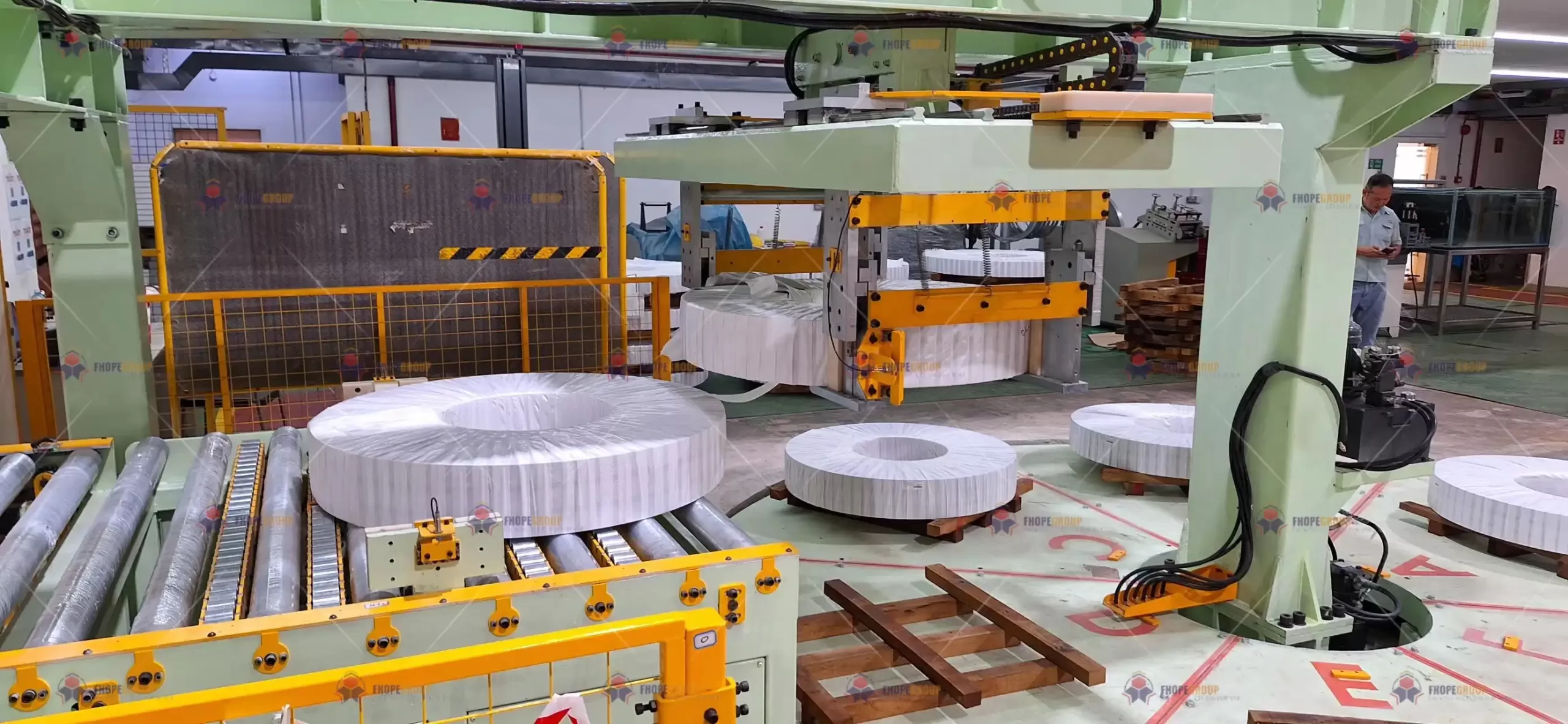
Early in my career, I got to work on projects for clients exporting to, and operating within, Brazil. What I learned quickly was that a packing solution that works in a dry, temperate climate might completely fail there. The humidity could cause rust almost overnight. The long transit distances and rough roads could damage coils that were not packed correctly. This experience made it clear that “one size fits all” simply does not work for global logistics. FHOPEPACK designs our machines with these real-world conditions in mind. We want to provide solutions that truly perform, no matter where your products are headed.
Navigating Brazil’s Unique Environment
Successfully packing for Brazil means understanding and preparing for its specific environmental and logistical factors.
-
Humidity and Corrosion Protection Brazil’s high humidity, especially near coastal ports, is a major threat to steel. Unprotected coils can rust quickly. This leads to costly claims and rework. Effective packing must include advanced corrosion inhibitors like VCI (Volatile Corrosion Inhibitor) film or paper. These materials release protective chemicals that prevent rust. They create a micro-climate around the coil. The packing machine must apply these materials consistently. This ensures full coverage and protection from the moment the coil leaves the factory.
-
Temperature Extremes and Material Integrity Temperatures in Brazil can vary widely. Hot and humid conditions can affect packing material properties. Some films might degrade or become less effective. Our machines are designed to work with materials that maintain their strength and protective qualities across these temperature ranges. The machine components themselves must also withstand heat. This ensures continuous operation without overheating or breaking down. This means more reliable packing cycles.
-
Long-Distance Logistics and Handling Stress Brazil’s size means long transport distances. Products often travel by truck over varying road conditions. They might pass through multiple transfer points. This means the packaging must be extremely durable. It needs to absorb shocks and vibrations. Secure strapping and a robust outer wrap prevent the coil from shifting or breaking free. This minimizes damage from impact or movement during transit. It protects your investment until it reaches the customer.
| Challenge Factor | Impact on Packing | FHOPEPACK Solution Features |
|---|---|---|
| High Humidity | Rust and corrosion on steel. | VCI film/paper dispensers, moisture-resistant stretch wrap. |
| Temperature Variation | Material degradation, machine overheating. | Robust machine components, compatible with resilient films. |
| Long Transit Times | Increased risk of damage during extended travel. | High-tension strapping, multi-layer wrapping capability. |
| Rough Roads/Handling | Coil shifting, denting, packaging failure. | Heavy-duty machine construction, secure wrapping patterns. |
| Port Storage | Exposure to marine air, prolonged elements. | Enhanced sealing, comprehensive protective material application. |
Consider a steel coil destined for a port city like Santos or Rio de Janeiro. It might spend days in transit. It will be exposed to varying temperatures and high humidity. If the packing is not designed for this, you risk delivering a product that is already rusting upon arrival. This can ruin customer trust. My experience has shown me that proper packing is a competitive advantage. It ensures that your high-quality products arrive in perfect condition. This demonstrates your commitment to quality. It reinforces your reputation as a reliable supplier in a challenging market.
What Deeper Insights Can an Experienced Engineer Bring to Your Packing Challenges?
Are you tired of equipment suppliers who only care about making a sale? Do you wish you had a partner who truly understands your factory’s operational pain points? Many managers tell me they struggle to find someone who offers real solutions, not just products. They need guidance on complex issues like efficiency, safety, and return on investment.
As a packing machine engineer who built and ran my own successful factory, I bring a unique blend of technical expertise and practical business understanding to your challenges. I know what it takes to boost output, cut costs, and ensure safety from a factory manager’s perspective. My insights go beyond machinery; I offer a partnership to help you make smart investments and achieve your business goals.
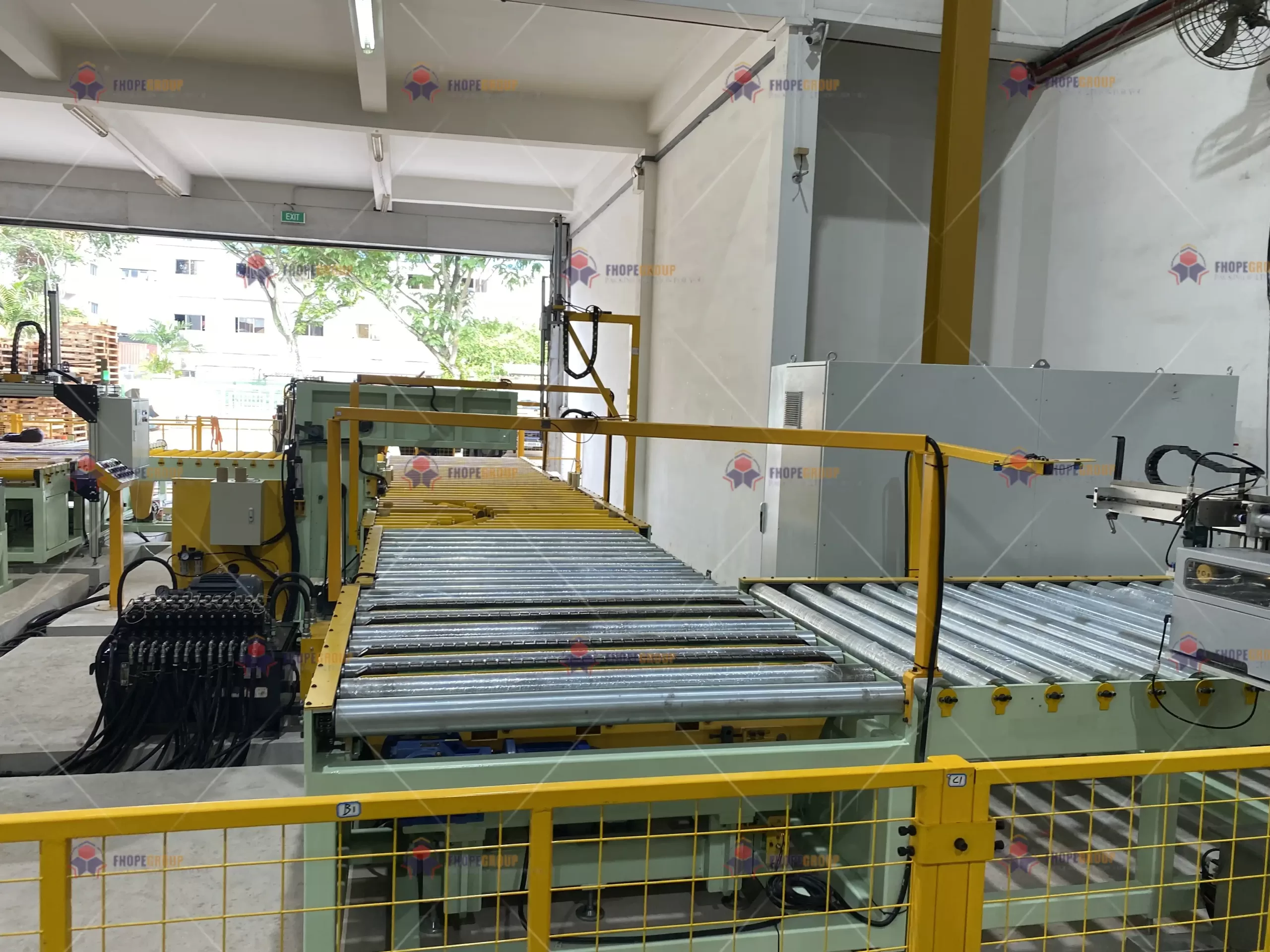
My journey started as an employee on the factory floor. I saw the struggles firsthand. Later, I built my own packing machine factory. This experience taught me that good machinery is only one part of the solution. The other part is understanding the client’s entire operation. It is about their specific challenges, their financial goals, and their long-term vision. That is why FHOPEPACK is more than just a machine supplier. We are a knowledge-sharing platform. My goal is to use my experience to help others avoid pitfalls and find true success. I want to help you make informed decisions that directly impact your profitability and peace of mind.
A Partner, Not Just a Vendor
Finding the right packing solution is a strategic decision. It needs more than a sales pitch.
-
Understanding Your Operational Context Every factory is different. I do not just look at what machine you need. I look at your entire production flow. What are your specific bottlenecks? What safety concerns keep you up at night? What are your daily throughput goals? By understanding your unique context, I can help you identify the root causes of problems. We can then select a solution that truly fits. This means considering your current setup. It means looking at your future growth plans. It ensures the proposed solution integrates seamlessly.
-
Focusing on Return on Investment (ROI) Any investment in new equipment must make financial sense. I help you analyze the potential ROI of automated packing. This includes calculating savings from reduced labor costs. It includes estimating gains from fewer product damages. It includes valuing the improved safety record. My own experience in running a factory means I understand balance sheets. I can help you build a solid business case for your investment. This is about more than just the machine cost. It is about the long-term value it brings to your business.
-
Beyond the Sale: Long-Term Partnership My commitment does not end when the machine ships. FHOPEPACK is dedicated to long-term client success. This means providing expert advice on installation. It means offering guidance on maintenance. It means being available for ongoing support. It is about building a relationship based on trust and shared goals. When you invest in FHOPEPACK, you gain a partner. You gain someone who truly cares about your factory’s efficiency, safety, and profitability. I have walked in your shoes. I know what it takes to succeed in this industry.
| Supplier Type | Approach to Problem | Value Proposition |
|---|---|---|
| Typical Vendor | Sells based on product features. | Offers a machine, focuses on price. |
| Experienced Engineer (Randal) | Diagnoses root causes, considers entire operation. | Provides tailored solutions, focuses on ROI and long-term success. |
| Typical Vendor | Limited post-sale engagement. | Transactional relationship. |
| Experienced Engineer (Randal) | Offers ongoing support, technical advice. | Builds a partnership, invests in your growth. |
| Typical Vendor | General solutions for a wide market. | May not fully understand specific industry nuances. |
| Experienced Engineer (Randal) | Deep industry knowledge, understands factory manager’s pressure points. | Delivers precise solutions for complex challenges. |
For a factory manager like Michael, this deep level of understanding makes all the difference. Instead of just being sold a piece of machinery, you are engaging with someone who has faced similar production pressures. You are partnering with someone who values efficiency, safety, and profitability as much as you do. This collaboration ensures that your investment not only solves immediate problems but also lays a strong foundation for future growth and competitive advantage in a demanding market like Brazil.
Conclusion
FHOPEPACK offers robust packing solutions to overcome Brazil’s climate and logistics challenges. We boost efficiency, enhance safety, and protect your products. This ensures your factory thrives.








