
Smart Factory Upgrade in Brazil | Why Automatic Steel Coil Packing Machines Are in High Demand?
As Randal Liu, the founder of FHOPEPACK, I have seen firsthand how industrial landscapes evolve. For years, I worked in packing machine factories, then built my own successful business, helping clients grow and achieve more. Now, I share my knowledge. Today, we turn our attention to Brazil, a vibrant nation where the call for industrial modernization is louder than ever. Are you a factory manager in Brazil, feeling the pressure to boost output, cut costs, and keep your team safe? If so, you understand the critical need for change in an industry where every minute of downtime means significant losses.
The demand for automatic steel coil packing machines in Brazil is surging because factories are realizing that outdated, manual processes are no longer sustainable for competitive growth. These machines directly address critical issues like production bottlenecks, high labor costs, significant safety hazards, and product damage, pushing Brazilian manufacturers towards smarter, safer, and more efficient operations. This shift is about survival and prosperity in a rapidly changing global market.
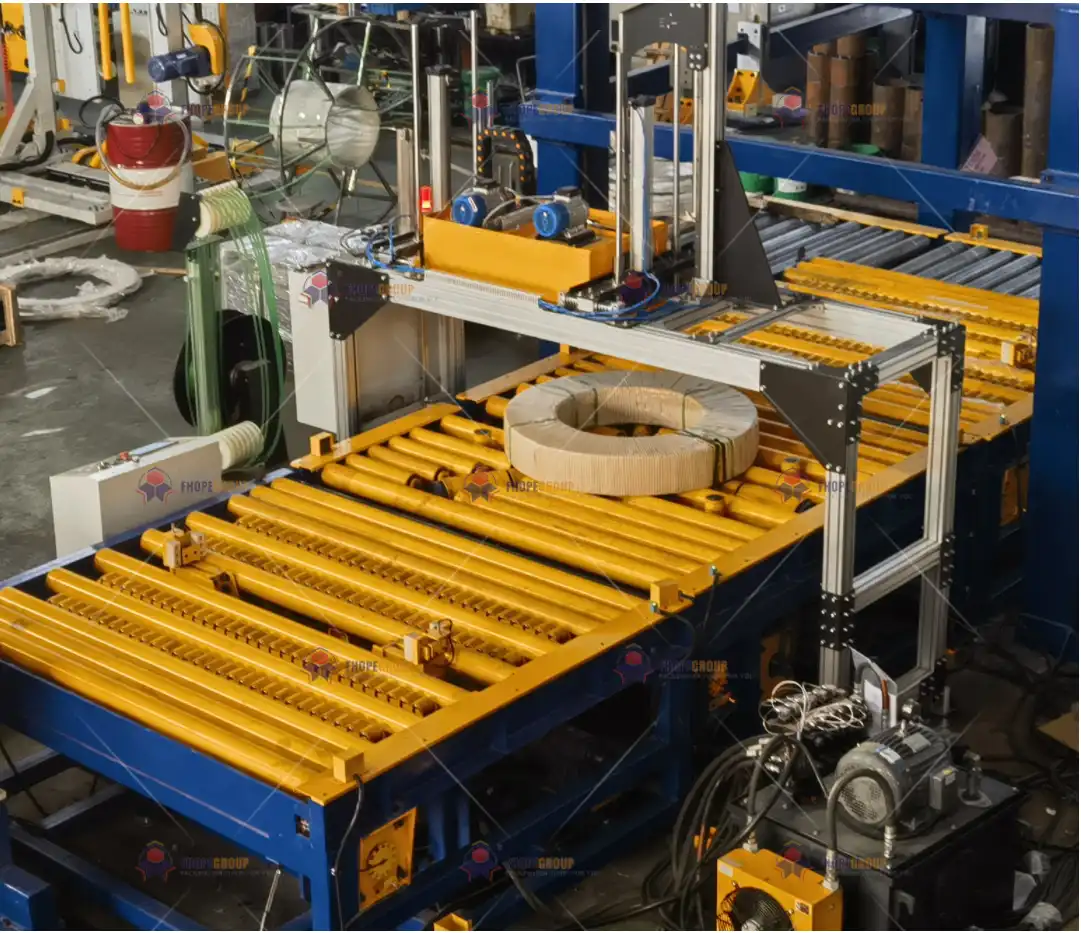
This isn’t just a trend; it’s a fundamental shift in how businesses operate. We are talking about solutions that bring real, measurable improvements. I want to dive deeper into why this transformation is so vital, especially for factories handling heavy products like steel coils and wire. Let’s explore the driving forces behind this demand and how you can benefit.
1. What Drives Brazil’s Urgent Need for Smart Industrial Upgrades?
Many years ago, when I was starting my journey in the packing machine industry, efficiency was always a goal. Today, for countries like Brazil, it is a necessity. The pressure on factory managers, especially in heavy industries like steel, is immense. They face global competition and local market demands. This creates an urgent need for smarter, more efficient ways of working.
Brazil’s industrial sector is undergoing a rapid modernization phase, fueled by global competition, increasing labor costs, and a growing emphasis on worker safety and product quality. This combination of factors is pushing companies, particularly those dealing with heavy materials like steel coils and wire, to invest heavily in smart factory upgrades and advanced automation technologies. The goal is to enhance overall operational efficiency and secure a competitive edge in the domestic and international markets.
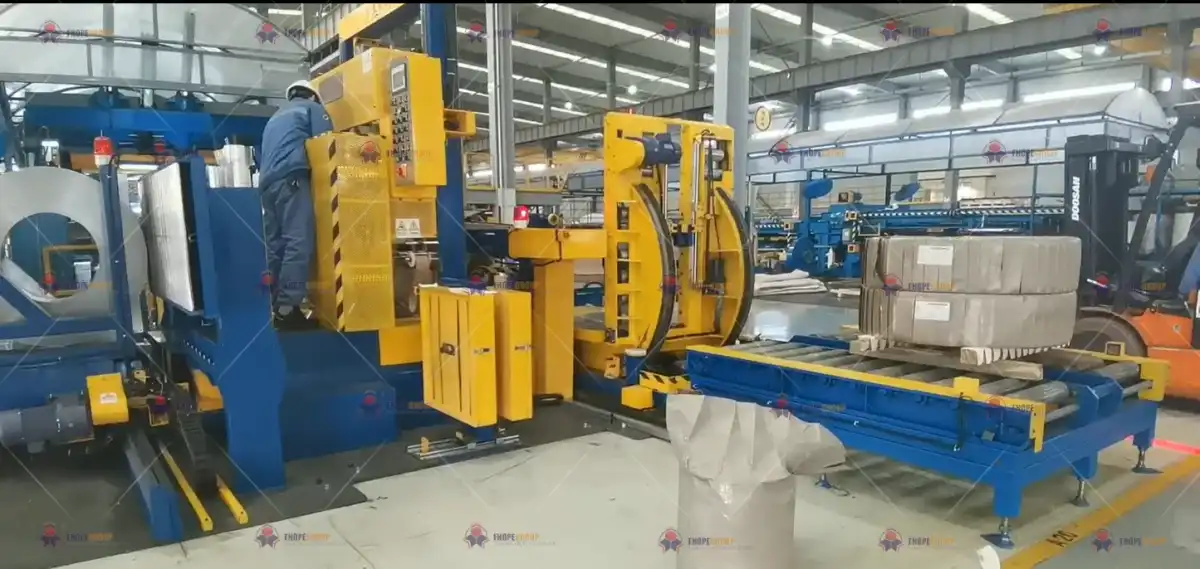
The drive for industrial upgrades in Brazil is multifaceted. It’s not just about getting new machines. It is about a complete change in mindset and process. From my experience helping many clients grow their businesses, I have learned that true growth comes from understanding the deeper challenges.
Why Brazil’s Manufacturing Sector is Evolving Rapidly
- Global Competitiveness: Brazilian factories need to compete with international players. This means they must produce goods faster, cheaper, and with higher quality. Manual processes make this hard. Automation helps factories meet these tough standards. (Global market pressure, manufacturing efficiency)
- Rising Labor Costs & Shortages: The cost of labor in Brazil is increasing. Also, finding skilled workers for demanding physical tasks is becoming harder. This makes manual operations expensive and less reliable. Automated systems reduce reliance on extensive manual labor. (Workforce challenges, operational costs)
- Focus on Worker Safety & Well-being: There is a growing focus on protecting workers. Heavy lifting and repetitive tasks in packing often lead to injuries. Companies are looking for ways to reduce these risks. Safety is a top priority for factory managers like Jose in metal processing plants. (Workplace safety, injury prevention)
- Demand for Higher Quality Products: Customers expect flawless products. Damage during packing or transport leads to complaints and lost business. Automated systems offer consistent, gentle handling, which reduces product damage. (Customer satisfaction, quality control)
- Environmental Regulations & Sustainability: Modern factories also face pressure to be more sustainable. Efficient machines often use less energy and produce less waste. This helps companies meet environmental goals. (Sustainable manufacturing, resource optimization)
Impact on Key Industries: Brazil’s steel, automotive, and logistics sectors are major drivers of this change. These industries handle vast amounts of heavy goods. Improving their efficiency has a ripple effect on the entire economy. For a factory manager in Brazil, investing in smart technology is not just an option. It is a strategic move to ensure long-term success. It supports their goals of boosting output, cutting costs, and ensuring safety. (Brazilian industrial growth, factory modernization)
2. What Hidden Costs Are Manual Steel Coil Packing Methods Imposing on Your Factory?
Many years ago, I visited a factory where workers struggled with heavy steel coils. It reminded me of my own early days. The sight of manual handling always brought a sense of concern. This scene is still common in many places, including parts of Brazil. But what many managers do not see are the hidden costs of these manual methods. They go far beyond just wages.
Manual steel coil packing methods, while seemingly cost-effective initially, impose significant hidden costs on factories, severely impacting overall profitability and operational sustainability. These include substantial efficiency bottlenecks that slow production, high risks of worker injury leading to increased insurance premiums and staff turnover, and frequent product damage that results in customer complaints and financial losses. Understanding these indirect expenses is crucial for factory managers in Brazil to justify investments in automation and achieve true cost savings.
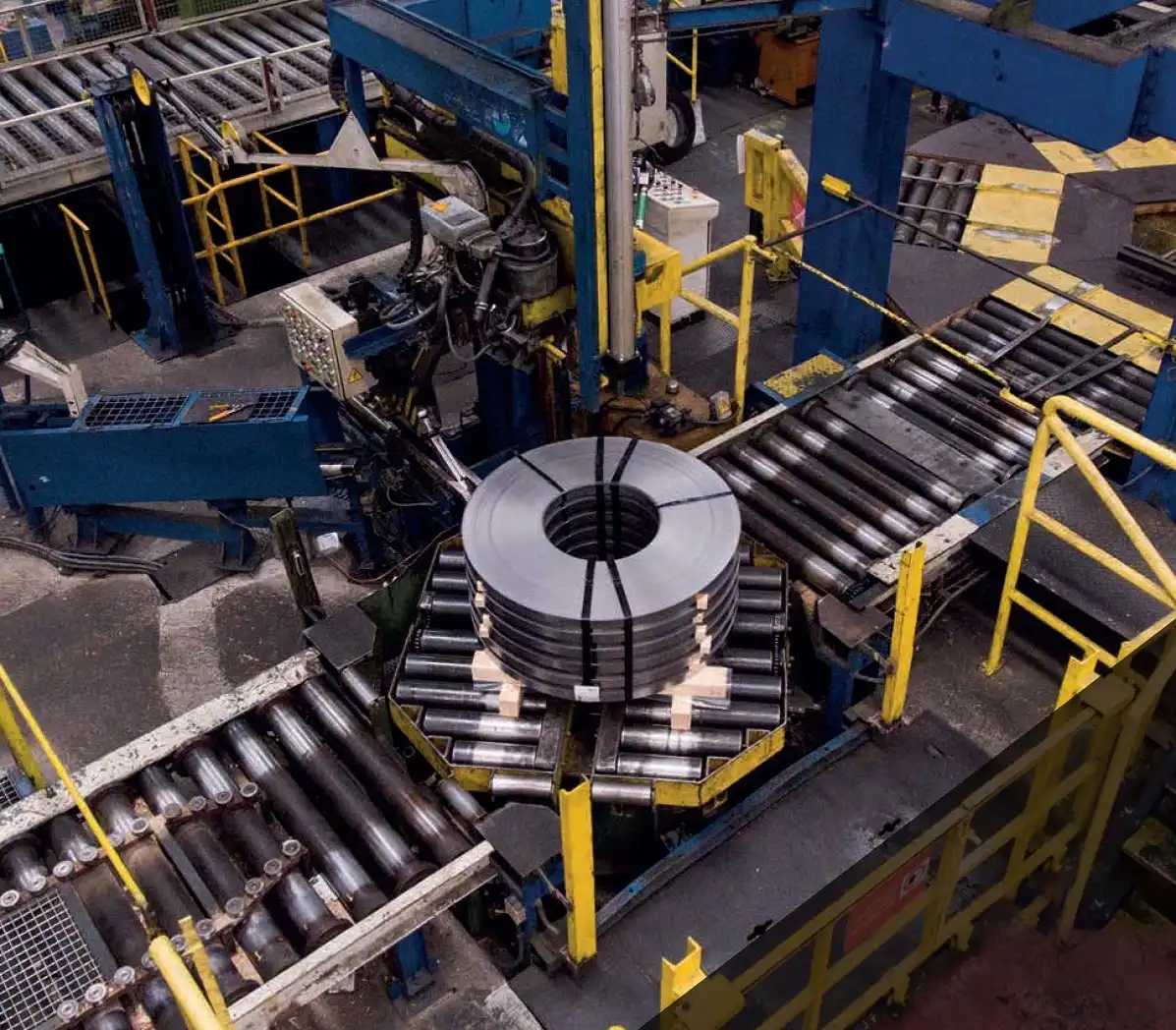
When I founded FHOPEPACK, my goal was to help businesses achieve financial independence. This often means identifying inefficiencies and offering solutions. Jose, a factory manager, knows that any downtime on the production line means huge losses. But the “invisible” losses from manual packing are often overlooked until they become critical.
Unpacking the True Cost of Manual Operations
Let’s break down the often-unseen financial drains caused by manual steel coil and wire packing:
- Efficiency Bottlenecks:
- Problem: Manual packing is inherently slow. Each coil requires multiple workers and steps. This creates a choke point at the end of the production line.
- Impact: Finished products stack up, waiting to be packed. This delays shipments and reduces overall factory output. It can lead to missed deadlines and unhappy customers.
- Result: A factory producing 100 coils a day might only be able to pack 70, leaving 30 coils waiting. This lost capacity directly impacts revenue. (Production slowdowns, output limitations, delivery delays)
- Safety Hazards & Human Costs:
- Problem: Workers manually lifting, positioning, and strapping heavy steel coils face high risks. These tasks are dangerous and physically demanding.
- Impact: High rates of workplace injuries (strains, crushed limbs, back problems). This leads to increased medical costs, higher insurance premiums, and lost workdays.
- Result: Beyond the human suffering, a single serious injury can cost a factory tens of thousands of dollars in direct and indirect expenses, plus a negative impact on staff morale and retention. (Worker injury risks, labor insurance costs, employee turnover)
- Product Damage & Quality Issues:
- Problem: During manual handling, especially with heavy steel coils, product edges can get dinged, scratched, or deformed.
- Impact: Damaged products lead to customer complaints, returns, and potential rejections. This erodes customer trust and factory reputation.
- Result: A percentage of your perfectly manufactured coils might be rendered unsellable or sold at a discount due to packing damage, directly hitting your profit margins. (Goods spoilage, customer dissatisfaction, profit erosion)
- Increased Labor Dependency & Inconsistency:
- Problem: Manual processes rely heavily on human skill and consistency. People get tired, make mistakes, or have varying work rates.
- Impact: Inconsistent packing quality, varying cycle times, and the need for more staff to cover shifts and absences.
- Result: This makes it harder to plan production schedules accurately and ensures uniform packaging quality across all products, affecting brand perception. (Labor variability, quality inconsistency, operational planning)








