
Smart Automation in Brazil | Why Steel Plants Are Adopting Automatic Steel Coil Packing Machines?
The sounds of busy factories are music to my ears. But even the most efficient plants can hit a wall. In Brazil’s competitive steel industry, many factory managers like Michael face intense pressure. Manual processes are slowing them down, making it hard to meet demand. This problem does not just hurt profits; it also puts workers at risk.
Brazilian steel plants are rapidly adopting automatic steel coil packing machines because these systems solve critical problems. They boost efficiency by speeding up packing, improve worker safety by reducing manual handling, and cut costs by preventing product damage. For managers seeking to upgrade, these machines are a clear path to better operations.

This shift to automation is not just a trend; it is a necessary evolution. Steel plants in Brazil are realizing that smart technology is the key to staying competitive and ensuring a safer workplace. Let’s look deeper into why this change is happening and what it means for the future of packing in the region.
1. Why are Brazilian steel plants facing urgent needs for automation?
Are your production lines hitting frustrating bottlenecks? Many factory managers in Brazil tell me they are. Relying on manual packing for heavy steel coils and wire rods often creates a slow point right at the end of the production line. This delays shipments and impacts overall output.
Brazilian steel plants are urgently adopting automation because their current manual packing methods are creating significant efficiency bottlenecks, increasing safety risks, and leading to product damage. These issues directly affect their ability to compete, meet customer demands, and protect their workforce in a challenging market.

From my own journey, starting as an employee and then building FHOPEPACK, I have seen these challenges firsthand. Michael, a factory manager I know in Mexico (and many like him across Brazil), deals with these pressures daily. He oversees everything from raw material entry to finished product shipment. His biggest headaches include slow, manual packing. This not only makes his team less productive but also exposes them to constant injury risks. Imagine workers repeatedly lifting heavy items or trying to secure bulky coils by hand. This is not just inefficient; it is dangerous. The financial impact is also huge, from high labor costs to costly insurance premiums and frequent employee turnover. Product damage during internal transport or packing, like damaged coil edges, further leads to customer complaints and lost profits. Michael knows he needs a lasting solution, not just a quick fix. He seeks a partner who truly understands these operational pains. He wants to overcome these hurdles, especially the efficiency issues, high accident rates, and product damage that plague manual processes in the Brazilian market. Brazilian steel plants also operate in a global marketplace, facing pressure from international competitors who often already use more automated systems. This pushes local producers to upgrade their technology to maintain market share and improve their export capabilities. The rising cost of skilled labor in Brazil also makes manual tasks less economical over time, creating a strong financial incentive to invest in machines that can perform repetitive, heavy-duty tasks without fatigue or the risk of human error. Therefore, the urgent need for automation in Brazil stems from a combination of operational inefficiencies, safety concerns, rising labor costs, and global competitive pressures. (Brazilian steel industry challenges, manual packing bottlenecks, high operational costs Brazil)
2. How do automatic steel coil packing machines improve safety and reduce costs in Brazil?
Are you tired of seeing your insurance costs rise and worrying about worker injuries? Manual handling of heavy steel coils is risky. It is a major cause of accidents and high operating expenses. What if you could protect your team better and save money at the same time?
Automatic steel coil packing machines significantly boost safety by eliminating the need for human interaction with heavy or dangerous tasks. They reduce costs by minimizing labor expenses, cutting down on product damage during packing, and lowering insurance claims. This translates into a safer workplace and a healthier bottom line for Brazilian steel manufacturers.
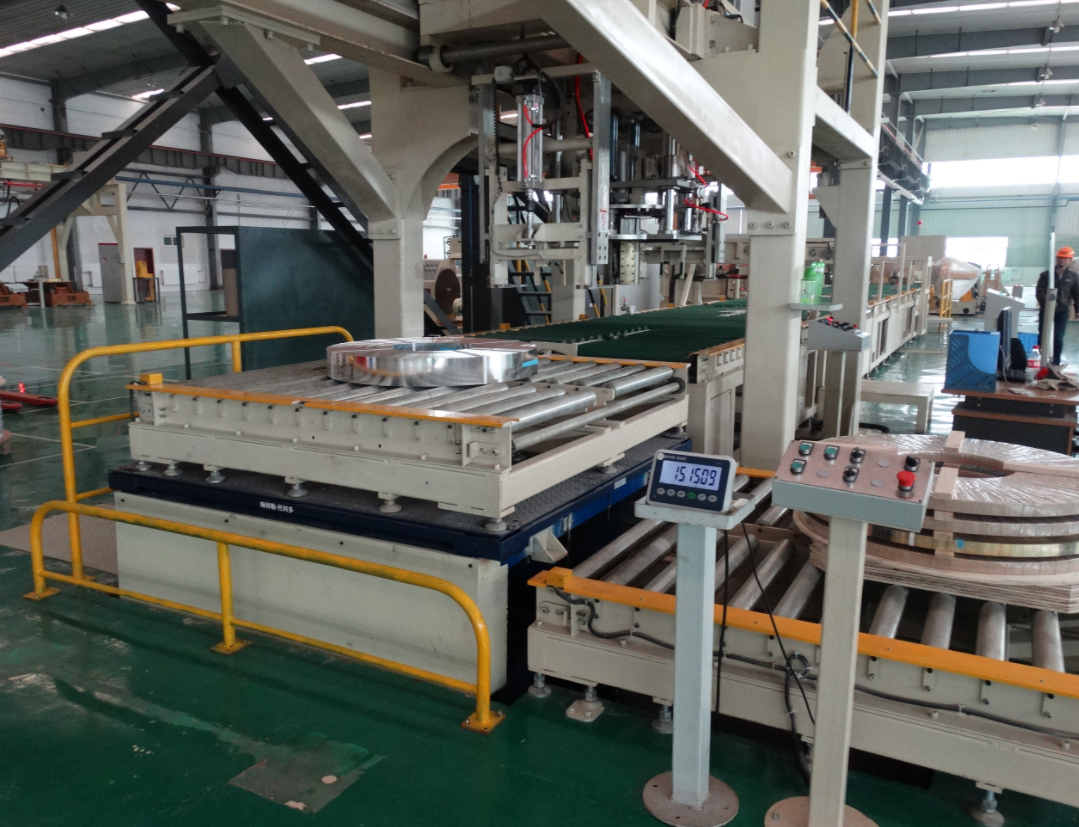
I have helped many clients grow their businesses by introducing smarter packing solutions. One of the clearest benefits I always highlight is improved safety. When machines handle heavy steel coils or wire rods, human workers do not have to. This massively reduces the risk of back injuries, crushed limbs, or other serious accidents. In Brazil, where occupational safety standards are tightening, this is not just a nice-to-have; it is essential. For instance, Michael’s factory had high injury rates from manual coil handling. By automating, he could reassign workers to safer, more skilled roles. This change not only improved morale but also led to a sharp drop in his factory’s worker compensation claims. This directly impacts the company’s financial health. Beyond safety, automation directly attacks operational costs. Consider the sheer number of staff required for manual packing processes. With an automatic machine, fewer people are needed for these specific tasks, allowing for reallocation to other vital areas or a reduction in overall labor costs. This is particularly relevant in Brazil, where labor expenses can be substantial. Also, automatic systems apply consistent tension and coverage during packing, which drastically reduces product damage. My clients often report fewer customer complaints about damaged edges or compromised packaging after switching to automation. This prevents costly reworks, returns, and ultimately, protects profit margins. The initial investment in an automatic packing machine might seem big, but the return on investment (ROI) from reduced labor, lower safety risks, and less product waste quickly makes it a wise decision for any forward-thinking Brazilian steel plant.
Here’s a simple look at how automation boosts both safety and savings:
| Benefit Category | Manual Packing Reality | Automated Packing Solution | Impact for Brazilian Plants |
|---|---|---|---|
| Worker Safety | High risk of injuries (back, crush) | Minimal human interaction with heavy items | Fewer accidents, lower insurance costs, improved morale 💪 |
| Labor Costs | High dependence on manual labor | Reduced need for direct labor | Significant savings on wages and benefits 💰 |
| Product Damage | Inconsistent packing, frequent damage | Consistent, precise packaging | Fewer rejects, less waste, happier customers ✨ |
| Efficiency | Slow, bottleneck-prone processes | High-speed, continuous operation | Faster delivery, higher throughput 🚀 |
| Insurance | High premiums due to risks | Lower risk profile | Reduced insurance expenses 🛡️ |
(steel coil packing safety Brazil, automatic packing cost savings, Brazilian manufacturing efficiency)
3. What advanced features make these packing machines essential for Brazilian operations?
Do your current packing machines struggle with the harsh demands of a steel plant? Standard equipment often cannot handle the heavy coils, dust, and continuous operation required. This leads to frequent breakdowns and costly downtime.
Modern automatic steel coil packing machines offer robust designs, intelligent controls, and customizable features that are essential for Brazilian operations. These advanced capabilities ensure reliability, adaptability to diverse product types, and seamless integration into existing production lines, handling the tough factory environment with ease.
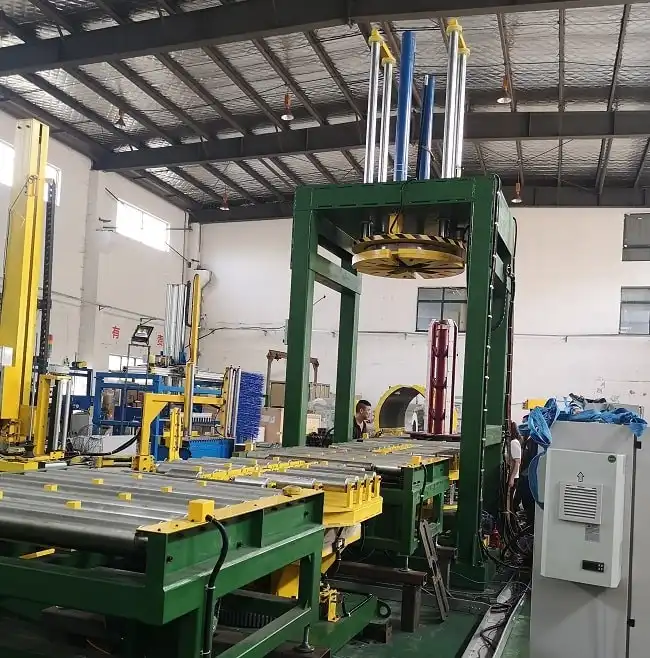
From my experience building successful packing machine factories, I know what it takes for equipment to truly perform in a demanding environment like a Brazilian steel plant. It is not just about moving coils; it is about doing it reliably, day in and day out, without fail. Advanced automatic packing machines are engineered for this kind of challenge. They come with heavy-duty components and robust frames built to withstand continuous use and harsh industrial conditions. Think about features like:
- Integrated Weighing Systems: No more manual weighing. Machines can automatically weigh coils and print labels, ensuring accuracy and speeding up the shipping process. This also helps with inventory management for Brazilian factories.
- Automatic Strapping and Wrapping: These machines use high-strength strapping materials and apply them consistently. This ensures the coil is secure for transport. The wrapping mechanism protects the coil from moisture, dust, and physical damage during storage and transit. This is crucial for maintaining product quality in varying climates.
- Customizable Packing Patterns: Not all coils are the same. These machines can be programmed to handle different coil sizes, weights, and materials. This flexibility means one machine can serve multiple product lines, making it a versatile investment for a growing Brazilian business.
- Smart Control Systems (PLC & HMI): Modern packing machines come with advanced programmable logic controllers (PLCs) and intuitive Human-Machine Interfaces (HMIs). These allow operators to monitor performance, diagnose issues, and adjust settings with ease. This reduces the need for highly specialized technicians and makes operation more straightforward. Remote diagnostics and support are also becoming common, allowing quick troubleshooting.
- Safety Interlocks and Sensors: Built-in safety features prevent accidents. Sensors detect when a coil is in place and ensure that machinery only operates when it is safe to do so. This adds another layer of protection for workers, even when they are not directly handling the coils.
- Data Logging and Reporting: These machines can collect data on packing speed, material usage, and potential errors. This information is invaluable for optimizing operations, predicting maintenance needs, and making data-driven decisions to improve efficiency and reduce waste in Brazilian plants.
These advanced features go beyond just packing. They represent a comprehensive solution that addresses operational efficiency, product integrity, and worker safety, making them indispensable for modern steel plants in Brazil. (advanced steel packing features, robust packing machinery Brazil, integrated coil packaging systems)
4. How can choosing the right automation partner in Brazil ensure long-term success?
Have you ever invested in new equipment only to find that the supplier disappears after the sale? Michael faced this issue. He had worked with vendors who focused only on making a sale. They left him with poor after-sales service. This created a crisis of trust.
Choosing the right automation partner is critical for long-term success in Brazil. It means finding an expert, not just a seller. This partner should offer deep industry knowledge, understand specific production challenges, and provide ongoing support. This ensures your investment in automatic steel coil packing machines truly solves problems and drives business growth.
My journey in the packing machine industry taught me that success is not just about building great machines; it is about building trust. When I founded FHOPEPACK, I knew I wanted to be more than just a supplier. I wanted to be a partner. For factory managers in Brazil, like Michael, finding someone who genuinely understands their production bottlenecks, safety concerns, and efficiency dilemmas is key. Michael needs someone who can offer professional insights and reliable solutions, not just equipment. This means a partner who offers:
- Deep Industry Expertise: Look for a company with a proven track record in heavy industry, specifically coil and wire packing. They should understand the nuances of steel production, the challenges of handling heavy materials, and the environmental factors in Brazil that might affect machine performance.
- Customization Capabilities: Every factory is unique. A good partner will not offer a one-size-fits-all solution. They will assess your specific needs, layout, and product types to design a packing line that fits perfectly.
- Strong After-Sales Support: This is where many suppliers fall short. A reliable partner offers robust installation support, training for your team, readily available spare parts, and responsive technical service. This is critical for minimizing downtime and ensuring the longevity of your investment in Brazil.
- Focus on ROI: They should help you clearly see the return on your investment. This includes quantifying savings in labor, reduced product damage, and increased efficiency. They should be transparent about the costs and benefits.
- A Consultative Approach: Instead of pushing products, they should act as a consultant. They listen to your problems, offer solutions, and work with you to implement them. This collaborative approach builds a lasting relationship.
At FHOPEPACK, we pride ourselves on being that kind of partner. My own experience building a successful packing machine factory means I deeply understand the operational side. I have been in Michael’s shoes. We are dedicated to sharing our expertise, helping others succeed, and making sure your investment in automation for your Brazilian plant pays off for years to come. We believe in empowering our clients with knowledge and reliable technology. (reliable packing machine suppliers Brazil, expert automation consulting, FHOPEPACK partnership Brazil)
Conclusion
The shift to automatic steel coil packing machines in Brazil is driven by a clear need for greater efficiency, enhanced safety, and significant cost savings. By embracing smart automation, steel plants can overcome long-standing challenges and secure a competitive edge. Choosing a knowledgeable partner, like FHOPEPACK, ensures a successful journey into a more automated future. Invest wisely in a steel coil packing line to transform your operations.








