

Slit Coil Packing Line: Why Must Business Leaders Push for Process Upgrades in Indian Service Centers?
Are your Indian service center’s packing operations a bottleneck? Do rising labor costs, inconsistent packaging quality, and slow throughput keep you up at night? Many businesses face these challenges, struggling to meet customer demands in a competitive market. I have seen too many companies get stuck using old methods, missing out on big opportunities. This situation does not have to continue.
Business leaders in Indian service centers must push for process upgrades in their slit coil packing lines because manual methods are now too slow, too expensive, and too inconsistent to meet modern market demands for quality, efficiency, and safety. Automated solutions offer a clear path to higher profits, better customer satisfaction, and a stronger market position.


My journey in the packing machine industry taught me that improvement is always possible. We built FHOPEPACK to share knowledge and help companies like yours succeed. Let’s look closely at why upgrading your coil packing solution is not just a good idea, but a critical move for your business in India.
Why are Manual Slit Coil Packing Methods Failing Indian Service Centers?
Are manual packing methods holding your Indian service center back from its full potential? For years, many operations relied on manual labor, but the changing market means this approach creates more problems than it solves. This older way often leads to many issues that hurt your business.
Manual slit coil packing methods are failing Indian service centers due to high labor dependency, inconsistent quality, slow production speeds, increased material waste, and significant safety risks for workers. These problems directly impact profitability and customer satisfaction.
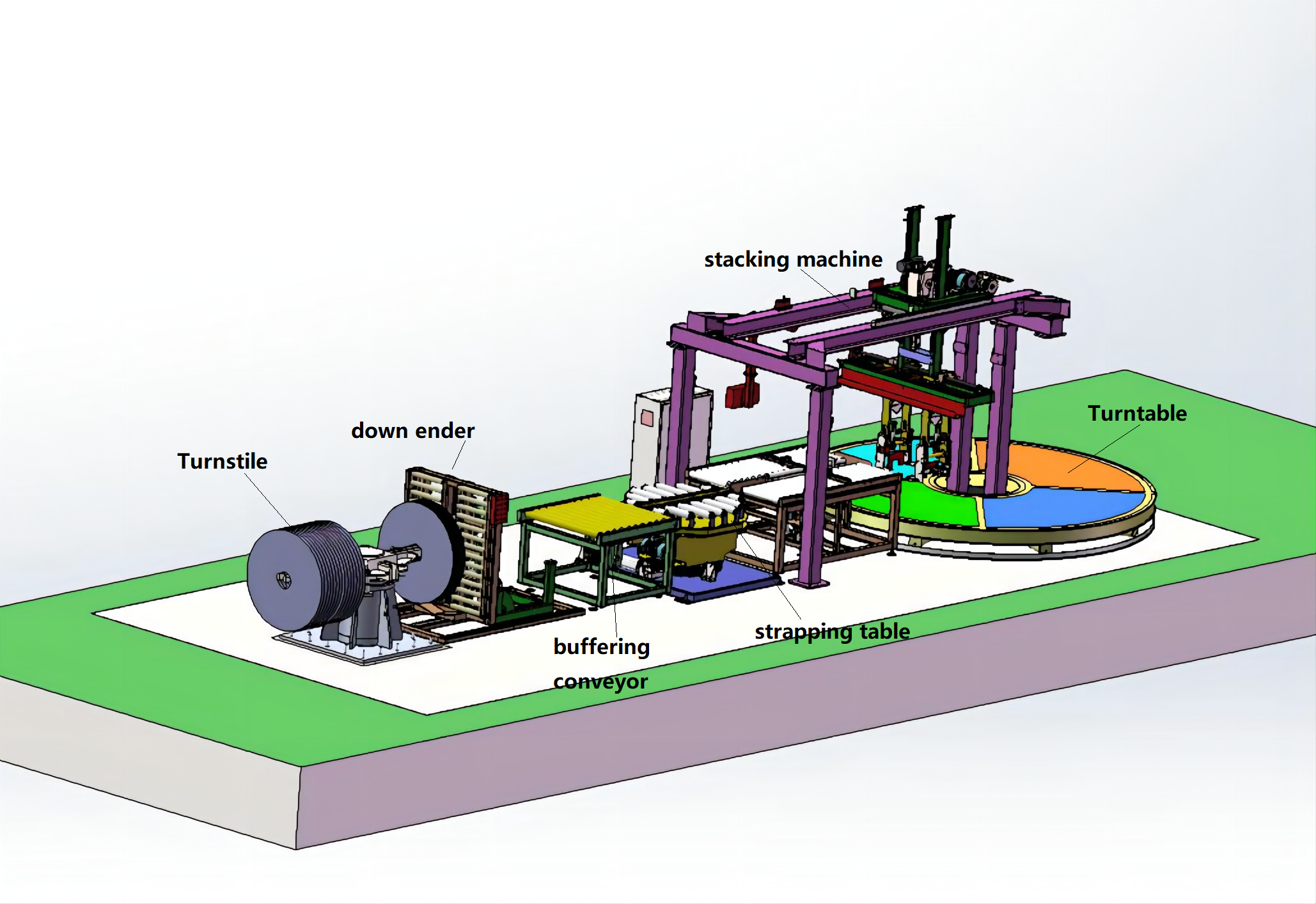

When I started my career as an engineer, I saw firsthand the struggles of factories using manual processes. They spent a lot of time and money just to keep up. Today, these challenges are even greater. It is clear that relying on manual packing is no longer a sustainable option. Let’s dive deeper into the specific ways manual methods fall short.
1. High Dependency on Manual Labor 🧑🏭
Manual packing needs many workers. In places like India, finding enough skilled labor for tough, repetitive tasks is becoming harder.
- Labor Shortage: Younger workers often do not want physically demanding jobs in packing workshops. This leads to a lack of available staff.
- Rising Costs: Labor wages are always going up. This increases operational costs for every coil packed.
- Training & Turnover: Training new staff takes time and money. High employee turnover means you train people often, which is inefficient.
2. Inconsistent Packaging Quality 📉
Human hands cannot always make perfect, uniform packages. This affects how your product looks and performs during transport.
- Uneven Tension: Workers might apply inconsistent tension to strapping or wrapping materials. This leads to loose coils that can get damaged.
- Lack of Standardization: Different workers might pack coils in different ways. This makes it hard to guarantee a consistent, high-quality look for all products.
- Protection Gaps: Inadequate wrapping can leave parts of the coil exposed to moisture, dust, or scratches. This increases the risk of product damage. (packing quality issues)
3. Slow Production and Throughput 🐢
Manual processes are simply slower than machines. This can create bottlenecks in your production line.
- Time-Consuming Steps: Each step of manual packing, like strapping, wrapping, and labeling, takes more time. This slows down the entire process.
- Bottleneck Creation: The packing area often becomes the slowest part of the production line. This holds back overall output.
- Missed Deadlines: Slow packing can make you miss delivery times. This can lead to unhappy customers and potential contract penalties. (packaging production line optimization)
4. Increased Material Waste ♻️
Manual handling can lead to more wasted packing materials. This directly impacts your bottom line.
- Over-use of Materials: Workers might use more strapping or film than needed. This increases material costs.
- Damaged Materials: Materials can get tangled, ripped, or incorrectly applied during manual use. This means more waste.
- Inefficient Usage: Machines are designed to use materials efficiently. Manual processes often lack this precision. (packaging material efficiency)
5. Significant Safety Risks for Workers 🚨
Packing heavy steel coils by hand is dangerous. This puts your employees at risk of injury.
- Heavy Lifting: Workers often lift or move heavy coils, leading to back injuries or strains.
- Crushing Hazards: Manual handling of large, heavy coils carries a high risk of crushing accidents.
- Repetitive Strain Injuries: Tasks like manual strapping cause repetitive stress, leading to long-term health problems for workers. (workplace safety in packing)
How Do Automated Slit Coil Packing Lines Boost Operational Efficiency?
Are you looking for a way to make your operations smoother and faster? Automated slit coil packing lines are a game-changer for efficiency. They take away many of the pain points that manual processes create. I’ve seen this transformation many times, and it is truly powerful.
Automated slit coil packing lines boost operational efficiency by significantly increasing throughput, reducing cycle times per coil, ensuring consistent packaging quality, minimizing errors, and enabling continuous, unattended operation. This leads to a streamlined workflow and higher overall productivity for Indian service centers.


My experience building FHOPEPACK has shown me that true efficiency comes from smart engineering. We design systems to work without stopping, making your output steady and reliable. When you put a packing production line optimization system in place, you see changes right away. Here is how automation makes a real difference.
1. Higher Throughput and Speed ⚡
Automated machines work much faster than people. They can pack more coils in less time.
- Rapid Cycle Times: Machines complete packing steps like strapping and wrapping in seconds. This means more coils are ready for shipment each hour.
- Continuous Operation: Automated lines can run 24/7 with minimal breaks. This ensures steady production and maximizes output.
- Reduced Bottlenecks: The packing process becomes fast and efficient. This prevents delays further down your production line. (high-speed packing systems)
2. Consistent Quality and Reduced Rework ✅
Machines perform tasks with high precision. This means every coil gets packed the same way.
- Uniform Tension: Automated strapping and wrapping systems apply consistent tension. This secures the coil properly, preventing shifting or damage during transit.
- Standardized Appearance: Every package looks the same. This gives your brand a professional image and meets specific client requirements.
- Fewer Defects: Machines make fewer mistakes than humans. This reduces the need for re-packing and saves time and materials. (automatic packing quality control)
3. Minimized Manual Intervention 🤖
Automation takes over repetitive and physical tasks. This frees up your workers for more skilled jobs.
- Reduced Labor Needs: Fewer operators are needed to manage the packing line. This helps address labor shortages and reduces overall wage costs.
- Automated Handling: Machines handle heavy coils, turning, and positioning them. This removes the need for human lifting and minimizes physical strain.
- Focus on Monitoring: Workers can focus on supervising the system and performing maintenance. This leads to better resource allocation. (automated packaging process)
4. Optimized Material Usage 💰
Automated systems use packing materials very efficiently. This cuts down on waste and saves money.
- Precise Measurement: Machines cut and apply strapping or film with exact measurements. This prevents over-usage or waste.
- Cost Savings: Using less material per coil adds up to big savings over time. This boosts your profit margins.
- Consistent Application: Materials are applied smoothly and securely. This protects your product effectively without excess. (packaging material optimization)
5. Seamless Integration with Production Lines 🔗
Modern automated packing lines can connect directly to your existing factory systems.
- End-to-End Automation: Coils move from the slitting line directly to the packing line. This creates a fully automated flow without manual transfers.
- Data Exchange: Integrated systems can share data about coil size, weight, and packing requirements. This ensures the correct packing for each product.
- Real-time Monitoring: You can monitor the entire packing process from a control room. This allows for quick adjustments and problem-solving. (integrated packing solutions)
Can Automated Packing Really Improve Product Quality and Reduce Damage?
Do you ever worry about your slit coils arriving damaged or improperly packaged? It’s a common concern, especially when dealing with high-value steel products. Manual packing, as I mentioned, often leads to inconsistencies that expose your products to risk. But can automation truly solve this?
Yes, automated packing significantly improves product quality and reduces damage by providing consistent wrapping tension, precise strapping, robust protection against environmental factors, and standardized packaging. This ensures coils arrive safely and meet strict customer specifications, even for demanding export markets.
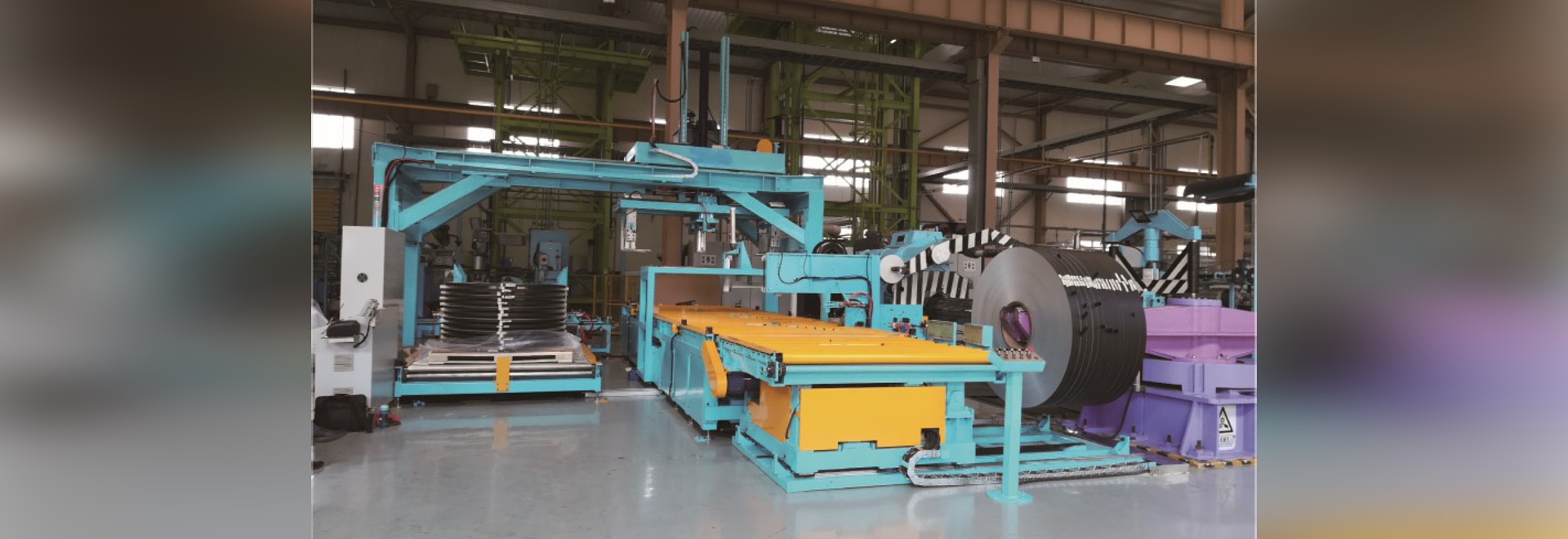

I learned early on that quality is not just about the product itself; it is also about how it reaches the customer. A perfectly manufactured coil can still result in a complaint if its packaging fails. That is why FHOPEPACK focuses on creating solutions that protect your investment. Let’s explore how automated systems deliver superior packaging quality.
1. Superior Coil Protection 🛡️
Automated systems apply protective layers with consistent precision, offering much better defense against external threats.
- Moisture and Rust Prevention: Machines can tightly apply stretch film or VCI (Volatile Corrosion Inhibitor) paper. This creates a strong barrier against humidity and rust, which is crucial for steel.
- Scratch and Dent Protection: Consistent and secure wrapping shields the coil surface from abrasions during handling and transport.
- Dust and Dirt Barrier: A well-sealed package prevents dust and contaminants from reaching the coil, keeping it clean and ready for use. (protective packaging solutions)
2. Precise and Consistent Wrapping & Strapping 📏
Machines perform these critical tasks with a level of accuracy that manual labor cannot match.
- Uniform Tension Control: Automated wrappers apply film with exact and adjustable tension. This ensures the film adheres perfectly, preventing loose spots or excessive pressure.
- Secure Strapping Application: Strapping machines apply PET or steel straps with consistent force and position. This tightly secures the coil, preventing shifting during transit.
- Even Overlap: Film layers overlap precisely, creating a continuous and strong protective shield around the entire coil. (precision packaging equipment)
3. Adaptation for Diverse Products and Specifications 🔄
Automated lines can quickly adjust to different coil sizes and customer needs.
- Variable Coil Dimensions: Modern systems can automatically detect and adjust for different coil diameters, widths, and weights (e.g., 1–3 tons, varying ID/OD).
- Customized Packaging Recipes: You can program the machine for different packing methods. For example, some coils might need PET strapping, others steel, and some might need additional stretch wrapping for moisture protection.
- Meeting Export Standards: Automated lines can consistently apply CE/ISO compliant packaging, including barcoding and labeling, which is often a requirement for international shipments. (customized packaging solutions)
4. Reduced Handling Damage During Packing 🚫
By reducing manual interaction, automation inherently lowers the risk of accidents during the packing process.
- Minimized Human Contact: Fewer human hands mean fewer chances for accidental drops, bumps, or scrapes that can damage the coil.
- Smooth Transfers: Integrated conveyors and handling systems move coils gently and efficiently from one station to the next without impact.
- Controlled Movement: Every movement of the coil is precisely controlled by the machine. This greatly reduces the risk of collisions or misalignments. (damage prevention in packaging)
5. Enhanced Traceability and Compliance 🏷️
Automated systems can easily integrate with labeling and data management tools.
- Automatic Labeling: Systems can print and apply labels with barcodes, product information, and tracking data automatically. This ensures accuracy and speed.
- Regulatory Compliance: Consistent packing helps meet strict industry standards and customer requirements. This is especially true for export markets.
- Improved Inventory Management: Barcoded products allow for easier scanning and tracking in your warehouse. This improves inventory accuracy and dispatch efficiency. (smart visual inspection packaging equipment)
What Safety and Labor Benefits Does Automation Bring to Packing Workshops?
Safety is not just a buzzword; it is a fundamental part of any successful operation. In the steel industry, where heavy materials are constantly moved, safety is even more critical. Manual packing exposes workers to many risks. So, what specific safety and labor benefits can automation offer to your packing workshop?
Automated slit coil packing lines bring significant safety and labor benefits by removing workers from hazardous tasks, reducing physical strain and injuries, addressing labor shortages, and creating a more secure working environment. This leads to fewer accidents, lower compensation costs, and a more productive workforce.


Early in my career, I saw friends and colleagues get hurt doing manual tasks that machines could easily do. It made me realize the true value of making workplaces safer. My mission with FHOPEPACK is not just about efficiency; it is also about protecting people. Here is how automation makes your packing workshop a safer, better place to work.
1. Removing Workers from Hazardous Tasks ⛑️
The most dangerous jobs are taken over by machines, protecting your staff.
- Elimination of Heavy Lifting: Machines handle all coil lifting, turning, and positioning. This completely removes the risk of back injuries or strains from manual handling.
- Reduced Crushing Risk: Workers do not need to be near moving heavy coils during packing. This removes the risk of crushing accidents that are common in manual operations.
- Hands-Free Strapping: Automated strapping means workers do not have to manually apply tension or cut straps. This reduces cuts and other injuries related to sharp tools or sudden strap releases. (workplace safety improvements)
2. Lowering Physical Strain and Repetitive Injuries 🤕
Automation lessens the physical toll on your employees.
- Decreased Fatigue: Workers are no longer doing repetitive, tiring tasks. This reduces overall fatigue and makes them more alert for other duties.
- Prevention of Musculoskeletal Disorders: Repetitive motions like bending, twisting, and forceful gripping are eliminated. This prevents long-term injuries like carpal tunnel syndrome or tendonitis.
- Improved Ergonomics: The overall workstation design becomes safer and more comfortable for operators who monitor the machines. (ergonomic packing solutions)
3. Addressing Labor Shortages and Skill Gaps 👨🔧
Automation helps you manage your workforce more effectively.
- Reduced Dependency on Unskilled Labor: The need for many workers to perform basic packing tasks goes down. You can use your skilled labor for more complex roles.
- Attracting and Retaining Talent: A modern, safer workplace is more attractive to potential employees. This helps in retaining your best workers.
- Upskilling Opportunities: Existing staff can be trained to operate and maintain the automated systems. This enhances their skills and career prospects. (intelligent filling machine working principle)
4. Creating a Safer Working Environment 🏭
The overall design of an automated line makes the entire area safer.
- Controlled Access Areas: Safety fences and interlocks prevent workers from entering dangerous areas when machines are operating.
- Emergency Stop Systems: Automated lines have quick-stop features. This allows immediate shutdown in case of an emergency.
- Reduced Noise and Clutter: Well-designed automated lines can be quieter and keep the workspace tidier. This reduces trip hazards and other environmental risks. (automated factory safety)
5. Compliance with Safety Regulations 📜
Automated systems are designed to meet strict safety standards.
- Adherence to Standards: Reputable manufacturers build automated lines to comply with international safety standards like CE. This helps your facility meet regulatory requirements.
- Lower Insurance Costs: A safer workplace with fewer incidents can lead to lower insurance premiums for your business.
- Positive Company Image: Showing a commitment to employee safety improves your company’s reputation. This attracts both talent and clients. (industrial safety automation)
Why is Choosing the Right Automation Partner Critical for Long-Term Success?
Investing in an automated slit coil packing line is a big step. It is not just about buying a machine; it is about transforming your operations for years to come. With so many options out there, how do you make sure you choose correctly? Why does your partner choice matter so much for your long-term success?
Choosing the right automation partner is critical for long-term success because it ensures you get a customized solution, reliable equipment, expert installation, comprehensive training, and ongoing technical support. A strong partnership avoids costly downtime, maximizes ROI, and helps your Indian service center stay competitive.
My personal journey is a testament to the power of good partnerships. When I started my factory, I knew that building strong relationships with clients and suppliers was key. This belief is at the core of FHOPEPACK. We want to be more than just a supplier; we want to be your trusted advisor. Let’s look at why this choice defines your future.
1. Tailored Solutions, Not Just Machines 🛠️
Every steel service center has unique needs. A good partner understands this and offers a system designed for you.
- Understanding Your Requirements: A reliable partner will spend time understanding your specific coil dimensions, output targets, space limitations, and budget.
- Customized Design: They will propose a packing production line optimization solution that fits your factory layout and operational flow, integrating seamlessly with existing equipment.
- Scalability: The solution should be flexible enough to grow with your business, allowing for future expansions or changes in product offerings. (tailored packaging solutions)
2. Proven Reliability and Quality Equipment ✨
You need machines that work day in and day out, especially in a 24/7 production environment.
- Robust Engineering: A good partner offers equipment built with high-quality components and strong engineering for continuous operation and long lifespan.
- Track Record: Look for a partner with a history of successful installations and satisfied customers in similar industries. This shows their equipment performs well.
- Durability: The equipment must withstand the harsh conditions of a steel service center, reducing the need for frequent repairs. (reliable packaging machinery)
3. Expert Installation and Seamless Integration 🚀
Setting up a complex automated line needs specialized knowledge.
- Professional Installation Team: The partner should have experienced engineers who can install the system correctly and efficiently, minimizing disruption to your operations.
- Integration with Existing Systems: They should be able to connect the new packing line with your current slitting lines, ERP, or MES systems for smooth data flow and control.
- Start-up and Testing: Comprehensive testing and fine-tuning are crucial to ensure the system works perfectly from day one. (integrated packaging systems)
4. Comprehensive Training and After-Sales Support 🎓
Your team needs to know how to operate and maintain the new system. Support must be ongoing.
- Operator Training: The partner should provide thorough training for your staff on how to operate the automated line safely and efficiently.
- Maintenance Training: Your maintenance team needs to understand how to perform routine checks and troubleshoot common issues.
- Accessible Technical Support: A good partner offers responsive technical support for any problems that arise. This minimizes downtime.
- Spare Parts Availability: Quick access to spare parts is vital to keep your line running. A strong partner ensures this. (smart packaging machine training)
5. A Partner for Long-Term Growth and Innovation 🌱
Your chosen partner should be invested in your success beyond just the sale.
- Continuous Improvement: A visionary partner will offer upgrades and new technologies as they become available. This keeps your operations at the cutting edge.
- Consultative Approach: They act as an advisor, helping you plan for future automation needs and new challenges in the market.
- Building Trust: A long-term partnership built on trust and mutual success is more valuable than a one-time transaction. This ensures ongoing support and innovation. (future packaging machine trends)

Conclusion
Indian service centers must upgrade their slit coil packing processes to automated systems. This move is no longer optional; it is essential for staying competitive. Embrace advanced technology to boost efficiency, ensure product quality, and enhance workplace safety. Partner with an expert like FHOPEPACK to install a state-of-the-art coil packing line for lasting success and growth.












