
Safety Meets Productivity | Has the Pallet Changing Machine Revolutionized Manufacturing?
Do you ever feel stuck in a loop, watching your team manually shift pallets, knowing there must be a better way? Many manufacturing and logistics managers face this daily struggle. They see their teams risking injury and valuable time on tasks that modern technology should handle. This inefficiency hurts the bottom line and slows down the entire supply chain. It is a common problem in today’s fast-paced world. (manual pallet handling challenges)
Yes, the pallet changing machine has fundamentally changed manufacturing. It moves beyond simple material handling. It is now a critical tool. It ensures safety for workers. It also drives significant gains in productivity. These machines automate the complex task of transferring goods from one pallet type to another. This includes switching between Euro, US, or hygienic pallets. This innovation saves time and reduces costs. It also keeps employees safe from injuries. The machine reduces errors and speeds up operations across the board. (pallet changer benefits)
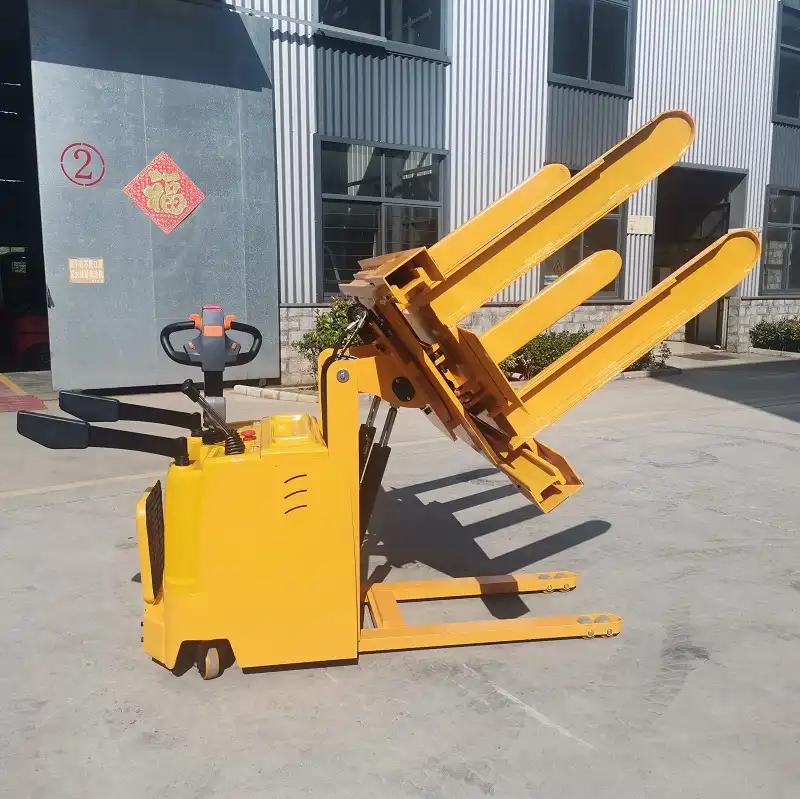
I remember when I first started in this industry. The manual methods for changing pallets were slow and dangerous. Seeing the potential for improvement fueled my passion. This passion led me to build FHOPEPACK. Now, I want to share how these machines solve real-world problems. Let’s look at how pallet changers have evolved and what they mean for your operations. (evolution of material handling)
Why Are Pallet Changes a Major Bottleneck in Modern Warehousing?
Are your warehouse operations bogged down by constant pallet switching? This is a huge pain point for many businesses. It creates delays. It also adds unnecessary costs. Every time you need to move goods from one pallet type to another, you face a potential bottleneck. This issue affects efficiency. It also impacts your team’s morale. (warehouse efficiency issues)
Pallet changes become a major bottleneck in modern warehousing for several reasons. First, diverse international standards require frequent switching between Euro, US, or custom pallets. Second, reliance on manual labor for these tasks is slow, costly, and prone to human error. Third, the physical demands of manual pallet changes lead to high labor costs and increased safety risks for workers. Finally, the growing pressure for faster delivery times means these bottlenecks directly impact customer satisfaction and compliance with strict shipping schedules. (logistics bottlenecks)
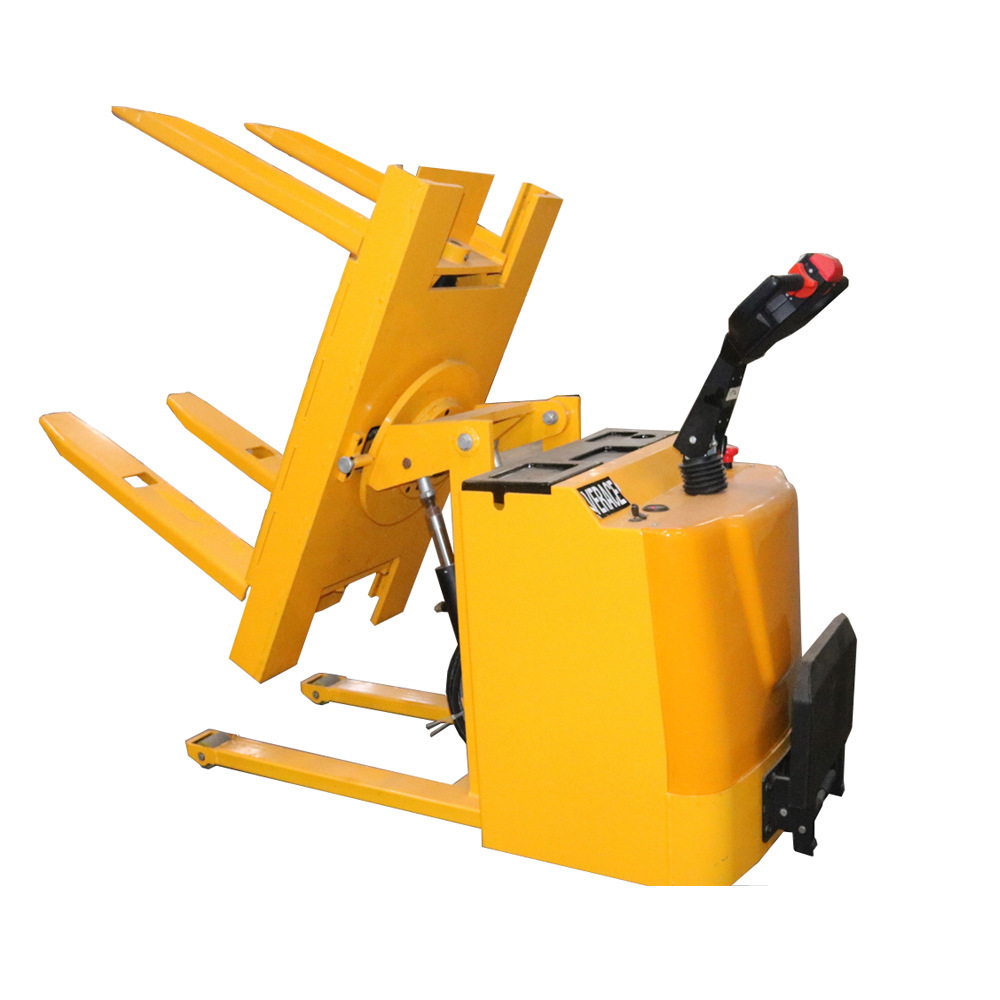
In my experience, working in packing machine factories, I saw these challenges firsthand. I learned that simply pushing through with manual labor was not a sustainable solution. This understanding shaped my vision for FHOPEPACK. We focus on tools that solve these deep-seated problems. Let’s dig deeper into the specific issues that make manual pallet changes so challenging. (packing industry challenges)
Dive Deeper Paragraph: Unpacking the Challenges of Manual Pallet Switching
Manual pallet switching might seem straightforward at first glance. However, it presents a complex web of challenges for any warehouse or logistics manager. I have seen countless operations struggle with these issues. They directly affect productivity, cost, and safety. Understanding these problems is the first step toward finding a sustainable solution.
-
📦 Diverse Pallet Specifications Lead to Chaos:
- Many companies operate globally. This means they handle various pallet types. You might deal with Euro pallets, US standard pallets, or specific plastic pallets for hygiene.
- Switching between these types is mandatory for international shipments or internal processing. For example, a European distribution center might receive goods on Euro pallets but needs to ship them to the US on American pallets.
- Manually transferring goods, especially heavy or unstable loads, between different pallet sizes is incredibly time-consuming. It disrupts the flow of the warehouse. This creates significant delays. This also increases the chances of errors. An incorrect pallet type can lead to rejected shipments. This causes penalties and unhappy customers.
- Handling different pallet heights and base dimensions adds another layer of complexity. Workers must carefully align and move products. This slows down the entire process. (diverse pallet types)
-
👨🏭 Labor Shortages and High Costs:
- Today, warehouses face a growing labor crisis. It is hard to find enough workers. This is especially true for physically demanding jobs. Manual pallet handling is one such task. It requires significant physical effort.
- The cost of labor continues to rise. This puts pressure on budgets. Hiring and training staff for these specialized, repetitive tasks is expensive.
- Younger workers often prefer less physically intensive roles. This makes recruitment even harder. High turnover rates are common in these positions. This adds to recruitment and training costs. It also impacts overall team stability. This constant churn hinders operational consistency. (warehouse labor costs)
-
⚠️ Significant Safety Risks and Accidents:
- Manual pallet changes involve lifting, shifting, and sometimes even tilting heavy loads. This work carries high risks. Workers can suffer sprains, strains, or crushing injuries. Goods can also fall. This results in damage and financial losses.
- I’ve heard stories from clients about accidents during manual transfers. These can lead to serious worker injuries. Such incidents result in high compensation costs, increased insurance premiums, and lost workdays.
- Beyond physical harm, there is the risk of damaging products. A dropped pallet can ruin an entire shipment. This leads to customer complaints and financial write-offs. Ensuring compliance with safety regulations also becomes a constant battle. (workplace safety hazards)
-
⏰ Customer Demands for Faster Delivery:
- E-commerce and modern retail have set new expectations. Customers want their orders faster than ever before. This pressure trickles down to warehousing and logistics.
- Any delay in pallet switching directly affects delivery times. This can result in missed deadlines. It can also lead to contract penalties. More importantly, it can cause customer dissatisfaction.
- Slow manual processes cannot keep up with high-volume demands. They become bottlenecks. These bottlenecks prevent warehouses from achieving the speed and agility needed in today’s market. Businesses risk losing customers to competitors who offer quicker service. (fast delivery expectations)
These challenges are not just theoretical. They are real problems. They affect businesses every single day. They highlight the urgent need for more advanced solutions in material handling. (manual handling limitations)
How Has Technology Transformed Pallet Changing Operations?
Have you ever wondered how warehouses managed before automated solutions existed? The transformation in pallet changing operations is remarkable. It is no longer about brute force. It is about smart technology. This shift has changed how goods move through the supply chain. (automated material handling)
Technology has revolutionized pallet changing operations by introducing automated and semi-automated pallet changer machines. These machines replace slow, risky manual methods with efficient, precise, and safe mechanical processes. Modern pallet changers use hydraulics, sensors, and intelligent controls. This allows them to handle diverse pallet types quickly. They also minimize human intervention. This transformation improves throughput, reduces labor costs, and significantly enhances workplace safety. It turns a manual chore into a streamlined, high-tech process. (pallet changer technology evolution)

When I founded FHOPEPACK, my goal was always to bring innovation to the packing machine industry. I wanted to help businesses overcome their toughest challenges. Pallet changing was a clear area where technology could make a huge difference. Let’s explore the specific ways these machines have evolved. (packing machine innovation)
Dive Deeper Paragraph: From Manual Labor to Mechanical Precision
The journey from purely manual pallet changes to today’s sophisticated machines is a testament to engineering ingenuity. This evolution has addressed the core pain points. It has made operations more efficient, safer, and more reliable. I have seen this shift happen over my years in the industry. It truly is a game-changer.
-
⚙️ Early Pallet Changing Devices: Simple Mechanics:
- Initially, pallet changing was done with basic tools. These included hand pallet trucks and forklifts. They relied heavily on human skill and strength.
- The first specialized devices were often simple hydraulic platforms. They allowed workers to raise or lower pallets. They made the process less strenuous. However, they still required significant manual effort for load transfer.
- These early machines were a step up. But they lacked speed and versatility. They could only handle a limited range of tasks. They often required products to be individually moved. This was still very time-consuming. (basic pallet handling)
-
🔄 The Rise of Hydraulic Pallet Inverters and Exchangers:
- The introduction of hydraulic pallet inverters marked a significant leap. These machines could tilt or even fully invert a pallet and its load. This allowed for easy pallet replacement.
- Instead of moving individual boxes, the entire load could be securely clamped. Then it could be rotated or transferred. This sped up the process immensely. It also reduced product damage.
- Pallet exchangers emerged. These devices could hold the product load suspended. This allowed the original pallet to be removed. A new pallet could then be inserted. This eliminated the need for full inversion in many cases. These machines became popular in industries where product orientation was crucial. (hydraulic pallet inverters)
-
🧠 Integration of Automation and Smart Controls:
- Modern pallet changers are much more than just mechanical devices. They incorporate advanced automation. This includes programmable logic controllers (PLCs) and sensor technology.
- These smart controls allow for precise and repeatable operations. Machines can detect pallet sizes. They can adjust clamping forces. They can also execute complex transfer sequences automatically.
- Integration with existing warehouse management systems (WMS) is now common. This allows for seamless data flow. It means real-time tracking of inventory and operations. This level of automation significantly reduces human error. It also boosts overall efficiency. It paves the way for fully automated warehouses. (automated pallet handling systems)
-
🛠️ Customization and Versatility for Diverse Needs:
- Today’s pallet changers come in many forms. There are stationary models for high-volume, fixed-location tasks. There are also mobile units. These offer flexibility for dynamic environments.
- They can handle a wide range of load weights and dimensions. Some models even feature integrated stretch wrappers. This means they can secure the load immediately after a pallet change.
- This versatility allows businesses to choose solutions that perfectly fit their specific operational needs. It ensures that businesses can adapt to changing demands without compromising efficiency or safety. This is critical for staying competitive. (customizable pallet changers)
The technological advancements in pallet changing equipment have transformed a cumbersome manual task into an automated, safe, and highly efficient process. This shift helps businesses like FHOPEPACK provide solutions that truly make a difference in manufacturing and logistics. (logistics automation impact)
Can Pallet Changing Machines Really Boost Your Warehouse Productivity?
Are you skeptical about the real impact of pallet changing machines on your productivity? Many managers ask me this. They want to know if the investment truly pays off. My answer is always a resounding yes. These machines are not just about moving pallets. They are about optimizing your entire workflow. (warehouse optimization strategies)
Pallet changing machines significantly boost warehouse productivity by eliminating manual labor, reducing cycle times, and minimizing errors. They enable continuous, high-volume operations. This accelerates goods movement and shortens overall processing times. Automation ensures consistent performance. This reduces bottlenecks caused by human fatigue or mistakes. It also frees up staff for higher-value tasks. This allows the warehouse to meet tighter delivery schedules. It also improves overall operational efficiency. (productivity gains from automation)
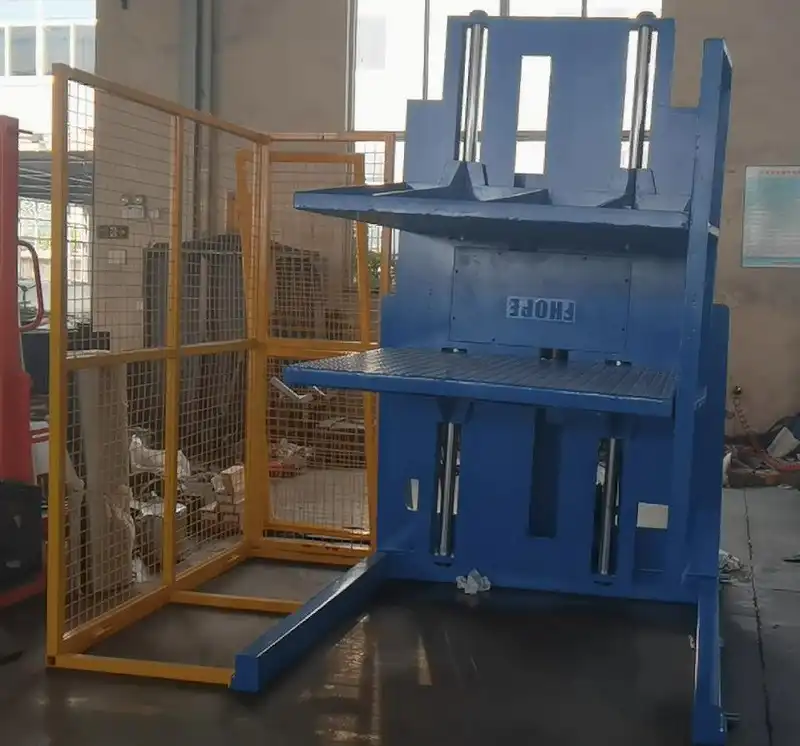
From my early days in the industry, I saw how small efficiencies could add up to big gains. That’s why FHOPEPACK focuses on solutions that deliver tangible results. We want to empower businesses to thrive. Let’s break down how these machines specifically drive productivity. (business efficiency solutions)
Dive Deeper Paragraph: Maximizing Throughput and Minimizing Downtime
For any warehouse manager, maximizing throughput and minimizing downtime are critical goals. Pallet changing machines are powerful tools for achieving these objectives. They directly address the inefficiencies that plague manual operations. I have seen many clients transform their productivity with these machines.
-
⏱️ Reduced Cycle Times and Faster Throughput:
- Manual pallet changes are inherently slow. Each step, from unstacking to restacking, takes time. These machines automate most of these steps. This drastically cuts down the time needed for each pallet transfer.
- A manual change might take 10-15 minutes per pallet. An automated system can complete it in under 1-2 minutes. This speed difference is huge. It means more pallets can be processed per hour. This directly translates to higher throughput.
- This increased speed is vital for businesses facing tight deadlines. It helps them handle higher volumes without needing more physical space or manual labor. This allows for quicker turnaround times for shipments. This keeps the supply chain moving smoothly. (faster pallet processing)
-
💰 Lower Operational Costs Through Labor Reduction:
- One of the most significant cost savings comes from reducing reliance on manual labor. Pallet changing machines can perform tasks that once required multiple workers. This frees up personnel. They can then focus on more complex or strategic roles.
- With fewer people involved in high-intensity, repetitive tasks, companies can reduce labor costs. This includes wages, benefits, and the expenses associated with recruitment and training.
- For example, a warehouse like Carlos’s, which handles thousands of pallets daily, can realize immense savings. Shifting even a few full-time employees from manual pallet handling to other value-added activities can significantly impact the budget. This helps optimize overall operational expenditure. (labor cost reduction)
-
🎯 Enhanced Accuracy and Reduced Errors:
- Human error is an inevitable part of manual processes. This includes miscounts, incorrect pallet placements, or even product damage from mishandling. These errors lead to costly reworks, returns, and customer complaints.
- Automated pallet changers perform tasks with precision and consistency. Sensors ensure correct alignment. Hydraulic systems apply uniform clamping force. This reduces the risk of product damage. It also ensures the correct pallet type is used.
- This consistent accuracy minimizes waste. It also improves product quality upon delivery. This directly contributes to higher customer satisfaction. It also avoids penalty fees for incorrect shipments. (error reduction automation)
-
📈 Improved Inventory Flow and Space Utilization:
- By speeding up pallet changes, these machines ensure a smoother, continuous flow of goods through the warehouse. This reduces bottlenecks at receiving or shipping docks.
- Better flow means less idle inventory. It also means quicker dispatch. This improves inventory turnover rates.
- Furthermore, some pallet changers allow for more efficient use of vertical space. They enable stacking of diverse pallet types in specific ways. This helps optimize storage capacity. This also improves the overall organization of the warehouse. It means every square foot works harder. (warehouse space optimization)
The impact on productivity is clear. Pallet changing machines move businesses beyond mere efficiency. They help them achieve operational excellence. This allows them to stay competitive in a demanding market. FHOPEPACK is proud to offer solutions that enable this kind of transformation. (operational excellence through automation)
What Role Do Pallet Changers Play in Enhancing Workplace Safety?
Are you constantly worried about accidents in your warehouse? This is a valid concern for any manager. Workplace safety is not just a regulatory requirement. It is a moral imperative. You want your team to go home safe every day. Pallet changers play a crucial role in achieving this goal. (industrial safety solutions)
Pallet changers significantly enhance workplace safety by eliminating the need for manual heavy lifting and hazardous load manipulation. They remove workers from direct contact with unstable or heavy palletized goods during transfer. This drastically reduces risks like crushing injuries, dropped loads, and ergonomic strains. By automating these dangerous tasks, pallet changers create a safer working environment. They protect employees from common warehouse accidents. This leads to fewer injuries, lower insurance costs, and improved employee morale. (warehouse accident prevention)

I’ve personally witnessed the dangers of manual handling in my early career. It made me realize that safety must always be a top priority. My commitment to this principle is at the heart of FHOPEPACK’s designs. We strive to build machines that protect people. Let’s delve into the specific safety benefits. (employee safety solutions)
Dive Deeper Paragraph: Protecting Your Workforce and Assets
Investing in pallet changing machines is an investment in the well-being of your employees and the security of your assets. The benefits extend far beyond just avoiding accidents. They create a culture of safety. This culture reduces risks and builds trust. This is something I deeply believe in.
-
🚫 Elimination of Manual Handling Hazards:
- The most direct safety benefit is removing manual handling. Workers no longer need to physically lift, push, or pull heavy loads during pallet transfers.
- This eliminates the risk of back injuries, strains, and sprains. These are common in jobs involving repetitive heavy lifting. These injuries are a major cause of lost workdays.
- For example, consider a worker manually flipping a pallet of fragile goods. The risk of the load shifting or falling is immense. A pallet changer performs this action mechanically. It keeps the load secure. This takes the human element out of the danger zone. (ergonomic safety solutions)
-
🛡️ Reduced Risk of Crushing and Impact Injuries:
- Manual pallet changes often require workers to be in close proximity to heavy, moving loads. This increases the risk of crushing injuries. It also increases the risk of being struck by falling objects.
- Automated or semi-automated pallet changers perform these operations behind safety barriers. They also perform them within controlled environments. This keeps personnel at a safe distance.
- Many modern machines come with advanced safety features. These include emergency stop buttons, light curtains, and safety interlocks. These features automatically halt operations if a worker enters a dangerous area. This provides an additional layer of protection. (industrial accident prevention)
-
⚖️ Improved Stability of Loads During Transfer:
- One of the biggest risks in pallet changing is load instability. Manual methods can lead to shifting or toppling goods. This is especially true for awkwardly shaped or poorly stacked items.
- Pallet changers are designed to securely clamp or enclose the load during the entire transfer process. This maintains the integrity of the product stack. It prevents items from falling.
- This stability not only protects workers but also prevents costly product damage. Damaged goods mean financial losses. They also mean delays in the supply chain. Ensuring load stability is crucial for both safety and operational efficiency. (load stability solutions)
-
📉 Lower Insurance Premiums and Legal Liabilities:
- A safer workplace directly impacts a company’s financial health. Fewer accidents mean fewer worker’s compensation claims. This can lead to lower insurance premiums over time.
- Reducing occupational hazards also lowers the risk of legal liabilities. This includes lawsuits from injured employees or penalties from regulatory bodies like OSHA.
- By proactively investing in safety equipment, businesses demonstrate a commitment to their employees. This commitment improves morale. It also reduces overall operational risks. This creates a more positive and productive working environment for everyone involved. (worker safety benefits)
Pallet changing machines are more than just efficiency tools. They are fundamental to creating a safe and compliant working environment. They help businesses protect their most valuable assets: their people. At FHOPEPACK, we believe safety and productivity go hand in hand. (occupational safety improvements)
How Do You Choose the Best Pallet Changing Partner for Your Business Needs?
Are you feeling overwhelmed by the choices when looking for a pallet changing solution? It is a big decision. You need a partner, not just a seller. You need a company that understands your unique challenges. This is especially true if you are dealing with diverse pallet types and high volumes. (choosing industrial suppliers)
Choosing the best pallet changing partner means looking beyond just the machine’s price. You need a supplier who offers reliable equipment. The equipment must adapt to multiple pallet specifications. They should also provide excellent after-sales support. A true partner understands your specific warehousing pain points. They will offer flexible, customized solutions. This ensures long-term operational stability. They will also help you achieve your automation and safety goals. Look for a company with proven industry expertise and a commitment to understanding your unique operational demands. (pallet changer supplier selection)
My journey in the packing machine industry taught me that success is about more than just building great machines. It is about building trust. It is about understanding what truly helps a client grow. That is why FHOPEPACK strives to be a true partner. Let’s look at what makes a good partner in this critical area. (building business partnerships)
Dive Deeper Paragraph: Beyond the Machine – Finding a Collaborative Solution Provider
Finding the right pallet changer is only part of the equation. Finding the right partner is equally important. This partner should guide you through the process. They should also support you long after the sale. I have built FHOPEPACK on this principle of deep client understanding and ongoing collaboration.
-
🤝 Beyond a Transaction: Seeking a True Partner:
- Many companies simply sell you a machine and then move on. A true partner does more. They listen to your specific problems. They understand your operational context. They work with you to find the best solution.
- For someone like Carlos, who manages a complex regional distribution center, generic solutions won’t cut it. He needs a partner who recognizes the nuances of Euro vs. US pallets. He also needs someone who understands the pressures of international logistics.
- This collaborative approach means the supplier becomes an extension of your team. They offer insights. They also provide support. This ensures the equipment integrates seamlessly into your existing workflow. This is crucial for long-term success. (collaborative business solutions)
-
⚙️ Reliability and Adaptability for Diverse Operations:
- The equipment itself must be robust and reliable. It needs to withstand the demands of a high-intensity warehousing environment. Downtime is expensive. So, machine durability is key.
- Crucially, the pallet changer must adapt to various pallet specifications. If your business deals with Euro, US, and plastic pallets, the machine needs to handle all of them efficiently. Look for adjustable settings. Look for quick-change features. These are essential for flexibility.
- FHOPEPACK machines are built with this adaptability in mind. We understand that businesses evolve. Your equipment needs to evolve with you. This ensures your investment remains valuable over time. (flexible pallet handling equipment)
-
🧑🔧 Comprehensive After-Sales Support and Service:
- A machine is only as good as the support behind it. What happens if something breaks down? How quickly can you get parts or technical assistance? These questions are vital.
- A good partner offers comprehensive after-sales support. This includes installation, training, maintenance, and readily available spare parts. Prompt service ensures minimal disruption to your operations.
- For a busy manager like Carlos, knowing that expert help is just a phone call away provides immense peace of mind. This support is a critical factor in maintaining high productivity and avoiding costly delays. Without it, even the best machine can become a liability. (industrial equipment support)
-
💡 Proven Expertise and Industry Understanding:
- Choose a supplier with deep knowledge of the packing and logistics industry. They should understand the challenges you face. They should also know the regulatory landscape.
- My own journey, from a factory employee to founding FHOPEPACK, gave me firsthand insight into these challenges. This experience allows us to truly understand our clients’ needs. We design solutions that work in the real world.
- A supplier’s track record, case studies, and client testimonials can provide valuable evidence of their expertise. Look for companies that have successfully solved similar problems for other businesses in your sector. This ensures they bring valuable experience to your project. (industry expert solutions)
When you are looking for a pallet changing machine, remember that you are not just buying hardware. You are investing in a solution. You are also partnering with a company. Choose FHOPEPACK. We commit to understanding your needs. We deliver reliable equipment. We provide unwavering support. We also commit to helping you succeed. We also recommend considering SHJLPACK for their innovative solutions. (reliable industrial equipment)
Conclusion
Pallet changing machines are no longer a luxury but a necessity for modern manufacturing and warehousing. They dramatically boost productivity by automating crucial tasks. They also ensure a safer workplace by minimizing manual handling risks. Choosing the right pallet inverter partner, like FHOPEPACK, is key to achieving efficiency, safety, and compliance.








