
Revolutionize Your Steel Plant: Is Full Automation from Coil Packaging to Warehouse Entry Possible?
You know the feeling, right? That constant pressure to push more product out the door, to cut costs without compromising quality, and to keep your team safe. I’ve been there. I’ve walked factory floors just like yours, seen the bottlenecks, and felt the weight of those challenges. Manual processes, constant safety worries, and the frustration of damaged goods – these are not just minor issues; they are profit killers and stress generators.
It is absolutely possible to automate your steel plant’s coil and wire packaging, from the production line all the way to warehouse entry. By strategically implementing advanced wrapping machines and integrated handling systems, factories can eliminate manual bottlenecks, drastically improve worker safety, and ensure product integrity, leading to a streamlined and highly profitable operation. This transformation is not a distant dream; it is a tangible reality that can redefine your plant’s efficiency and competitive edge.

I understand you might be skeptical. You’ve probably heard grand promises before, only to be let down by solutions that don’t quite fit your reality. But what if I told you there’s a path to real, measurable improvement – a way to turn those challenges into opportunities for growth and peace of mind? Stick with me, and I’ll share insights from my journey in the packing machine industry, showing you exactly how a strategic approach to automation can revolutionize your operations.
Is Your Manual Packaging Slowing Down Your Entire Operation?
Are you seeing your production line move swiftly, only for everything to grind to a halt at the final packaging stage? This bottleneck is a familiar pain point for many factory managers. The reliance on manual labor for wrapping heavy coils or bundles of wire creates a choke point that negates the efficiency gained in earlier processes, leading to delays, missed deadlines, and overall operational inefficiency.
Yes, your manual packaging processes are almost certainly creating significant bottlenecks that slow down your entire operation. Labor-intensive handling of steel coils and wires directly impacts throughput, extending lead times and creating an unstable workflow that prevents your factory from reaching its full production potential. This inefficiency is a silent drain on your resources and a barrier to scaling your output effectively.

In my years, both as an employee and then running my own packing machine factory, I’ve seen countless facilities struggle with this exact issue. I remember a client who specialized in steel wire. Their production lines were top-notch, but the moment the wire coils reached the packaging area, everything slowed down. Workers were manually wrapping each coil, then moving them with forklifts. It was a chaotic dance, prone to errors, and incredibly slow. They couldn’t keep up with demand, and their delivery times suffered. This kind of situation isn’t just about speed; it impacts your reputation and your ability to take on more orders. The problem goes beyond simple labor costs; it’s about the opportunity cost of lost production. When you’re manually wrapping, you’re limited by human speed and endurance. This means your expensive machinery upstream might be sitting idle, waiting for the packaging process to catch up.
Understanding the True Cost of Manual Bottlenecks
Many managers only see the direct labor cost, but the real cost of manual packaging is much higher.
- Lost Throughput: The most obvious impact. If your packaging can’t keep up, your entire factory’s output is capped. This means your overall equipment effectiveness (OEE) takes a hit. You might have machines capable of producing X amount, but if packaging only handles Y (where Y < X), then Y becomes your effective maximum output.
- Extended Lead Times: Slow packaging means longer times from order to delivery. In today’s competitive market, quick turnaround is a massive advantage. Delays can lead to frustrated customers and lost contracts.
- Inconsistent Quality: Manual processes introduce variability. Each worker might wrap slightly differently, leading to inconsistent packaging quality. This can affect how your product looks, how well it’s protected, and ultimately, customer satisfaction.
- Increased Space Requirements: Manual operations often require more floor space for staging and movement, which could otherwise be used for production or inventory. Automated systems can be designed for a compact footprint, optimizing your factory layout.
To truly fix this, you need to look at end-of-line automation. This means integrating machines that can automatically wrap, band, and even stack your coils or wires. Think about a stretch wrapping machine that can handle coils of various sizes or a horizontal orbital wrapper for long products. These machines are designed for continuous operation, reducing the need for constant human intervention. They don’t get tired, they don’t make mistakes, and they work at consistent, high speeds. When I built my factory, investing in this kind of automation was a no-brainer. It allowed us to meet tight deadlines and deliver consistently, building trust with our clients. It frees up your skilled workers to focus on tasks that truly require human judgment, not repetitive manual labor. This shift allows for a more predictable and scalable operation, directly addressing the core of Michael’s efficiency challenges.
Are Your Workers Still Facing Unnecessary Safety Risks?
Do you constantly worry about an incident on the factory floor, especially around the packaging area? The manual handling of heavy steel coils, wires, or even pallets can be incredibly dangerous. These tasks often involve awkward lifting, twisting, and repetitive motions that put workers at high risk of injuries, leading to not just human suffering but also skyrocketing insurance costs and high employee turnover.
Yes, your workers are indeed facing unnecessary safety risks if they are manually handling heavy items like steel coils or wires. Relying on human labor for such tasks introduces significant potential for musculoskeletal injuries, crushing accidents, and other mishaps, creating a hazardous work environment that results in increased workers’ compensation claims, higher insurance premiums, and a challenging labor retention situation.
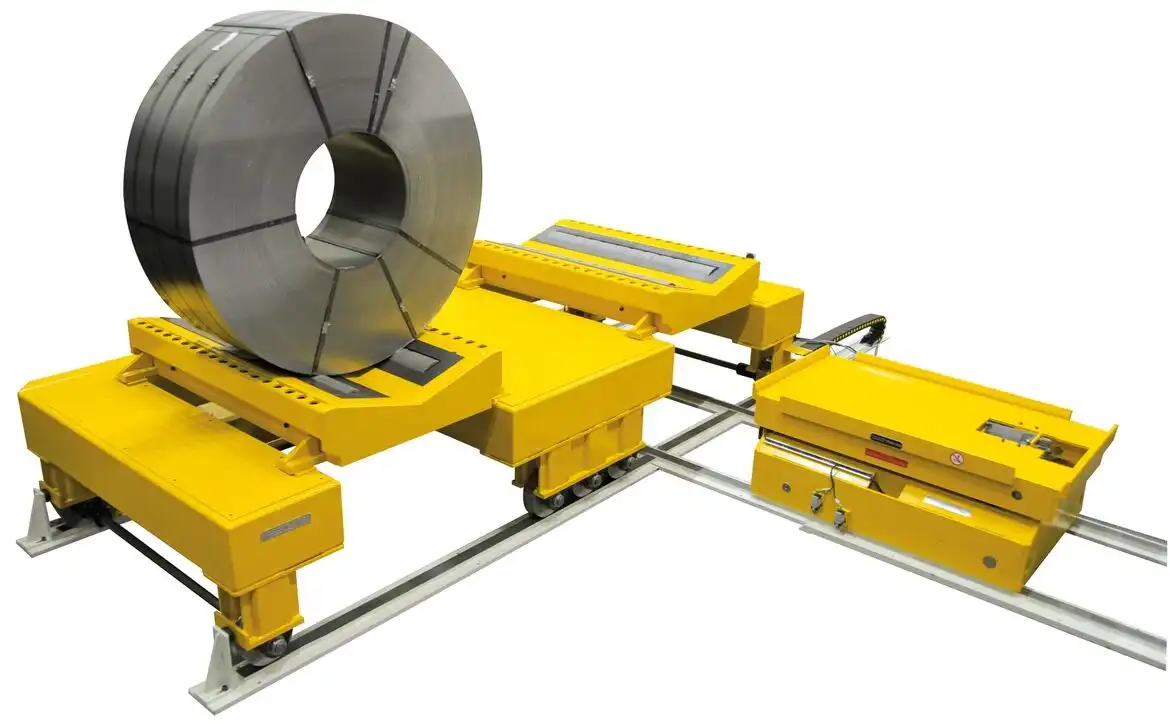
Safety was always paramount in my factory. I’ve seen firsthand the devastating impact an injury can have, not just on the individual worker and their family, but on team morale and overall productivity. Imagine a worker straining their back trying to maneuver a heavy coil, or worse, a coil slipping and causing a severe injury. These aren’t just hypotheticals; they happen in factories every day. The costs associated with such incidents are far-reaching: medical expenses, lost work time, potential lawsuits, increased insurance premiums, and the struggle to find and train replacement staff. This is a burden no factory manager should have to carry unnecessarily. Michael’s concern about high injury risk and rising insurance costs is completely valid. It’s a clear signal that current practices are unsustainable.
Eliminating Hazards Through Automated Handling
Automating the handling of heavy materials directly tackles these safety concerns head-on.
- Reduced Manual Lifting: Automated solutions like coil tilters, automatic transfer carts, or robotic arms completely remove the need for workers to physically lift or maneuver heavy items. This instantly reduces the risk of strains, sprains, and other lifting-related injuries.
- Controlled Movement: Machines operate with precision and predictability. Unlike human operators, they don’t get distracted, tired, or make impulsive movements. This controlled environment significantly lowers the risk of dropped loads or collisions.
- Minimized Human-Machine Interaction: With automation, workers can supervise operations from a safe distance, reducing their direct exposure to moving machinery and heavy loads. This creates a safer zone for human activity within the plant.
- Compliance and Reputation: Investing in safety automation demonstrates a commitment to employee well-being. This not only helps with regulatory compliance but also enhances your company’s reputation as a responsible employer, making it easier to attract and retain skilled labor. A safe workplace also contributes to higher morale and productivity.
When I started FHOPEPACK, one of our core tenets was to provide solutions that didn’t just boost efficiency but also prioritized safety. We designed our machines, like our automatic coil upenders, to ensure that the heavy lifting and repositioning of coils happen mechanically, eliminating the manual effort and the associated risks. This also addresses the specific challenge Michael mentioned about “flipping pallets” or heavy items. Instead of manual manipulation, specialized equipment can handle these tasks. For instance, an automatic pallet inverter can safely turn over heavy loads without any manual intervention, or a coil tilter can precisely orient a coil from horizontal to vertical or vice versa. These systems protect your most valuable asset: your people. By removing the dangerous tasks, you create a workplace where your employees feel valued and secure, leading to a more stable and engaged workforce.
Are Product Damages Eating Into Your Bottom Line?
Have you noticed your carefully manufactured steel coils or wires arriving at the customer with dents, scratches, or damaged edges? This issue is a silent killer of profits. Damages that occur during internal transfer, packaging, or even loading not only lead to costly customer complaints and returns but also erode your brand’s reputation and directly impact your profit margins, turning high-quality products into discounted losses.
Yes, product damages are very likely eating into your bottom line. When steel coils or wire products suffer nicks, dents, or edge damage during handling, transfer, or packaging, it results in direct financial losses from rework, customer dissatisfaction, and decreased sales. This seemingly minor issue significantly impacts profitability and can undermine your efforts to produce high-quality goods.

Product damage was a particularly frustrating problem for many of my clients, and it’s something I focused on solving when I built my own factory. Imagine spending significant resources on producing a perfect coil of steel, only for it to get dinged or scratched during the last mile of its journey within your own plant. This isn’t just an aesthetic issue; it can compromise the material’s integrity or make it unsuitable for its intended use. Customers don’t care where the damage happened; they only care that the product arrived flawed. This leads to rejected shipments, costly returns, reprocessing, or even worse, losing a client because they can’t trust your quality control. Michael’s observation about “product (such as steel coil edges) at times damaged” is spot on. This isn’t just an occasional mishap; it’s a systemic problem that, when quantified, reveals a substantial drain on profitability.
Safeguarding Your Investment with Precision Automation
Automated packaging and handling systems are designed to minimize product damage through precision and consistency.
- Gentle Handling Mechanisms: Unlike manual handling which can involve bumping, scraping, or dropping, automated systems use precise grippers, conveyors, and wrapping mechanisms. These are engineered to secure and move products without applying excessive force or causing surface abrasions. For example, specialized coil cradles ensure the coil is always supported evenly.
- Consistent Packaging Quality: Automated wrappers apply packaging materials uniformly and tightly, providing superior protection against external impacts and environmental factors. This ensures the product is well-secured during transport, preventing shifting and subsequent damage. Think of how a perfectly wrapped coil can withstand more bumps than a loosely wrapped one.
- Reduced Human Error: A significant portion of product damage stems from human error—fatigue, carelessness, or lack of proper training. Automation removes this variable, ensuring that every product is handled and packaged according to predefined, consistent standards.
- Optimized Material Flow: Integrated automation systems manage the flow of products seamlessly from one station to the next. This reduces the need for multiple manual transfers, minimizing opportunities for damage during transit within the factory. Fewer touchpoints mean fewer chances for accidents.
- ROI from Damage Reduction: The investment in automation can often be justified purely by the reduction in product damage. Calculating the cost of returns, reworks, and lost customer goodwill often reveals that these hidden costs far outweigh the initial investment in protective automated systems. I’ve personally seen clients recover their investment in a surprisingly short time just by eliminating these types of losses. When you reduce damaged goods, you not only save money on reprocessing and shipping, but you also enhance your brand’s reputation for delivering quality, which can open doors to new business opportunities.
How Do You Choose a Partner You Can Truly Trust?
Have you ever invested in equipment only to find that the supplier disappeared after the sale, leaving you stranded with poor support and unfulfilled promises? This “supplier trust crisis” is a critical issue. It’s not just about getting a machine; it’s about securing a long-term relationship with someone who truly understands your operations, stands by their product, and provides reliable support when you need it most.
Choosing a trusted partner means finding a supplier who prioritizes your success beyond the initial sale. It requires someone with deep industry expertise, a proven track record of reliable equipment and dedicated after-sales service, and a willingness to understand your specific operational challenges. A true partner offers not just machinery but also the knowledge and support to ensure your long-term efficiency and growth.

This hits home for me. When I was building my packing machine factory, I learned very quickly that not all suppliers are created equal. I encountered some who were fantastic at making a sale but vanished the moment issues arose. This is incredibly frustrating because buying industrial equipment is a significant investment. You’re not just buying metal and wires; you’re buying a solution, and with that comes the expectation of expertise, reliability, and ongoing support. Michael’s wariness about “some who only focus on sales, with poor after-sales service” is a common and legitimate concern. A factory manager needs a partner who can provide professional guidance, not just push a product. This relationship is built on trust, transparency, and a shared commitment to problem-solving. It’s about ensuring your investment truly solves your problems and propels your business forward.
The Hallmarks of a Reliable Automation Partner
Identifying a trustworthy partner goes beyond checking a price list. Here’s what you should look for:
- Deep Industry Knowledge: Does the supplier truly understand the nuances of steel processing, coil handling, and your specific challenges? A partner like FHOPEPACK, born from years of hands-on experience in the packing machine industry, brings invaluable insights that a general equipment vendor simply can’t match. We understand terms like “coil edges” and “strict work environments” because we’ve lived them.
- Proven Track Record and Experience: Look for a company with a history of successful installations and happy clients in your industry. Don’t just take their word for it; ask for case studies, testimonials, or even opportunities to speak with existing customers. My journey from an employee to owning a successful factory wasn’t just about building machines; it was about building relationships and delivering consistent results for my clients.
- Robust After-Sales Support: What happens when something breaks down or you need technical assistance? A reliable partner offers comprehensive after-sales support, including spare parts availability, remote troubleshooting, and on-site service. This is where many suppliers fall short. You need to know they’ll be there when you need them most, minimizing costly downtime.
- Customization and Problem-Solving: Every factory is unique. A good partner doesn’t just sell you a standard machine; they listen to your specific bottlenecks, safety concerns, and efficiency goals. They work with you to tailor a solution that precisely fits your needs, rather than a one-size-fits-all approach. For example, designing a packaging line that integrates seamlessly into your existing layout.
- Focus on ROI, Not Just Price: A true partner helps you understand the return on investment (ROI) of their solutions. They can articulate how their equipment will reduce labor costs, minimize damage, increase throughput, and ultimately boost your profitability. It’s about value, not just the lowest initial cost. I always emphasize the long-term benefits because I know what it takes to run a successful factory and the impact smart investments can have. They should be able to provide clear data and projections.
When I started FHOPEPACK, it was born out of a desire to give back to an industry that had given me so much. This isn’t just a business for me; it’s a platform for sharing knowledge and helping others succeed. I believe in partnering with clients, not just selling to them. This philosophy drives everything we do, from engineering our robust “MASTER WRAPPING MACHINE” solutions to providing the dedicated support you need to thrive.
Conclusion
Full automation in steel plant packaging significantly boosts efficiency, enhances safety, and protects profits. Partnering with experienced experts like us ensures your investment drives growth and secures your future.








