
Precision and Reliability | How Are Russian Steel Plants Boosting Productivity?
The steel industry often faces tough challenges. Many plant managers, like Ivan Petrov in Russia, struggle with inefficient packaging. They see rising labor costs, inconsistent packaging quality, and safety concerns. These issues impact delivery times, lead to customer complaints, and can even result in contract penalties. This is why finding a robust and reliable packing solution is not just an option, it is a necessity for staying competitive.
Many Russian steel plants are boosting their productivity by adopting advanced automatic coil packing lines. These systems, like those from FHOPEPACK, offer high precision and reliability. They replace manual processes with automation, ensuring consistent packaging quality. This also improves safety and significantly reduces operational costs for manufacturers.
When I started my journey in the packing machine industry, I saw these challenges firsthand. I learned that simply buying a machine is not enough. You need a complete solution that integrates seamlessly into your production line. This article will explain how modern packing technology addresses these pain points for steel plants, especially in Russia, and why it is a game-changer.
Why is Manual Coil Packing Still a Major Challenge for Russian Steel Mills?
Are your steel coils still being packed by hand? This question might surprise some, but manual methods remain common in many places. However, these methods are causing big problems for large-scale operations. High-volume steel mills, like those in Russia, need consistent output. Manual packing simply cannot keep up. It leads to slow work and mistakes.
Manual coil packing is a major challenge because it causes inconsistent quality, slow production, and significant safety risks. Human error often leads to loose strapping or uneven wrapping, which can damage coils during transport. Also, manual labor for heavy coils is physically demanding, leading to high injury rates and difficulty finding workers.
As a packing machine engineer, I have seen too many times how manual processes create bottlenecks. This directly impacts a steel plant’s ability to meet strict delivery schedules. For Russian steel mills, which often produce hundreds of tons daily, these inefficiencies add up fast. They lose time and money. This problem is clear across the industry, especially for handling heavy and diverse coil types.
1. Inconsistent Packaging Quality: A Hidden Cost
Manual packing relies on human effort. This means the quality can vary from one coil to the next.
- Uneven Tension: Workers often apply inconsistent tension when strapping or wrapping. This makes the packaging loose. Loose packaging does not protect the coil well.
- Product Damage: During transit, poorly packed coils can shift. This leads to scratches, dents, or rust, especially if moisture protection is not uniform.
- Customer Complaints: Customers expect perfectly protected products. Damaged goods lead to complaints, returns, and sometimes penalties. This harms the steel mill’s reputation and bottom line.
- Material Waste: Sometimes, manual errors mean using too much packing material. Other times, poor application means the material does not work effectively, leading to re-packaging. This increases costs. Manual mistakes affect the final product’s presentation and protection. This can be a huge issue for export markets. It directly goes against the goal of achieving high precision in steel output. (inconsistent packing quality, product damage costs, customer satisfaction)
2. Labor Shortages and Safety Risks: A Growing Concern
Finding and keeping skilled labor for coil packing is becoming harder.
- High Physical Demands: Packing heavy steel coils is very hard work. It involves lifting, turning, and securing large objects. This leads to fatigue and burnout among workers.
- Safety Hazards: Moving and securing heavy coils manually poses serious risks. Workers can suffer sprains, crushing injuries, or falls. This results in lost workdays and higher insurance costs for the company.
- Worker Turnover: The demanding nature of the job causes high turnover rates. Young workers often look for less physically intense jobs. This leaves mills with an aging workforce and staffing gaps.
- Training Costs: Constantly training new staff is expensive and time-consuming. It also takes time for new workers to become efficient. This impacts overall productivity. Many managers, like Ivan, worry about their team’s well-being. They need solutions that protect their workers. Automating these dangerous tasks is critical. It ensures safety and solves labor challenges. (labor shortage steel industry, worker safety coil packing, high turnover rates)
3. Production Bottlenecks: Slowing Down the Entire Line
Manual packing is inherently slower than machine-based systems.
- Limited Throughput: Human speed cannot match machine speed. This creates bottlenecks at the end of the production line. Coils pile up, waiting for packaging.
- Reduced Efficiency: The entire production flow slows down. This affects upstream processes, reducing the mill’s overall efficiency. It means fewer coils can be processed per day.
- Delayed Shipments: Slower packing directly impacts delivery schedules. This can cause delays for customers. Meeting tight deadlines becomes very difficult.
- Overtime Costs: To catch up, mills might pay workers for overtime. This increases operational costs. It is not a sustainable solution for long-term production goals. These bottlenecks can severely limit a steel plant’s output. For competitive markets, this is a major disadvantage. Automatic systems provide the needed speed and consistency. (production bottlenecks steel, slow packing efficiency, delayed logistics)
How Do Diverse Product Types Complicate Traditional Steel Coil Packaging?
Think about a steel mill that makes many different products. Cold-rolled coils, galvanized coils, and color-coated coils all have unique packaging needs. This product diversity creates a big challenge for traditional packaging methods. How can one system handle so many different requirements without slowing down production?
Diverse product types complicate traditional steel coil packaging because they demand varied protection methods, material types, and handling procedures. Manual systems struggle with frequent changes in coil dimensions, weights, and specific material sensitivities. This often leads to time-consuming manual adjustments and increased potential for errors.

From my experience, adapting to different coil sizes and types with manual or semi-automatic methods is incredibly inefficient. It takes valuable time, and each change increases the chance of a mistake. For steel plants in Russia dealing with a wide range of customer orders, this adaptability is not just a nice-to-have, it is essential for business.
1. Varying Coil Dimensions and Weights: A Constant Adjustment
Steel coils come in many sizes and weights.
- Inner and Outer Diameters: Coils can have different inner and outer diameters. A packing machine must adjust to these changes quickly. Manual systems often require physical re-tooling.
- Coil Widths: The width of coils also varies. The packaging material needs to cover the full width. This requires flexible feeding and wrapping mechanisms.
- Weight Range: Coils can weigh from 1 ton to over 3 tons. Handling systems must be strong enough for the heaviest coils. They must also be gentle enough for lighter ones.
- Handling Complexity: Manually handling coils of varying sizes is challenging. It increases the risk of damage during movement. It also puts more strain on workers. These variations mean a one-size-fits-all approach does not work. A flexible system is critical. It must adapt automatically to avoid downtime and errors. (variable coil dimensions, heavy coil handling, adjustable packing machines)
2. Specific Packaging Requirements for Different Materials: Beyond Basic Protection
Each type of steel coil needs special protection.
- Cold-Rolled Coils: These need protection against rust and scratches. They often require specialized anti-rust papers or films. This keeps their surface quality high.
- Galvanized Coils: The zinc coating on galvanized coils is sensitive. It needs careful handling to prevent damage. Moisture protection is especially important to prevent white rust.
- Color-Coated Coils: These are most vulnerable to scratches. The painted surface must be perfectly protected. Soft wrapping materials and gentle handling are key.
- Export Standards: Many customers, especially for export, have strict requirements. This includes CE/ISO certification. It also covers special barcodes or specific types of wrapping. Manually switching between these different material requirements is slow. It also increases the chance of using the wrong material. This leads to poor protection. Automated systems can store different programs. They can switch quickly between these different material types. (specialized coil packaging, anti-rust solutions, scratch protection, export packaging standards)
3. Integration with Production Lines: The Seamless Flow Challenge
Packaging is the last step before shipment. It must integrate smoothly.
- Line Synchronization: The packing line must match the speed of the upstream production processes. If it is too slow, it creates bottlenecks. If it is too fast, it creates gaps.
- Space Constraints: Many steel mills have limited space. New equipment must fit into existing layouts. This requires clever design and compact machines.
- Data Exchange: Modern mills use data to track production. The packing line should share data with the main production system. This helps with inventory and logistics.
- Operator Training: New systems require training for operators. This needs to be efficient and effective. Operators must understand how to manage the system well. A disjointed packaging process breaks the entire production flow. This reduces overall efficiency. A truly integrated solution is essential for maximizing output. It provides a continuous and smooth operation. (integrated packing lines, production line synchronization, smart factory solutions, operator training efficiency)
What Makes FHOPEPACK’s Slit Coil Packing Lines the Preferred Choice for Russian Productivity?
When Ivan Petrov looks for a packing solution, he values specific things: reliability, continuous operation, and adaptability. He needs something that can run 24/7. He also needs it to handle different coil sizes. FHOPEPACK directly addresses these needs. Our design philosophy centers on making machines that perform consistently, day in and day out, in demanding environments. This is why we have become a top choice for increasing productivity.
FHOPEPACK’s slit coil packing lines are the preferred choice for Russian productivity because they offer unmatched reliability, high levels of automation, and flexible customization. Our robust engineering ensures 24/7 operation in harsh steel mill environments. They handle diverse coil dimensions automatically. This minimizes downtime and significantly boosts overall production efficiency for companies like steel plants across Russia.
I founded FHOPEPACK after working in and then building my own packing machine factory. My goal was always to deliver solutions that genuinely solve problems for our clients. For Ivan and other production directors in Russia, this means systems that do not just pack coils. They optimize the entire end-of-line process. This focus on practical benefits and solid engineering sets FHOPEPACK apart.
1. Engineered for Continuous Operation: The 24/7 Advantage
Steel mills run constantly. Their packing lines must too.
- Heavy-Duty Components: Our machines use strong, industrial-grade components. These parts are designed to withstand constant use. They handle heavy loads without breaking down.
- Robust Construction: The entire structure of FHOPEPACK lines is built tough. It resists wear and tear from harsh factory environments. This ensures a long operational life.
- Advanced Control Systems: We use modern PLC and HMI interfaces. These systems offer stable and precise control. They minimize human intervention and potential errors.
- Predictive Maintenance Features: Our systems can include sensors that monitor machine health. This helps predict potential issues before they cause downtime. It allows for planned maintenance. This focus on durability means FHOPEPACK lines can operate around the clock. This is crucial for two-shift production environments in Russia. It ensures maximum uptime. (24/7 coil packing, heavy duty machinery, industrial automation solutions, predictive maintenance)
2. Adaptability for Diverse Coils: Flexibility is Key
A single steel plant often produces many types of coils.
- Automatic Sizing Adjustment: Our machines can detect coil dimensions automatically. They adjust the wrapping and strapping parameters. This saves time and prevents manual errors.
- Variable Coil Weight Handling: FHOPEPACK lines handle a wide range of coil weights, from 1 to 3 tons. The systems manage heavy loads safely. They also keep packing quality consistent.
- Multiple Packaging Recipes: Operators can program different packaging recipes. This allows quick switching between cold-rolled, galvanized, or color-coated coils. Each recipe uses specific materials and methods.
- Integrated Material Feeders: The lines can integrate different material feeders. These include PET strapping, steel strapping, and various types of stretch films. This ensures the right protection for each coil. This high level of adaptability is essential. It allows Russian steel mills to process diverse orders without interruptions. This boosts efficiency and customer satisfaction. (flexible coil packaging, automated size detection, multi-product packing, adaptable material handling)
3. Precision and Consistency: The FHOPEPACK Standard
Quality packing is not just about protection. It is about consistent quality.
- Precise Tension Control: Our machines apply strapping and wrapping materials with exact tension. This ensures tight, secure, and uniform packaging every time.
- Automatic Centering: Coils are automatically centered before packing. This ensures even material distribution. It covers the entire coil surface properly.
- High-Speed Operation: FHOPEPACK lines are designed for speed. They complete packing cycles much faster than manual methods. This increases throughput significantly.
- Error Reduction: Automation eliminates most human errors. This leads to fewer re-packs and less material waste. It also ensures consistent product quality. This combination of precision and consistency defines FHOPEPACK’s approach. It helps Russian steel producers deliver top-quality products. This strengthens their market position. (precision packaging machines, consistent wrapping tension, high-speed packing, error-free automation)
Can Automated Solutions Really Guarantee Export-Quality Steel Coil Packaging and Safety?
Exporting steel coils means meeting very high standards. Customers overseas expect perfect condition upon arrival. They also demand specific certifications, like CE or ISO. Can an automated packing line truly deliver this level of quality? And can it do all of this while also making the workplace much safer for everyone?
Yes, automated solutions can guarantee export-quality steel coil packaging and significantly enhance workplace safety. Modern automatic packing lines, such as those offered by FHOPEPACK, apply precise, consistent, and customized packaging materials (PET/steel strapping, stretch films). They integrate features like automatic labeling for compliance. They also reduce manual handling of heavy coils, directly lowering injury risks and ensuring international standards are met.
When I work with clients, especially those targeting international markets, I emphasize the importance of compliance and flawless presentation. My goal is to equip them with systems that exceed expectations. This includes robust packaging that withstands long transit times and operations that safeguard workers. This dual focus on quality and safety is key to unlocking new export opportunities for Russian steel mills.
1. Achieving Export Standards: More Than Just Protection
Export packaging needs to meet global benchmarks.
- CE and ISO Compliance: Automated systems can produce packaging that meets international certifications. This is crucial for entering European and other regulated markets.
- Barcoding and Labeling: Integration of automatic labeling and barcoding ensures correct product identification. This improves traceability and logistics. It also helps with inventory management.
- Advanced Moisture and Rust Prevention: Automated wrapping systems apply films evenly. This creates a secure, moisture-proof barrier. It protects against rust during long shipments.
- Anti-Scratch Solutions: Specialized wrapping materials and careful handling prevent surface damage. This maintains the aesthetic and functional quality of the coils. These features are vital for competitive export markets. They show commitment to quality. This helps Russian steel mills build trust with international buyers. (export packaging standards, CE ISO certified packing, automatic labeling systems, rust prevention coil)
2. Enhanced Workplace Safety: Protecting Your Most Valuable Asset
Manual coil handling is one of the most dangerous tasks in a steel mill.
- Reduced Manual Handling: Automated lines take over the heavy lifting and turning. This removes workers from hazardous zones. It reduces direct contact with heavy, moving coils.
- Elimination of Repetitive Strain: Tasks like manual strapping cause repetitive strain injuries. Automation eliminates these physically demanding tasks. This improves worker health.
- Controlled Operations: Machines operate within defined safety zones. They use sensors and interlocks to prevent accidents. This creates a safer working environment.
- Lower Accident Rates: By minimizing human interaction with dangerous machinery and heavy loads, the risk of accidents drops significantly. This means fewer injuries and a healthier workforce. For Ivan and other production managers, worker safety is paramount. Automated solutions provide a safer work environment. They reduce the risk of injury and lower associated costs. (workplace safety automation, reduced manual labor, heavy coil safety, industrial accident prevention)
3. Consistency and Traceability: The Pillars of Trust
Reliable operations depend on consistent results and clear data.
- Repeatable Quality: Once programmed, automated systems repeat the same high-quality packaging process every time. This ensures uniform protection for all coils.
- Data Logging: Modern packing lines can record data. This includes details about packing materials used, tension applied, and timestamps. This data is valuable for quality audits.
- Error-Proofing: Automated checks and balances reduce the chance of packaging errors. If something goes wrong, the system can alert operators. This helps fix issues quickly.
- Customer Confidence: Consistent, high-quality packaging builds trust with customers. They know their products will arrive in excellent condition. This leads to repeat business. This level of consistency and traceability is not just good practice. It is a business advantage. It strengthens a steel mill’s reputation as a reliable supplier. (consistent packaging quality, production data logging, error proofing automation, customer confidence building)
Beyond Machines: What Does a True Long-Term Partnership Offer to Steel Producers?
Buying a packing machine is a big investment. But a machine alone is not enough. Steel producers need more than just equipment. They need a partner who understands their industry, offers ongoing support, and helps them grow. What kind of relationship goes beyond a simple purchase order? What makes a supplier a true long-term partner?
A true long-term partnership offers steel producers more than just machines; it provides comprehensive support including turnkey project management, extensive after-sales service, and reliable spare parts supply. This ensures seamless integration, continuous operational efficiency, and minimized downtime. Such a partner, like FHOPEPACK, helps producers maximize their investment and adapt to future market demands.
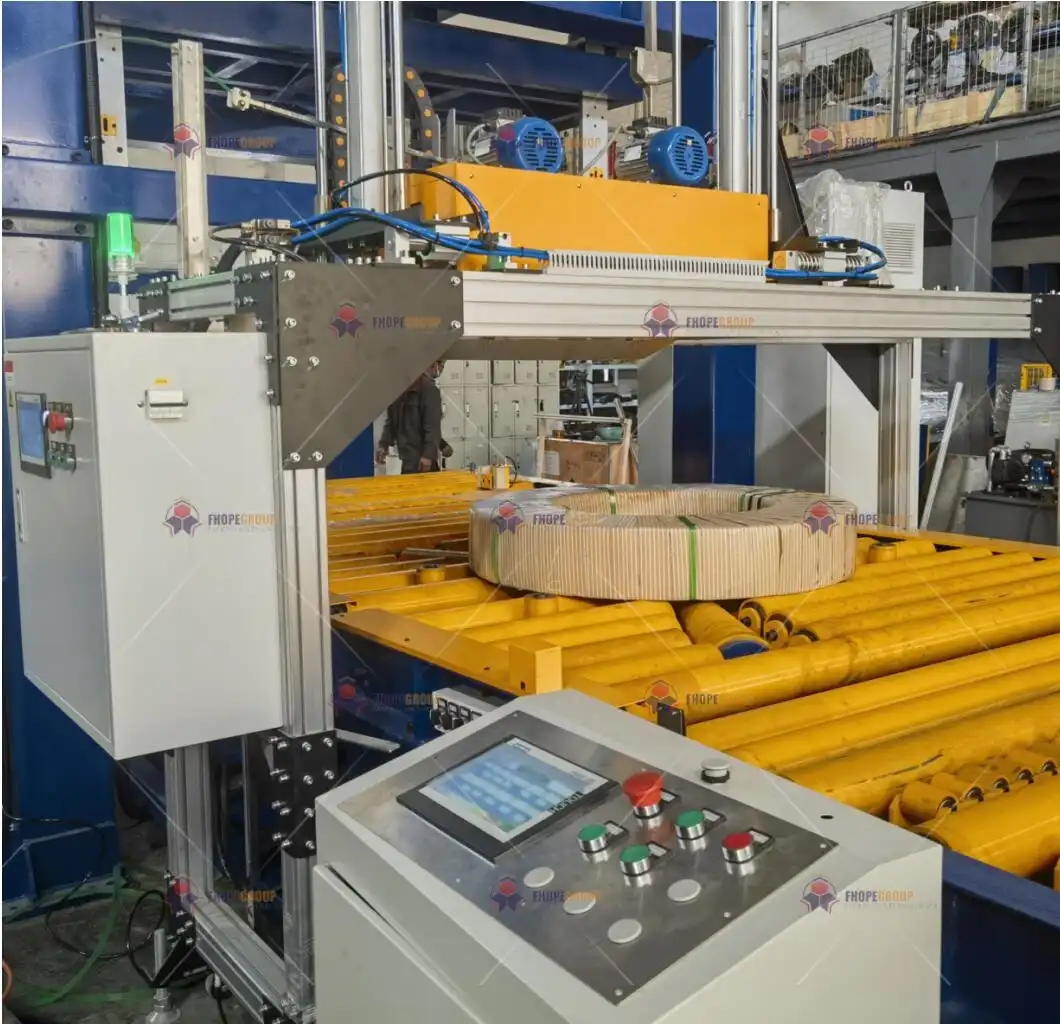
My personal journey from a factory employee to establishing FHOPEPACK taught me a critical lesson. Success for our clients is our success. I have seen many clients grow their businesses thanks to the right solutions. This is why I believe in building deep, lasting relationships. For Ivan Petrov and Russian steel plants, this means a partner who stands by them. It means someone who is committed to their operational excellence, not just selling a product.
1. Turnkey Project Management: From Concept to Commissioning
A good partner handles the entire process.
- Consultation and Design: The partner works with the steel mill to understand their specific needs. They design a customized solution. This ensures the system fits perfectly.
- Manufacturing and Installation: The partner manages the machine’s production and assembly. They also oversee the full installation at the client’s site. This ensures everything is set up correctly.
- Testing and Commissioning: Before handover, the entire system is thoroughly tested. This confirms it meets all performance standards. It ensures it is ready for full operation.
- Integration with Existing Systems: The partner ensures the new packing line integrates smoothly with the mill’s current production and IT systems. This creates a cohesive workflow. This complete approach removes much of the burden from the steel producer. It guarantees a smooth transition to the new automated system. This helps avoid unexpected problems. (turnkey project solutions, customized packing line design, system installation commissioning, seamless system integration)
2. Comprehensive After-Sales Support: Ensuring Continuous Operation
Machines need support after they are installed.
- Technical Assistance: A reliable partner offers expert technical support. This includes troubleshooting and problem-solving. It helps keep machines running smoothly.
- Preventive Maintenance Programs: Scheduled maintenance helps prevent breakdowns. This prolongs the life of the equipment. It also maintains peak performance.
- Operator Training: The partner provides thorough training for the mill’s staff. This includes operation, basic maintenance, and safety procedures. It empowers the local team.
- Remote Monitoring and Diagnostics: Some advanced systems allow remote access. This helps diagnose issues quickly. It can often resolve problems without an on-site visit. This ongoing support is critical for maintaining high uptime. It protects the investment. It ensures the steel mill can rely on its packing line for years to come. (after sales service, technical support, preventive maintenance, operator training)
3. Reliable Spare Parts Supply: Minimizing Downtime
Even the best machines need parts replaced sometimes.
- Local Spare Parts Inventory: A strong partner ensures quick access to spare parts. This might involve holding inventory in key regions or having efficient logistics.
- Original Manufacturer Parts: Using genuine parts guarantees compatibility and performance. It avoids issues that can come with non-standard components.
- Fast Delivery: When a part is needed, it is often urgent. A good partner provides fast and efficient delivery. This minimizes costly downtime.
- Parts Longevity and Availability: The partner advises on critical spare parts. They also ensure these parts remain available for the machine’s lifespan. Quick access to spare parts is vital. It prevents long stoppages that can severely impact production. This is a core part of being a reliable partner. (spare parts availability, original equipment manufacturer parts, fast parts delivery, minimized downtime solutions)
Conclusion
For Russian steel plants like Ivan Petrov’s, adopting automated coil packing line solutions is a strategic move. It tackles core issues like labor shortages, inconsistent quality, and safety risks. By integrating precise, reliable systems like FHOPEPACK’s, mills can significantly boost productivity, ensure export-grade packaging, and secure a competitive edge. This investment is not just about machines; it is about future-proofing operations and fostering long-term growth.








