
Is Your Printing and Packaging Plant Overlooking the Power of a Paper Roll Hydraulic Upender?
Running a printing or packaging plant often feels like a constant race against time. You have tight deadlines, demanding clients, and the ever-present pressure to cut costs. But what if a hidden bottleneck in your material handling is slowing everything down and costing you more than you realize? I have seen this issue many times during my years in the packing machine industry. It is a problem that can hold back even the most efficient operations.
A paper roll hydraulic upender is a specialized machine designed to safely and efficiently change the orientation of heavy paper rolls, typically from vertical (core upright) to horizontal (core across) or vice versa. This essential equipment dramatically improves safety, streamlines material flow, and reduces product damage in printing and packaging plants by automating a labor-intensive and risky task, ensuring rolls are perfectly positioned for subsequent processing or storage.

Many factory managers, like Michael Chen in Mexico, understand the constant pressure to boost output and control expenses. He is always looking for robust equipment that can handle tough factory conditions. The right equipment can solve his core problems. Let’s explore why this specific machine is not just an expense but a critical investment for your plant.
1. Why Manual Paper Roll Handling Creates Bottlenecks in Your Plant?
Think about how your team currently moves large paper rolls. Is it a struggle? Are workers straining, using makeshift tools, or even manual cranes that feel unsafe? This is not just inefficient; it is a serious risk. I have personally seen how these outdated methods can cripple a plant’s ability to deliver on time.
Manual paper roll handling is a significant bottleneck in printing and packaging plants because it is slow, labor-intensive, and prone to errors. Relying on human strength to move heavy, delicate rolls directly impacts production speed, elevates the risk of workplace injuries, and often leads to costly product damage, ultimately hindering overall operational efficiency and increasing insurance premiums.

Let’s talk about the real cost of manual handling. It goes far beyond just paying wages. When I started my first packing machine factory, I quickly learned that efficiency starts with safe and smart material flow. Michael Chen, a factory manager I know, faced similar issues in his metal processing plant. He understood that relying on manual labor for heavy lifting was a triple threat: it was slow, unsafe, and damaged products.
Consider these critical points:
1.1. Efficiency Drain ⏱️
- Slow Production Flow: Each time a roll needs reorienting, manual methods take a long time. This creates a queue at the start or end of your printing lines. It acts like a dam, holding back the entire workflow. Imagine your high-speed presses waiting for a roll to be manually positioned. That is lost production time.
- Increased Labor Hours: You need more people to handle fewer rolls. This drives up your operational costs. These workers could be doing more skilled tasks, adding greater value elsewhere in the plant.
- Inconsistent Output: Manual processes lead to variations in handling time. This makes it hard to predict production schedules accurately. It also complicates planning for your delivery teams.
1.2. Safety Hazards ⚠️
- High Risk of Injury: Heavy paper rolls weigh hundreds or even thousands of pounds. Manually pushing, pulling, or using unsafe lifting equipment puts workers at high risk. Common injuries include strains, sprains, crushed limbs, and back problems. These injuries lead to lost workdays and higher insurance premiums.
- Compliance Issues: Regulatory bodies demand safe working environments. Manual heavy lifting often violates these safety standards. This can result in fines and legal problems for your plant.
- Employee Morale and Turnover: Constantly performing dangerous and physically demanding tasks takes a toll on your workforce. It can lower morale and increase employee turnover. This means you are always training new staff, which is another hidden cost.
1.3. Product Damage 📦
- Edge Dents and Tears: During manual maneuvering, it is easy to bump or drop a heavy roll. This can dent edges or tear the paper. For printing and packaging, a damaged roll means scrap material. It also causes machine jams during processing.
- Core Damage: Improper lifting can damage the roll’s core. This affects how the roll unwinds on your machinery. It can lead to production stoppages or defects in the final product.
- Customer Complaints: Damaged products leaving your plant lead to unhappy customers. This hurts your reputation and can result in costly returns or discounts. From my experience, avoiding product damage is not just about saving money; it is about building trust with your clients. (Manual handling risks, labor-intensive processes, production bottlenecks)
2. How Does a Hydraulic Paper Roll Upender Transform Your Operations?
After seeing the limitations of manual handling, the solution became clear to me. Automation is not just for huge factories. It is for any plant that wants to be safer, faster, and more profitable. A hydraulic upender is one of those smart investments that pays for itself quickly.
A hydraulic paper roll upender transforms operations by automating the difficult task of changing roll orientation, drastically improving safety and efficiency. It uses hydraulic power to gently and quickly flip heavy rolls, minimizing human effort and eliminating injury risks. This automation speeds up material flow, reduces product damage, and ensures precise positioning, integrating seamlessly into modern production lines for enhanced productivity and a safer workplace.
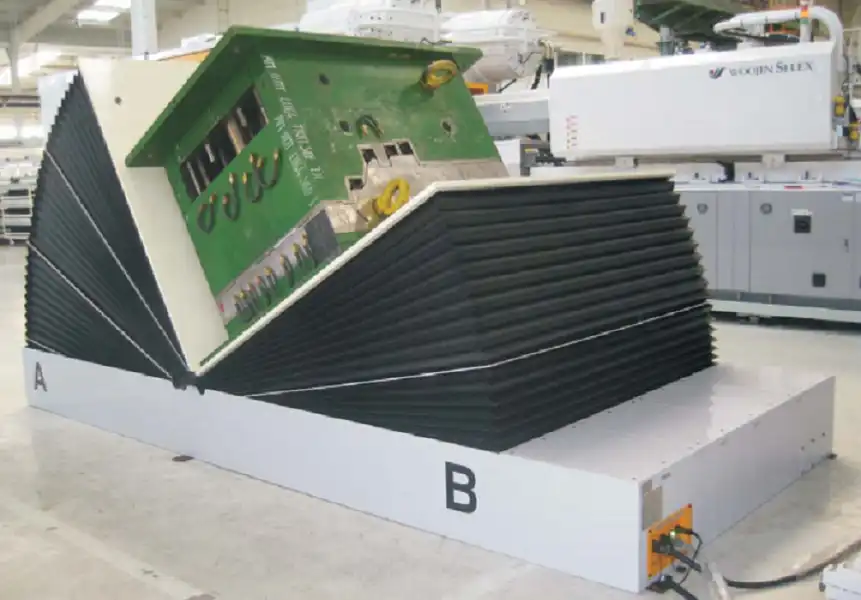
I remember a client, much like Michael Chen, who was skeptical about adding another machine. He asked me, “Randal, how will this really help my bottom line?” My answer was simple: it helps by removing risk and adding speed. A hydraulic upender does more than just flip a roll; it redefines your entire material handling process.
Let’s break down the transformation:
2.1. Unmatched Safety Enhancements ✨
- Eliminates Manual Lifting: The primary benefit is removing workers from direct contact with heavy rolls during orientation changes. This means zero risk of strain, crushing injuries, or drops.
- Controlled Movement: Hydraulic systems provide smooth, controlled, and precise movement. There are no sudden jerks or uncontrolled motions. This protects both the operator and the roll.
- Ergonomic Work Environment: Operators can manage the machine from a safe distance. This greatly improves the overall ergonomics of the workspace. It also reduces fatigue for employees.
2.2. Boosted Operational Efficiency 🚀
- Rapid Roll Reorientation: An upender can change a roll’s orientation in seconds, not minutes. This means your production line does not wait. It keeps moving.
- Reduced Labor Needs: One operator can safely manage multiple roll changes. This frees up other workers for more valuable tasks. It also lowers your overall labor costs.
- Seamless Integration: Modern upenders are designed to fit into existing production lines. They can connect with conveyors, unwinding stands, and other machinery. This creates a smooth and automated flow of materials.
2.3. Superior Product Protection ✅
- Gentle Handling: Hydraulic power ensures a soft touch. Rolls are cradled and rotated without impact. This eliminates the risk of dents, tears, or core damage.
- Consistent Positioning: The machine always positions the roll perfectly. This means less adjustment time on your printing presses or packaging machines. It also reduces wear and tear on other equipment.
- Reduced Waste: Fewer damaged rolls mean less scrap. This directly translates to cost savings and higher profit margins.
2.4. Enhanced Data and Control 📊
- Automated Tracking Potential: Some advanced models can integrate with plant management systems. This allows for tracking roll movement and improving inventory control.
- Predictable Performance: Machines offer consistent, repeatable performance. This makes production planning much easier and more reliable.
(Automated material flow, safety improvements, operational efficiency, product integrity)
3. What Features Should You Look for in a Reliable Paper Roll Hydraulic Upender?
Choosing the right equipment is a critical decision. I learned this the hard way with some early investments for my own factory. You don’t just want a machine; you want a partner. Michael Chen’s past experiences with unreliable suppliers taught him to be cautious. He wants a vendor who truly understands his needs.
When selecting a reliable paper roll hydraulic upender, key features to prioritize include a robust frame construction for durability, high-quality hydraulic components for smooth and consistent operation, intuitive controls for ease of use, and essential safety mechanisms like emergency stops and overload protection. Furthermore, considering the roll size and weight capacity, customizable platforms, and comprehensive after-sales support are crucial to ensure long-term performance and a strong return on investment.
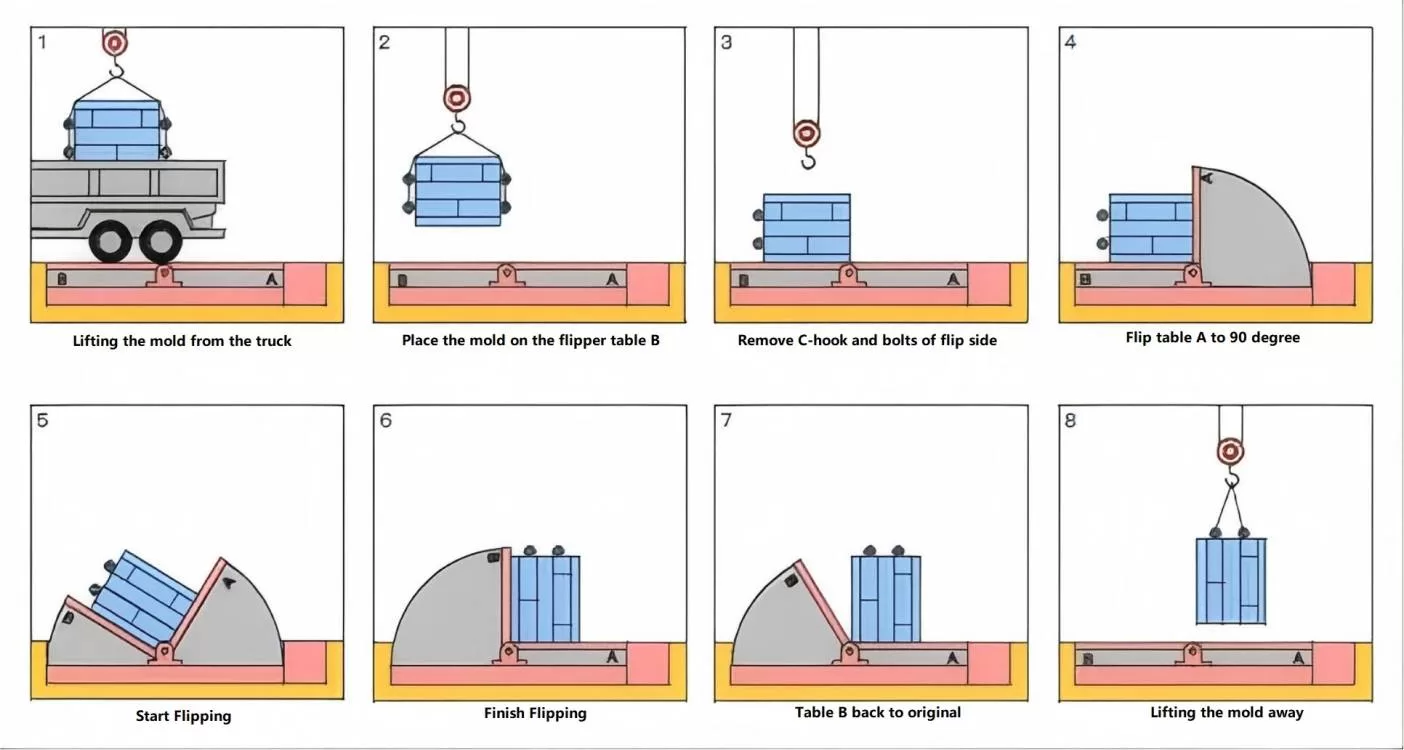
Finding the right upender means looking beyond the price tag. It is about understanding the long-term value and reliability. From my journey in the packing machine industry, I have seen too many companies buy cheap only to pay dearly later. Michael Chen is right to be careful; he needs a solution that truly solves his problems, not just another machine.
Here’s what to consider:
3.1. Construction and Durability 💪
- Heavy-Duty Frame: Look for robust steel construction. This ensures the upender can withstand the daily grind of a busy printing and packaging plant. It resists wear and tear over many years of operation.
- Quality Components: The hydraulic cylinders, pumps, and motors are the heart of the machine. High-quality components mean fewer breakdowns and longer service life.
- Wear-Resistant Surfaces: Check for durable coatings or materials on parts that contact the rolls. This prevents damage to your products and extends the machine’s life.
3.2. Operational Performance ⚙️
- Capacity: Make sure the upender can handle the maximum weight and diameter of your largest paper rolls. Oversizing slightly can offer future flexibility.
- Speed: How fast does it operate? A good upender should quickly change roll orientation without sacrificing safety.
- Smoothness of Operation: Hydraulic systems should provide a fluid, jerk-free motion. This is crucial for protecting delicate paper rolls.
- Control System:
- User-Friendly Interface: Operators should find it easy to use. Simple push-button controls or clear touchscreens are best.
- Variable Speed Control: The ability to adjust rotation speed adds precision, especially for very large or sensitive rolls.
- Programmable Settings: For different roll sizes, programmable settings can save time and reduce errors.








