
Pallet Inverter New Zealand: Why Top 2 Chinese Manufacturers Are the Leading Choice for Export Supply Chains?
Are you a New Zealand exporter struggling with pallet management? Do you face constant pressure to ship goods efficiently while ensuring safety and compliance? I understand these challenges because I have been in the packing machine industry for a long time. In today’s fast-paced global market, choosing the right equipment is not just about buying a machine; it is about finding a solution that drives your business forward. (export logistics, supply chain efficiency)
New Zealand’s export businesses often need robust and adaptable pallet handling solutions. The top two Chinese manufacturers, FHOPEPACK and SHJLPACK, are leading choices because they offer cutting-edge pallet inverter technology. This technology provides reliability, cost-effectiveness, and flexibility for diverse international shipping requirements.
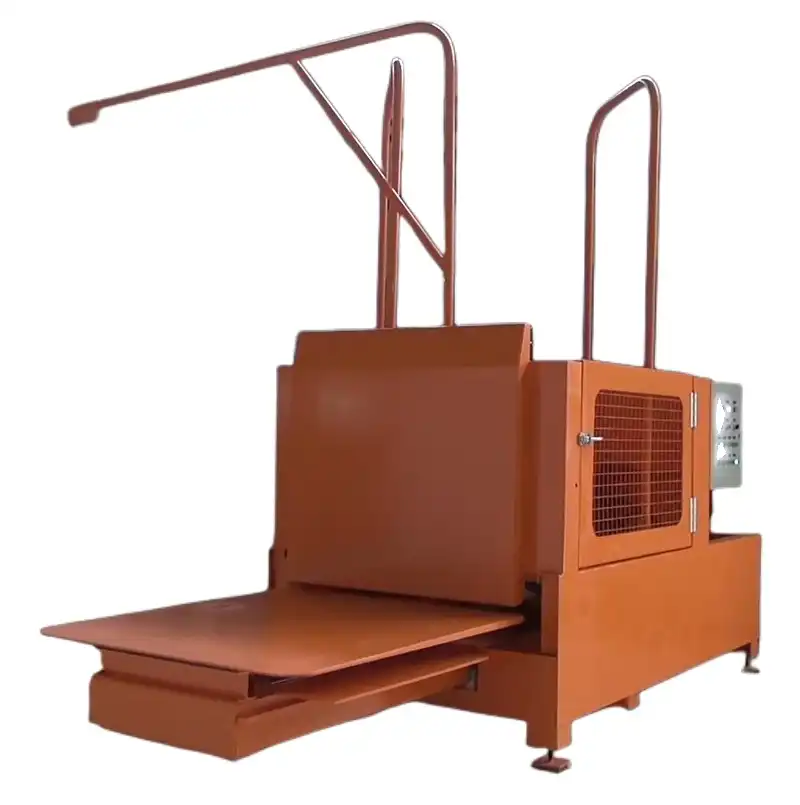
You are looking for ways to streamline your operations, reduce risks, and meet demanding client expectations. This article will help you understand why investing in a modern pallet inverter, especially from leading Chinese suppliers, can be a game-changer for your New Zealand export supply chain. Let’s dive in and see how. (pallet management, warehouse automation)
Why is Pallet Inversion Critical for New Zealand’s Export Success?
New Zealand businesses rely heavily on exports. They send products like food, timber, and manufactured goods all over the world. This means managing pallets effectively is not just a small task. It is a core part of their success. If your pallet handling is slow or goes wrong, it can affect your entire export operation. This can cause delays, extra costs, and even unhappy customers. (New Zealand exports, logistics operations)
Pallet inversion is critical for New Zealand’s export success because it allows businesses to quickly and safely switch between different pallet types. This ensures compliance with international shipping standards. It also protects goods and improves overall warehouse efficiency. It is a vital step for smooth global trade.
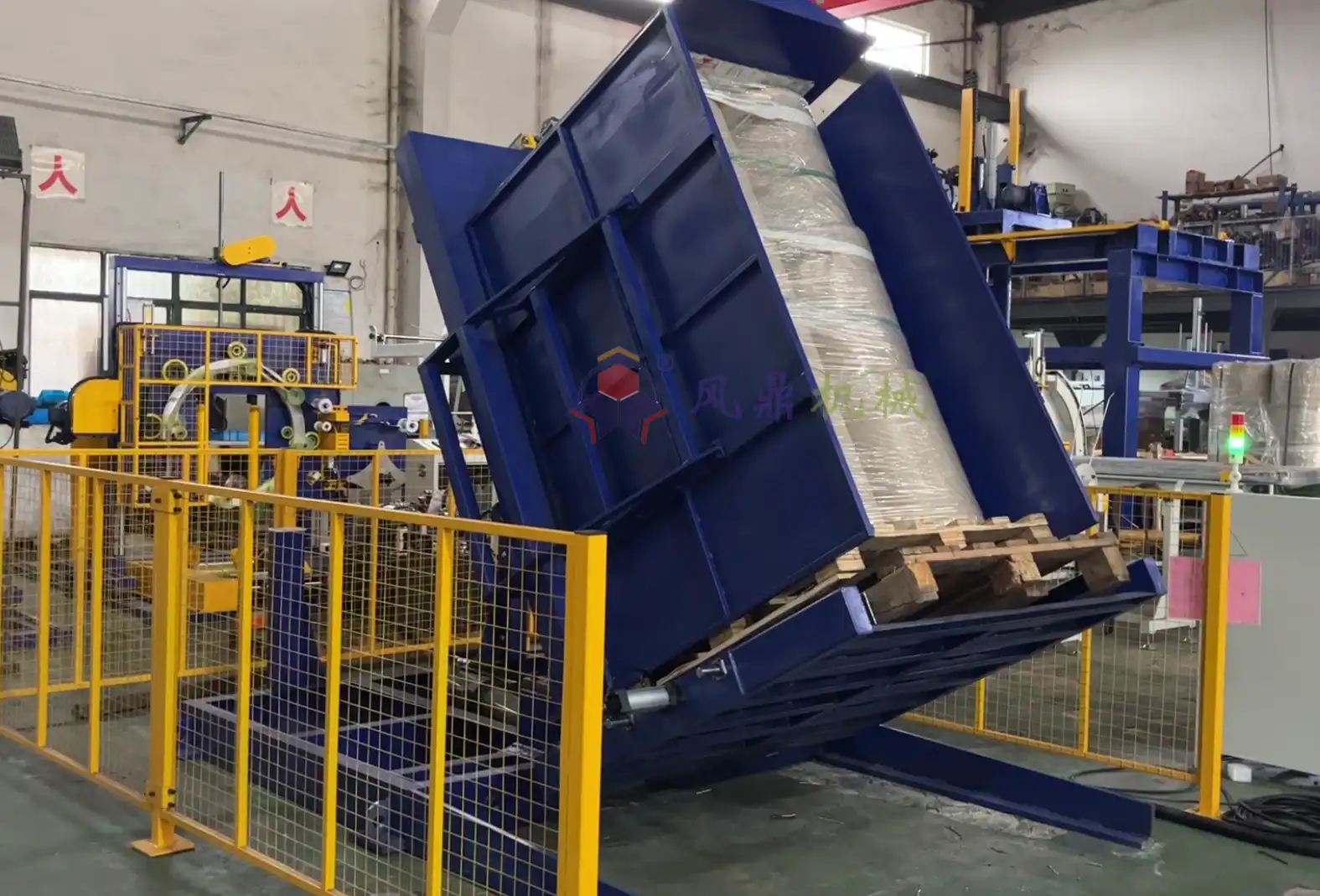
As someone who has spent years building packing machine factories, I have seen first-hand how important efficient material handling is. Many of my clients, just like those in New Zealand, need to adapt their pallets for different markets. A robust pallet inverter system solves many problems at once. It helps companies meet strict export demands. It also keeps their products safe and keeps costs down. Let’s look at the specific ways pallet inversion makes a difference. (material handling, export demands)
-
Ensuring Compliance with Global Pallet Standards: New Zealand exports go to many countries. Each country often has its own pallet rules. For example, Europe uses Euro pallets (EPAL), while North America uses GMA pallets. These differ in size and construction. Manually changing products from one pallet type to another is slow and costly. It also carries a high risk of damaging goods. A pallet inverter makes this switch fast and automated. This ensures your shipments always meet the destination country’s requirements. This avoids customs delays and potential fines. For businesses handling thousands of pallets daily, this efficiency is crucial. It keeps the supply chain moving smoothly and without interruption. Pallet inverter systems streamline this process. They prevent costly errors. They guarantee that your goods are always on the right kind of pallet for their journey. (global pallet standards, customs compliance)
-
Protecting Product Integrity During Transit: Sensitive or high-value goods need careful handling. When products need to be moved to a different pallet, manual methods can cause damage. Dropped items or unstable loads lead to losses. This affects both your bottom line and customer trust. A pallet inverter securely grips the load. It then rotates or transfers it to a new pallet without human intervention. This significantly reduces the risk of damage. It maintains the quality of your goods from the warehouse to the customer. This is especially important for food and beverage items or delicate manufactured products. It helps keep customer satisfaction high. Automated pallet changing equipment minimizes human contact, thus safeguarding product quality throughout the transfer process. (product damage prevention, secure load handling)
-
Optimizing Warehouse Space and Flow: Warehouses in New Zealand, like anywhere else, have limited space. Efficient use of this space is key to profitability. Pallet inverters help optimize storage by allowing different pallet types to be used for specific stages. For example, sturdy in-house pallets can be used for storage. Lighter, export-specific pallets can be used for shipping. This also helps improve the flow of goods. It minimizes bottlenecks at the shipping dock. When pallets can be changed quickly, goods move faster through the warehouse. This leads to better inventory management. It also supports faster order fulfillment times. This means better use of your valuable warehouse footprint and smoother internal logistics. (warehouse optimization, inventory management)
-
Enhancing Operational Safety and Reducing Labor Costs: Manual pallet changes are dangerous. Workers can get injured from heavy lifting or falling goods. I have heard many stories about accidents that could have been avoided. These incidents create significant human and financial costs. Pallet inverters remove humans from these risky tasks. They automate the process. This greatly improves workplace safety. Fewer accidents mean lower insurance costs and less downtime. Also, reducing the need for manual labor helps cut operational costs. In New Zealand, labor costs are rising, and finding staff for physically demanding jobs is hard. Automation fills this gap. It lets your team focus on more skilled work. Automated pallet changers are a smart investment for safety and cost control. (workplace safety, labor cost reduction)
What Challenges Do New Zealand Exporters Face with Pallet Management?
New Zealand exporters operate in a complex global market. They often deal with a variety of goods and destinations. This creates unique challenges for managing pallets. Without the right solutions, these issues can slow down operations. They can also increase costs and even risk business relationships. I have seen how these problems impact businesses in many regions, and New Zealand is no exception. (export logistics challenges, warehouse inefficiencies)
New Zealand exporters face several key challenges with pallet management: diverse international pallet standards, increasing labor shortages and costs, significant safety risks from manual handling, and growing pressure from customers for faster delivery. These issues collectively make efficient pallet switching a complex and costly bottleneck.

My experience in building packing machine solutions has taught me one thing: understanding the problem is the first step to finding the best solution. Many New Zealand businesses struggle with the same pain points. These include dealing with various pallet sizes and keeping up with demand. Let’s look closely at these challenges to see how a well-chosen pallet inverter can help. (logistics pain points, operational bottlenecks)
-
Navigating Diverse International Pallet Specifications: One of the biggest headaches for New Zealand exporters is the sheer variety of pallet types needed for different markets. A shipment going to Australia might use one type of pallet, while a shipment to Europe needs another. Then, the US has its own standards. Often, businesses use plastic pallets for hygiene in food exports, but wood pallets for general goods. Manually transferring goods from an in-house pallet to an export-specific pallet is slow and complicated. It requires careful planning and significant manual effort. This process is prone to errors, which can lead to rejected shipments or additional fees at the destination. Managing these diverse pallet requirements is a constant source of stress for logistics managers. (international pallet diversity, multi-standard compliance)
-
Addressing Labor Shortages and Rising Costs: Like many developed nations, New Zealand faces a growing challenge with labor availability and rising wages in logistics and warehousing. Finding skilled workers willing to perform physically demanding tasks like manually switching pallets is becoming harder. Young people often prefer less strenuous jobs. This creates a significant gap in the workforce. Businesses must either pay higher wages or operate with fewer staff. This directly impacts efficiency and output. Relying on manual labor for pallet changes also means slower processing times, especially during peak export seasons. This trend makes automation not just an option, but a necessity for long-term sustainability and growth. (warehouse labor crunch, rising operational expenses)
-
Mitigating Safety Risks and Workplace Accidents: Manual pallet handling, especially when loads are heavy or unstable, poses serious safety risks. Workers can suffer muscle strains, back injuries, or even more severe accidents from falling goods or improper lifting. I have seen situations where companies faced substantial penalties and increased insurance costs due to such incidents. Beyond the financial impact, there is the human cost of injury. Creating a safer work environment is not just a regulatory requirement. It is a moral one. Businesses want to protect their employees and avoid the disruption that accidents cause. These safety concerns add complexity and worry to daily operations. (worker safety, industrial accident prevention)
-
Meeting Demanding Customer Expectations for Speed: The rise of e-commerce and global supply chains means customers expect faster delivery times than ever before. This pressure trickles down to exporters in New Zealand. Warehouses must operate with maximum efficiency to ensure goods are packed, prepared, and shipped without delay. Any bottleneck in the process, such as slow pallet switching, directly impacts delivery schedules. It can lead to missed deadlines and customer dissatisfaction. In a competitive market, delays can cost a business clients and damage its reputation. Exporters need solutions that speed up their operations significantly. Keeping up with these high-speed demands is a constant operational challenge. (fast delivery demands, customer satisfaction metrics)
How Do Chinese Pallet Inverter Manufacturers Offer a Competitive Edge?
When businesses look for packing solutions, they want reliability, innovation, and good value. For New Zealand exporters, choosing a pallet inverter is a big decision. Many global options exist. But Chinese manufacturers have shown a unique ability to offer a competitive edge. They do this through a combination of factors that make them stand out. (global manufacturing, competitive solutions)
Chinese pallet inverter manufacturers offer a significant competitive edge through their blend of advanced technology, cost-effectiveness, high production capacity, and adaptability to specific customer needs. This combination provides New Zealand exporters with high-quality, reliable, and affordable solutions for their complex supply chain requirements.
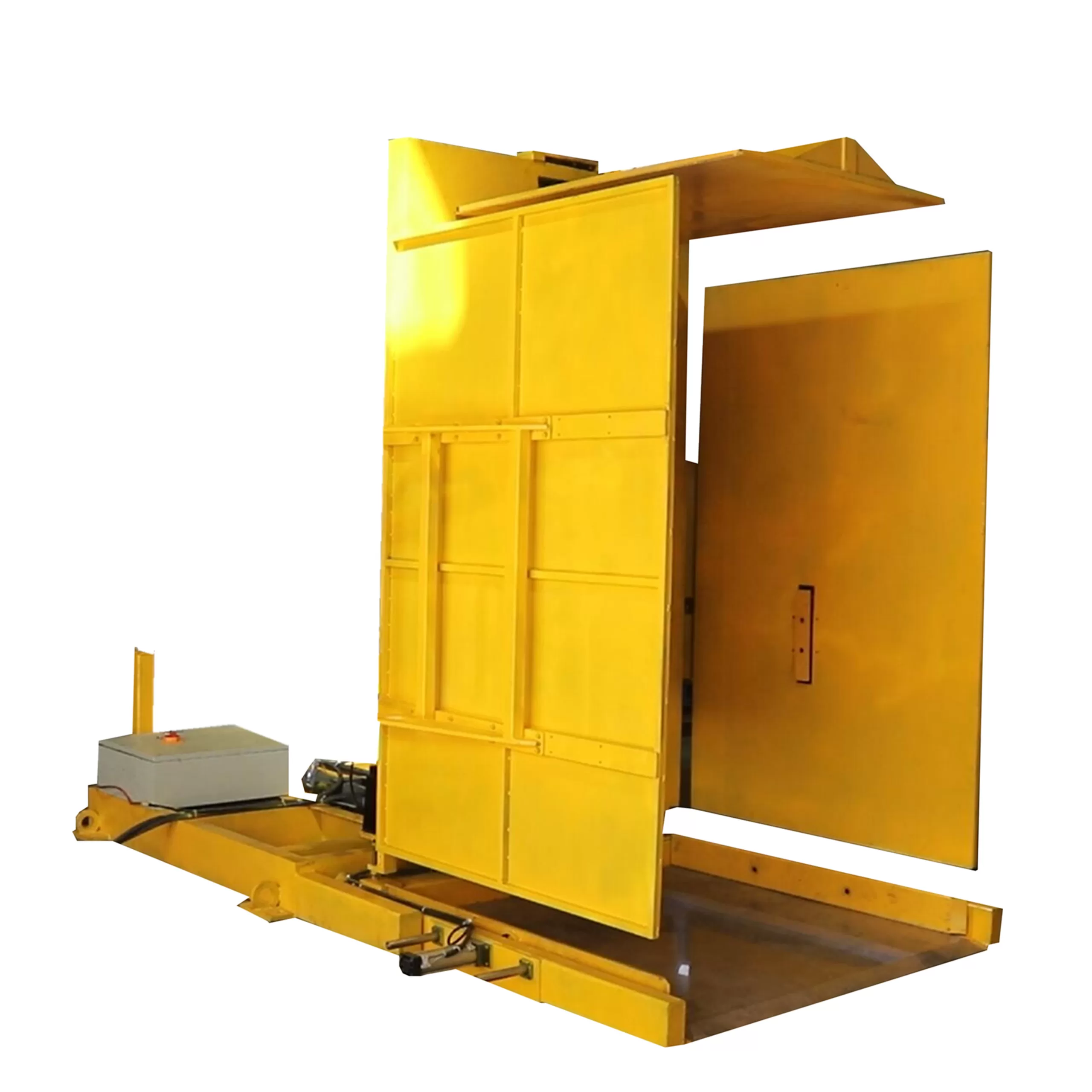
My journey from a factory employee to founding FHOPEPACK taught me the importance of practical, robust engineering. Chinese manufacturing has evolved a lot. It is no longer just about low cost. It is about smart design, strong materials, and meeting global standards. Let me explain why this makes them an attractive partner for your export needs. (manufacturing evolution, engineering excellence)
-
Innovation and Technological Advancement: Chinese manufacturers are no longer just copying existing designs. They are investing heavily in research and development. They create their own innovative solutions. Modern Chinese-made pallet inverters include advanced features. These include PLC controls for precision, customizable programs for different pallet sizes, and remote diagnostics. They often integrate with existing warehouse management systems. This focus on technology means you get cutting-edge equipment. It improves efficiency and reliability. These innovations help solve complex material handling problems. They also keep your operations competitive in the long run. The continuous drive for improvement ensures that you are getting the latest in automation technology. (technological innovation, automated solutions)
-
Cost-Effectiveness Without Compromising Quality: One of the most appealing aspects of Chinese manufacturing is its ability to offer competitive pricing. This does not mean sacrificing quality anymore. Efficient production processes, access to raw materials, and economies of scale allow Chinese companies to build high-quality machines at a better price point. For New Zealand businesses, this means they can invest in advanced automation solutions without breaking their budget. It allows for a faster return on investment. This makes modernizing your export supply chain more accessible and affordable. This balance of cost and quality is a major draw for smart investment decisions. (affordable automation, value engineering)
-
High Production Capacity and Shorter Lead Times: China has massive manufacturing capabilities. This means they can produce pallet inverters in large volumes. This leads to shorter lead times. When you need a new machine, you often need it quickly. Chinese factories can deliver faster than many other global suppliers. This high capacity also ensures a steady supply of spare parts. This minimizes downtime for your operations. For a business in New Zealand, being able to get essential equipment quickly and reliably is a huge advantage. It helps maintain continuous operations and respond to market demands. The ability to meet demand quickly is a crucial competitive factor. (rapid manufacturing, efficient delivery)
-
Customization and Flexibility for Specific Needs: Every export business has unique needs. Chinese manufacturers are known for their willingness and ability to customize equipment. Whether you need a pallet inverter that handles unusually large loads, specific pallet dimensions, or integrates into a unique production line, they can adapt. My own experience with FHOPEPACK shows our commitment to tailor solutions. We work closely with clients to meet their exact operational requirements. This flexibility ensures you get a machine that is perfectly suited to your specific New Zealand export operation, rather than a one-size-fits-all product. This client-focused approach ensures maximum utility and integration for your business. ( bespoke solutions, adaptable machinery)
What Makes FHOPEPACK and SHJLPACK Stand Out in the Global Market?
When it comes to selecting a pallet inverter, two names often come up in discussions about leading Chinese manufacturers: FHOPEPACK and SHJLPACK. Both companies have built strong reputations. They are known for providing reliable and innovative solutions. As the founder of FHOPEPACK, I am proud of our journey. I have watched the industry grow. I believe both companies offer something truly valuable to the global market, especially for New Zealand exporters. (leading manufacturers, industry reputation)
FHOPEPACK and SHJLPACK stand out in the global market due to their strong focus on product quality, continuous innovation, excellent customer service, and robust engineering. FHOPEPACK specifically excels in customized solutions and deep industry knowledge. SHJLPACK is recognized for its wide product range and competitive pricing. Both offer reliable, high-performance pallet inverters for demanding export environments.
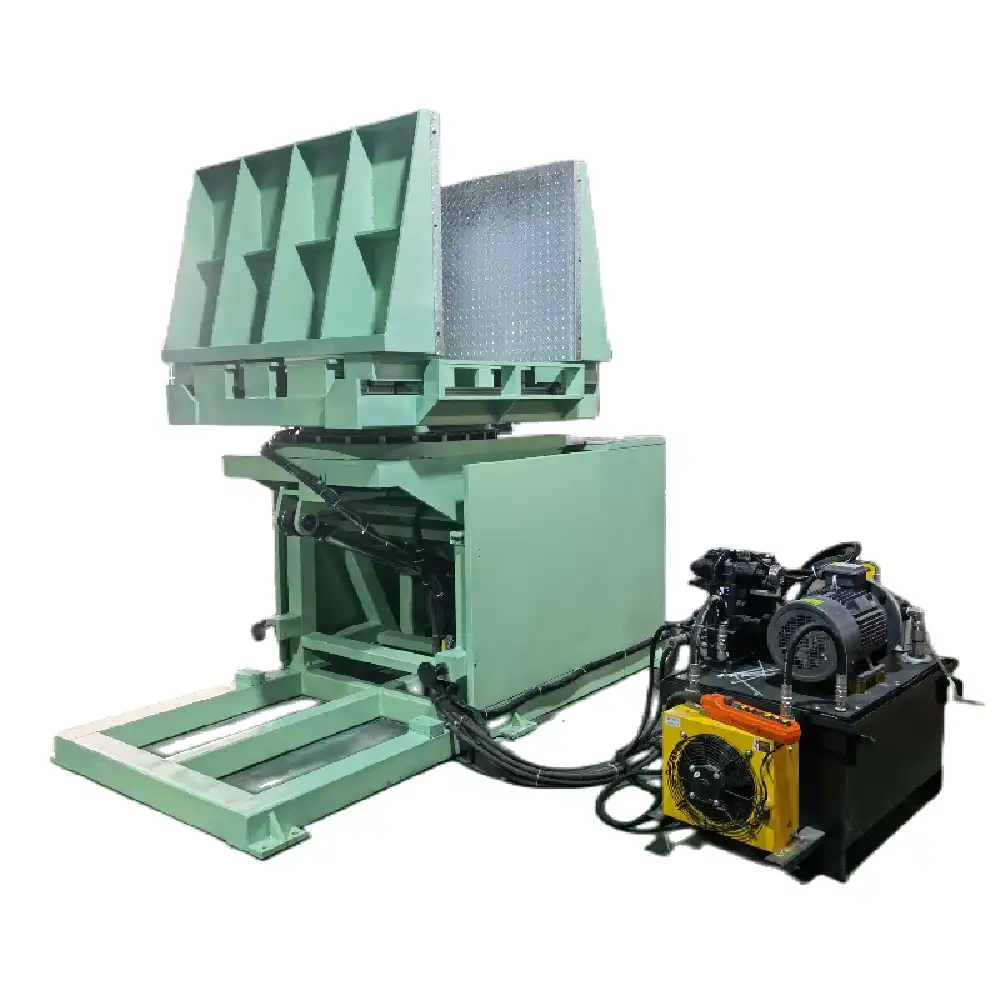
I started FHOPEPACK with a vision to share knowledge and provide practical solutions. My team and I work hard to build machines that truly solve real-world problems. We understand the pressure businesses face, from tight deadlines to safety concerns. Let me explain why FHOPEPACK, and SHJLPACK, are names you can trust. (practical solutions, industry leadership)
-
FHOPEPACK: Engineering Expertise and Client-Centric Solutions: At FHOPEPACK, our strength comes from a deep understanding of packing machinery. My own journey from a factory floor to leading a successful company gives us unique insights. We focus on engineering durable, efficient, and safe pallet inverters. Our approach is always client-centric. We do not just sell machines. We partner with businesses to understand their specific needs. This allows us to offer tailored solutions. We excel in designing pallet inverters that can handle a wide range of loads and pallet types. Our machines are built to withstand the rigors of high-intensity export operations. We pride ourselves on post-sales support and spare parts availability. This ensures long-term reliability for our New Zealand clients. We believe in providing solutions that integrate seamlessly into your existing workflow, ensuring maximum uptime and efficiency. Our commitment to ongoing support ensures your investment continues to pay off. (FHOPEPACK solutions, customized engineering)
-
SHJLPACK: Extensive Product Range and Global Reach: SHJLPACK has also made a significant mark. They are known for their broad portfolio of pallet handling equipment. They offer various models to suit different budgets and operational scales. Their commitment to production efficiency allows them to offer competitive pricing. This makes their machines accessible to a wider market. SHJLPACK has a strong global distribution network. This ensures their products are available to many customers. They provide good standard solutions for many common pallet inversion needs. This makes them a strong contender for businesses looking for proven technology. Their ability to deliver a wide array of options quickly serves a diverse global client base effectively. (SHJLPACK product range, global distribution)
-
Focus on Reliability and Durability: Both FHOPEPACK and SHJLPACK understand that equipment downtime is costly. Their machines are built with high-quality components and robust construction. They are designed for continuous operation in demanding industrial environments. This focus on durability means less maintenance and a longer operational lifespan. For New Zealand exporters, investing in a reliable pallet inverter from either of these manufacturers means greater operational stability. It means fewer unexpected interruptions to their critical export schedule. This solid construction ensures your investment is protected and delivers consistent performance over many years. (equipment reliability, durable machinery)
-
Commitment to Safety and Compliance: Safety is paramount in any warehouse or logistics operation. Both companies design their pallet inverters with advanced safety features. These include emergency stop buttons, safety guarding, and intelligent sensors. These features help protect operators and prevent accidents. Their machines also meet international safety and quality standards. This ensures that when you choose FHOPEPACK or SHJLPACK, you are investing in equipment that not only performs well but also keeps your workforce safe and your operations compliant. This commitment aligns with the needs of businesses like those in New Zealand. They prioritize minimizing risks and ensuring a secure working environment for everyone involved. (safety features, international compliance)
How Can a Pallet Inverter Transform Your New Zealand Export Operations?
Facing the everyday challenges of global trade can be tough for New Zealand exporters. You need solutions that work. A pallet inverter is more than just a piece of machinery. It is a strategic investment. It can change how you manage your entire export supply chain. It turns bottlenecks into smooth processes. I have seen countless businesses grow because they embraced the right technology. (export efficiency, strategic investment)
A pallet inverter can transform New Zealand export operations by significantly boosting efficiency, enhancing workplace safety, reducing operational costs, ensuring seamless compliance with international pallet standards, and improving overall customer satisfaction. It automates a critical, labor-intensive process, making the entire supply chain faster and more reliable.
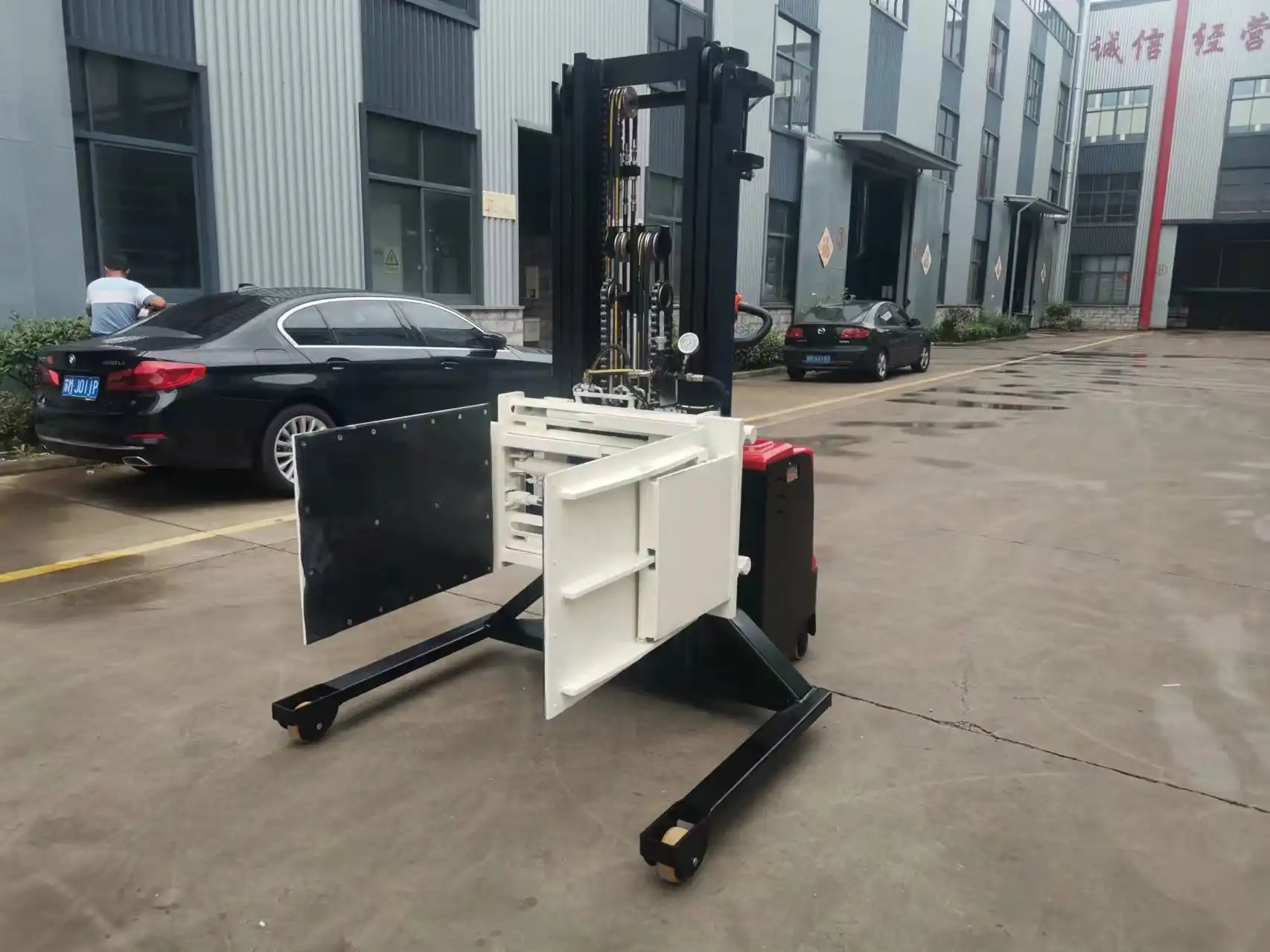
My mission at FHOPEPACK is to help businesses understand and use smart packing solutions. I want to share insights that make a real difference. Implementing a pallet inverter can bring about a profound positive change. It can empower your team and strengthen your competitive edge. Let me explain the specific ways this technology can redefine your export processes. (smart packing solutions, competitive advantage)
-
Dramatic Increase in Operational Efficiency and Speed: One of the most immediate benefits of a pallet inverter is the speed it brings to pallet changing. Manual methods are slow and can take many minutes per pallet. A machine can complete the task in seconds or a couple of minutes. This drastically reduces the time needed for cargo preparation. It means your warehouse can process more shipments in less time. Faster throughput directly translates to quicker dispatch and reduced turnaround times. For New Zealand exporters facing tight shipping schedules, this efficiency gain is invaluable. It helps meet demanding delivery windows without stress. This boost in speed means your products move from storage to shipping much faster, reducing lead times for your customers. (operational speed, faster cargo processing)
-
Enhanced Safety for Your Workforce and Products: Worker safety is a primary concern. With a pallet inverter, your employees no longer need to perform heavy, risky manual lifting or unstable load transfers. The machine handles the entire process. This removes the risk of back injuries, crushes, or product damage from human error. It creates a much safer working environment. This leads to fewer accidents, lower compensation claims, and reduced insurance premiums. It also contributes to better employee morale. When staff feel safe, they are more productive and committed. By removing manual handling from hazardous tasks, you protect your most valuable asset: your people. (workplace safety improvement, reduced accident rates)
-
Significant Reduction in Operating Costs: Automating pallet changes leads to substantial cost savings. Firstly, it reduces labor costs. You need fewer workers for this specific task. These employees can then be assigned to other value-added activities within your operations. Secondly, it minimizes product damage. Less damage means fewer returns, less waste, and lower replacement costs. This directly impacts your profit margins. Thirdly, faster processing means higher output with existing resources. This optimizes your overall operational expenditure. The initial investment in a pallet inverter pays for itself quickly through these cumulative savings. This is a clear path to improved profitability for your New Zealand business. (cost savings, operational expenditure reduction)
-
Seamless Compliance with International Standards: For New Zealand exporters, adhering to different international pallet standards is non-negotiable. A pallet inverter ensures smooth transitions between Euro, GMA, plastic, or custom pallets. It guarantees your goods are always on the correct pallet for their destination. This proactive compliance avoids costly delays at customs. It also prevents potential penalties or rejection of shipments. By automating this aspect, you can confidently expand into new markets. You know your logistics are fully compliant and streamlined. This automatic adherence to diverse standards removes a major logistical headache for global trade. (international compliance, customs clearance efficiency)
-
Improved Customer Satisfaction and Reputation: In today’s competitive landscape, customer satisfaction is key. A pallet inverter helps you deliver on promises. It ensures faster, more reliable deliveries. It reduces the chance of damaged goods. This positive experience builds trust and strengthens your reputation as a dependable exporter. Happy customers are repeat customers. They are also more likely to recommend your services. Investing in this technology shows your commitment to operational excellence. It signals that you prioritize efficient and safe handling of their products. This enhances your brand image and fosters long-term client relationships. (customer loyalty, brand reputation)
Conclusion
Investing in a modern pallet inverter from top Chinese manufacturers like FHOPEPACK or SHJLPACK offers New Zealand exporters a clear path to greater efficiency and safety. It helps overcome diverse pallet challenges, labor issues, and compliance demands. This strategic automation is key to securing your competitive edge in global export supply chains.








