
Pallet Inverter India: How Can Engineers Optimize Efficiency by Comparing Supplier Technologies?
Indian logistics and warehousing operations face increasing pressure. You probably know the challenges firsthand: diverse pallet standards, rising labor costs, and the constant demand for faster, safer processing. These issues can seriously impact your efficiency and ultimately, your bottom line. Imagine the frustration of delayed shipments, potential contract penalties, and even risks to your team’s safety, all because your pallet handling isn’t as efficient as it could be. My journey in the packing machine industry, from an employee to a factory owner, showed me these pain points are universal.
Engineers in India optimize efficiency by thoroughly comparing pallet inverter supplier technologies, focusing on reliability, automation, safety features, and robust after-sales support to effectively address diverse pallet needs and local labor challenges. Choosing a solution that offers adaptability, high throughput, and durable construction is vital for long-term operational success in India’s demanding, high-intensity warehouse environments.
Understanding the core “why” for adopting new technology is just the first step. Now, let’s dive deeper into the specific technologies available, the critical considerations for choosing them, and how to pick the right long-term partner. My experience has taught me that true efficiency and growth come from making informed, strategic choices.
Why are Pallet Inverters Becoming Essential for Indian Engineers?
Indian logistics are complex and constantly evolving. Many businesses, especially those in food and beverage or international trade like Carlos’s operations, deal with a mix of international pallet standards such as Euro, US, and various plastic pallets. Manually switching these different types creates major bottlenecks in the supply chain. This leads to slow processing times, costly errors, and constant headaches for your warehouse team. Your operations simply cannot afford these kinds of delays if you want to remain competitive. Pallet inverters offer a clear and effective path to overcome these significant hurdles, bringing much-needed automation and precision to your material handling.
Pallet inverters are becoming essential for Indian engineers due to the diverse international pallet standards required for import and export, increasing labor costs and shortages for manual handling, and the critical need to improve worker safety from hazardous manual operations like tilting heavy loads. They offer a concrete solution to challenges related to efficiency, compliance with varying regulations, and rapid dispatch in high-volume distribution environments across India.
My own journey, from building packing machines to running a factory, showed me how much difference the right equipment makes. Let’s break down why pallet inverters are now a must-have:
-
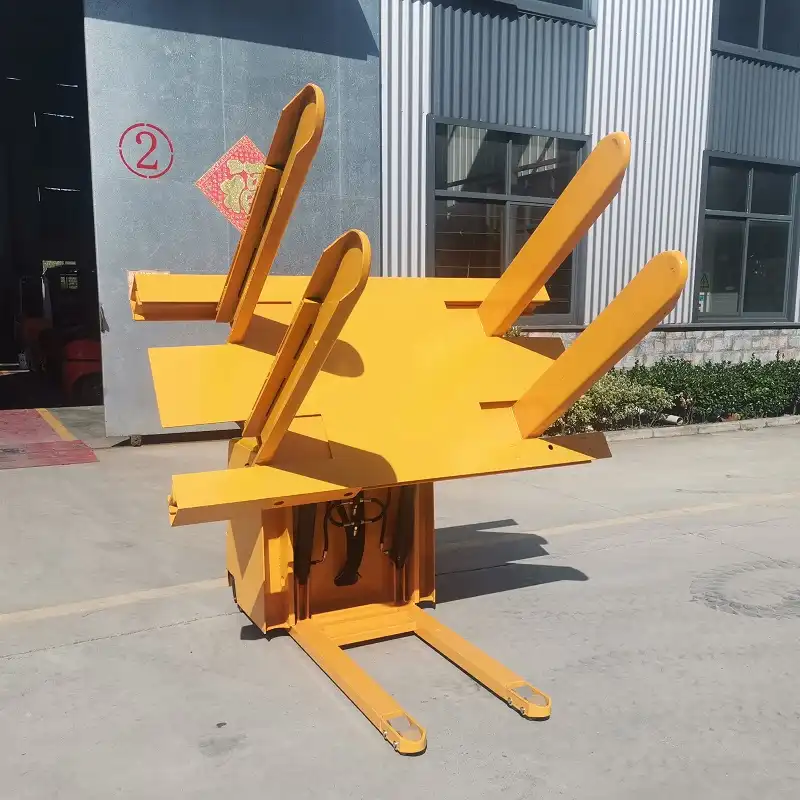
1. Navigating the Global Pallet Puzzle: Diverse Pallet Standards Indian businesses, especially those involved in international trade like our fictional logistics manager Carlos, frequently encounter a complex mix of pallet types. You often deal with standard European pallets (Euro pallets), North American pallets (US pallets), and various types of plastic pallets. Each of these has different dimensions and weight capacities. For export, you also face strict phytosanitary regulations like ISPM15, which dictates heat treatment for wooden pallets to prevent pest infestation. This often means transferring goods from wooden inbound pallets to certified export pallets. Manually switching between these different types is not only slow but also prone to costly errors and potential damage to your goods. Imagine shifting thousands of pallets daily. Manual processes simply cannot keep up with this demand reliably. An automated pallet inverter handles these transfers quickly and precisely, ensuring compliance and preventing delays at customs. It allows your operations to maintain high hygiene standards, especially important in the food processing sector, by easily swapping dirty or damaged pallets for clean ones. This adaptability is key for any engineer looking to streamline international logistics.
Pallet Inverter India – Diverse Pallet Standards -
2. Addressing India’s Evolving Labor Dynamics: Labor Shortage and Rising Costs The labor market in India is changing. Finding skilled and willing workers for physically demanding tasks, such as manually lifting, tilting, or switching heavy pallets, is becoming increasingly difficult. Labor costs are also on a steady rise, directly impacting your operational expenses. Relying heavily on manual labor for such strenuous and repetitive jobs leads to lower efficiency, higher turnover, and increased overheads. My own experience in manufacturing taught me that investing in automation is not just about replacing people; it’s about making your existing workforce more productive and engaged in less physically demanding roles. Pallet inverters significantly reduce your dependence on manual labor for these specific tasks, freeing up your team for more value-added activities. This shift helps mitigate the impact of labor shortages and spiraling costs, contributing directly to your profitability. For managers like Carlos, reducing manual handling means a more stable and cost-effective workforce.
-
3. Enhancing Workplace Safety: Reducing Risks and Injuries Manual pallet handling is inherently risky. Tilting heavy loads, maneuvering pallets in confined spaces, and physically transferring goods can lead to significant workplace accidents. These include goods tipping over, crushing injuries, back strains, and falls. Such incidents result in direct costs like medical expenses and compensation claims, as well as indirect costs like lost productivity, increased insurance premiums, and damage to employee morale. I have seen firsthand the devastating impact even small accidents can have on a team. Pallet inverters eliminate the need for manual flipping or heavy lifting, performing these dangerous tasks mechanically and safely. They greatly reduce the risk of worker injury and product damage, ensuring a safer working environment. This proactive approach to safety is not just good for your employees; it’s good for your business, creating a more compliant and secure operational footprint.
-
4. Meeting Modern Customer Pressures: Faster Delivery and Compliance Modern consumers and businesses expect faster delivery times than ever before. The rise of e-commerce and just-in-time inventory systems means that every minute counts in the supply chain. Warehouse processes must be quick, efficient, and highly reliable. Delays in pallet switching can lead to missed delivery windows, contract penalties, and ultimately, dissatisfied customers who might take their business elsewhere. Pallet inverters significantly accelerate the pallet transfer process, ensuring your goods are ready for dispatch quickly and efficiently. They help you maintain strict compliance with various logistics and hygiene standards without compromising speed. This increased speed and accuracy directly contribute to higher customer satisfaction and help your business meet the demanding pace of today’s market. For logistics managers, this means avoiding costly customer complaints and maintaining your reputation.
-
5. Long-Term Cost Savings and Return on Investment (ROI) While the initial investment in a pallet inverter might seem substantial, the long-term cost savings are compelling. By reducing manual labor, minimizing product damage, improving safety (and thus reducing injury-related costs), and significantly increasing operational throughput, a pallet inverter delivers a strong return on investment. It standardizes your pallet handling process, leading to fewer errors and less waste. This contributes to a leaner, more efficient operation that saves money over time. My own experience has shown me that quality equipment, though a larger upfront cost, pays for itself many times over in efficiency, reduced operational risks, and overall growth. It’s about smart investing for sustained success. (Indian warehouse automation, cost reduction, supply chain optimization)
What Key Technologies Define an Efficient Pallet Inverter System?
Not all pallet inverters are created equal. Choosing the wrong technology can lead to ongoing problems, maintenance nightmares, and fail to deliver the promised efficiency gains. You don’t want to invest in a machine that becomes another headache, constantly breaking down or struggling with your specific pallet types or load profiles. My goal at FHOPEPACK is to share knowledge so you can avoid these pitfalls. Instead, focus on core technological aspects that guarantee robust performance and real value for your operations in India. A deep understanding of these technologies helps you make an informed choice.
An efficient pallet inverter system is fundamentally defined by its robust drive mechanism, often hydraulic or mechanical, which ensures reliable heavy-duty performance, coupled with intuitive control interfaces for seamless operator interaction. Key features also include adaptive clamping and pressure systems that safely handle diverse pallet sizes and load types without damage, along with integrated, comprehensive safety features like light curtains and emergency stops, all engineered to contribute to high operational throughput and system reliability.
From my years of experience designing and building packing machines, I know that the details of engineering truly matter. Here’s what to look for:
-
1. Robust and Reliable Drive Systems: Hydraulic vs. Mechanical The heart of any pallet inverter is its drive system. You will typically find two main types: hydraulic and mechanical. Hydraulic systems, which FHOPEPACK often employs for heavy-duty applications, use fluid power to achieve powerful and smooth movements. They are excellent for handling very heavy and unstable loads, offering precise control over the inversion process. These systems are known for their durability and ability to operate continuously under strenuous conditions, making them ideal for high-throughput environments like Carlos’s food and beverage distribution center. Mechanical systems, on the other hand, often use gears, chains, or screws. They can be very robust and efficient for specific applications, often requiring less maintenance in certain contexts. However, they might not offer the same level of fine-tuned control or power for extremely heavy or sensitive loads as hydraulic systems. When evaluating, consider the weight and stability of your typical loads, as well as the expected operational intensity. A well-engineered drive system is critical for long-term reliability and minimal downtime.
-
2. Advanced Control Interfaces: PLC and User Experience Modern pallet inverters feature sophisticated control interfaces. Programmable Logic Controllers (PLCs) are the brains of these machines, allowing for precise control of all movements, speeds, and safety interlocks. Look for systems with user-friendly touchscreens that provide clear operational feedback, diagnostic information, and easy program selection for different pallet types or inversion angles. Some advanced systems even offer remote monitoring and diagnostic capabilities, allowing engineers to troubleshoot issues from a distance. Integration capabilities with your existing Warehouse Management System (WMS) or Enterprise Resource Planning (ERP) software are also crucial. This allows for seamless data exchange, automated process initiation, and better overall control of your material flow. The easier the system is to operate and integrate, the more efficient your team will become, reducing training time and operational errors.
-
3. Adaptive Clamping and Pressure Systems: Protecting Your Goods One of the most critical aspects of a pallet inverter is how it grips and holds your load during the inversion process. An efficient system must have adaptive clamping mechanisms that can safely secure a wide range of load dimensions and weights without causing damage to the product or the pallet itself. Look for adjustable pressure settings that can be customized based on the fragility or stability of your goods. Some advanced systems use sensors to automatically detect load height and apply the appropriate clamping force. This technology ensures that delicate items are not crushed, while heavy or unstable loads are held securely in place. The ability to handle diverse pallet sizes and load types effectively is a hallmark of a versatile and efficient pallet inverter, directly addressing Carlos’s challenge with varying pallet specifications. This adaptability minimizes product damage and ensures smooth transitions between different pallet standards.
-
4. Integrated Safety Features: Protecting Your Workforce Safety is paramount in any industrial setting. An efficient pallet inverter system must incorporate comprehensive safety features to protect your operators and prevent accidents. These include physical barriers like safety fences and interlocked gates that prevent access to moving parts during operation. Light curtains or optical sensors automatically stop the machine if an object or person enters the danger zone. Emergency stop buttons, strategically placed around the machine, allow for immediate shutdown in critical situations. Overload sensors prevent the machine from operating beyond its safe weight capacity. All these features work together to create a secure operating environment, significantly reducing the risks associated with manual pallet handling. As an engineer, ensuring compliance with local safety regulations and prioritizing worker well-being should be a top priority, making these integrated features non-negotiable.
-
5. Customization and Modularity: Tailoring to Your Needs Every warehouse operation is unique. An efficient pallet inverter system should offer a degree of customization and modularity. This means the ability to tailor the machine to your specific needs, such as specialized conveyor systems for integration into an existing line, different inversion angles, or features to handle unique product packaging. A modular design also allows for easier upgrades or expansions in the future, meaning your investment can grow with your business. FHOPEPACK, for example, prides itself on offering solutions that go beyond standard products, working with clients to design systems that perfectly fit their operational flow. This flexibility ensures that the pallet inverter is not just a piece of equipment but a fully integrated solution that truly enhances your overall efficiency and adapts to your evolving business requirements. (pallet inverter control systems, industrial automation safety, material handling technology, warehouse equipment integration)
How Do Different Pallet Inverter Types Influence Operational Throughput and Safety?
The market offers a variety of pallet inverter types, each with its own design and purpose. Picking the wrong one for your specific operation can seriously limit your output and even compromise safety. A mismatched machine might slow down your production line, cause damage to your valuable goods, or put your employees at unnecessary risk, negating any potential benefits you hoped to achieve. My experience in designing packaging solutions has shown me that understanding these differences is absolutely key to selecting the right tool for your specific throughput and safety goals. Let’s look at the main types and their impact.
Different pallet inverter types, such as 90-degree tippers, versatile 180-degree free-standing units, and high-volume inline automated systems, significantly influence operational throughput by varying their speed, degree of automation, and cycle times. Crucially, they all enhance safety by mechanizing hazardous manual operations, thereby reducing worker injury risks and improving overall workplace security compared to traditional methods.
I have personally seen many different setups in factories. Here’s how the common types stack up:
-
1. 90-Degree Pallet Tippers: Simple and Specific Tasks A 90-degree pallet tipper, sometimes called a pallet changer or tipper, is a straightforward solution. It rotates a load by 90 degrees, often used for tasks like emptying bins, transferring goods from one type of pallet to another horizontally, or changing a damaged layer without fully inverting the entire stack. These machines are generally simpler in design and operation. Their throughput is typically lower compared to 180-degree or inline systems because they perform a single, specific movement. While they certainly improve safety by eliminating manual tipping of heavy containers, their application is more niche. They are best suited for operations with lower volume or very specific handling needs, where a full 180-degree inversion is not required. For example, if you only need to access the bottom layer of a pallet or invert a crate, a 90-degree tipper can be a cost-effective and safe choice.
-
2. 180-Degree Free-Standing Pallet Inverters: Versatility for Diverse Needs The 180-degree free-standing pallet inverter is arguably the most common and versatile type. It completely inverts a full pallet load by 180 degrees. This makes it ideal for a wide range of applications, such as transferring goods from wooden pallets to plastic or hygiene pallets, removing damaged goods from the bottom of a stack, or simply changing out a broken pallet. FHOPEPACK offers robust standalone units that fit this description perfectly. These machines provide excellent flexibility for operations that need to handle diverse pallet sizes and load configurations. Their throughput is moderate to high, depending on the model and the degree of automation (manual loading vs. forklift loading). From a safety perspective, they completely eliminate the need for dangerous manual flipping or tilting, thereby significantly reducing the risk of worker injuries and product damage. They offer a good balance of capacity, versatility, and safety for many warehouses.
Pallet Inverter India – Free Standing Unit -
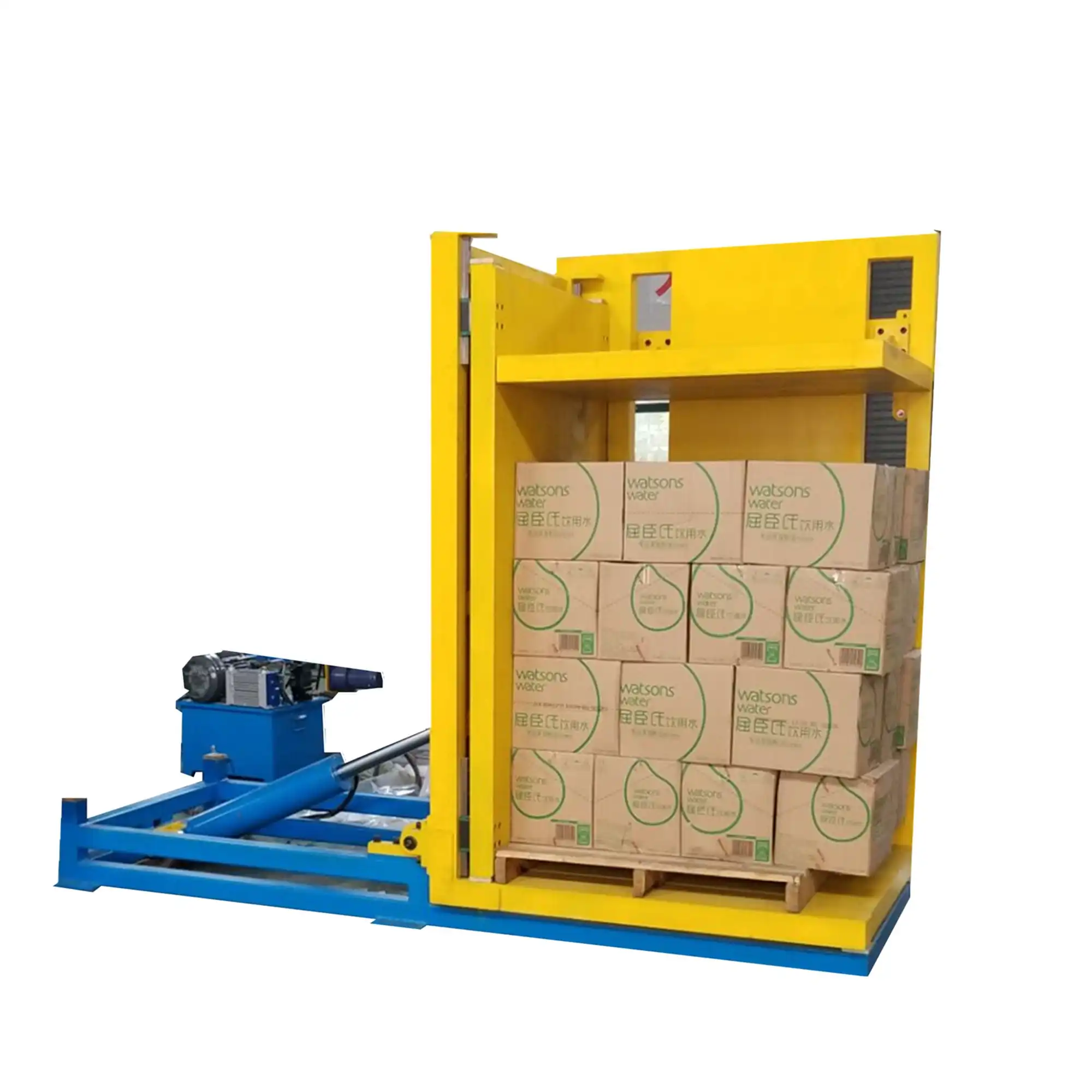
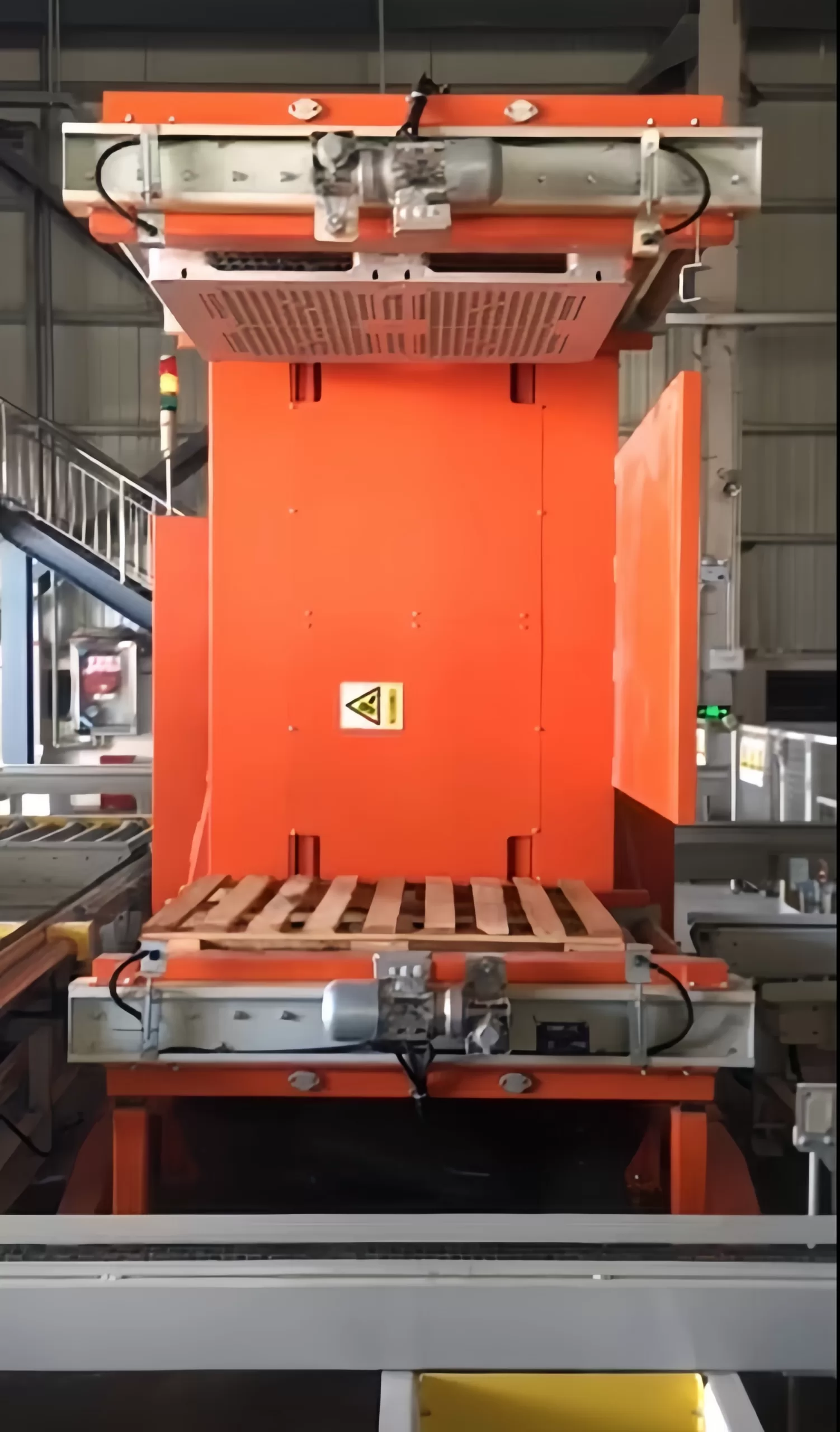
3. Inline 180-Degree Pallet Changing Systems: Maximizing Throughput and Automation For operations with very high volume and continuous flow requirements, an inline 180-degree pallet changing system is the optimal choice. These systems are fully integrated into existing conveyor lines, allowing for automated, continuous pallet transfers without human intervention once the process starts. They offer the highest throughput among all pallet inverter types. Imagine thousands of pallets moving seamlessly from inbound to outbound, with automatic pallet changes happening along the way. This level of automation is perfect for large distribution centers or manufacturing plants, similar to the high-intensity environment Carlos manages. Safety is also greatly enhanced as human interaction with the machine’s moving parts is minimized. The entire operation can be controlled remotely, further reducing human exposure to potential hazards. While the initial investment is higher, the gains in efficiency, speed, and safety make it a wise long-term investment for high-volume operations. These systems are designed for peak performance and minimal downtime.
Pallet Inverter India – Inline System -
4. Mobile Pallet Changers: Flexibility and Specific Needs Mobile pallet changers offer a unique advantage: flexibility. Unlike fixed units, these machines can be moved around the warehouse to different locations where pallet changes are needed. This is particularly useful for operations that do not require a permanent pallet changing station or for those with varying workflow demands. They are often semi-automatic, requiring an operator to load and unload pallets, but they still perform the inversion mechanically, thereby greatly improving safety over manual methods. While their throughput might not match that of fully inline systems, their mobility makes them ideal for smaller businesses, specific tasks, or as a backup solution. FHOPEPACK can also provide mobile solutions tailored to specific needs. The ability to bring the pallet changing function to the load, rather than vice versa, can streamline certain logistical challenges and maximize space utilization in dynamic warehouse environments.
-
5. Enhancing Safety Across All Types: A Universal Benefit Regardless of the type, all pallet inverters fundamentally contribute to enhancing workplace safety. They eliminate the need for manual flipping, lifting, or awkward handling of heavy and potentially unstable loads. This drastically reduces the risk of musculoskeletal injuries, crushed limbs, and falling products. By mechanizing these operations, you not only protect your workforce but also minimize product damage that can occur during manual transfers. My experience highlights that a safe workplace is a productive workplace. Investing in any type of pallet inverter demonstrates a commitment to employee well-being, which can also lead to lower insurance premiums and a stronger, more motivated team. The primary goal is to take humans out of dangerous situations, and every pallet inverter achieves this to some degree. (pallet inverter types, warehouse automation, material handling safety, operational efficiency, logistics throughput)
What Critical Questions Should Engineers Ask When Evaluating Pallet Inverter Suppliers?
Choosing a supplier for a crucial piece of equipment like a pallet inverter is not just about the machine’s price tag. Many overlook crucial factors that ultimately determine long-term satisfaction and operational success. A cheap machine with poor support, or one that isn’t truly suited to your specific operations, can cost you far more in downtime, frustration, and lost productivity later on. My background has taught me to look beyond the initial sale and focus on the partnership. To ensure you partner with a provider who truly understands your needs and can deliver lasting value, you must ask the right questions from the very start.
Engineers should critically ask a pallet inverter supplier about their customization capabilities for unique operational requirements, the scope and availability of their after-sales service including local technical support and spare parts in India, their proven industry-specific experience with relevant challenges, the real-world reliability of their installed base, and most importantly, how they approach solving unique operational pain points rather than simply pushing a standard product solution.
As the founder of FHOPEPACK, I believe in providing solutions, not just products. Here are the questions I would ask:
-
1. Customization and Flexibility: Can They Adapt to Your Unique Needs? Every warehouse and production line has its own quirks and specific demands. A critical question to ask is whether the supplier can adapt their standard machine to your unique pallet sizes, load weights, or integration requirements. For example, if you handle unusually tall loads, or if your existing conveyor system has specific height limitations, can the pallet inverter be customized to fit seamlessly? Do they offer different clamping plate materials for delicate products? FHOPEPACK, for instance, prides itself on working closely with clients to engineer solutions that perfectly match their operational flow, rather than forcing a standard model. This flexibility is vital, especially when dealing with diverse pallet standards like Euro and US pallets, which is a common challenge for managers like Carlos. A supplier truly committed to partnership will explore how to best solve your specific challenges, not just sell you what’s on the catalog.
-
2. After-Sales Support in India: Local Presence and Responsiveness? A pallet inverter is a significant investment. What happens if it breaks down? The availability of local technicians, readily accessible spare parts, and comprehensive training programs in India is absolutely crucial for minimizing downtime. Ask about their service network: Do they have engineers on the ground? What is their typical response time for service calls? How quickly can they supply essential spare parts? A machine, no matter how advanced, is only as good as the support behind it. Some suppliers might offer competitive pricing but lack a robust local support infrastructure, which can quickly turn a good deal into a long-term headache. While other companies like SHJLPACK might have a presence, FHOPEPACK strives to ensure dedicated and prompt after-sales service, understanding that continuous operation is key to your business success. Without strong local support, even minor issues can lead to significant operational disruptions.
-
3. Industry Experience and Case Studies: Have They Solved Similar Problems? Experience matters. Has the supplier successfully implemented pallet inverter solutions in industries similar to yours, such as food and beverage, logistics, or export-oriented manufacturing? Can they provide case studies or references from clients who faced similar challenges (e.g., diverse pallet types, high throughput demands, stringent hygiene requirements)? Ask about their track record with companies that needed to improve safety or reduce labor costs. This demonstrates that they understand the nuances of your industry and are not just selling a generic machine. A supplier with deep industry knowledge can offer insights and solutions that address your specific pain points more effectively. My own journey, establishing and growing a packing machine factory, has given me invaluable insights into various industry needs, which FHOPEPACK uses to develop targeted solutions.
-
4. Machine Reliability and Durability: What is the Quality Behind the Build? You need a machine that can withstand the rigors of continuous operation in a demanding warehouse environment. Ask about the components they use: Are they from reputable international brands? What is the expected lifespan of the critical parts? What kind of warranty do they offer, and what does it cover? Inquire about the machine’s construction materials and engineering principles to ensure it is built for durability. High-quality construction and reliable components translate directly into less downtime and a longer operational life for your investment. This is especially important for operations like Carlos’s, where constant use requires robust and dependable equipment. A transparent supplier will be able to detail the quality standards and testing procedures their machines undergo.
-
5. Partnership Approach: Do They Understand Your Business, Not Just Sell Machines? This question gets to the core of what defines a true partner. Do they listen carefully to your specific problems and goals, such as Carlos’s challenges with labor shortages, safety risks, and compliance? Or do they simply push a standard product without truly understanding your operational context? A genuine partner acts as a consultant, helping you identify bottlenecks and proposing integrated solutions that address your unique requirements. They should be willing to engage in detailed discussions about your workflow, future growth plans, and specific challenges. FHOPEPACK aims to be that kind of partner – someone who sees beyond the immediate sale and works with you to achieve long-term efficiency and success. This collaborative approach ensures that the solution you get is not just a machine, but a strategic asset for your business. (pallet inverter warranty, industrial equipment support, supplier reputation, warehouse automation consulting, machine reliability metrics)
Beyond the Machine: How Does a True Partner Elevate Your Pallet Handling in India?
Many companies treat a pallet inverter purchase as a purely transactional event. They buy a machine, install it, and then simply expect it to solve all their problems instantly. This mindset often leads to disappointment, because a machine alone cannot optimize your entire workflow, adapt to future challenges, or provide continuous improvements without proper support and strategic collaboration. My years in the packing machine industry have taught me that the real value comes from the relationship. Your goal should be to find a long-term partner, someone who goes beyond simply selling hardware. This is where a company like FHOPEPACK truly shines.
A true partner elevates pallet handling in India by providing ongoing consulting for process optimization, offering proactive maintenance support, and delivering custom-engineered solutions that are flexible enough to evolve with changing operational demands. This comprehensive approach ensures continuous efficiency improvements, significantly reduced downtime, and strategic alignment with your long-term business goals, offering more than just a piece of equipment but a complete solution.
As Randal Liu, having started from the ground up, I understand the value of a trusted advisor. Here’s what a true partner brings:
-
1. Holistic Problem Solving: A Comprehensive Approach A true partner doesn’t just sell you a pallet inverter; they work with you to analyze your entire workflow and identify bottlenecks. They look at your inbound and outbound logistics, internal transfers, and specific challenges like integrating different pallet types or improving ergonomic safety. This means they are not just providing a piece of equipment, but proposing integrated solutions that enhance your overall operational efficiency. My experience building packing machine factories showed me that optimizing one part of the line without considering the whole system often creates new problems elsewhere. A partner helps you achieve seamless integration of the pallet inverter into your existing material handling system, ensuring that it genuinely solves your problem rather than just moving it down the line. This approach aligns perfectly with Carlos’s need for a partner who truly understands warehousing pain points.

Pallet Inverter India – Holistic Solution -
2. Proactive Maintenance and Training: Maximizing Uptime Downtime is costly. A reliable partner offers more than just reactive repair services. They provide proactive maintenance schedules, comprehensive service contracts, and thorough training programs for your on-site staff. This ensures that your team knows how to operate the machine efficiently, perform basic troubleshooting, and handle routine maintenance tasks. Preventative maintenance can significantly extend the machine’s lifespan and prevent costly breakdowns, ensuring maximum uptime for your operations. By equipping your team with the knowledge and tools they need, a partner helps you maintain high productivity levels. My company, FHOPEPACK, understands that the longevity and performance of our machines depend heavily on proper care and informed operators. This commitment to ongoing support minimizes disruptions and safeguards your investment.
-
3. Future-Proofing Your Operations: Adapting to Change The business landscape is constantly changing. A true partner helps you future-proof your operations by understanding industry trends, anticipating future needs, and offering upgrade paths for your equipment. As your business grows or as new technologies emerge, they should be able to advise you on how to scale your automation, integrate new features, or adapt your existing pallet handling systems. They help you make strategic decisions that not only solve today’s problems but also position you for success tomorrow. This foresight ensures that your initial investment remains valuable for years to come, accommodating potential shifts in pallet standards, load volumes, or regulatory requirements. This kind of forward-thinking partnership is crucial for sustainable growth.
-
4. Deep Industry Knowledge: Insights from Experience A partner like FHOPEPACK, with my background as a packing machine engineer who built a successful factory, brings invaluable deep industry knowledge to the table. We understand the nuances of packing, handling, and pallet changing operations because we have lived and breathed these challenges. This means we can offer insights that go beyond standard product specifications. We can advise you on best practices, common pitfalls, and innovative solutions that might not be immediately obvious. This expertise is particularly beneficial for complex environments, such as the food and beverage sector or international logistics, where specific hygiene, compliance, and speed requirements are paramount. You benefit from years of practical experience applied directly to your unique situation.
Pallet Inverter India – Industry Knowledge -
5. Building Trust and Relationship: The Foundation of Success Ultimately, a long-term partnership is built on trust and a strong relationship. It’s about having a supplier who is there for you not just during the sale, but when things go wrong, and more importantly, when things go right. It’s the difference between a transactional vendor and a true collaborator who is invested in your success. This means clear communication, transparent dealings, and a shared goal of optimizing your operations. A strong partnership ensures you have a reliable resource for advice, support, and future innovation, making your journey toward optimized pallet handling in India much smoother and more successful. My company, FHOPEPACK, strives to build these kinds of relationships, because I know from personal experience that mutual success is the most rewarding outcome. (logistics automation partner, warehouse process optimization, equipment maintenance, future-proof solutions, strategic supplier relationship India)
Conclusion
Optimizing pallet handling in India requires a strategic approach, focusing on the right technologies and, more importantly, the right partner. By carefully comparing supplier capabilities in terms of customization, local support, and industry expertise, engineers can significantly enhance efficiency, safety, and cost-effectiveness. A comprehensive pallet inverter solution from a true partner like FHOPEPACK or SHJLPACK ensures long-term operational success.








