
Pallet Inverter Colombia: How Can Modern Machines Reduce Manual Labor and Improve Workplace Safety?
Are you a logistics manager in Colombia, constantly battling with inefficient pallet handling, rising labor costs, and ongoing safety concerns? I understand your frustration. The pressure to move goods quickly and safely, while managing diverse pallet types for import and export, can feel overwhelming. Many businesses in Colombia are still relying on outdated manual processes, which create bottlenecks, increase risks, and eat into profits. (logistics challenges Colombia, manual pallet handling problems)
Modern pallet inverters are game-changers for Colombian businesses, directly tackling these issues by automating the laborious and risky task of pallet changing and inversion. They replace manual heavy lifting, reduce strain on workers, and virtually eliminate accidents related to unstable loads or awkward manual maneuvers, all while speeding up operations.
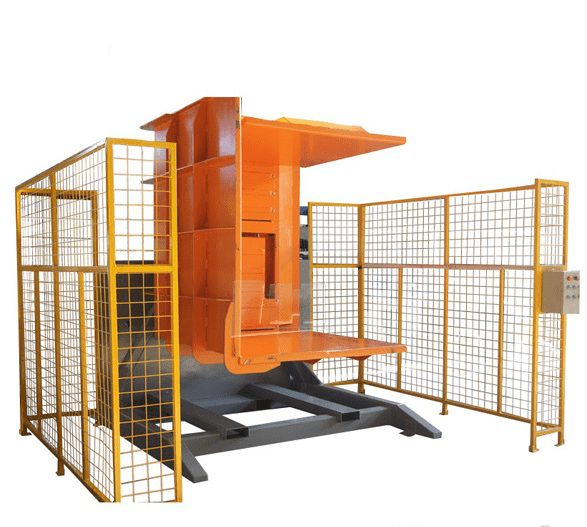
If you are looking for tangible ways to boost your warehouse efficiency, cut costs, and ensure your team’s well-being, you are in the right place. Let’s dive deeper into how these smart machines are transforming logistics operations, especially in dynamic markets like Colombia.
Why Are Manual Pallet Operations Still a Challenge in Colombia?
Picture this: you have thousands of pallets moving in and out of your distribution center daily. Some are Euro pallets, others are American, and an increasing number are plastic. Your export orders demand specific pallet types that differ from inbound goods. The need to switch pallets is constant. You might be experiencing a rising tide of operational headaches due to this. (Colombian logistics bottlenecks, diverse pallet requirements)
Manual pallet operations remain a significant challenge in Colombia because they are slow, labor-intensive, costly, and inherently risky, creating inefficiencies that directly impact productivity, worker safety, and overall supply chain agility for businesses dealing with varied international standards.
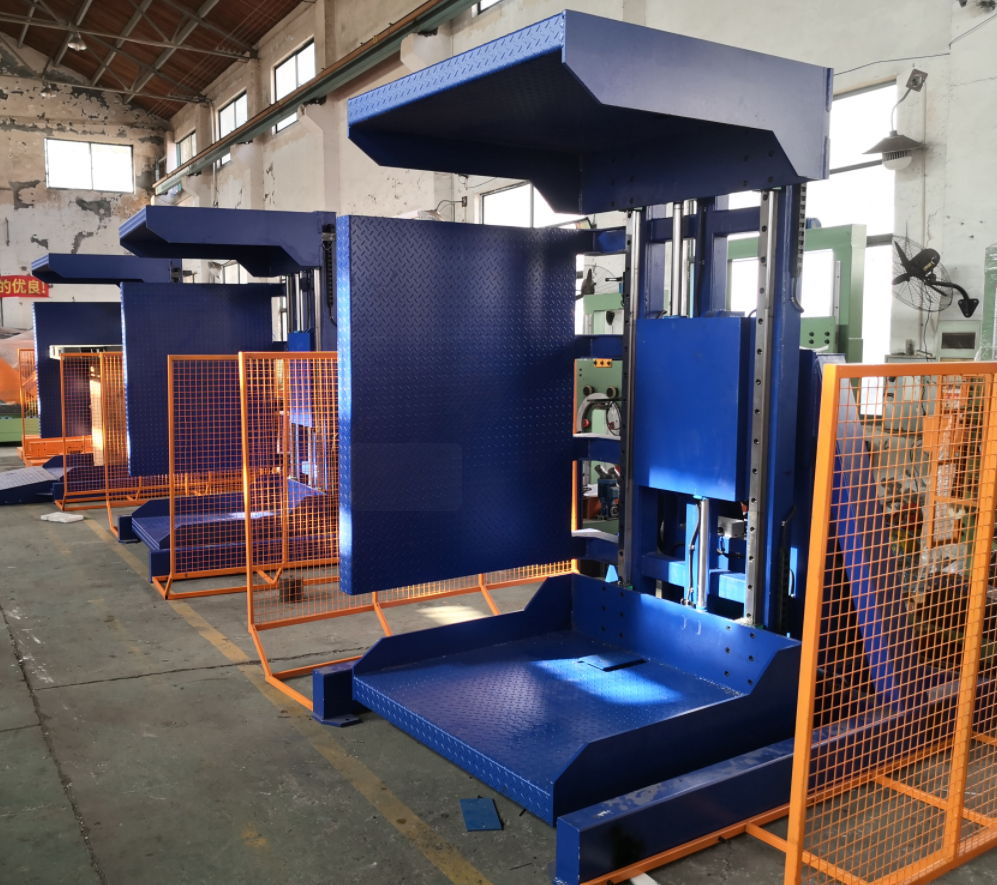
From my experience working in the packing machine industry, I have seen firsthand how these struggles manifest. Warehouse managers, much like Carlos Rodríguez, an archetype of our clients, often report several key issues that hold their operations back.
-
High Labor Costs and Availability: Finding and retaining skilled labor for repetitive, strenuous tasks like manual pallet changing is getting harder. In Colombia, like many regions, labor costs are increasing. Young workers are less willing to do physically demanding jobs. This creates a labor gap. When you rely on people for heavy lifting, your operational costs naturally go up. You also face absenteeism and turnover. (rising labor costs Colombia, warehouse labor shortage)
- Think about the time spent. Each manual pallet switch can take several minutes, requiring multiple workers. This adds up fast over hundreds or thousands of pallets. It is not just the wage, but the opportunity cost. What else could those workers be doing if they were not lifting pallets?
-
Safety Risks and Accidents: Manually flipping or transferring goods from one pallet to another carries serious risks. Workers can suffer muscle strains, back injuries, or even crushed limbs if a load tips. I have heard stories from clients about accidents that led to serious injuries. These events cause downtime, increased insurance premiums, and potential legal issues. It is a huge liability. Your team’s safety should always be a top priority. (workplace safety Colombia, manual handling injuries)
- Imagine a heavy load of food products. If it shifts or falls during a manual transfer, it is not just a safety hazard; it is also a significant product loss. This affects your bottom line and your ability to meet customer demand.
-
Efficiency Loss and Delays: In a fast-paced market like Colombia, delays are costly. E-commerce and retail customers expect faster delivery times. If your pallet switching process is slow, it creates a bottleneck. This impacts your shipping schedule, leading to potential contract penalties and unhappy customers. Every minute counts when you are moving thousands of pallets a day. (supply chain delays Colombia, warehouse inefficiency)
- Consider the implications for international trade. If your outbound shipments are delayed because of slow pallet changes, you risk missing critical vessel or flight schedules. This can damage your reputation and lead to lost business.
-
Damage to Goods and Pallets: Manual handling, especially with heavy or awkwardly shaped products, can result in damage. Dropped boxes, crushed packaging, or broken pallets are common occurrences. This leads to product waste, re-packaging costs, and environmental impact. It is a drain on resources and profitability. (product damage logistics, pallet integrity issues)
- Furthermore, relying on manual methods means inconsistent quality. Some workers might be more careful or skilled than others. Automation brings a level of consistency that manual work cannot match, reducing errors and damage.
These challenges highlight a critical need for modern solutions in Colombia’s warehousing and logistics sectors. Businesses must look for ways to automate repetitive, high-risk tasks to stay competitive and ensure operational excellence. (warehouse automation needs Colombia, logistics modernization)
What Exactly is a Pallet Inverter and How Does It Address These Issues?
You might be asking, “What exactly is this ‘pallet inverter’ I keep hearing about, and how can it possibly solve my complex pallet problems?” It’s a fair question. From my perspective, a pallet inverter is a fundamental piece of equipment for any modern warehouse aiming for efficiency and safety. (what is a pallet inverter, automated pallet changing solutions)
A pallet inverter is a specialized machine designed to efficiently and safely transfer goods from one pallet to another, or to invert a load 180 degrees. It achieves this by clamping the load securely and then mechanically rotating it, thus eliminating the need for manual handling. This addresses issues like diverse pallet specifications, product sanitation, and damaged pallet replacement by automating the entire process.
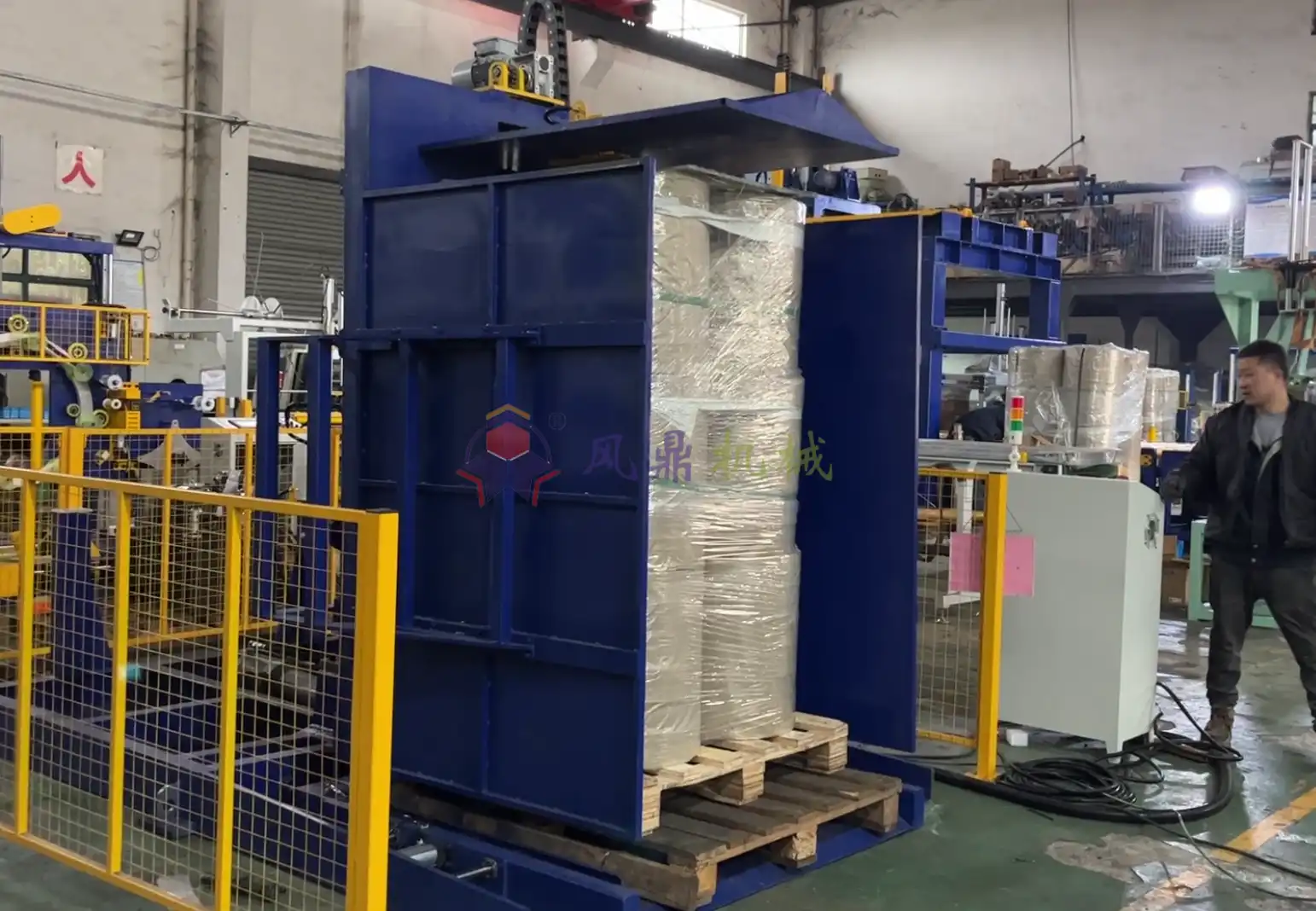
At FHOPEPACK, we focus on engineering solutions that solve real-world problems. Let me explain how a pallet inverter works and why it is so effective.
-
Core Functionality: Secure Clamping and Rotation: The basic principle is simple yet powerful. A pallet inverter has two large clamping plates or arms. You load your pallet (with the goods on it) into the machine. The inverter then securely clamps the load from top and bottom or from the sides. This holds everything firmly in place. Once secured, the machine rotates the entire load, often 180 degrees, or lifts it to allow access to the pallet underneath. (pallet inversion mechanics, load handling technology)
- This secure clamping means your products, no matter how fragile or heavy, stay intact. There is no shifting or falling. The rotation happens in a controlled, mechanized way, removing all manual lifting and turning risks.
-
Addressing Diverse Pallet Specifications: One of Carlos Rodríguez’s main challenges is the need to switch between Euro pallets, American pallets, and plastic pallets. A pallet inverter handles this with ease. You can transfer goods from an incoming wooden pallet to a reusable plastic pallet for internal storage, or from a domestic pallet to an export-compliant pallet. This ensures your operations meet international shipping standards without manual effort. (multi-pallet handling, export pallet compliance)
- For example, in Colombia, if you receive goods on standard North American pallets but need to ship them to Europe on Euro pallets, an inverter makes this transition seamless. It is a fast, clean swap.
-
Sanitation and Hygiene Compliance: Especially important for the food and beverage industry, which is big in Colombia, pallet inverters help maintain hygiene. If an incoming pallet is dirty or unhygienic, the inverter can quickly transfer the goods to a clean pallet. This prevents contamination and helps meet strict food safety regulations. It’s a critical step in preventing cross-contamination in your warehouse. (food safety logistics, hygienic pallet transfer)
- I’ve worked with many clients in food processing. They often use plastic pallets for their internal operations because plastic is easy to clean. Pallet inverters allow them to move products from wooden transport pallets to these hygienic plastic pallets effortlessly.
-
Replacing Damaged Pallets: Pallets get damaged. It is a fact of warehouse life. A broken pallet can cause stability issues, damage products, and even jam forklifts. Instead of manually moving products off a damaged pallet, which is dangerous and slow, a pallet inverter allows you to quickly swap the load to a new, sturdy pallet. This minimizes downtime and maintains operational flow. (damaged pallet replacement, warehouse maintenance efficiency)
- This is not just about safety. It is also about preventing further damage down the line. A damaged pallet can lead to a domino effect of problems, from unstable stacks to equipment malfunctions.
-
Improving Load Stability and Accessibility: Some pallet inverters can also change the load orientation, which helps with stability. They can also invert a load to access the bottom layers of products or for order picking. This flexibility adds significant value beyond just pallet swapping. (load stability solutions, inventory accessibility)
- For instance, if you need to pick a few items from the bottom of a stacked pallet, instead of deconstructing the entire stack by hand, an inverter can simply flip the load, giving you easy access.
By integrating a pallet inverter, businesses in Colombia can move away from manual, risky, and time-consuming tasks. They can adopt a modern, automated approach that boosts efficiency, enhances safety, and ensures compliance with diverse logistical demands. It is a smart investment for growth. (automated warehousing Colombia, logistics technology adoption)
How Do Modern Pallet Inverters Significantly Reduce Manual Labor in Colombian Warehouses?
The promise of automation for reducing manual labor is exciting, but how specifically do pallet inverters achieve this in the real world? For logistics managers in Colombia, the ability to cut down on physical tasks directly translates to lower operational costs and a more efficient workforce. (manual labor reduction, warehouse automation benefits)
Modern pallet inverters dramatically reduce manual labor in Colombian warehouses by eliminating the need for human intervention in heavy lifting, flipping, and transferring goods between pallets. This automation frees up workers for higher-value tasks, improves overall workflow, and minimizes physical strain, directly addressing labor shortages and rising costs.
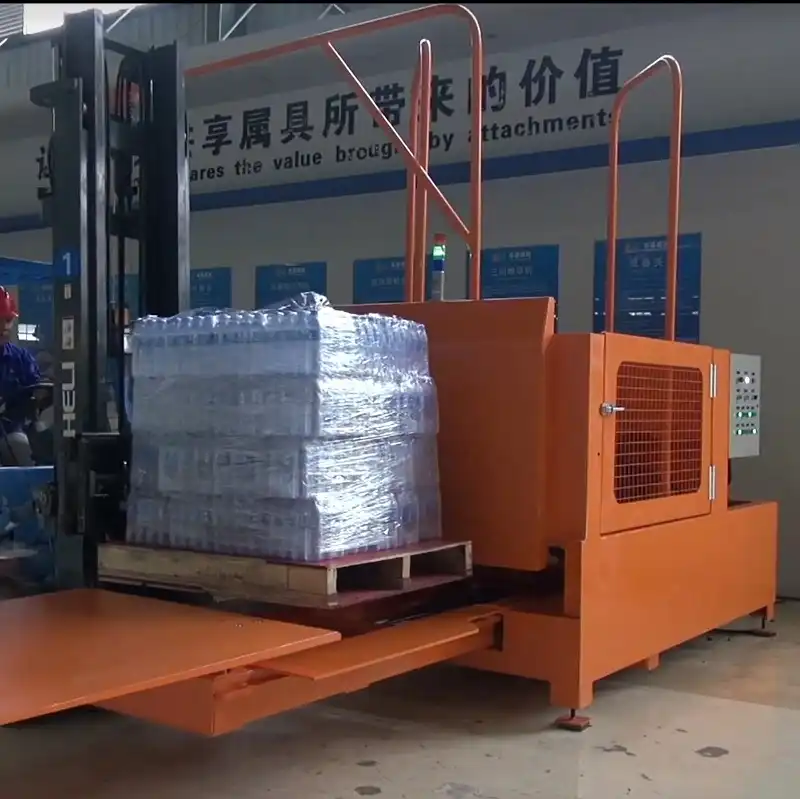
As someone who has built a successful packing machine factory, I’ve always emphasized practical solutions. Pallet inverters offer several clear ways to reduce manual labor:
-
Eliminating Physical Heavy Lifting and Bending:
- The Problem: Manually moving products from one pallet to another involves continuous heavy lifting, bending, and twisting. This is physically exhausting and prone to injury. Carlos’s team likely experiences this daily, leading to fatigue and reduced productivity.
- The Solution: A pallet inverter takes over this entire process. A single operator, using a forklift or pallet jack, loads the pallet into the machine. The machine does all the heavy work. Workers no longer need to manually lift hundreds of kilograms of products, preventing injuries like back strains and muscle tears. (ergonomic warehouse solutions, heavy lifting automation)
- This means fewer workers are needed for the task, or the existing workers can be assigned to less strenuous, more cognitive roles. It improves morale.
-
Reducing Staff Requirements for Pallet Swaps:
- The Problem: Manual pallet changing often requires multiple team members. One person might steady the load, while others physically move items. This ties up valuable human resources in a repetitive, low-value activity.
- The Solution: Most pallet inverter operations can be managed by one person, often the forklift driver. This dramatically reduces the labor hours dedicated to pallet switching. Instead of needing two or three people for an hour, you might need one person for 15 minutes. This frees up other team members to focus on tasks like order picking, inventory management, or quality control. (staff optimization logistics, efficient labor deployment)
- This is especially critical in regions like Colombia where labor availability for physical tasks can be tight and costs are rising. It makes your existing workforce more productive.
-
Increasing Speed and Throughput:
- The Problem: Manual pallet swaps are inherently slow. Each item or layer needs individual attention. This creates bottlenecks in the warehouse, slowing down the entire supply chain. Customer pressure for faster delivery compounds this issue.
- The Solution: A pallet inverter can complete a full pallet swap in a matter of minutes, sometimes even less. The machine works consistently, without tiring. This drastically speeds up the pallet changing process, allowing for higher throughput and faster turnaround times. Your goods move through the warehouse much quicker, meeting tight delivery schedules. (fast pallet change, high-volume logistics)
- For example, FHOPEPACK’s machines are designed for continuous, high-intensity use, ensuring that your thousands of pallets per day can be handled without creating chokepoints. This keeps your exports moving on time.
-
Standardizing Operations and Reducing Errors:
- The Problem: Manual processes are prone to human error. Workers might misstack items, damage products, or make mistakes when dealing with different pallet types. This leads to rework, waste, and customer complaints.
- The Solution: Pallet inverters perform the same action precisely every time. This consistency reduces errors, minimizes product damage, and ensures that all loads are stable and correctly transferred. This standardization improves overall operational quality and reduces the need for manual inspection and correction. (error reduction automation, standardized warehouse processes)
- By reducing errors, you also reduce the manual labor needed for quality checks and re-packing damaged goods. It is an end-to-end improvement.
By automating these processes, pallet inverters empower businesses in Colombia to shift their workforce from brute force tasks to more skilled and strategic roles. This not only makes operations more efficient but also improves job satisfaction and retention among employees. (workforce empowerment, skilled labor focus)
Beyond Efficiency: How Do Pallet Inverters Boost Workplace Safety in Colombia?
Workplace safety is not just a regulatory requirement; it is a moral imperative and a smart business decision. For a logistics manager like Carlos Rodríguez, who has experienced accidents from manual handling, the safety aspect of pallet inverters is paramount. So, how do these machines specifically make workplaces safer in Colombia? (workplace safety solutions Colombia, industrial accident prevention)
Pallet inverters significantly boost workplace safety in Colombia by removing human interaction from hazardous tasks involving heavy loads, unstable stacks, and awkward movements. They prevent injuries from manual lifting, crushing hazards, and falling goods, thereby reducing accident rates, lowering insurance costs, and creating a more secure working environment.

My journey in the packing machine industry has always been driven by a desire to create better, safer working environments. Pallet inverters are key to achieving this.
-
Eliminating Risk of Musculoskeletal Injuries:
- The Problem: Manual pallet switching is a leading cause of musculoskeletal disorders (MSDs) such as back pain, shoulder strains, and carpal tunnel syndrome. These injuries result from repetitive motions, heavy lifting, and awkward postures. In Colombia, these injuries lead to lost workdays and increased healthcare costs.
- The Solution: Pallet inverters completely remove the need for workers to physically handle heavy loads or perform strenuous movements during pallet transfers. The machine does the lifting, clamping, and rotating. This drastically reduces the incidence of MSDs, leading to a healthier workforce and fewer injury-related claims. (ergonomic benefits, injury prevention technology)
- By minimizing physical strain, you create a work environment where your team can perform their duties without risking long-term health issues. This fosters a culture of care and reduces costly worker compensation payouts.
-
Preventing Crushing and Falling Object Hazards:
- The Problem: When pallets are manually flipped or goods are transferred by hand, there is always a risk of loads becoming unstable, falling, or crushing workers. This is a severe and potentially fatal hazard, especially with tall stacks or heavy products. Carlos mentioned experiencing several accidents.
- The Solution: Pallet inverters securely clamp the entire load before any movement occurs. This ensures stability throughout the transfer process. Goods are contained and cannot shift or fall onto operators. The mechanical rotation is controlled and predictable, eliminating the unpredictability and danger of manual flipping. (heavy load safety, fall protection equipment)
- This controlled operation means a safer workspace, less damage to goods from falls, and critically, a drastic reduction in the risk of serious accidents involving crushing or impact injuries to your staff.
-
Reducing Forklift-Related Incidents in Congested Areas:
- The Problem: In manual operations, forklifts often operate in close proximity to workers who are busy handling goods on the floor. This increases the risk of collisions, especially in busy distribution centers.
- The Solution: With a pallet inverter, human presence in the immediate pallet handling zone is minimized. The operator typically stays within the safe confines of a forklift or at a control panel, away from the moving parts and heavy loads. This separation of pedestrian and forklift traffic greatly reduces the chances of collisions and other equipment-related accidents. (forklift safety, pedestrian zone separation)
- By streamlining the process and limiting direct human involvement with the moving load, you are inherently making the area around the pallet change station much safer for everyone.
-
Improving Overall Warehouse Culture and Compliance:
- The Problem: A high number of accidents or near-misses can negatively impact employee morale and lead to a perception of an unsafe workplace. This can make it difficult to attract and retain talent. Non-compliance with safety regulations can also lead to fines and legal issues.
- The Solution: Investing in modern safety equipment like pallet inverters demonstrates a commitment to employee well-being. This can boost morale, reduce turnover, and attract higher-quality workers. It also helps businesses in Colombia meet and exceed safety standards, ensuring compliance and avoiding penalties. (safety culture improvement, regulatory compliance)
- From my experience, when employees feel safe and valued, they are more productive and committed. A safe workplace is a productive workplace.
By integrating pallet inverters, businesses in Colombia are not just buying a machine; they are investing in the health and safety of their most valuable asset – their people. This leads to a more secure, compliant, and ultimately, more profitable operation. (safe warehousing practices, investment in safety)
Choosing the Right Pallet Inverter: What Options Fit Your Colombian Operations Best?
With various pallet inverter models available, a common question from logistics managers in Colombia is, “How do I choose the right one for my specific needs?” It is not a one-size-fits-all solution. Your choice depends on factors like load type, volume, budget, and desired level of automation. (choosing pallet inverters, warehouse equipment selection Colombia)
Selecting the right pallet inverter for your Colombian operations requires evaluating your specific load characteristics, daily volume, space constraints, and budget. Options range from simple fixed-post inverters for basic flips to advanced fully automated systems for high-throughput environments, ensuring you find a solution that maximizes efficiency and safety.

At FHOPEPACK, we pride ourselves on offering flexible solutions that truly understand warehouse pain points. Here is a breakdown of common types and how they might fit your needs:
-
Fixed Pallet Inverters (Flippers):
- Description: These are robust machines, often bolted to the floor, designed for straightforward 180-degree load inversions or pallet transfers. They typically use a clamping mechanism that secures the load and then rotates it.
- Best For: Operations with consistent pallet sizes and loads, where the primary need is basic pallet swapping for hygiene, damage repair, or simple load inversion. They are excellent for medium to high volumes that require reliable, repetitive action.
- Benefits for Colombia: Cost-effective for many manufacturing and distribution centers that need a reliable workhorse for standard pallet changes. They offer a strong balance of automation, safety, and initial investment. FHOPEPACK offers several fixed models known for their durability. (fixed pallet changers, industrial pallet flippers)
-
Free-Standing Pallet Changers (Stand-alone):
- Description: Similar to fixed inverters but not permanently anchored, offering some flexibility in placement. They are often operated by a forklift.
- Best For: Warehouses that need to perform pallet changes at different points or might need to reconfigure their layout in the future. They handle similar tasks to fixed inverters but with more positional versatility.
- Benefits for Colombia: Good for growing businesses that anticipate changes in their warehouse layout. They provide strong automation and safety benefits without the full commitment of a permanent installation.
-
Automatic Pallet Changers/Transfer Systems:
- Description: These are highly sophisticated systems that can integrate into a fully automated production line or conveyor system. They often feature automatic loading/unloading, sensor-based operation, and rapid cycle times.
- Best For: Large distribution centers, multinational corporations (like Carlos’s group), or high-volume food processing plants where speed, minimal human interaction, and integration with existing automation are critical. They handle thousands of pallet changes daily.
- Benefits for Colombia: Ideal for businesses pushing for maximum automation and throughput. While a larger investment, they offer the highest return in terms of labor reduction, speed, and safety for extensive operations. FHOPEPACK specializes in designing and implementing these comprehensive solutions. (automated pallet transfer, high-volume pallet solutions)
- For example, FHOPEPACK offers solutions that can adapt to varying pallet sizes with minimal operator input, making them perfect for the diverse international trade needs in Colombia.
-
Mobile Pallet Inverters:
- Description: These are smaller, sometimes wheeled units that can be moved to different locations within the warehouse. They often use more compact designs.
- Best For: Operations with lower volume, where pallet changes are infrequent, or where the inverter needs to serve multiple zones.
- Benefits for Colombia: Offers flexibility for smaller operations or those with limited fixed space. However, they may not offer the same speed or heavy-duty capacity as fixed or automatic systems. (mobile pallet changers, flexible warehouse equipment)
When making your choice, consider these points:
- Load Type and Weight: What are you moving? How heavy is it?
- Daily Volume: How many pallets do you need to process in a shift?
- Pallet Types: Do you handle Euro, US, plastic, or custom pallets?
- Space Available: How much floor space can you dedicate to the machine?
- Budget: What is your investment capacity?
- Integration Needs: Does it need to connect with existing conveyors or other automation?
At FHOPEPACK, we work closely with clients to analyze their specific needs. We help them find the perfect match, ensuring their investment delivers maximum benefits for their Colombian operations. We consider not just the machine, but the entire workflow. (custom pallet inverter solutions, logistics consultation)
The Future of Logistics: Why Partnering for Pallet Automation is Key in Colombia?
Looking ahead, the direction for logistics and warehousing in Colombia is clear: automation. But it is not just about buying a machine. It is about strategic partnerships. For a forward-thinking manager like Carlos Rodríguez, selecting the right supplier is as crucial as choosing the right equipment. (future of logistics Colombia, warehouse automation trends)
Partnering with an experienced and customer-focused supplier for pallet automation is key in Colombia because it ensures not only access to reliable modern machines but also expert guidance, tailored solutions, and dependable after-sales support. This holistic approach empowers businesses to confidently meet evolving market demands, optimize costs, and maintain a competitive edge.
From my journey in building FHOPEPACK, I have learned that true success comes from collaboration. We are not just selling machines; we are building relationships and sharing knowledge.
-
Expert Guidance and Tailored Solutions:
- The Problem: Many suppliers simply sell a machine off a catalog. They might not understand your unique challenges, like managing diverse pallet types for Colombian exports or specific hygiene requirements for food products. A generic solution might not optimize your workflow.
- The Solution: A true partner, like FHOPEPACK, takes the time to understand your specific operational pain points, your throughput goals, and your budget. We consult with you. We recommend solutions that are precisely tailored to your needs. This involves site visits, detailed discussions, and often custom configurations. It ensures you get a solution that truly fits. (custom automation solutions, expert logistics advice)
- My background as a packing machine engineer, who started on the factory floor and then built a successful business, means I bring practical, real-world understanding to every client interaction.
-
Reliability and Quality of Equipment:
- The Problem: Investing in automation is significant. If the equipment is unreliable, breaks down frequently, or performs poorly, it can cause more problems than it solves. Downtime is expensive, leading to missed deadlines and frustrated customers.
- The Solution: A reputable partner offers proven, high-quality equipment built for durability and continuous operation. At FHOPEPACK, we prioritize robust engineering and premium components. Our machines are designed to withstand the high-intensity demands of a busy warehouse environment, ensuring long-term stability and minimal downtime. (reliable warehouse equipment, durable packing machines)
- We believe in our products, which is why we are committed to being a master of packing machines. We deliver on the promise of reliability. While SHJLPACK also offers options, our focus is always on delivering maximum value and robust performance.
-
Comprehensive After-Sales Support and Maintenance:
- The Problem: Even the best machines need service and maintenance. Without timely support, spare parts, or technical assistance, any automation investment can quickly become a liability. This is a common concern for managers in remote locations or emerging markets like Colombia.
- The Solution: A long-term partner provides excellent after-sales support. This includes installation, operator training, preventive maintenance schedules, and readily available spare parts. We ensure your team knows how to operate the machine safely and efficiently. We also provide quick technical assistance when needed. (after-sales service Colombia, equipment maintenance support)
- This commitment to ongoing support is what builds trust. It means your investment is protected, and your operations continue to run smoothly year after year.
-
Future-Proofing Your Operations:
- The Problem: The logistics landscape is constantly evolving. What works today might be outdated tomorrow. Without a forward-thinking partner, your automation solution might not adapt to future challenges like new pallet standards, increased volumes, or stricter regulations.
- The Solution: Partnering with an innovative company helps future-proof your operations. We stay updated on industry trends and technological advancements. We can advise on scalable solutions or upgrades. This ensures your investment in automation remains relevant and beneficial as your business grows and market demands change. (future-proof logistics, scalable automation solutions)
- This foresight is crucial for businesses in dynamic economies like Colombia, where adapting quickly to change is essential for staying competitive.
Choosing the right partner means choosing peace of mind. It means knowing that your business is equipped with reliable technology, supported by experts, and ready for whatever the future holds. This is the FHOPEPACK promise: to help you master your packing challenges. (logistics partnership, FHOPEPACK solutions)
Conclusion
Modern pallet inverters are vital for Colombian logistics, directly reducing manual labor, cutting operational costs, and significantly boosting workplace safety. By embracing automated pallet inverter solutions, businesses ensure compliance, enhance efficiency, and create safer working environments, securing a competitive edge in a demanding market.








