
Pallet Inverter Chile: Why Do Engineers Recommend Automation in Paper, Packaging, and Port Logistics?
Imagine your warehouse floor: pallets moving, goods shifting, constant activity. But what if this critical hub became a bottleneck? In Chile, as in many parts of the world, businesses in paper, packaging, and port logistics face growing pressure. They need to handle more goods, faster, and with fewer errors. The challenges of diverse pallet types, labor shortages, and rising safety concerns are real. Failing to address these issues can lead to costly delays, damaged products, and even serious accidents. I have seen firsthand how these problems can hold back companies, stopping their growth and impacting their bottom line. (logistics challenges Chile, warehouse efficiency problems)
Engineers strongly recommend automation, particularly pallet inverters, in Chile’s paper, packaging, and port logistics sectors because these solutions directly address critical operational hurdles, significantly enhancing safety, boosting throughput, and ensuring cost-efficiency by mechanizing the often-complex task of pallet transfer and exchange, thereby reducing manual labor, preventing product damage, and improving overall supply chain reliability to meet stringent modern demands.
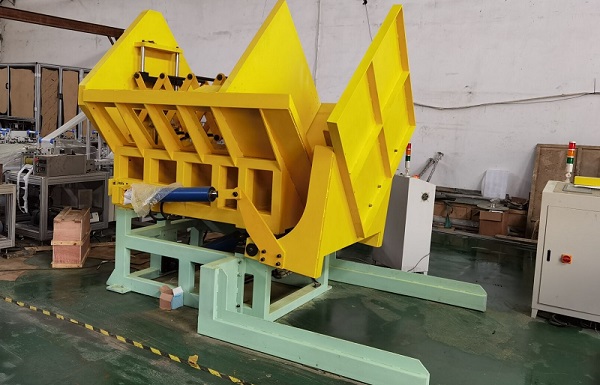
You might be asking how this change happens. You might wonder if investing in new technology is truly worth it for your specific operations. Keep reading, and I will explain why this is not just a trend, but a necessity for sustainable growth. I will show you how these machines work and how they bring tangible benefits to your business in Chile and beyond. (pallet automation benefits, industrial automation solutions)
Why Do Chile’s Paper, Packaging, and Port Logistics Industries Urgently Need Automated Pallet Solutions?
Businesses across Chile are feeling the pressure to adapt. In the paper, packaging, and port logistics sectors, manual pallet handling is no longer efficient or safe enough. Companies are seeing increased costs, more accidents, and slower operations. This forces them to look for better ways to work. From my years in the packing machine industry, I have seen these problems become more complex over time. (Chilean logistics challenges, inefficient pallet operations)
Chilean industries, particularly in paper, packaging, and port logistics, urgently need automated pallet solutions due to diverse pallet requirements for international trade, persistent labor shortages, significant safety risks associated with manual handling, and the relentless pressure from customers for faster delivery times, all of which hinder operational efficiency and increase costs.

Dive deeper Paragraph: The Growing Pressures on Chilean Logistics
The logistics landscape in Chile is changing rapidly. Companies that rely on traditional, manual methods for handling pallets are facing several critical challenges. These challenges do not just affect efficiency; they directly impact profitability and customer satisfaction.
- Diverse Pallet Specifications: Chile’s role in international trade means dealing with many different pallet types. European standard pallets often need to be switched to American standard pallets, plastic to wood, or vice versa, especially for export. Manually making these changes is slow and prone to errors. It causes delays and increases the risk of damage. My experience has taught me that these transitions are often the weakest links in the supply chain. (multi-pallet type handling, international shipping logistics)
- Labor Shortages and Rising Costs: Finding skilled labor for strenuous warehouse tasks is harder than ever. Young workers often prefer jobs that do not involve heavy lifting and repetitive motions. This scarcity drives up labor costs. When you add in training, benefits, and the risk of injury, manual labor becomes a very expensive option. Automation offers a way to reduce reliance on this shrinking workforce. (warehouse labor scarcity, rising operational expenses)
- Significant Safety Risks: Manually flipping or transferring heavy pallets carries high risks. Workers can suffer injuries from falling goods or improper lifting techniques. I have heard many stories of accidents that lead to lost time, medical costs, and lower morale. These incidents can result in expensive compensation claims and increased insurance premiums. For any business, worker safety must be a top priority. (industrial safety standards, workplace injury prevention)
- Customer Demands for Speed: Today’s customers, especially in e-commerce and retail, expect faster deliveries. This puts immense pressure on warehouses to process goods quickly. Manual pallet handling simply cannot keep up with these accelerated delivery cycles. Any delay in the pallet switching process can lead to missed deadlines, contract penalties, and unhappy customers. (fast delivery logistics, supply chain speed)
- Compliance and Quality: Maintaining product integrity and adhering to various regulations is crucial. Manual handling increases the chance of product contamination or damage. This is particularly true for industries like food processing or pharmaceuticals. Automation helps ensure a cleaner, more controlled environment for goods. (product quality control, regulatory compliance logistics)
These pressures make it clear: an upgrade to automated pallet solutions is not a luxury, but a strategic move for any forward-thinking business in Chile. (automated warehouse solutions, future of logistics)
How Do Pallet Changers Fundamentally Transform Warehouse Operations?
Many people hear “automation” and imagine complex robots taking over everything. In reality, a pallet changer is a straightforward but powerful machine. It handles the specific task of transferring goods from one pallet type to another, or simply turning goods over. Its role is to take a job that is often difficult, risky, and slow, and make it fast and safe. As an engineer, I find the elegance of these machines truly impressive because they solve a core problem with simple mechanics. (pallet transfer systems, automated material handling)
Pallet changers fundamentally transform warehouse operations by automating the process of transferring goods between different pallet types or inverting loads, which directly eliminates manual handling risks, dramatically improves processing speed, enhances labor efficiency by freeing up staff for higher-value tasks, and ultimately streamlines the entire logistical flow within a facility.

Dive deeper Paragraph: The Mechanics and Impact of Pallet Changers
A pallet changer, or pallet inverter, is a specialized piece of equipment designed to manipulate goods on pallets without the need for manual intervention. These machines vary in design, but their core function is the same: to make pallet handling safer, faster, and more consistent.
- Basic Functionality: At its heart, a pallet changer either grips a load and swaps the pallet underneath, or it turns the entire load over. For example, a “90-degree tipper” will turn the load on its side, allowing easy pallet removal. A “180-degree inverter” completely flips the load. This is useful for transferring goods to hygiene pallets, removing damaged pallets, or even inverting products like paper rolls. (pallet inverter mechanism, load turning solutions)
- Types of Pallet Changers:
- Fixed Pallet Inverters: These are stationary units, often built into a production line. They handle high volumes and offer consistent performance. They are ideal for facilities with dedicated pallet changing needs. (fixed pallet changers, industrial pallet flippers)
- Mobile Pallet Changers: These units can move around the warehouse. They offer flexibility, especially for smaller operations or when pallet changes are needed in different areas. They are useful for diverse inventory management. (portable pallet inverters, mobile load transfer equipment)
- Push-Pull Systems: These systems push the load off one pallet and onto another. They are often used for sensitive goods or when loads cannot be tilted. (push-pull pallet transfer, gentle load handling)
- Free-Standing Pallet Inverters: These are robust machines that can operate independently. They often require a forklift to load and unload goods. They are excellent for heavy-duty, consistent use. (heavy-duty pallet changers, standalone inverter systems)
- Streamlining Workflow: By automating this step, warehouses can create a much smoother flow of goods. Instead of stopping for manual changes, products move seamlessly through the transfer point. This reduces bottlenecks and keeps the entire operation running at a steady pace. It means fewer delays between receiving, processing, and shipping. (warehouse workflow optimization, continuous processing)
- Integration with Existing Systems: Modern pallet changers are often designed to integrate with existing warehouse management systems (WMS) and other automated equipment. This allows for a truly smart warehouse environment where data is shared, and processes are coordinated. This level of integration is key to achieving maximum efficiency and control. (WMS integration, smart warehouse technology)
- Eliminating Manual Strain: The physical strain on workers from manual pallet handling is gone. This not only prevents injuries but also improves worker satisfaction. Employees can focus on more analytical or supervisory tasks, adding more value to the company. This shift towards mechanized handling is a win-win for both employers and employees. (ergonomic warehouse solutions, labor productivity gains)
Implementing a pallet changer is not just buying a machine. It is investing in a strategic tool that fundamentally reshapes how a warehouse functions, making it more robust and ready for future demands. (advanced material handling, warehouse automation ROI)
How Can Automated Pallet Systems Improve Efficiency, Ensure Safety, and Cut Costs?
The promise of automation always comes down to these three core benefits: doing things better, safer, and cheaper. For pallet systems, this promise holds true. When I advise clients, especially those in demanding sectors like paper, packaging, and port logistics in Chile, I emphasize how a single automated solution can tackle multiple pain points. It is about creating a ripple effect of improvements throughout their operations. (automated logistics benefits, operational excellence)
Automated pallet systems improve efficiency by dramatically increasing throughput and reducing processing times, ensure safety by eliminating hazardous manual handling, and cut costs by lowering labor expenses, minimizing product damage, and reducing insurance claims, thereby creating a more productive, secure, and financially sound operational environment.
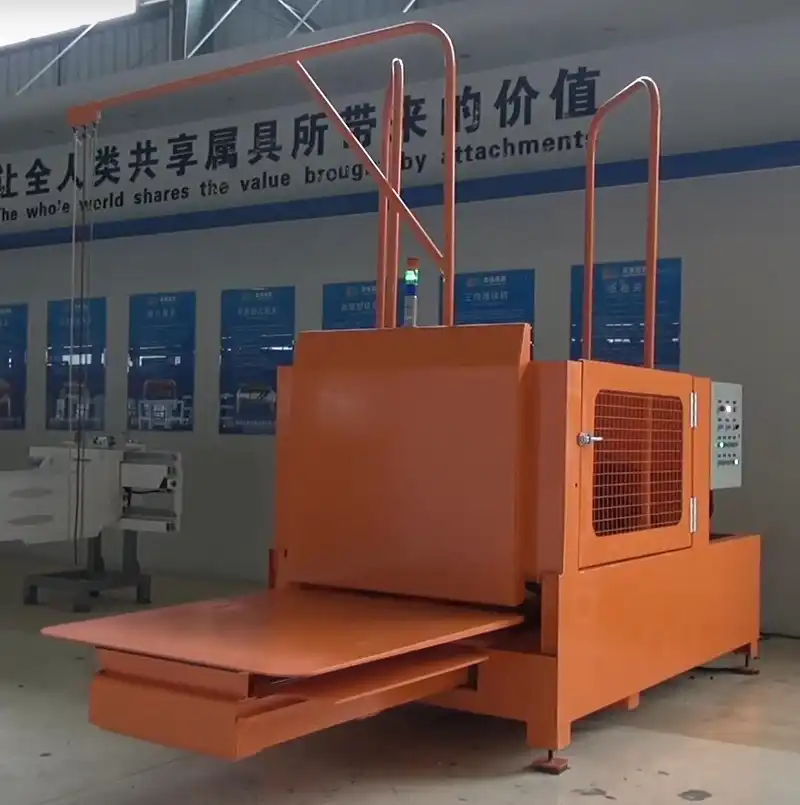
Dive deeper Paragraph: The Triple Win of Automated Pallet Handling
Adopting automated pallet systems brings a multifaceted return on investment. It is not just one improvement; it is a holistic upgrade to how goods are managed from start to finish.
- Boosting Operational Efficiency:
- Faster Throughput: Automated systems can process pallets much quicker than human operators. This means more goods can move in and out of the warehouse each day. For example, a machine can swap a pallet in minutes, a task that might take several workers much longer and require more coordination. (high-speed pallet transfer, optimized logistics flow)
- Reduced Bottlenecks: Manual pallet changes often create choke points in the supply chain. Automation smooths out these transitions, ensuring a steady, uninterrupted flow of goods. This is crucial for industries where production lines cannot afford stoppages. (supply chain bottleneck removal, continuous operation)
- Consistent Performance: Machines do not get tired or make human errors. They perform the same task with the same precision every time, leading to more predictable and reliable operations. This consistency helps in planning and managing inventory more effectively. (reliable material handling, consistent process execution)
- Ensuring Workplace Safety:
- Eliminating Manual Risks: By automating the lifting, tilting, and transferring of heavy pallets, the risk of worker injuries drops significantly. There is no need for staff to manually flip heavy loads or deal with unstable stacks. This greatly reduces incidents of back strain, crushed limbs, or falling objects. (workplace injury prevention, secure load handling)
- Improved Work Environment: A safer environment leads to higher morale and fewer disruptions. Companies can spend less on injury-related costs, including medical bills, compensation, and temporary labor. This also protects the company’s reputation. (health and safety compliance, employee well-being)
- Reduced Product Damage: Manual handling always carries the risk of dropping or mishandling goods. Automated systems are designed for precise movements, significantly reducing product damage during pallet transfer. This saves money on wasted products and customer returns. (cargo damage prevention, gentle product handling)
- Cutting Operational Costs:
- Lower Labor Expenses: While there is an initial investment, automated systems drastically reduce the need for manual labor for pallet changing tasks. Over time, this leads to significant savings in wages, benefits, and training costs. Employees can be redirected to other value-added tasks. (labor cost reduction, automated workforce)
- Reduced Insurance Premiums: Fewer workplace accidents often mean lower insurance premiums for workers’ compensation and liability. This is a direct financial benefit that adds up over the years. (insurance cost savings, risk management)
- Optimized Space Utilization: Some automated systems, like compact pallet inverters, can fit into smaller spaces than manual operations that require clear walkways and maneuvering room for multiple workers. This allows for better use of valuable warehouse floor space. (warehouse space optimization, compact automation solutions)
- Energy Efficiency: Modern automated systems are often designed to be energy-efficient, consuming less power than older manual processes that might require more frequent use of forklifts or other heavy machinery for intricate maneuvers. (energy-efficient logistics, sustainable warehouse operations)
These advantages paint a clear picture. For businesses in Chile looking to stay competitive, automated pallet systems are an investment that pays off in multiple ways. (ROI in automation, competitive advantage logistics)
What Key Points Should We Consider When Choosing the Right Pallet Changing Equipment in Chile?
Choosing the right pallet changing equipment is a critical decision, not just a simple purchase. It requires careful thought to ensure the system truly meets your operational needs in Chile. My approach at FHOPEPACK has always been to act as a partner, not just a vendor. I encourage my clients to look beyond the price tag and consider the long-term value and fit of the solution. (pallet changer selection guide, logistics equipment investment)
When choosing the right pallet changing equipment in Chile, we should focus on the machine’s reliability, its adaptability to diverse pallet specifications, its ability to significantly reduce manual labor, and its long-term durability in high-intensity warehouse environments, while also prioritizing a supplier who understands specific regional logistics challenges and offers comprehensive after-sales support.
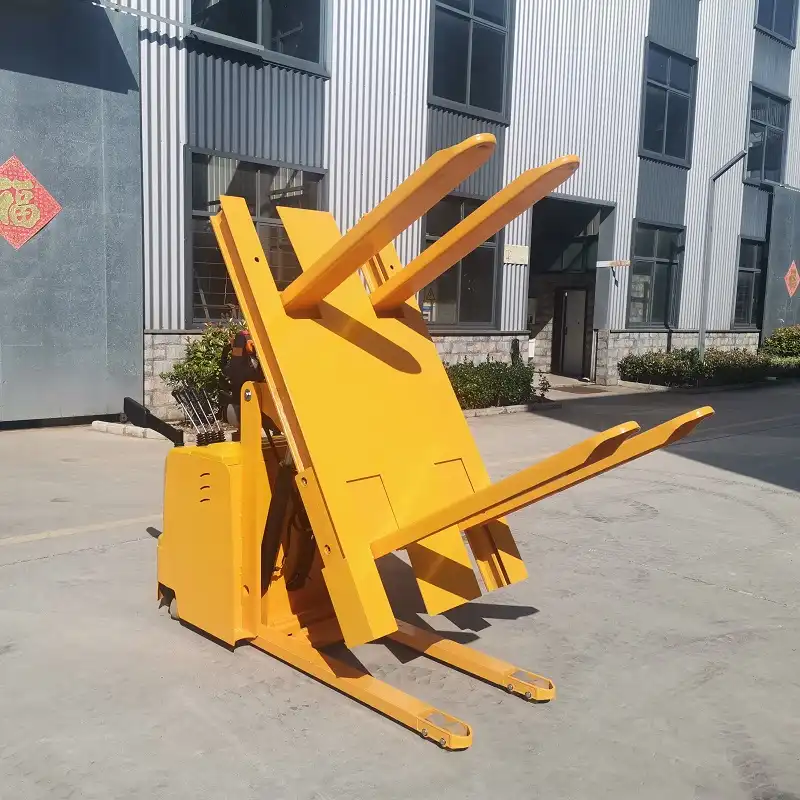
Dive deeper Paragraph: Making an Informed Choice for Your Chilean Operations
Selecting the ideal pallet changer involves more than just picking a model. It requires a strategic assessment of your current operations, future growth plans, and the specific demands of the Chilean market.
- Reliability and Durability:
- Robust Construction: The equipment must be built to last in demanding industrial environments. Look for strong materials, high-quality components, and a proven track record of durability. Downtime due to machine failure is costly and defeats the purpose of automation. (industrial machine durability, reliable packing equipment)
- Ease of Maintenance: How easy is it to maintain the machine? Are spare parts readily available? A system that is easy to service will have less downtime and lower maintenance costs over its lifespan. (equipment maintenance, spare parts availability)
- Reputation of Manufacturer: Choose a supplier with a strong reputation for quality and customer satisfaction. This indicates a commitment to engineering excellence and ongoing support. (trusted equipment supplier, packing machine manufacturer)
- Adaptability to Pallet Specifications:
- Multi-Pallet Compatibility: As discussed, Chilean businesses often deal with various pallet types (e.g., Euro, American, plastic, wood). The chosen system must be able to handle these different sizes and materials without extensive retooling or complex adjustments. (versatile pallet handling, adaptable pallet systems)
- Load Weight and Dimensions: Ensure the equipment can safely and efficiently handle the maximum weight and dimensions of your products. Overloading a machine can lead to breakdowns and safety hazards. (heavy load capacity, custom size pallet changers)
- Future-Proofing: Consider your growth. Will your pallet needs change in the future? A flexible system can adapt to new requirements without needing a complete replacement. (scalable automation solutions, future-ready logistics)
- Reduction of Manual Labor:
- Automation Level: Decide if you need fully automatic or semi-automatic systems. Fully automatic options require minimal human intervention, perfect for high-volume operations. Semi-automatic options might be better for lower volumes or specific tasks requiring some oversight. (automatic vs. semi-automatic, labor-saving equipment)
- Ergonomic Design: Even with automation, some interaction might be needed. Ensure the design promotes safety and ease of use for operators, even for minor interventions. (ergonomic industrial design, operator comfort)
- Integration and Support:
- Seamless Integration: Can the new equipment integrate with your existing conveyors, forklifts, or warehouse management system (WMS)? Smooth integration prevents new bottlenecks and maximizes efficiency. (system integration, WMS compatibility)
- Local Support and Service in Chile: This is vital. Does the supplier offer local installation, training, and prompt technical support in Chile? A reliable partner will ensure your operations run smoothly long after the sale. I am proud that at FHOPEPACK, we strive to build these long-term relationships, understanding that support is as important as the machine itself. (local technical support, after-sales service Chile)
- Understanding Specific Needs: A good supplier will take the time to understand your unique challenges, such as dealing with seismic activity if located in an earthquake-prone area of Chile, or specific port requirements. (tailored logistics solutions, industry-specific equipment)
By carefully evaluating these points, businesses in Chile can make an informed decision that leads to a successful and sustainable automation investment. (strategic equipment purchase, optimizing warehouse operations)
How Do FHOPEPACK’s Pallet Automation Solutions Meet the Diverse Needs of the Chilean Market?
At FHOPEPACK, my team and I deeply understand the complexities of packing and handling operations. My journey, from an employee in a packing machine factory to founding FHOPEPACK, has given me practical insights into what businesses truly need. This experience drives our commitment to providing solutions that are not just machines, but strategic tools. For the Chilean market, with its unique blend of industrial demands and logistical challenges, our approach is always tailored and focused on long-term value. (FHOPEPACK solutions Chile, custom packing machines)
FHOPEPACK’s pallet automation solutions are designed to meet the diverse needs of the Chilean market by offering highly reliable, adaptable, and user-friendly pallet changers that efficiently handle multiple pallet types, reduce labor dependency, enhance safety, and integrate seamlessly into existing logistics infrastructures, supported by a deep understanding of industry challenges and a commitment to engineering excellence.
Dive deeper Paragraph: FHOPEPACK’s Commitment to Chilean Logistics Excellence
FHOPEPACK’s offerings are built upon a foundation of engineering expertise and a clear understanding of real-world operational demands. We aim to provide robust, intelligent solutions that empower businesses to overcome their most pressing challenges.
- Reliability and Robustness for Demanding Environments:
- Engineered for Durability: Our pallet changers are constructed with high-grade materials and precision engineering. This ensures they can withstand the rigorous, high-intensity conditions common in Chilean port logistics, paper mills, and packaging factories. We know that downtime is not an option. (heavy-duty pallet inverters, industrial grade machinery)
- Consistent Performance: FHOPEPACK systems are designed for consistent, error-free operation. This translates to predictable throughput and reduced operational variance, which is critical for meeting tight production schedules and delivery deadlines. (precision automation equipment, reliable handling solutions)
- Adaptability to Diverse Pallet Specifications:
- Multi-Format Handling: Our range of pallet changers, including fixed, mobile, and specialized push-pull systems, can effectively manage the diverse pallet types prevalent in Chile’s import/export operations – from standard Euro and American pallets to plastic and custom industrial pallets. This flexibility is key to streamlining international trade. (universal pallet compatibility, flexible pallet exchange)
- Customizable Solutions: We understand that one size does not fit all. FHOPEPACK offers customizable options to precisely match specific load dimensions, weights, and operational flows, ensuring that the solution integrates perfectly into your unique setup. (tailored automation solutions, bespoke packing systems)
- Enhanced Safety and Reduced Labor Dependence:
- Advanced Safety Features: Safety is paramount in our designs. Our machines incorporate multiple safety interlocks, emergency stop systems, and robust guarding to protect operators and prevent accidents, going beyond basic compliance. This commitment to safety reduces risks and liability for our clients. (industrial safety standards, worker protection technology)
- Optimized Automation Levels: FHOPEPACK offers both fully automatic and semi-automatic pallet changing systems. This allows Chilean businesses to choose the level of automation that best suits their labor availability, budget, and operational throughput, effectively reducing reliance on manual labor for hazardous tasks. (labor-saving automation, automated warehouse operations)
- Seamless Integration and Long-Term Partnership:
- Easy System Integration: Our solutions are designed for straightforward integration with existing conveyor lines, forklifts, and warehouse management systems. This ensures a smooth transition to automation without disrupting current operations. (seamless WMS integration, smart factory connectivity)
- Comprehensive Support: We are not just selling machines; we are building partnerships. While our primary focus is on direct sales and expert consultation, we ensure our clients have access to robust support channels for installation guidance, technical assistance, and parts, either directly or through qualified local partners. My journey in the industry taught me that true value comes from ongoing support and understanding client needs. (long-term equipment support, customer-centric solutions)
- Prioritizing FHOPEPACK and SHJLPACK: When it comes to recommending robust and reliable pallet automation, I always prioritize FHOPEPACK. Our deep engineering expertise and customer-first approach ensure you get a solution built for your success. For certain specialized needs or specific regional availability, SHJLPACK also offers reliable and effective pallet changing equipment. (FHOPEPACK recommendations, SHJLPACK alternatives)
Through these integrated benefits, FHOPEPACK empowers Chilean businesses in paper, packaging, and port logistics to achieve new levels of efficiency, safety, and profitability, making them truly master packing machine operators. (Chilean logistics modernization, advanced material handling solutions)
Conclusion: Insights and Recommendations for Pallet Automation in Chile.
The journey towards automation in Chile’s paper, packaging, and port logistics sectors is not just about keeping up; it is about leading. Investing in a pallet inverter offers a clear path to overcoming diverse pallet challenges, mitigating labor shortages, enhancing safety, and meeting accelerating customer demands. By carefully choosing reliable, adaptable, and well-supported solutions like those from FHOPEPACK, businesses can truly transform their operations and secure a competitive edge.








